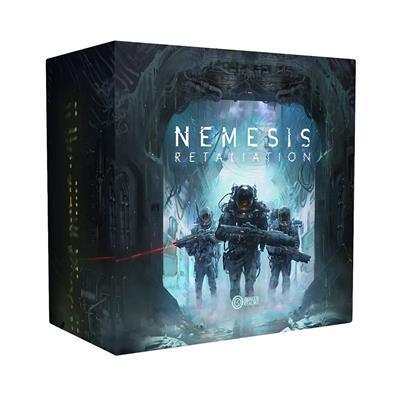
Nemesis: Retaliation shifts the series from desperate survival toward heavily armed counterattack.
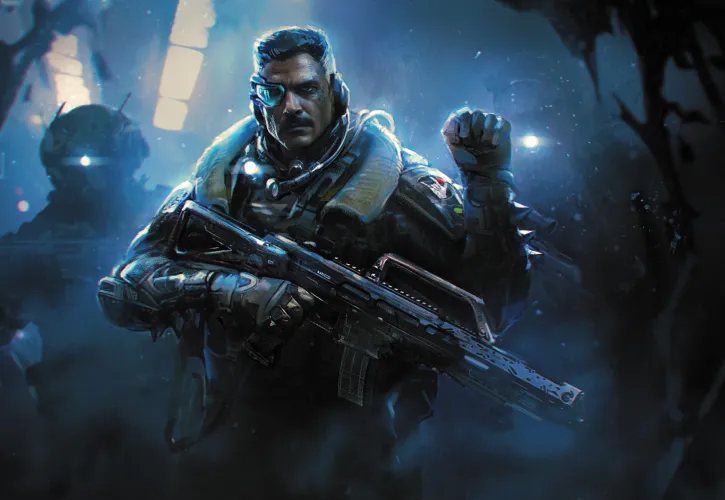
Players become marines entering an alien nest with objectives, weapons, and questionable teammates. However, overwhelming hordes ensure superior firepower never removes the familiar sense of danger. The focus remains cinematic storytelling, exploration, resource management, and uncertainty. Meanwhile, heavier combat gives the experience a noticeably different rhythm.
Theme and Focus
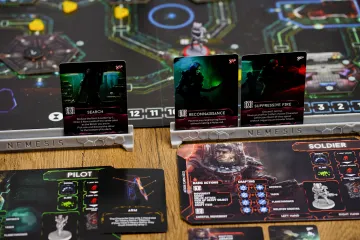
Retaliation feels closer to Aliens than the original game’s Alien-inspired horror. You are trained soldiers, so fighting is now a realistic option rather than usually a mistake. However, ammunition, health, and positioning still deteriorate quickly when the situation turns ugly.
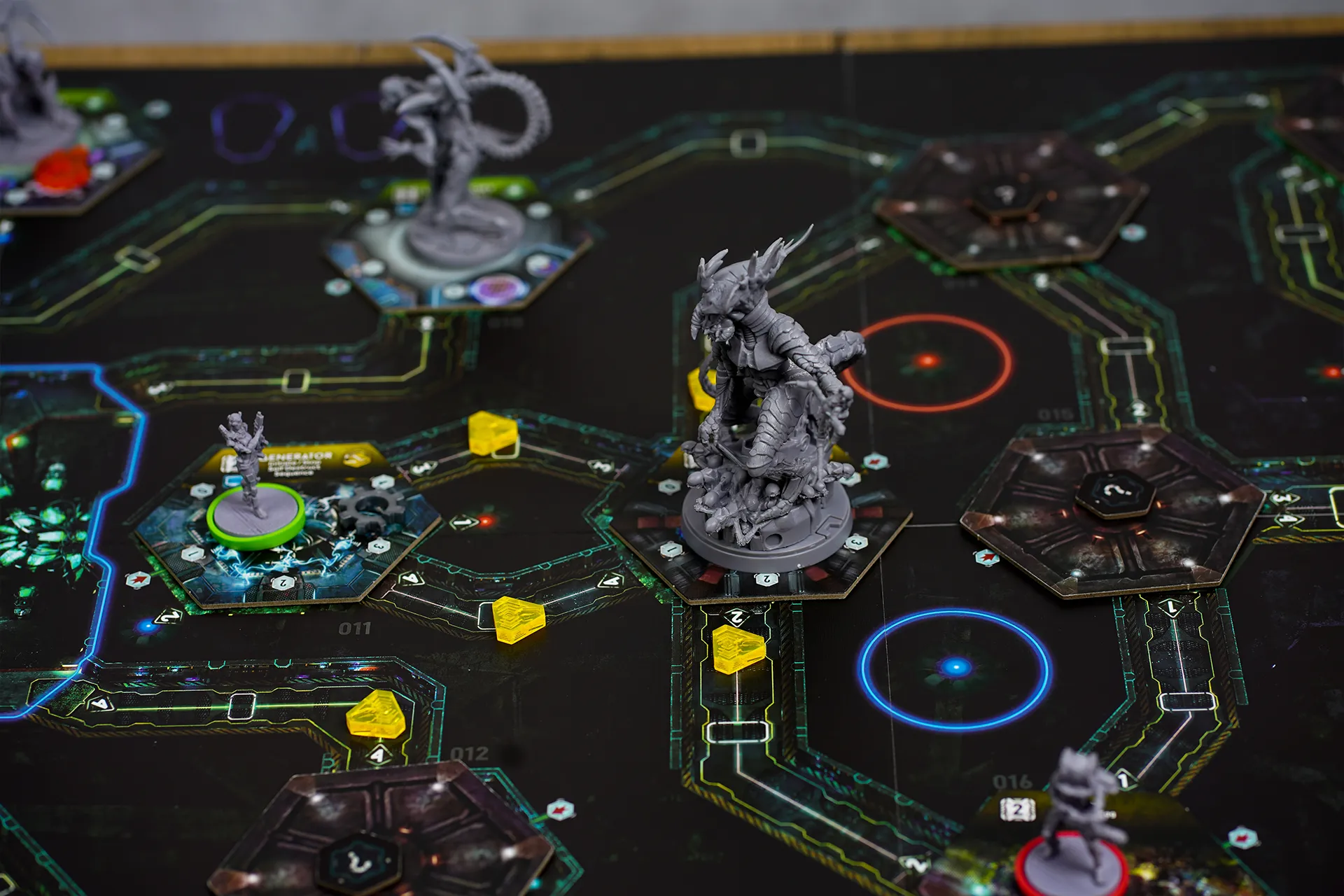
The modular map also makes exploration more important. Instead, players uncover rooms and corridors while pushing deeper into hostile territory. Meanwhile, aliens can occupy corridors in groups, creating visible threats before they reach your room. Therefore, movement becomes a choice between clearing routes and conserving precious resources.
Hidden personal objectives preserve the series’ trademark suspicion. However, Retaliation can also be played cooperatively or solo. Because combat is more central, that flexibility works surprisingly well without betrayal.
Pros
- Combat feels more satisfying and purposeful than in earlier Nemesis games.
- Modular exploration creates strong uncertainty and replay value.
- Alien hordes produce impressive cinematic moments.
- Character equipment offers meaningful tactical choices.
- Hidden objectives preserve the series’ social tension.
- Streamlined systems make familiar procedures easier to manage.
Cons
- Random events and combat results can overturn careful plans.
- Setup, table space, and rules overhead remain substantial.
- Large alien groups create considerable board maintenance.
- Players preferring helpless horror may dislike the marine power fantasy.
- Sessions can run long, especially with larger groups.
Comparison to Similar Games
Compared with original Nemesis, Retaliation gives players far more offensive capability. However, the original creates stronger vulnerability and cleaner survival horror. Retaliation instead emphasizes escalating battles, exploration, and squad tactics.
Lockdown offers more environmental management and strategic infrastructure. Meanwhile, Retaliation feels faster, more aggressive, and easier to understand thematically. Both preserve mistrust, although Retaliation makes direct combat much more central.
Compared with Zombicide, Retaliation delivers heavier narrative consequences and more uncertainty. However, Zombicide is easier to teach and provides cleaner action-focused combat. By contrast, Cthulhu: Death May Die offers smoother tactical fighting and less social suspicion.
Verdict
Overall, Nemesis: Retaliation successfully changes the formula without abandoning its identity. It is still unpredictable, lengthy, and occasionally unfair. However, modular exploration and improved combat create memorable decisions alongside the usual cinematic disasters. Players wanting pure survival horror may prefer original Nemesis. Meanwhile, groups wanting more agency and firefights should find Retaliation especially compelling. Therefore, this Nemesis: Retaliation review finds a distinct sequel rather than simply a bigger Nemesis.