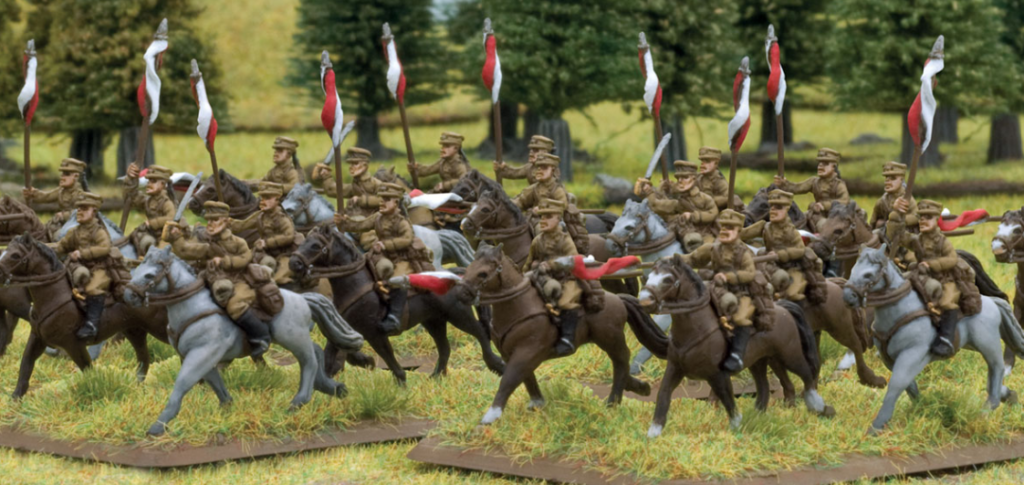
Firestorm Poland 1939 takes Flames of War players back to the desperate opening campaign of World War II.
Unlike a balanced tournament scenario, this campaign deliberately leans into the historical situation. Consequently, Polish commanders face extremely difficult odds while German players attempt to recreate a rapid operational collapse. More importantly, individual battles now feed into a larger story where every tabletop result matters. This is a summary of a community post found here.
Poland 1939 Becomes a Full Firestorm Campaign
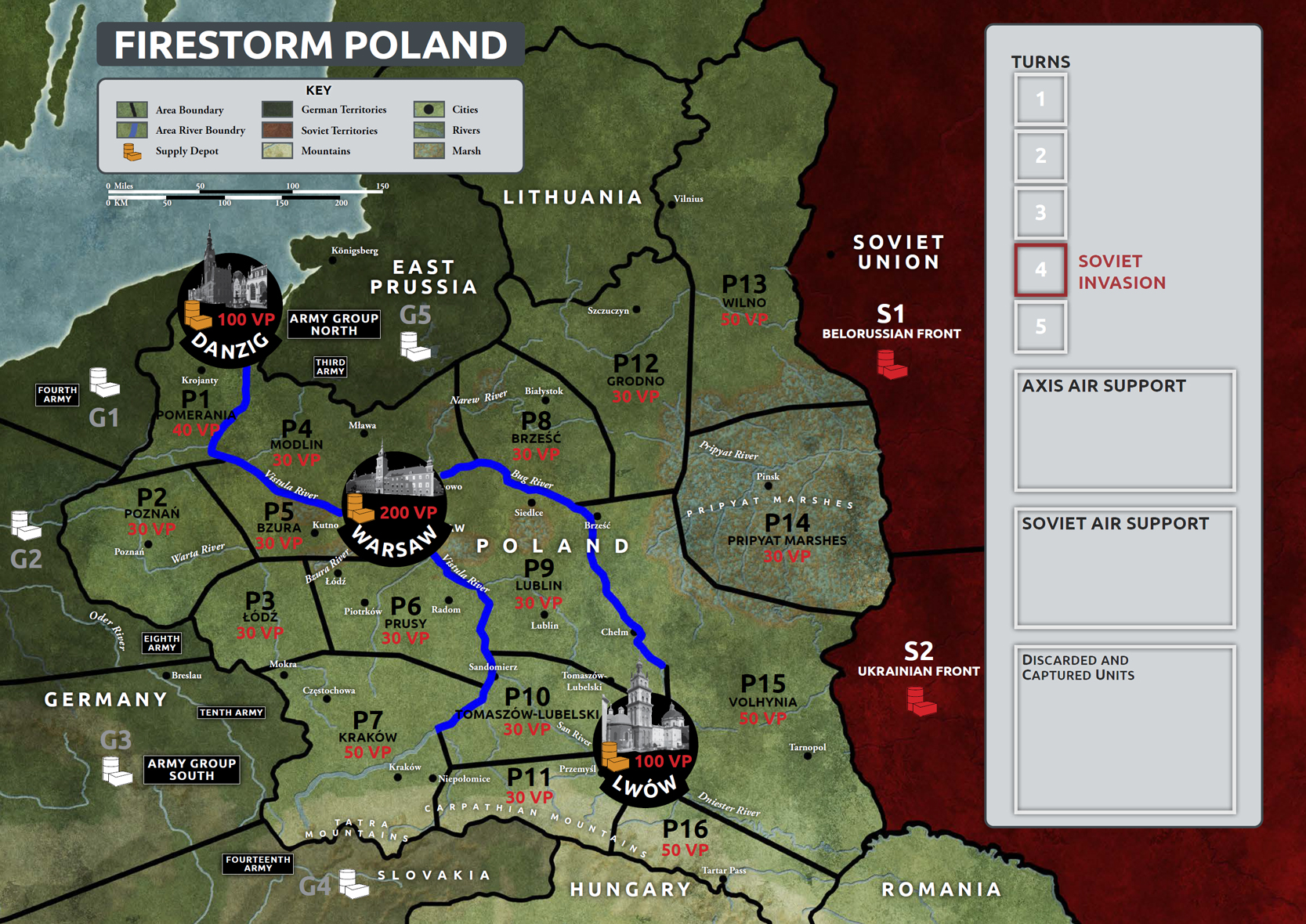
Firestorm Poland 1939 follows the established Firestorm formula, linking normal Flames of War games through territory control, campaign movement, and strategic consequences. However, designer Jökull Gislason stresses that this is essentially a historical narrative, since a Polish campaign victory should be extremely difficult. The system can run as a traditional ongoing campaign or as a condensed weekend event, much like Firestorm France 1940. Historically, the campaign begins with Germany invading Poland on September 1, 1939, following years of territorial expansion and failed diplomatic containment. Poland had regained independence after World War I and later fought the Polish-Soviet War to secure its borders.
Meanwhile, tensions with Germany increasingly centered on Danzig and the Polish Corridor. The situation changed dramatically when Germany and the Soviet Union signed the Molotov-Ribbentrop Pact, secretly dividing Eastern Europe into spheres of influence. Germany’s Fall Weiss plan then attacked Poland from three directions, aiming to encircle Polish armies and converge on Warsaw. Although often associated with blitzkrieg, the campaign relied heavily on numerical, technological, and air superiority. Poland’s Plan West instead defended exposed border regions, partly because leaders feared abandoning territory Germany might permanently annex. As the situation deteriorated, Polish forces withdrew toward the Romanian Bridgehead.
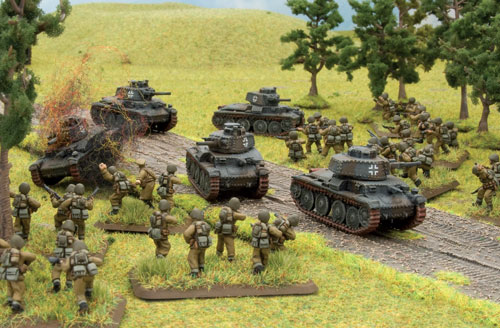
However, Soviet forces invaded from the east on September 17 after concluding fighting with Japan at Khalkhin Gol. German and Soviet troops eventually met, while Britain and France provided little practical relief to Poland despite declaring war. Organized resistance ended after the Battle of Kock, although Poland never formally surrendered. Many troops escaped through Romania and later continued fighting with Allied forces. Germany also absorbed important battlefield lessons before attacking France six months later.
Final Thoughts
Overall, Firestorm Poland 1939 looks strongest as a narrative experience rather than a balanced competitive campaign. That imbalance is really the point. For historical gamers, the challenge comes from seeing how long Poland can resist and whether battlefield results can bend history.