
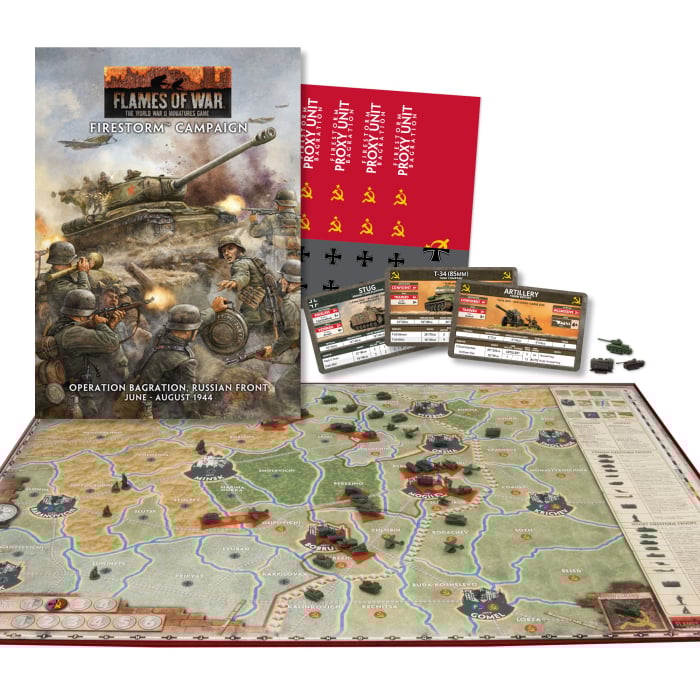
As you may have seen, my local group recently finished a six-month campaign involving roughly 60 games.
Overall, it was a great experience, but it also became a much bigger commitment than expected. We learned plenty about keeping players interested, managing battles, and avoiding burnout. So, what lessons can other groups take from our campaign?
You can catch up on the previous campaign articles here. We used the Flames of War Bagration campaign rules with a few small house rules. However, I think most of these lessons apply to any long historical campaign.
1. Know When to Tap Out
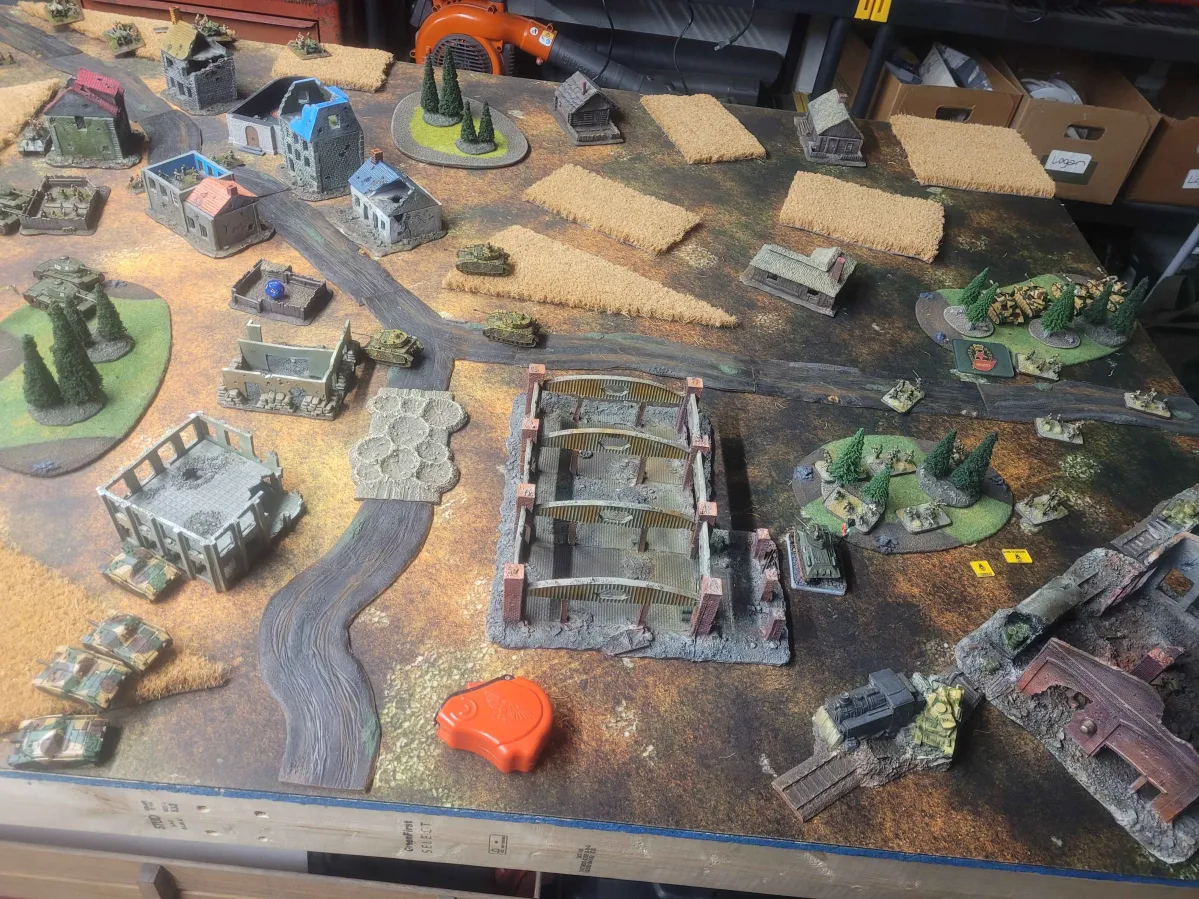
The first thing that jumps out about this campaign is that it was simply too much. Playing so many games became difficult, especially with only five or six regular players. We originally kept everyone tied to their own team and army, but that quickly became impractical. During the first round, we only had two Allied players, which limited matchups and slowed everything down.
Firestorm campaigns include a system for resolving battles with dice rolls, and we should have used it more often. Instead, we tried to play nearly every battle on the table. That sounds great at first, but most people only have time for one or two games each week. In future campaigns, our rounds will last no longer than two or three weeks. Any unfinished battles will then be resolved through the campaign system. The campaign needs to keep moving, even when every battle cannot be played.
2. Know How to Shake Things Up
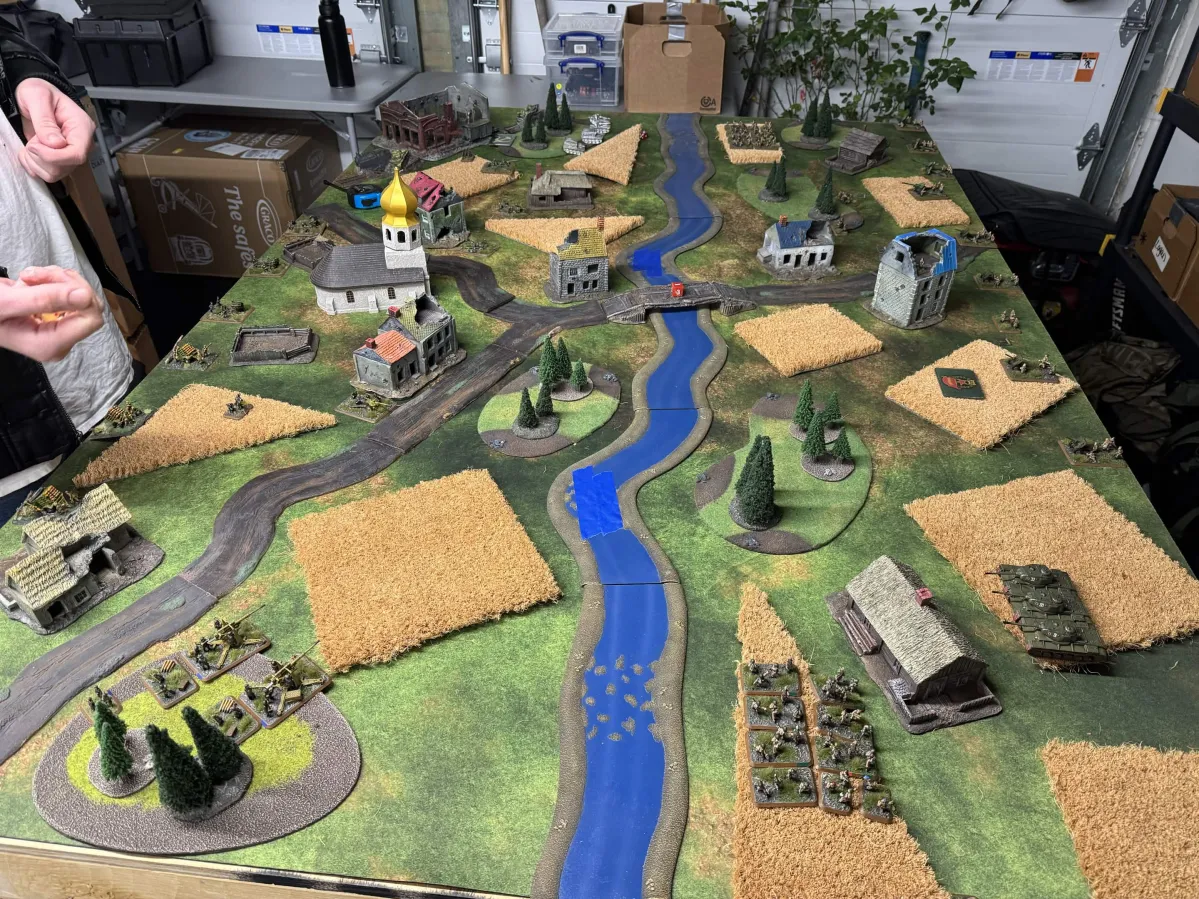
Another major problem with long campaigns is keeping the individual battles interesting. Some systems use theatres, terrain, or strategic actions to determine missions. That can work well, but it can also trap players into fighting the same type of battle repeatedly.
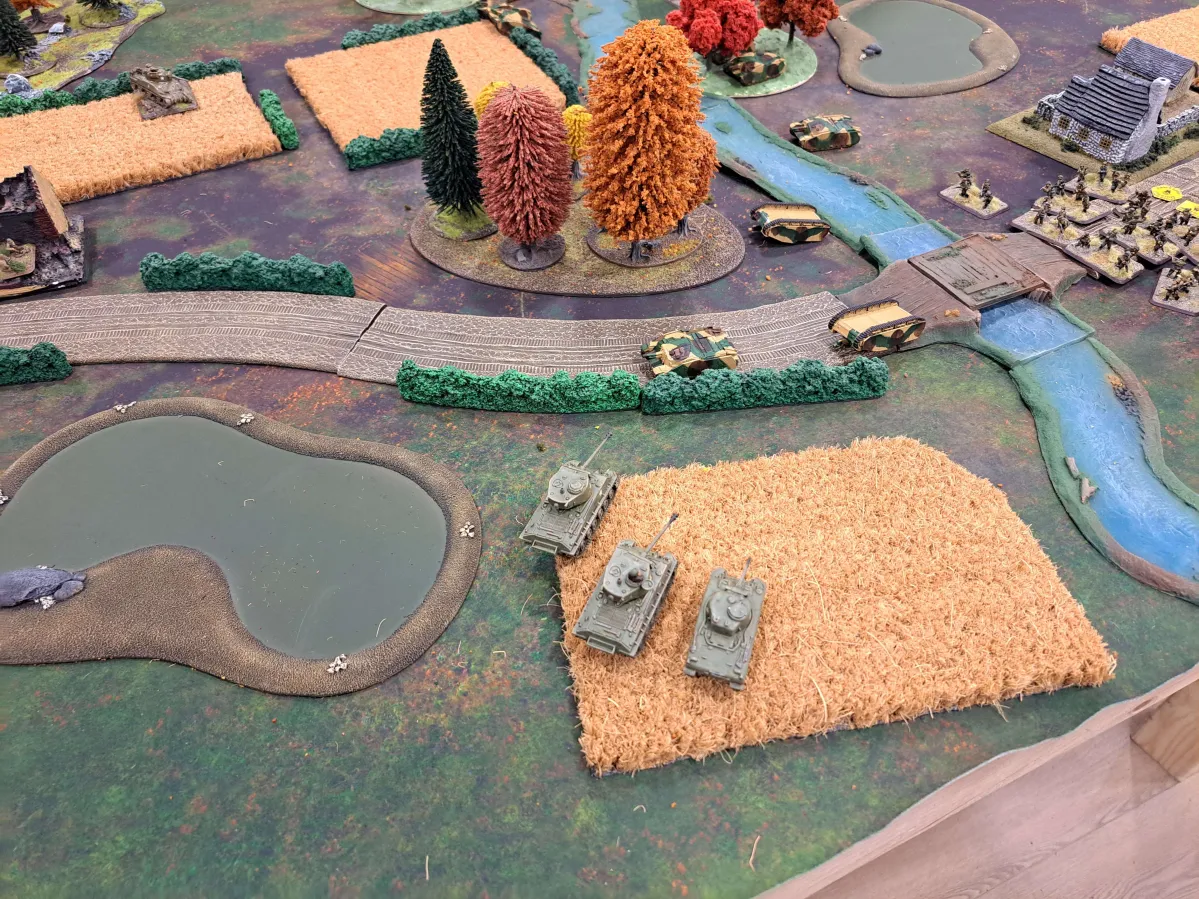
Our Bagration campaign struggled badly with this. Around 40 to 50 percent of the battles involved impassable rivers. Rivers were important to the real campaign, but we became sick of them fairly quickly. We encountered something similar in the 500 Worlds campaign, where certain actions repeatedly produced the same missions.
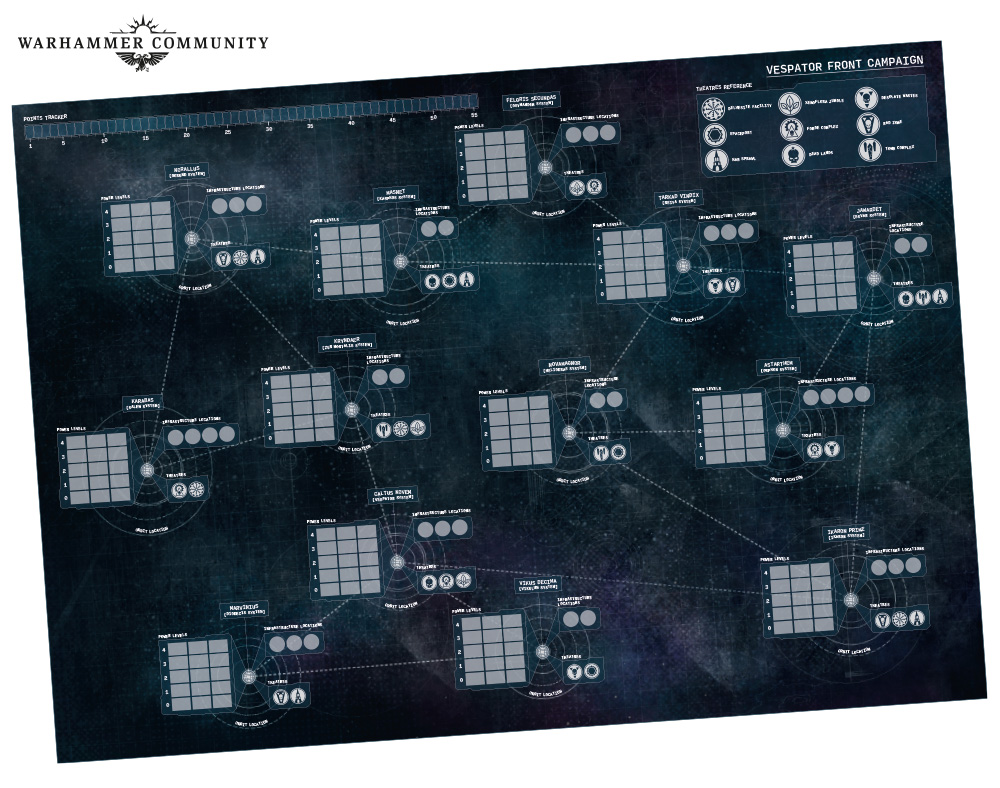
In the future, we plan to use the Flames of War mission pack with Attack, Maneuver, and Defend stances. For the 500 Worlds campaign I would also treat assigned missions as suggestions rather than strict requirements. Let the attacker choose between several missions or roll with a reroll. Variety is more important than following every campaign rule exactly. Dispositions remain an issue for longer campaigns that I haven’t fully solved yet.
3. Implement Proper Breaks
Campaigns of this length need real breaks between them. I would recommend waiting at least two or three months before launching another major campaign. Players need time to try other games, paint something different, or simply relax.
I know I sound like a broken record, but I have seen groups begin another campaign immediately after one ends. That is a good way to burn out the most reliable players. People may still show up, but that does not mean they are excited about another six-month commitment.
Short campaigns, mega battles, and unusual scenarios work well between larger events. These games can also mix up the teams and let people use neglected armies. That variety helps keep the group interested without immediately demanding another major commitment.
4. Plan for Uneven Attendance
Any long campaign should assume that attendance will be inconsistent. Over six months, people will miss games because of work, family, illness, or vacations. If the campaign requires one specific player for every important battle, it will eventually grind to a halt.
Allow teammates to control each other’s armies when needed. Shared armies, substitute players, and flexible matchups keep things moving. Players could also maintain more than one force, especially when another army is needed to create a reasonable historical matchup.
The campaign should also avoid heavily punishing people who miss a few weeks. Catch-up mechanics, replacement forces, or temporary commands can help returning players stay involved. The goal should be keeping the group together, not rewarding whoever has the most free time.
5. Keep the Administration Simple

Long campaigns can easily collapse under too much bookkeeping. Maps, movements, battle results, casualties, reinforcements, and victory points all require tracking. Complicated rules may sound exciting during planning, but they create much more work once the campaign begins.
Keep all campaign information in one easy-to-find place. A shared spreadsheet, online document, or group page should include the map, deadlines, results, and current rules. Players should also submit results in a simple and consistent format.
Do not make one person responsible for every update. Let team captains or trusted players help track results and movements. House rules are sometimes necessary, but only add them when they solve a real problem. The administration should support the games, not become the campaign itself.
Final Thoughts
Our Bagration campaign was a success, but it also showed how difficult long historical campaigns can become. Sixty games created a great shared story, yet the schedule pushed several players close to burnout.
The biggest lesson we learned is that we need to remain flexible. Campaigns need firm deadlines, varied missions, planned breaks, substitute players, and simple bookkeeping. Historical accuracy matters, but it should never come at the expense of the group’s enjoyment.
A campaign does not need to simulate every battle or track every casualty. It only needs to give players a reason to care about their games and return for the next round.


I think a lot of our river fatigue came from just playing Lorraine where we also had rivers on almost every game. So a lack of map variety definitely hurt. It is part of why I loved the city fighting missions.