

I had high hopes for the 500 Worlds campaign system when it first came out, but does it actually live up to the hype?
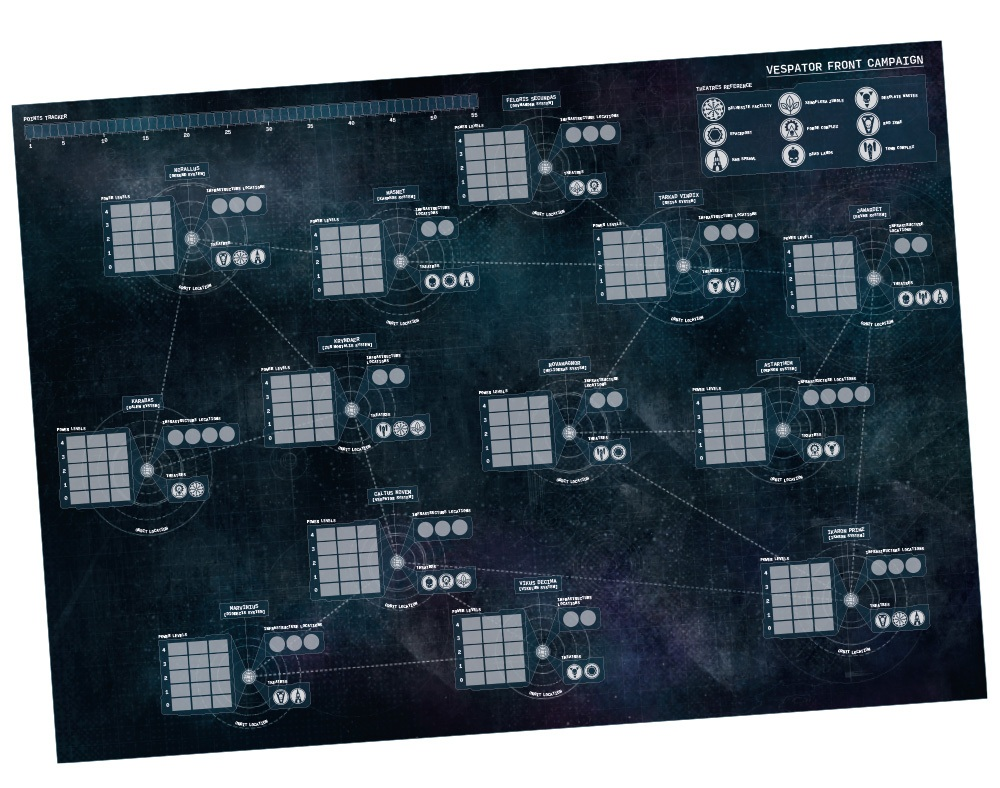
My group started with five players divided between two alliances. We followed the standard setup rules and used the included campaign map. Alongside the normal campaign rules, we added Battlefleet Gothic and a few small Crusade updates.
The 500 Worlds Good
- The system is flexible and highly moddable.
- The rules feel tight and well thought out.
- The catch-up mechanics add variety and shift the campaign’s focus.
- The missions offer a fun change of pace.
The 500 Worlds Bad
- The missions can become repetitive.
- The starting map feels a little basic.
- The system needs custom rules to truly shine.
There is a lot to like about this system. It gives players a fresh way to structure a campaign and organize their narrative games. Above all, I love its flexibility.
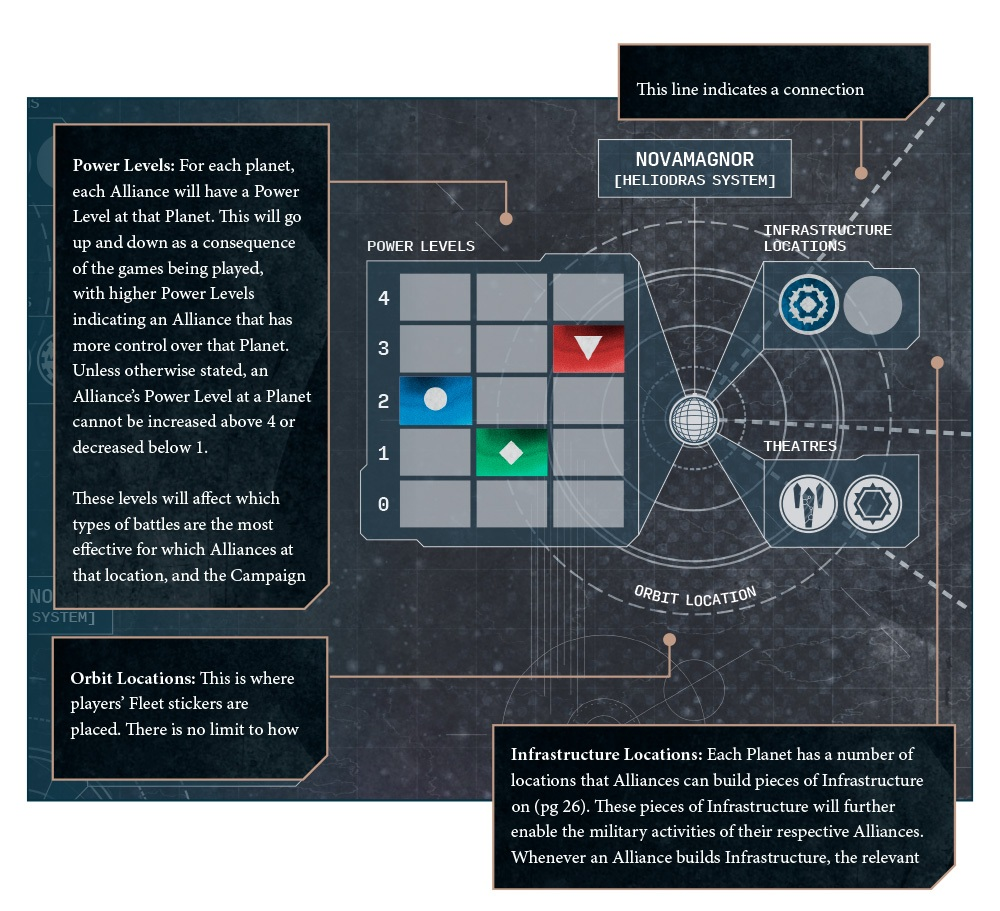
We easily worked Crusade bonuses into the missions. More importantly, we found a straightforward way to bring Battlefleet Gothic players into the campaign. I am already thinking about using the system for a Horus Heresy campaign involving Adeptus Titanicus or Legions Imperialis.
The campaign events also add plenty of character. They can suddenly shift everyone’s attention toward previously unimportant planets. As a result, players often discover new opportunities and unexpected objectives. The system also gives struggling teams several ways to catch up. That matters because one alliance can easily fall behind during a team campaign. Without catch-up mechanics, those players may lose interest long before the campaign ends.
Finally, the system does a great job of creating a story. That is exactly what I want from a narrative campaign. Battles feel connected, planets gain importance, and the campaign develops its own history. However, some problems become more obvious as the campaign continues. Certain actions eventually prove much stronger than others. Once players recognize those advantages, they may choose the same missions repeatedly.
In our campaign, we addressed this by letting the attacker choose from either the Pariah Nexus missions or the campaign missions. That simple change helped considerably and gave players more meaningful choices. As I said earlier, the overall system works well. The map-based mechanics feel particularly strong. However, the included Warhammer 40,000 missions do not always hold up as well over a long campaign.
The real issue comes from repetition. Without something to shake up the missions, players can lose interest quickly. I recommend adding new missions, rotating mission pools, or incorporating other game systems.
Adapting the 500 Worlds System for 11th Edition
The big question may be how well the system works with 11th edition. The missions create the biggest challenge because they do not include terrain layouts. You will need to create your own layouts or borrow suitable ones from other missions. Eleventh edition has adopted a much more fixed approach to missions. Because of that, you could replace the standard missions with the Force Disposition rules instead.
However, stagnant gameplay remains the elephant in the room. The war zones in the book offer one possible solution. They add some wild twists and can make otherwise familiar battles feel different. Still, smaller groups will eventually face the same opponents repeatedly. That can become especially noticeable when players also repeat the same missions and battlefield layouts.
The older narrative missions from 10th edition may still work well. You could also introduce a simple rule preventing players from choosing the same mission twice in a row. Either option would add some much-needed variety.
Conclusion
I can wholeheartedly recommend the 500 Worlds campaign system to any game master looking to build a fun, linked campaign. It offers a strong framework and creates a surprisingly immersive experience. However, like the rest of 11th edition, the campaign can bog down when players grow tired of repeated matchups and missions. You need to actively introduce variety to keep the campaign moving. Fortunately, the system makes that easy. You can add Kill Team, Boarding Actions, Battlefleet Gothic, or other game systems. You can also introduce new missions, custom events, or homemade campaign rules. It takes some creativity and good old-fashioned homebrewing. However, the system gives you an excellent foundation for building something memorable.