
The Children of the Watch preview gives Star Wars: Legion’s Mandalorian Battle Force a very different flavor.
Instead of copying Clan Kryze’s coordinated token economy, this clan leans into secrecy, hierarchy, and foundling culture. That is a smart direction, because these warriors should feel intense and tradition-bound. For players, the result looks like an elite army that rewards careful orders and tight positioning. This is a summary of the Star Wars Legion transmission found This is a summary of the Star Wars Legion transmission found here.
This Is the Way Turns Mandalorian Leadership Into Action
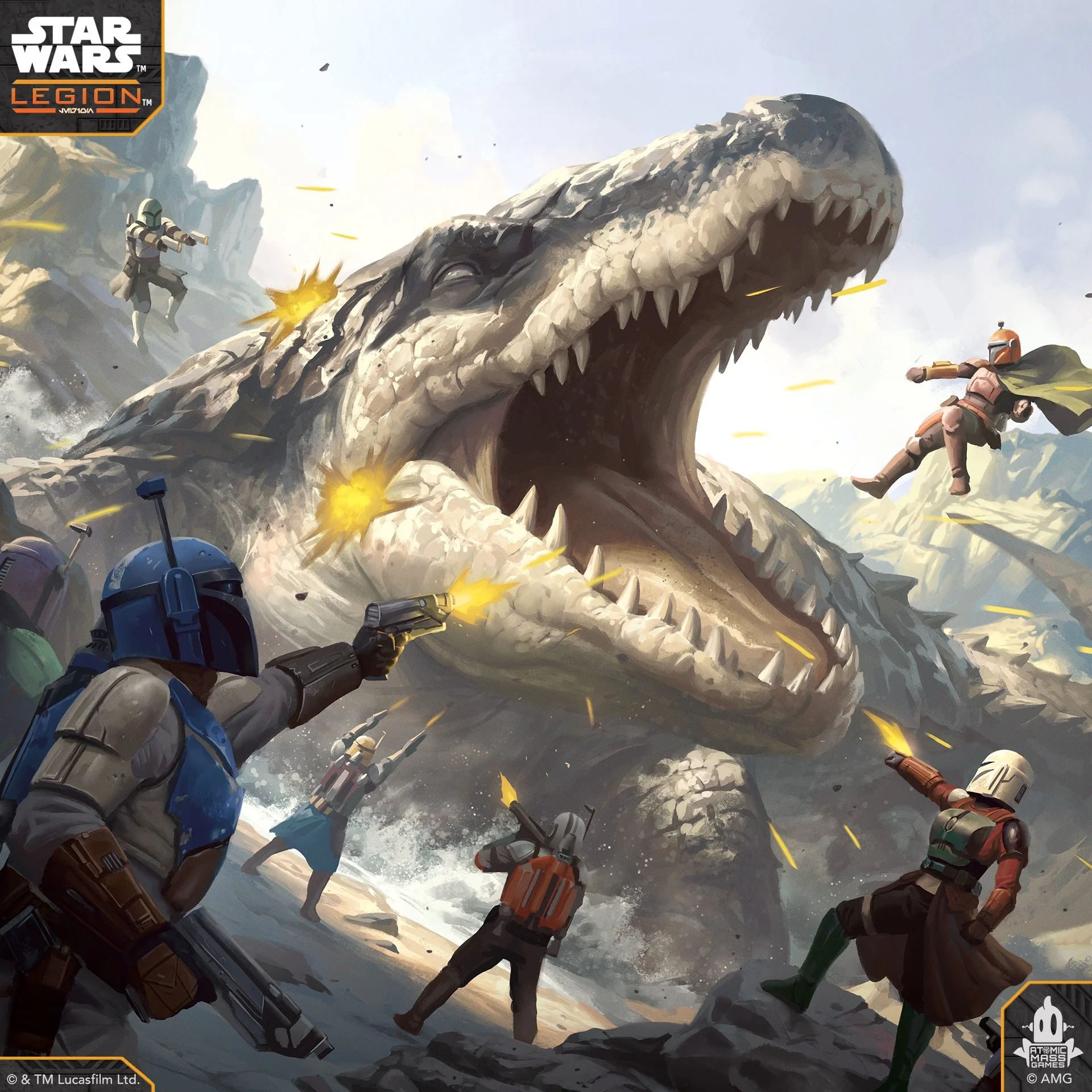
The core design hook is the new This is the Way keyword, which triggers when a unit receives an order. When that happens, nearby allied Children of the Watch units can perform the listed action as a free action. In practice, good order control becomes the army’s engine. You are not just handing out tokens or activating units. Instead, you are building chains of discipline, where leaders demonstrate the Way and nearby warriors follow. That fits the faction beautifully, since the Children of the Watch define themselves through obedience, secrecy, and preserving the old Mandalorian Creed. However, it also creates real table tension. You need units within range 2 to gain value, yet clustering too tightly can invite blast weapons and bad trades. Because of that, the clan should reward players who can stage attacks without becoming one convenient target.

The design team also makes leadership matter by giving characters stronger versions of This is the Way. Meanwhile, Mandalorian Initiates do not have the keyword, since they have not fully learned the Way. The army is not just elite veterans in matching armor. It is a covert trying to survive by training the next generation. Since the Children of the Watch lack a bespoke Special Forces unit, their Affiliation rule lets armies led only by their Commanders and Operatives include any number of Mandalorian Initiates. Also, those Initiates reduce unique Personnel upgrade costs by five points, which encourages them to fight alongside iconic mentors.
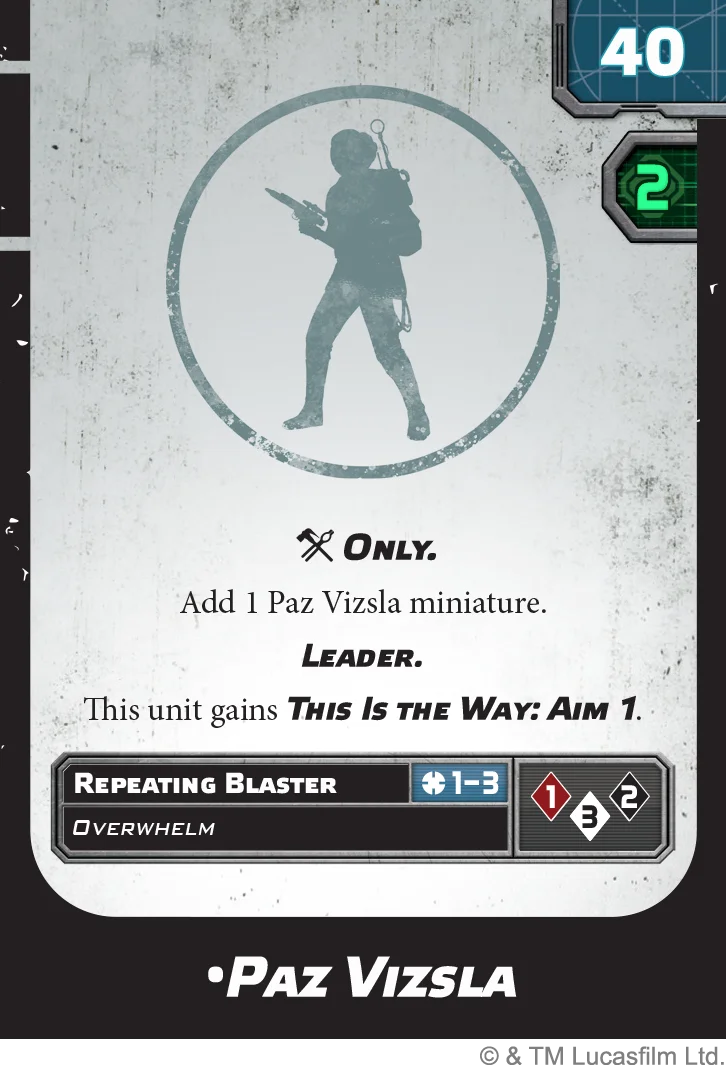
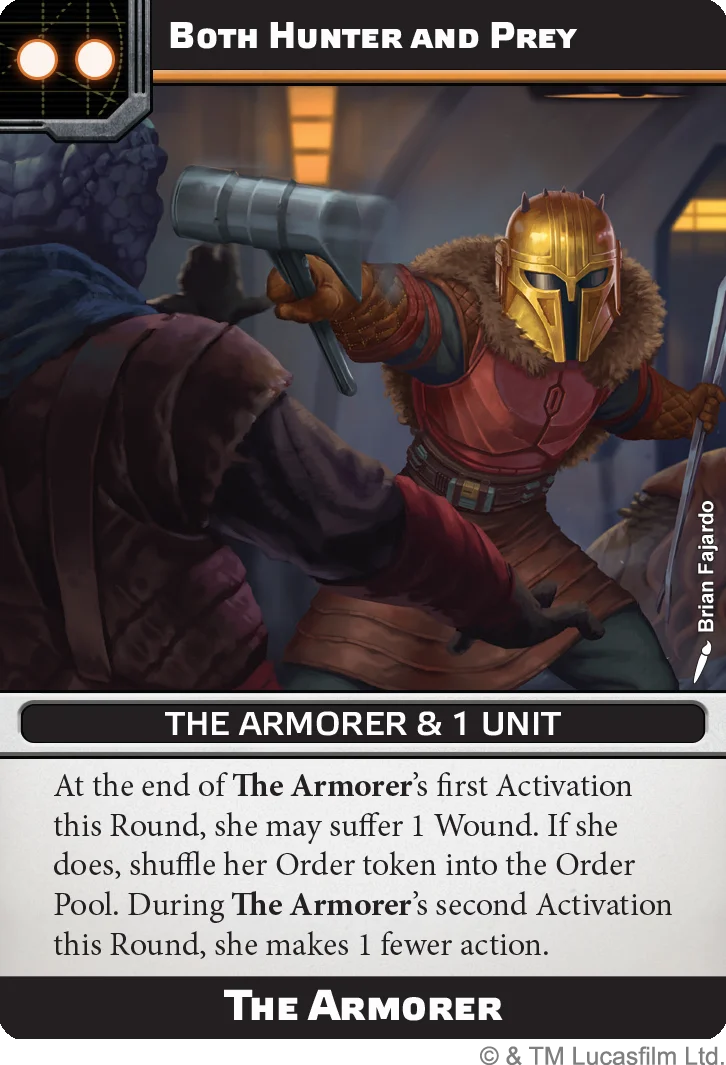
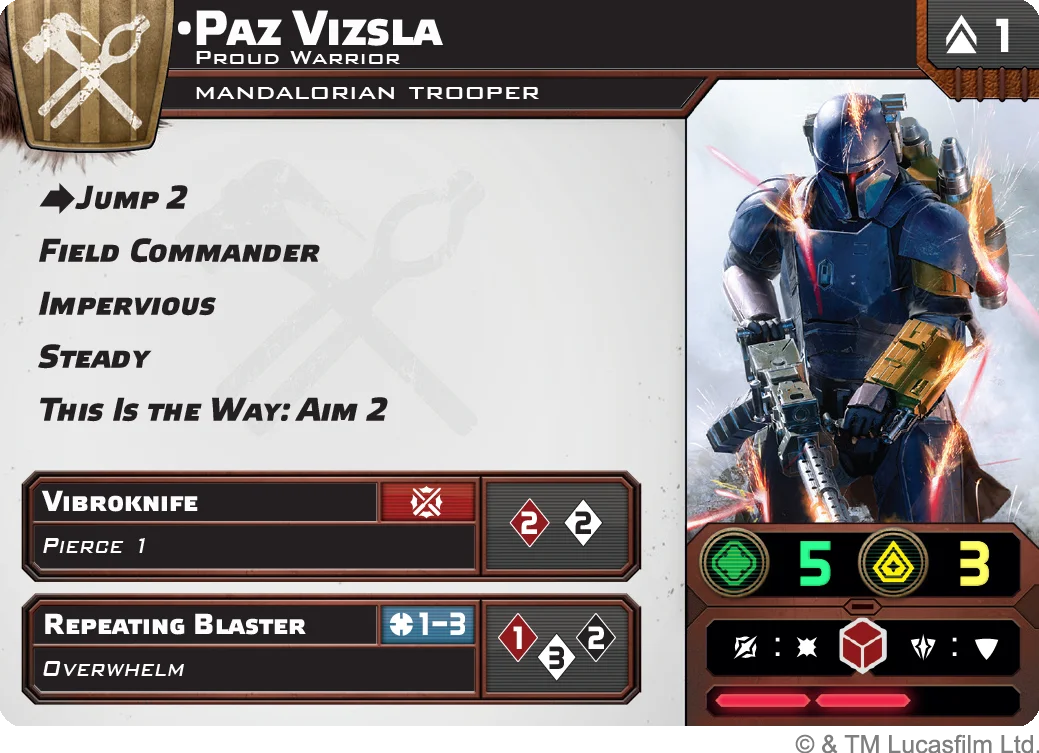
The character upgrades are where the theme really clicks. Paz Vizsla adds a heavy weapon and This is the Way: Aim 2, giving the unit serious ranged threat. The Armorer adds melee punch, improves Courage, and brings Reliable 2, making her unit tougher.
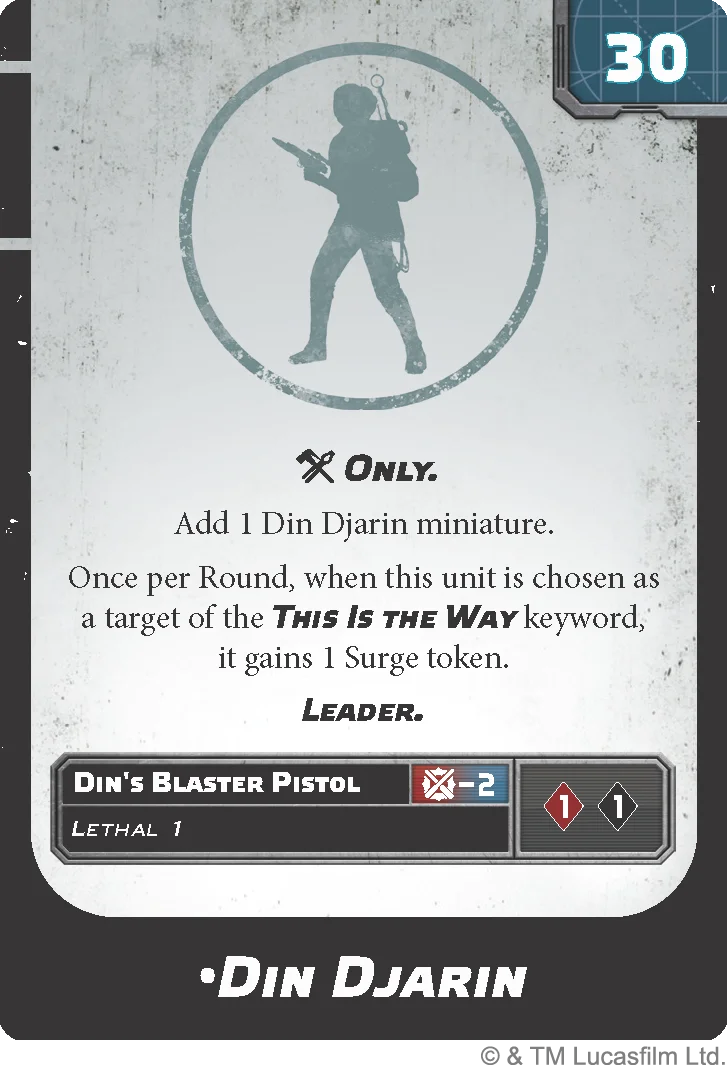
Din Djarin grants bonus Surge tokens when the unit is targeted by This is the Way, matching his loyal Creed identity.
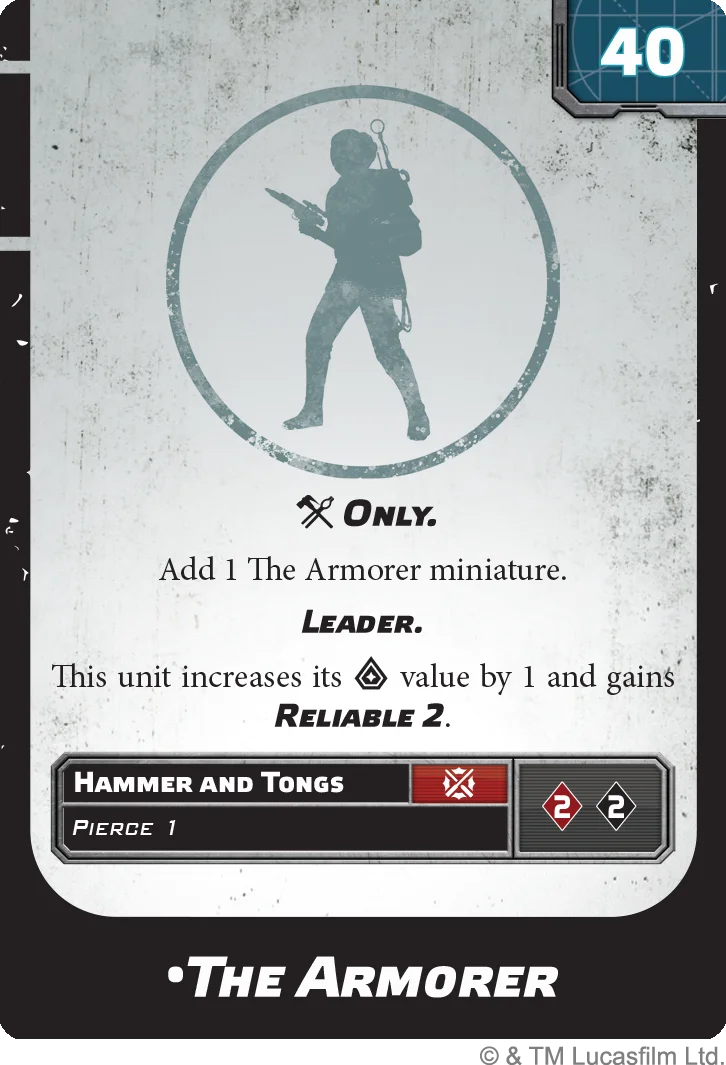
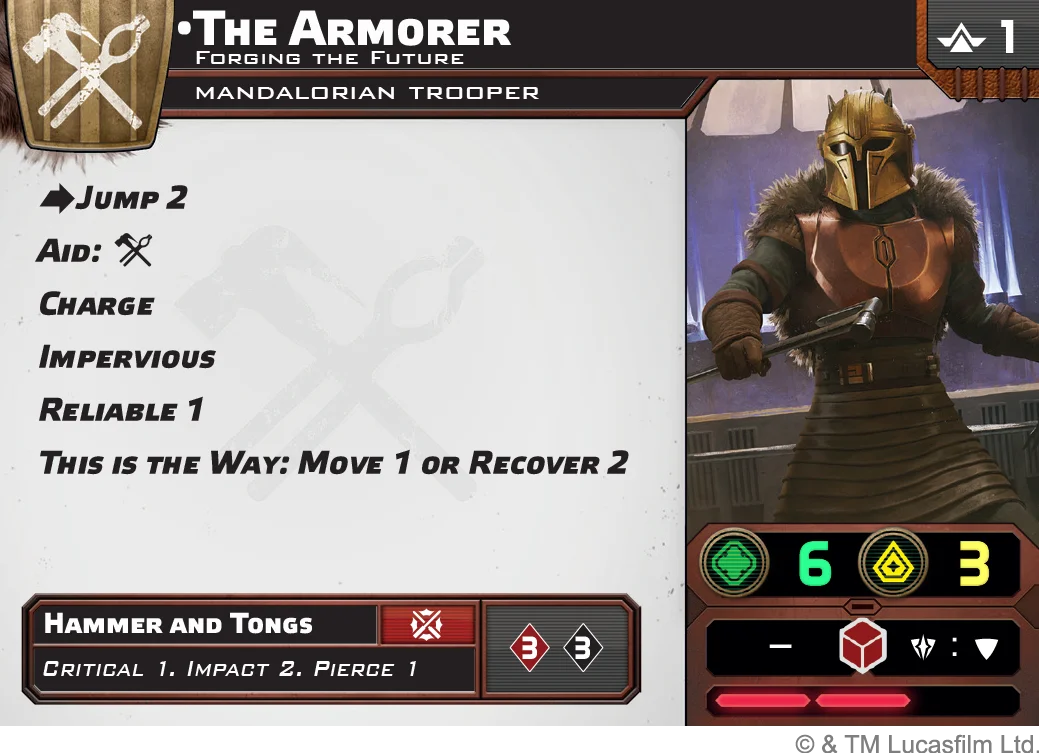
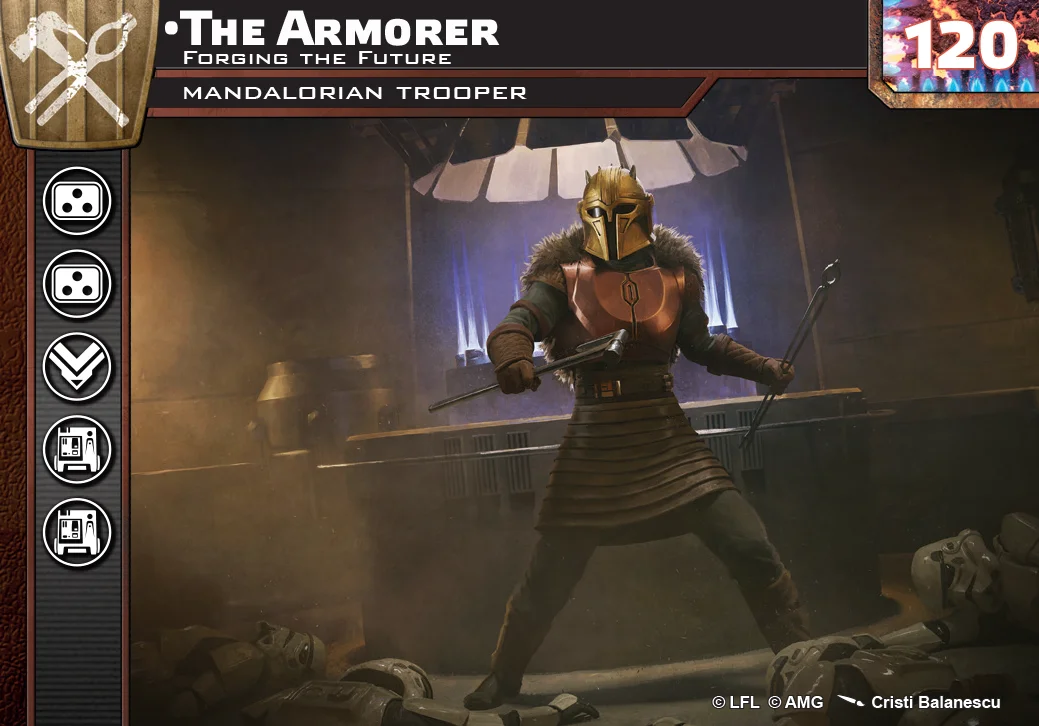
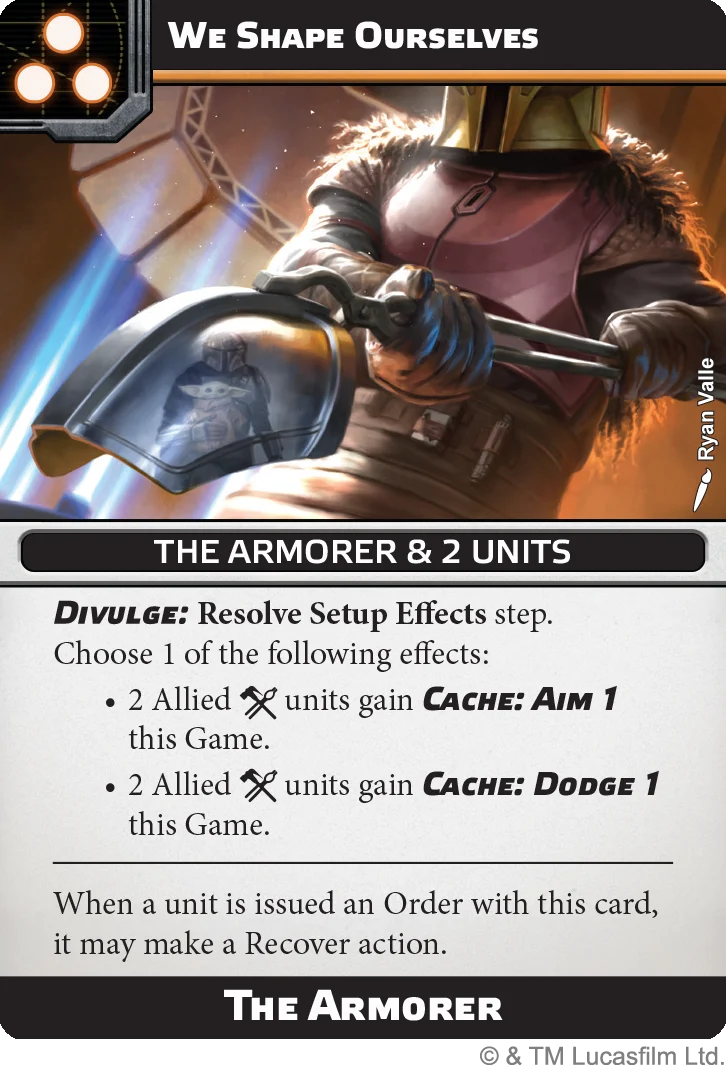
As a leader, the Armorer can move one unit or let two units Recover through her stronger version of the keyword. She also uses Aid to pass Surge and green tokens to nearby units.
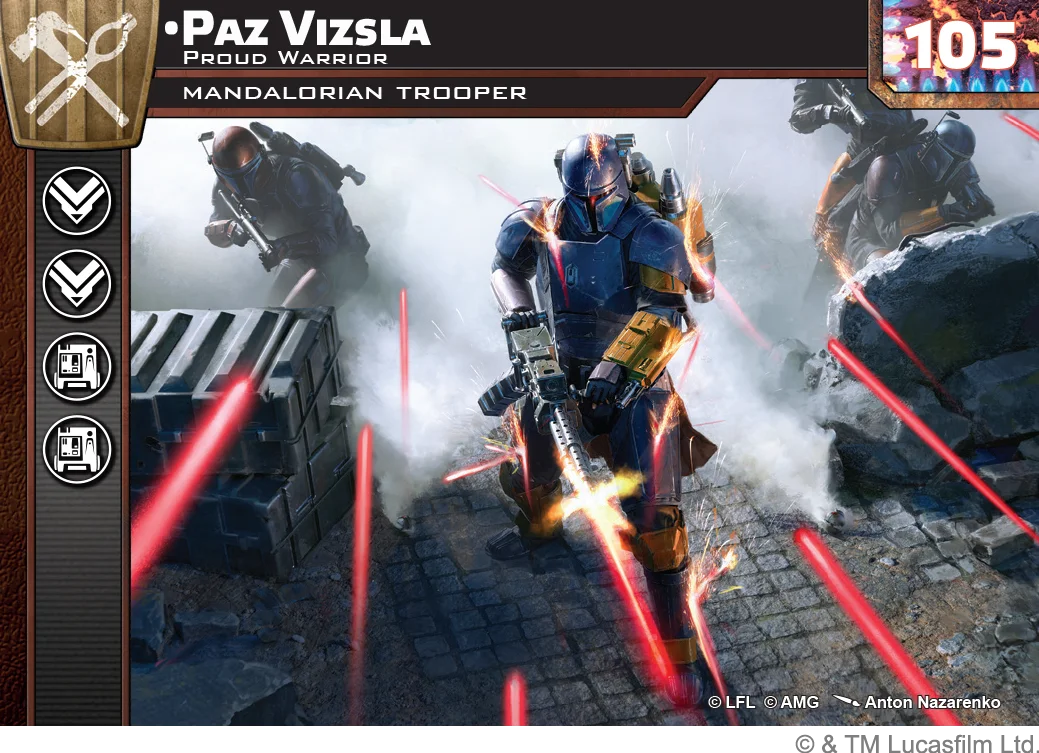
Meanwhile, Paz becomes the walking wall of violence players expect, using Steady, a Vibroknife, and his Repeating Blaster to punish enemies.
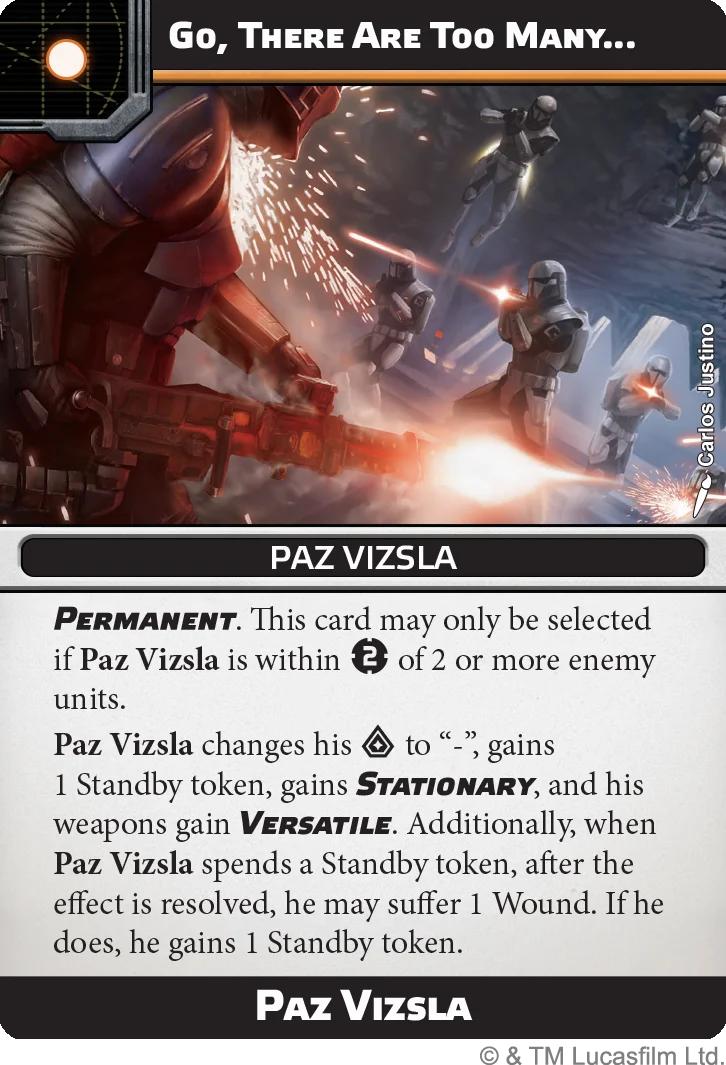
His command card, Go, There Are Too Many…, recreates his last stand through Stationary, Standby, and Versatile interactions.
Summary and Final Thoughts
Overall, the Children of the Watch look like a flavorful and demanding Mandalorian army. They will not play like a simple stat-check elite force. Instead, they ask players to plan orders, maintain spacing, and use leaders properly. Also, the emphasis on Initiates gives the army a strong narrative hook. If you enjoy armies where mechanics reinforce culture, this preview lands well.