
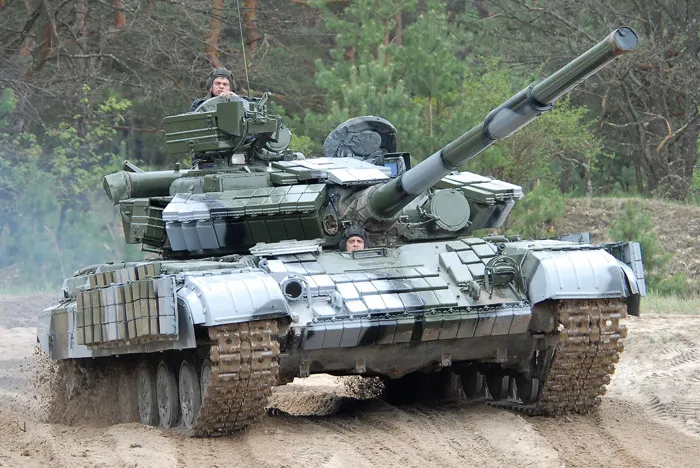
The T-64BV is the kind of update that makes modern armor gaming click. It is not just a profile bump or shiny new tank card.
Instead, it reflects Soviet design priorities, battlefield lessons, and Cold War pressure. For Team Yankee players, that means a harder spearhead with real bite. Better yet, it still feels like the aggressive Soviet tool we already know. This is a summary of the Battlefront Community article you can find here.
The T-64 Legacy Becomes a Front-Line Threat
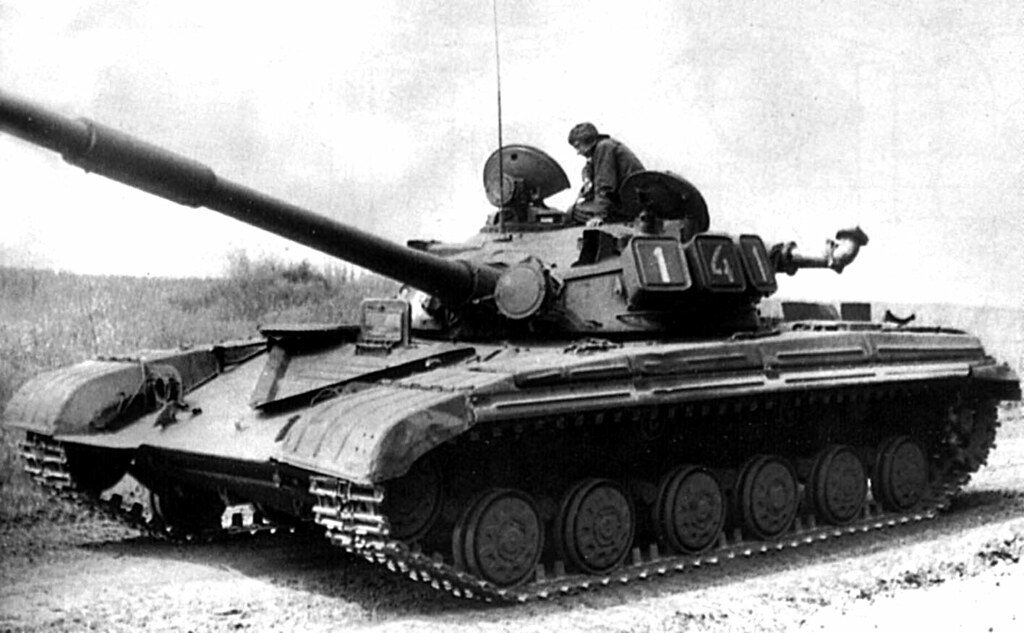
The T-64 began as one of the Red Army’s prestige machines. Manufactured in Kharkiv, it entered service during the 1960s and brought major Soviet innovations. Most importantly, it used an autoloader, which removed the need for a fourth crewman. Because of that, designers could shrink the tank and give it a lower silhouette. That matters on any table, since smaller armor always feels harder to catch. It also carried the 125mm 2A6 smoothbore gun, which gave it serious punch. The gun could fire HE, HE-frag, APFSDS, and Kobra anti-tank guided missiles. NATO knew those missiles as AT-8 Songster, which sounds suitably unpleasant. Unlike the T-55 or T-72, the T-64 was not widely exported. Instead, it stayed with Soviet formations, showing how highly Moscow rated the design.
Early deployment focused on western military districts, especially Soviet forces stationed in Germany. The 14th Guards Motor Rifle Division was among the first GSFG units to receive it. Since that formation faced NORTHAG and LANDJUT, the tank has front-line Cold War flavor.
From T-64A to the BV Upgrade
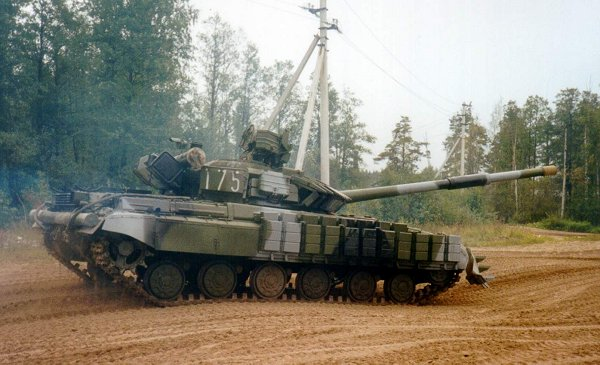
The variant history matters because the BV is not a random upgrade. The T-64A was the main production version with the 125mm gun and 6ETs10 autoloader. As a result, it carried 28 rounds and could fire up to eight per minute. Its stabilized gun, infrared searchlight, night sight, and NBC protection made it flexible. Then, in 1976, the T-64B added a better fire control system. It also brought the 2A46-2 gun, upgraded stabilizer, ballistic calculator, laser rangefinder, and crosswind sensor. Later improvements added the 2A46M1 cannon and Tucha-1 smoke launchers. Finally, the 1985 T-64BV responded to battlefield lessons from Afghanistan. It added a thicker glacis plate and Kontakt-1 explosive reactive armor. That ERA targeted ATGMs and HEAT weapons, which is exactly what NATO loves throwing around.
What the T-64BV Does on the Table
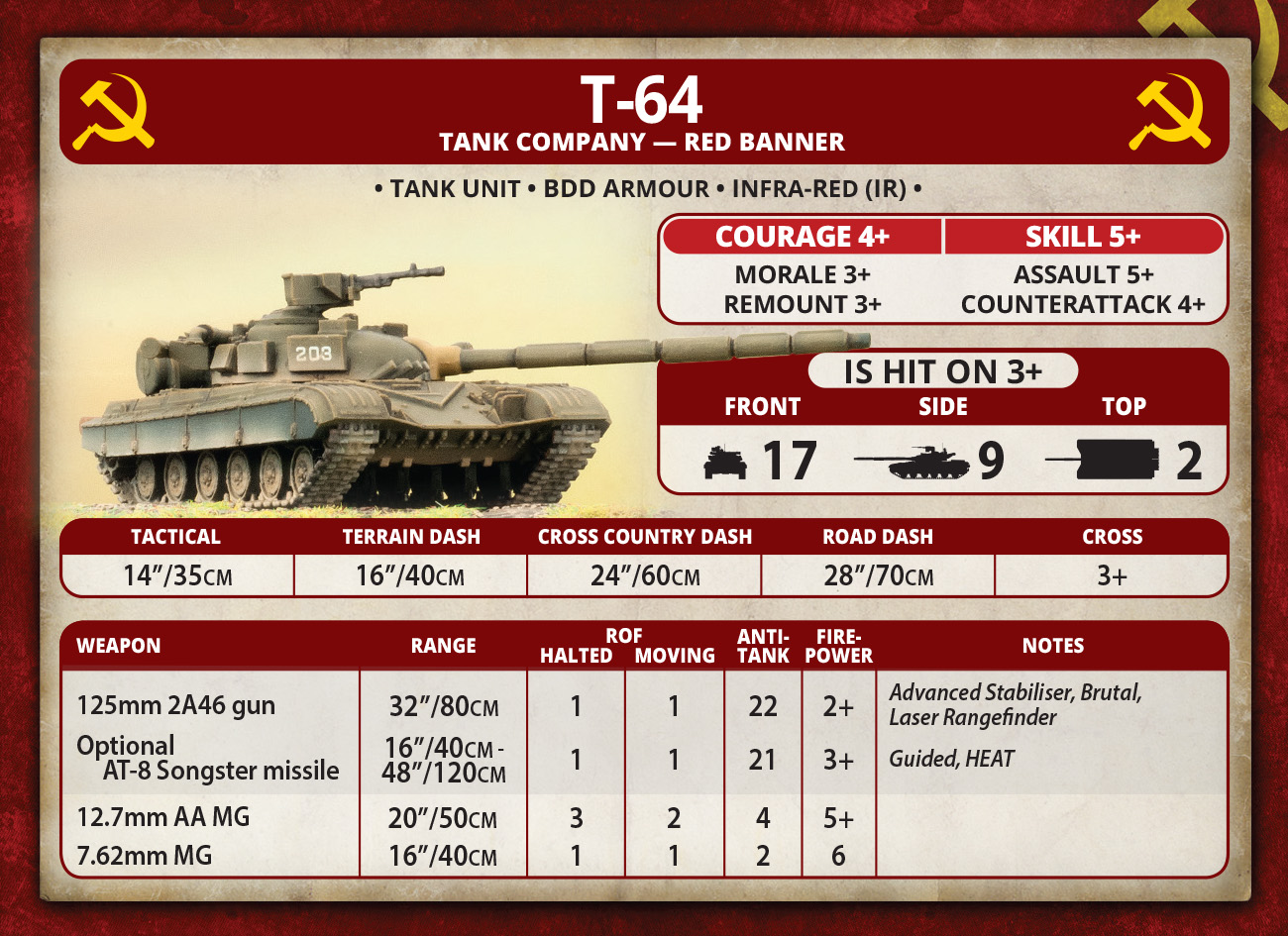
In game terms, the T-64BV improves the T-64B where it counts. The biggest change is replacing BDD armor with ERA armor. Because of that, side armor against HEAT rises from 13 to 16. However, ERA removes transport ability, since infantry dislike riding on explosive bricks. The tank also moves from front armor 17 to 18 and side armor 9 to 10. That sounds small, but it changes real matchups.
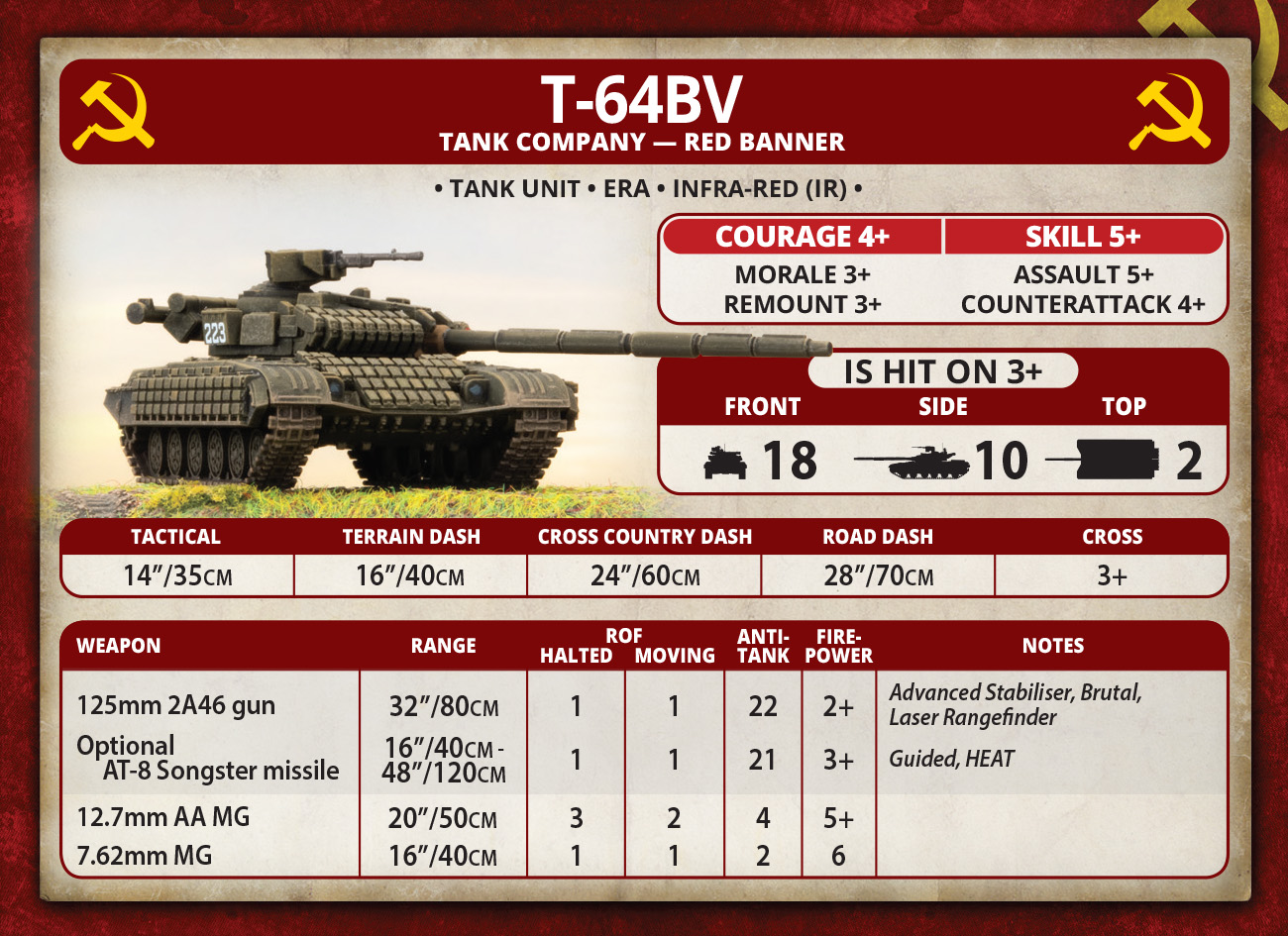
Now M47 Dragon missiles and Leopard 1 105mm guns become easier to ignore frontally. Importantly, the tank keeps its tactical speed, dash values, and 3+ cross check. So, you pay only three extra points, regardless of company size. That is a clean bargain for Soviet players who already want pressure. The suggested force uses eleven T-64BVs as the armored core. Four Songster missile tanks threaten harder targets at longer range. Meanwhile, a BMP-2 company can assault objectives or dig in defensively. The BMPs also bring Spandrel missiles, giving the infantry package extra anti-tank bite. BRDMs provide Spearhead, while Carnations and an OP deliver smoke and bombardments. Also, Shilkas and Gaskins protect those tanks from enemy aircraft. Therefore, the list has a clear plan: move fast, cover advances, and overload NATO responses.
Summary and Final Thoughts
Overall, the T-64BV looks like an easy upgrade for Soviet armored players. It keeps the chassis fast, affordable, and dangerous while making it tougher. Also, the historical development gives the tank flavor beyond the stat line. On the table, it should reward aggressive commanders who still respect NATO firepower.