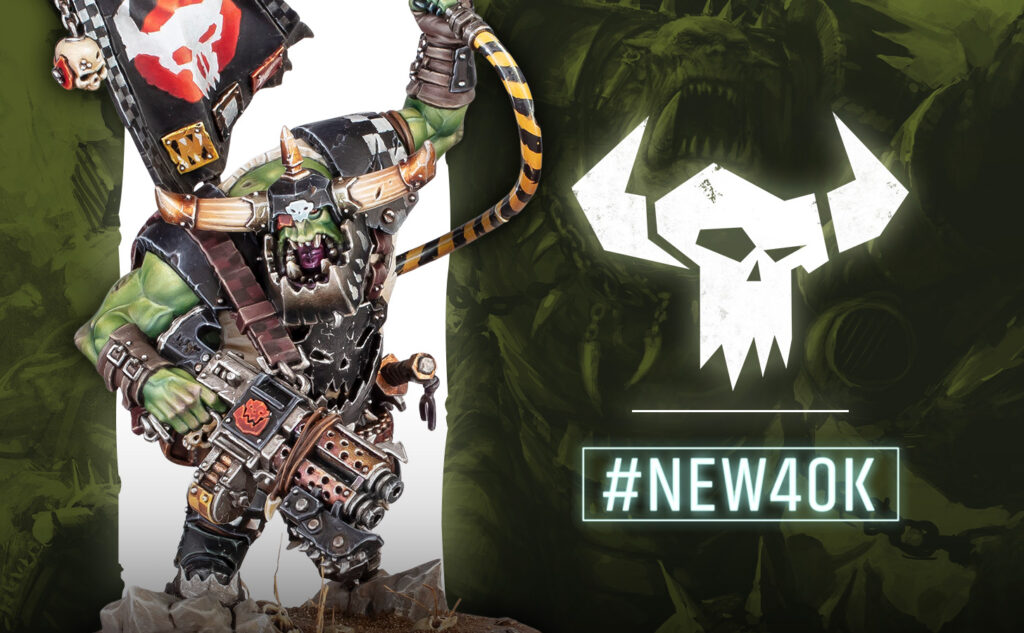
Warhammer 40,000 Ork and Red Terror news is dropping at an insane rate today!
First, Orks are setting the tone for the new edition. Meanwhile, Kill Team is leaning into narrative monster hunts with real confidence. Then, the Red Terror is getting proper 40K rules again, while Black Library adds another Armageddon front. Taken together, these updates feel loud, nasty, and very on brand for this launch.
Ork armies now look faster, sneakier, and much louder on the table
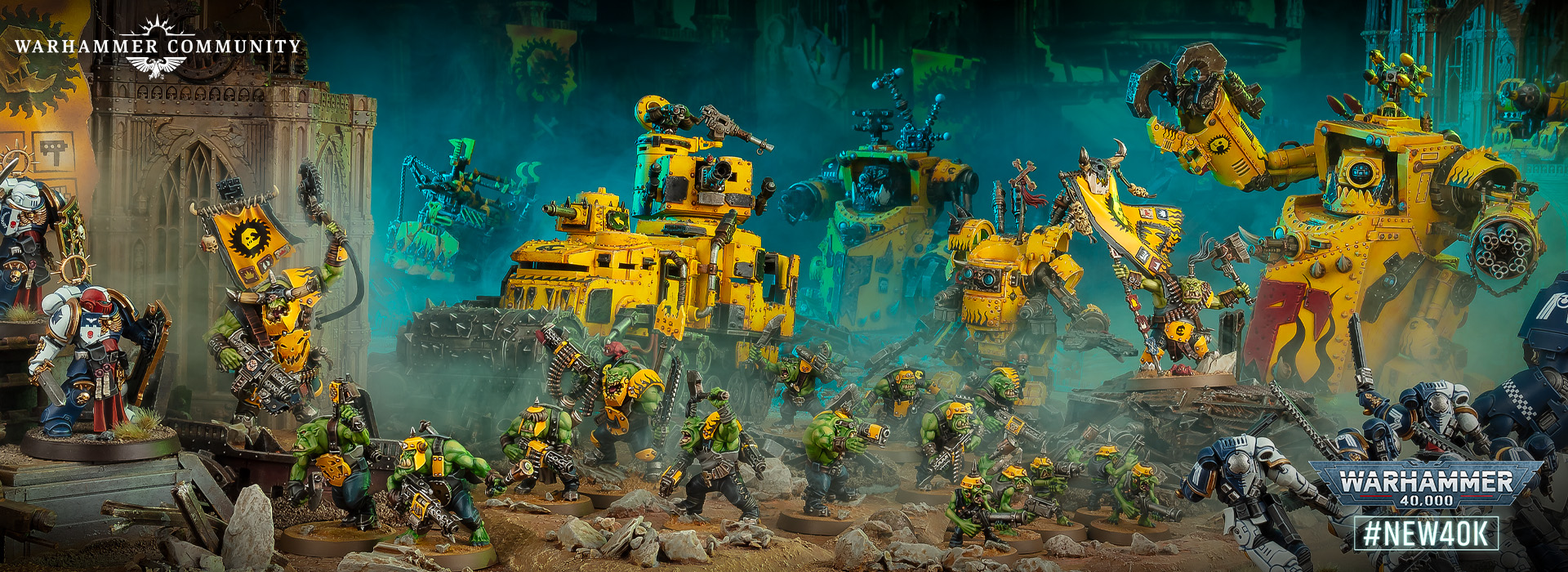
The Ork faction focus is the big one here, because it finally shows how the new detachment approach will feel in practice. Instead of locking into one detachment, armies in the new edition will often be able to choose several, and Games Workshop says 70 new or updated detachments are arriving at launch.
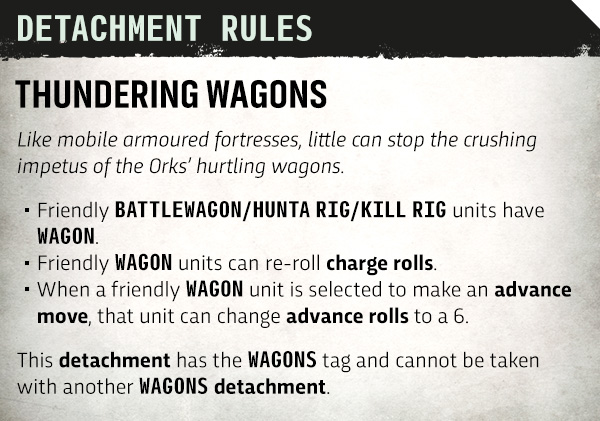
For Orks, that means three very different looks. First, Rollin’ Deff is pure armoured brutality. Battlewagons, Hunta Rigs, and Kill Rigs gain the WAGON keyword, they can re-roll charges, and they can simply change Advance rolls to a 6. So, once the Waaagh! is active, these things stop feeling like transports and start feeling like guided missiles.
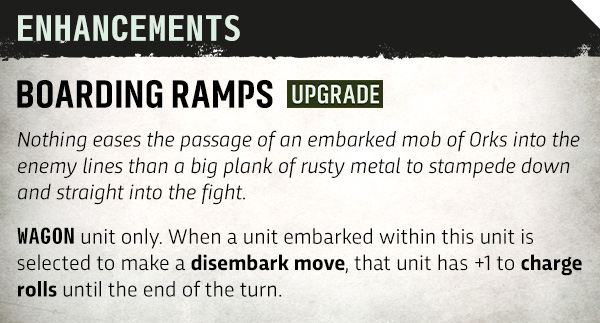
Boarding Ramps then gives embarked units +1 to charge after disembarking, which is exactly the sort of threat extension Orks love.
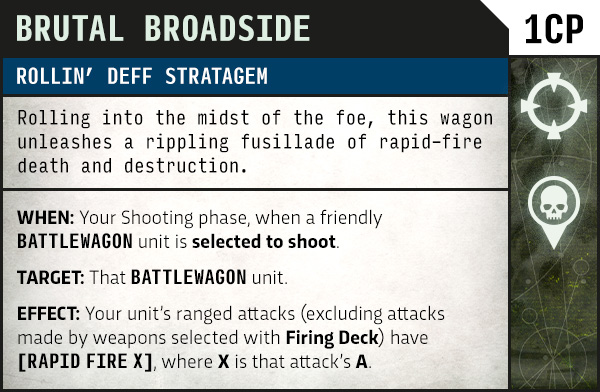
Meanwhile, Brutal Broadside turns a Battlewagon into a rolling gun platform by handing its guns Rapid Fire based on their attacks.
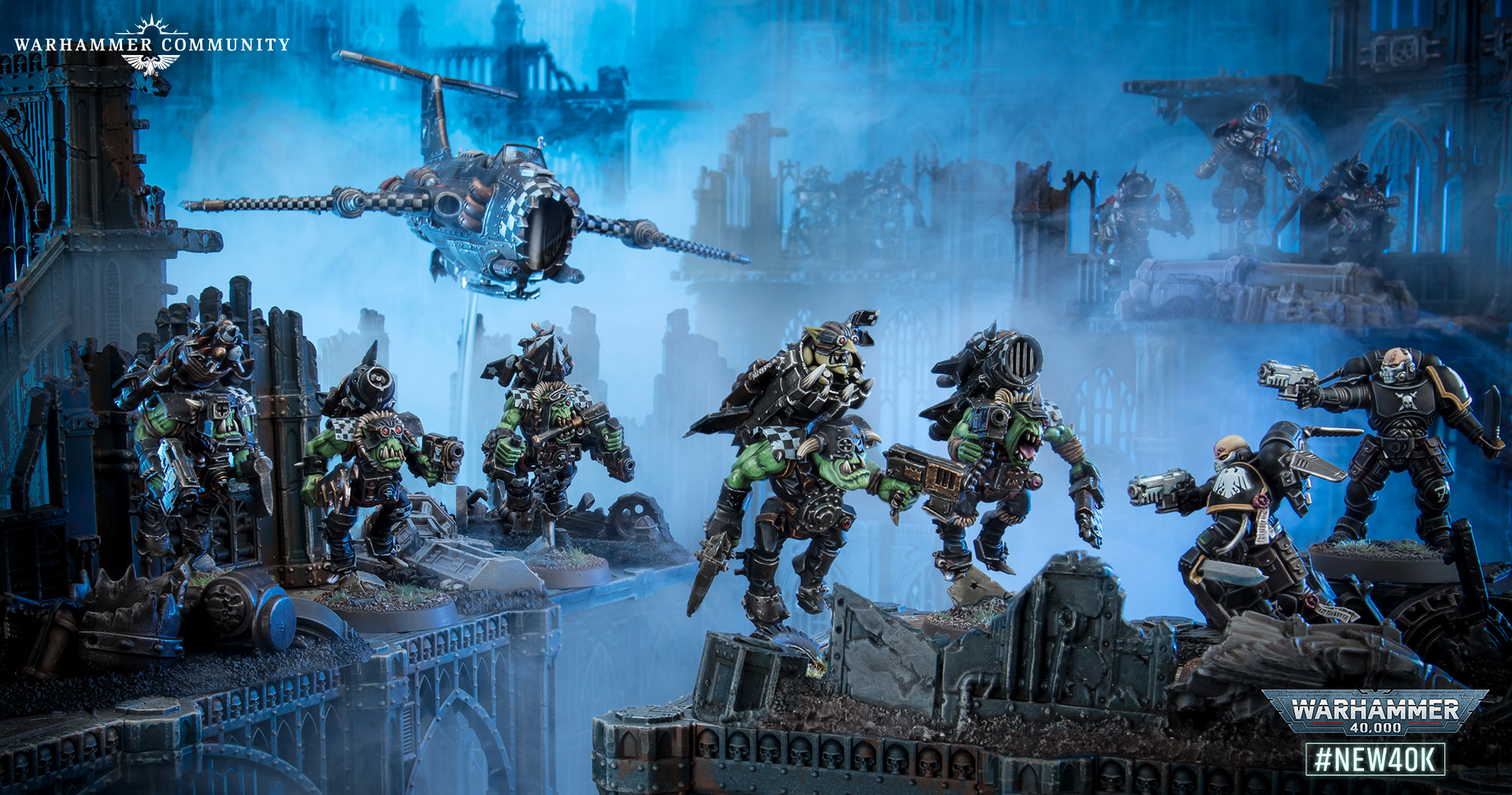
Then the tone shifts with Taktikal Brigade. This is the Blood Axe flavored option, and it gives Stormboyz Battleline while letting Boyz, Kommandos, and Stormboyz advance or fall back and still start actions.
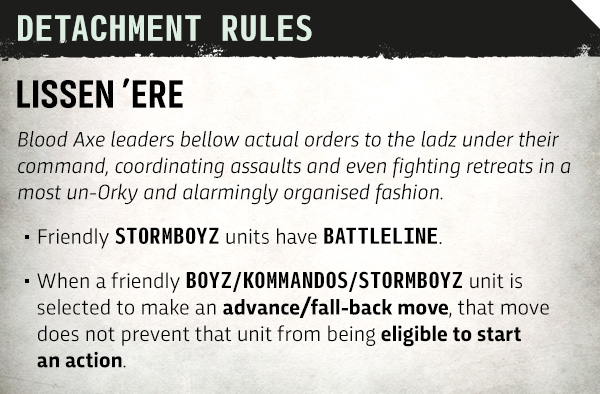
That is a much bigger deal than it sounds, because it turns Orks from blunt hammers into slippery objective thieves.
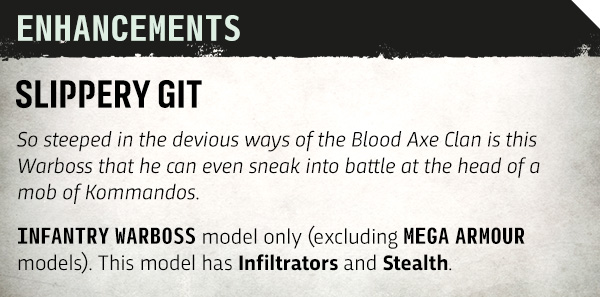
Slippery Git pushes that even further by giving an Infantry Warboss Infiltrators and Stealth, and it even lets him join Kommandos.
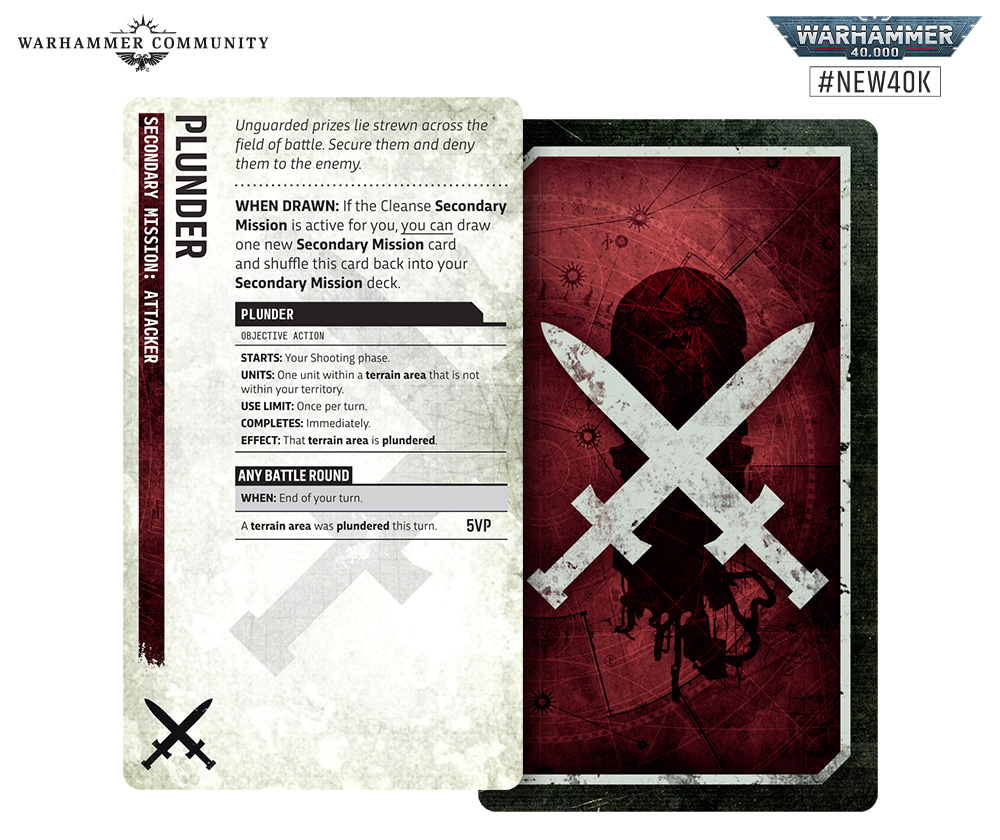
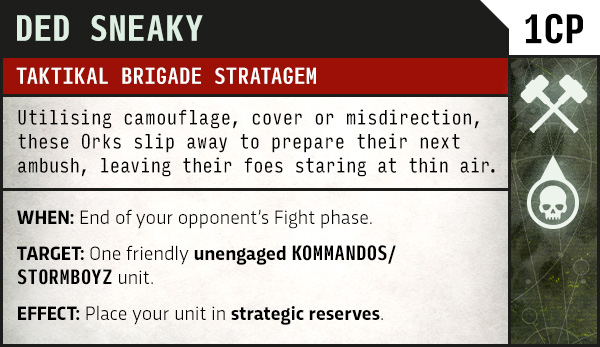
Ded Sneaky then lets Kommandos or Stormboyz vanish into Strategic Reserves after the opponent’s Fight phase.
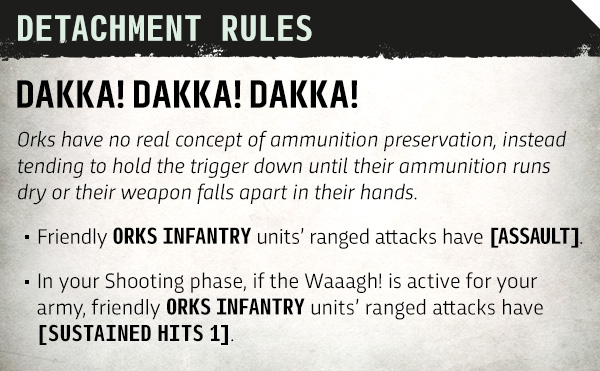
Finally, More Dakka! is exactly what it sounds like. Ork Infantry gain Assault on their ranged attacks, then gain Sustained Hits 1 while the Waaagh! is active.
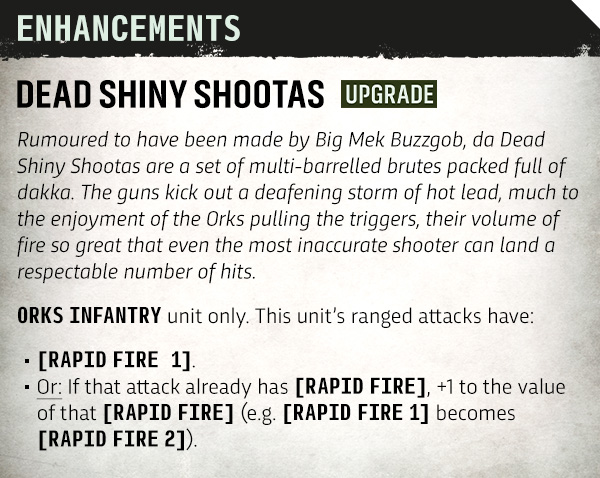
Dead Shiny Shootas piles on extra Rapid Fire, and Call Dat Dakka?
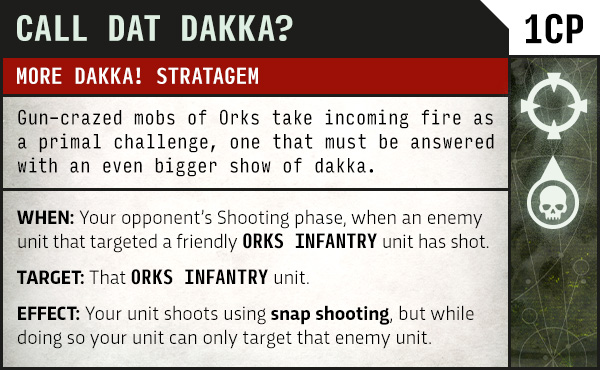
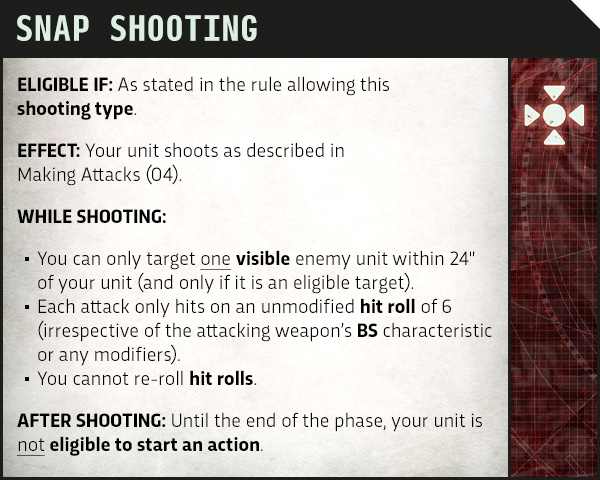
lets a shot-up Infantry unit return fire with snap shooting in the opponent’s Shooting phase. Altogether, these rules do a great job showing three very different Ork moods: road-raging wagons, kunnin’ mission play, and raw bullet spam.
Devlan’s monster hunt looks like the kind of Kill Team campaign people actually replay
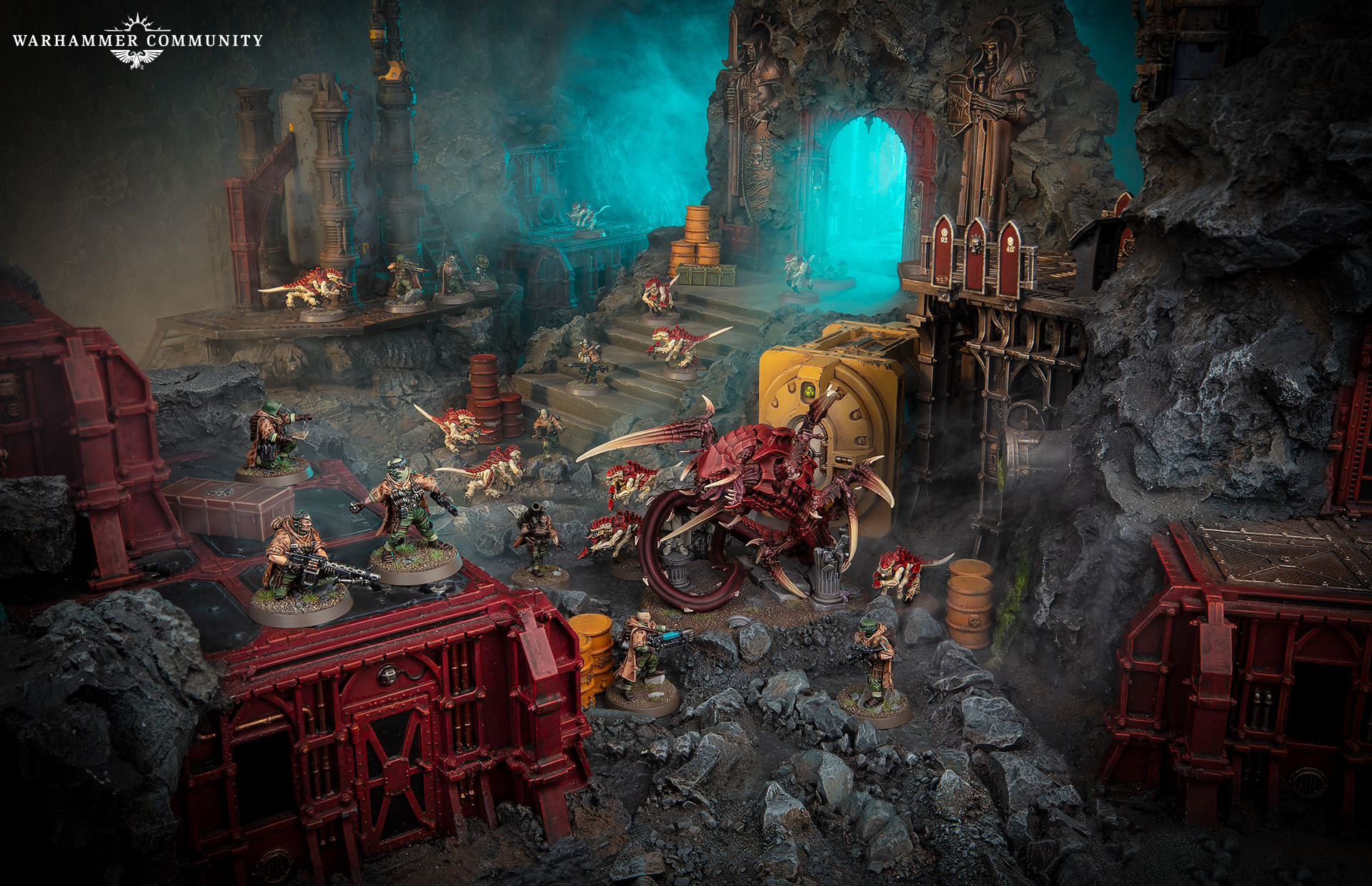
The Mountainside Tabletop overview makes Terror on Devlan sound much stronger than a one-off gimmick box. Devlan is presented as a mining world with a weak garrison, so Spectre Squad call sign Jester gets sent in as the last real answer to the Red Terror. However, the best part is the mission structure.
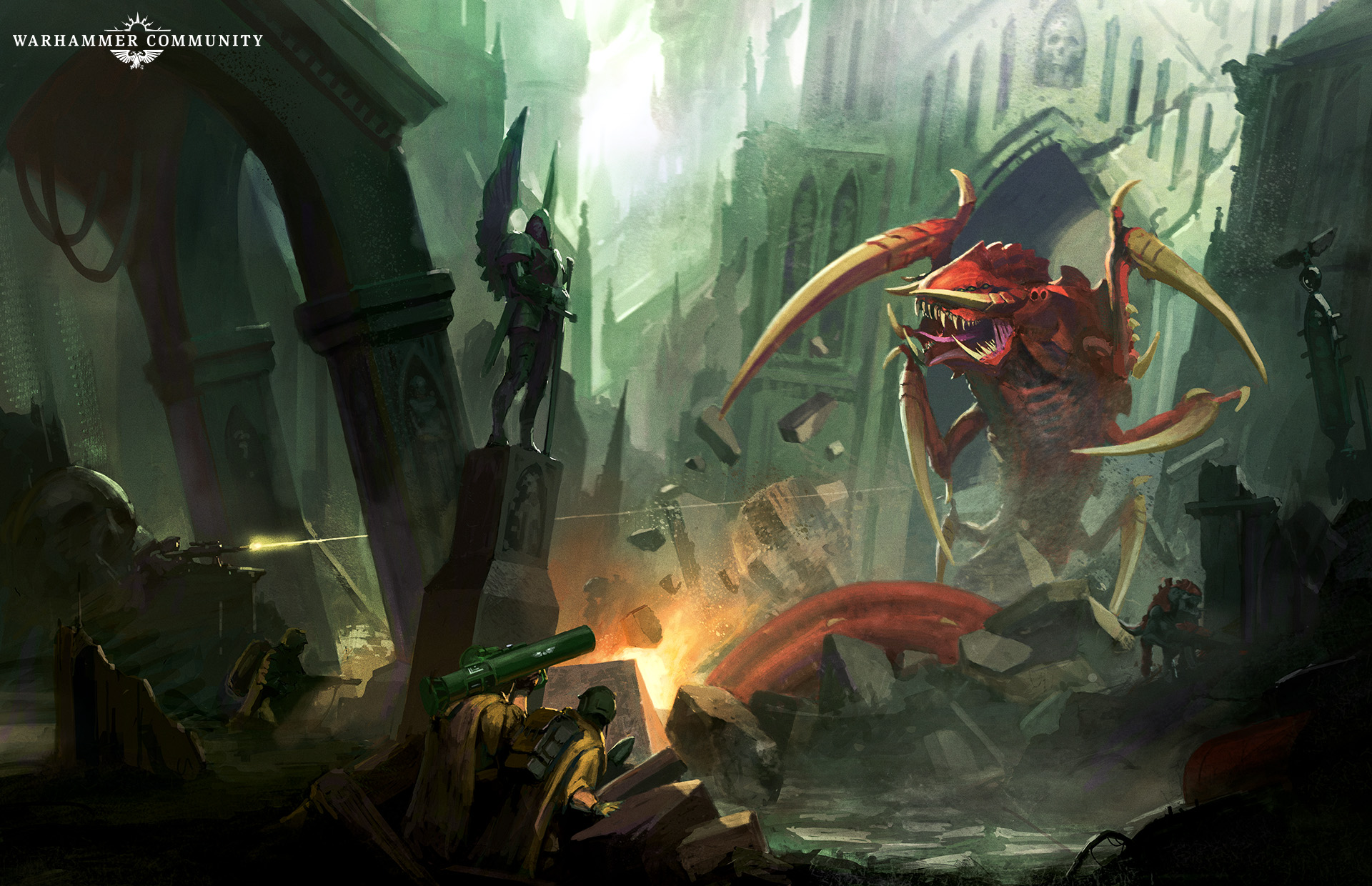
The box includes nine PvE missions for cooperative or solo play, and the campaign branches depending on wins and losses. That is smart, because it gives the set replay value instead of a single scripted story beat.
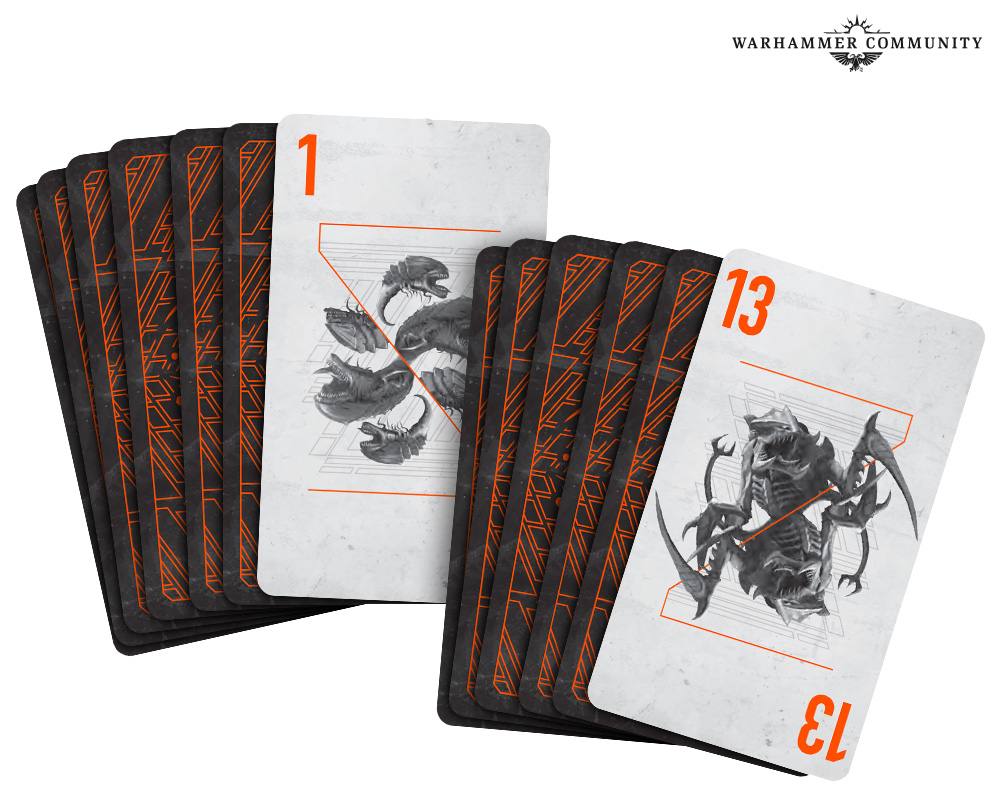
Moreover, the article highlights a 13-card NPO activation deck that can even be replaced by one suit of normal playing cards. That should keep the Tyranid side unpredictable while reducing player-side bookkeeping.
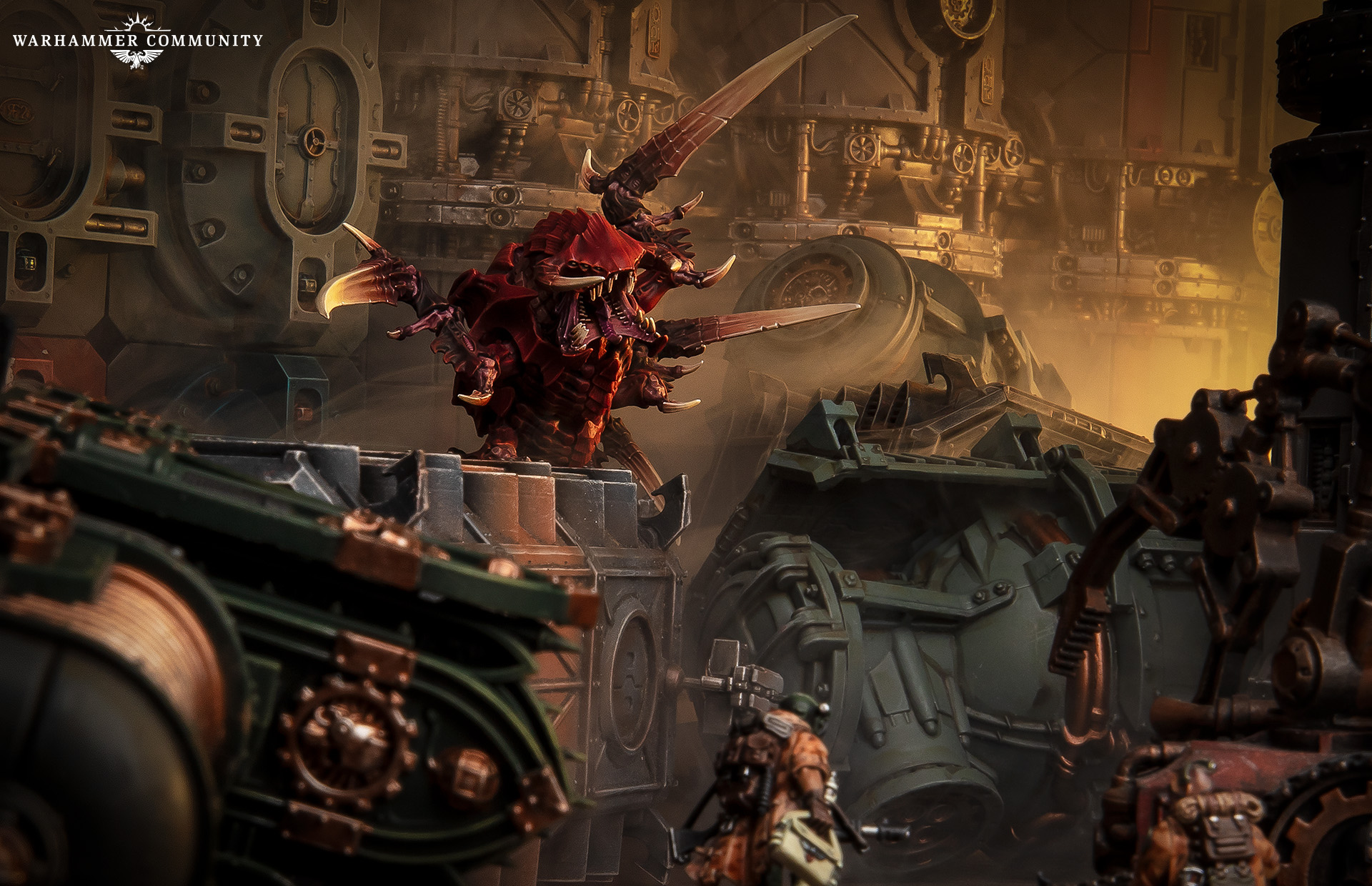
Mountainside also points to Mission 09, Last Stand, where the goal is basically to survive as long as possible. That is wonderfully grim. On the tabletop, the Red Terror sounds like a proper boss fight, with a 4+ save, 30 wounds, two behaviour datacards called Hunt and Lurk, and a mechanic that brings it back when reduced to zero wounds.
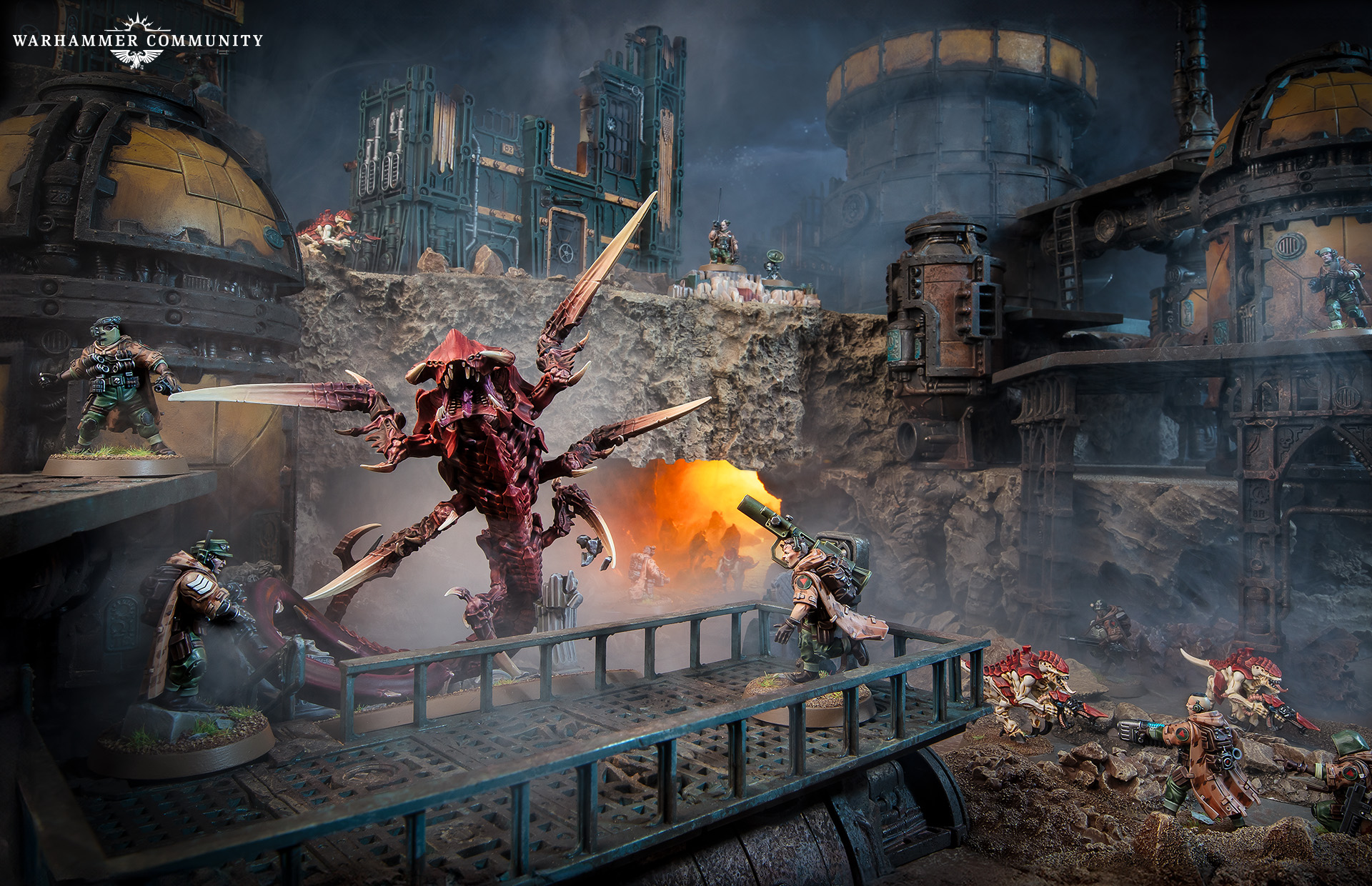
Meanwhile, the supporting Termagants and Ripper Swarms sound annoying in exactly the right way. Spectre Squad also looks interesting, because Elite Fieldcraft lets them interrupt enemy activations twice per turning point.
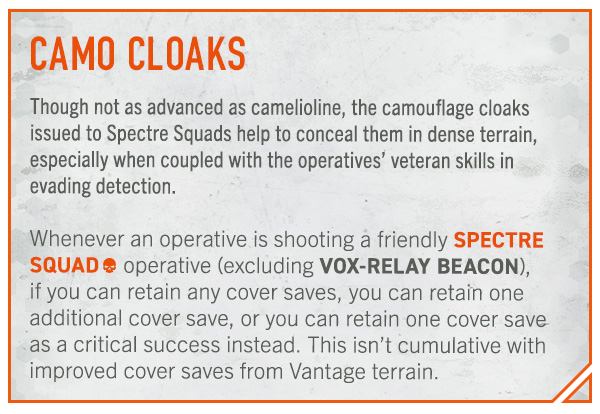
Camo Cloaks then improve retained cover saves, while the Vox-Relay Beacon can hand out extra APL from a fixed position. So, the squad seems less about brute force and more about traps, mobility, and surviving just long enough.
The Red Terror’s 40K rules push it toward assassination and burrowing shock attacks
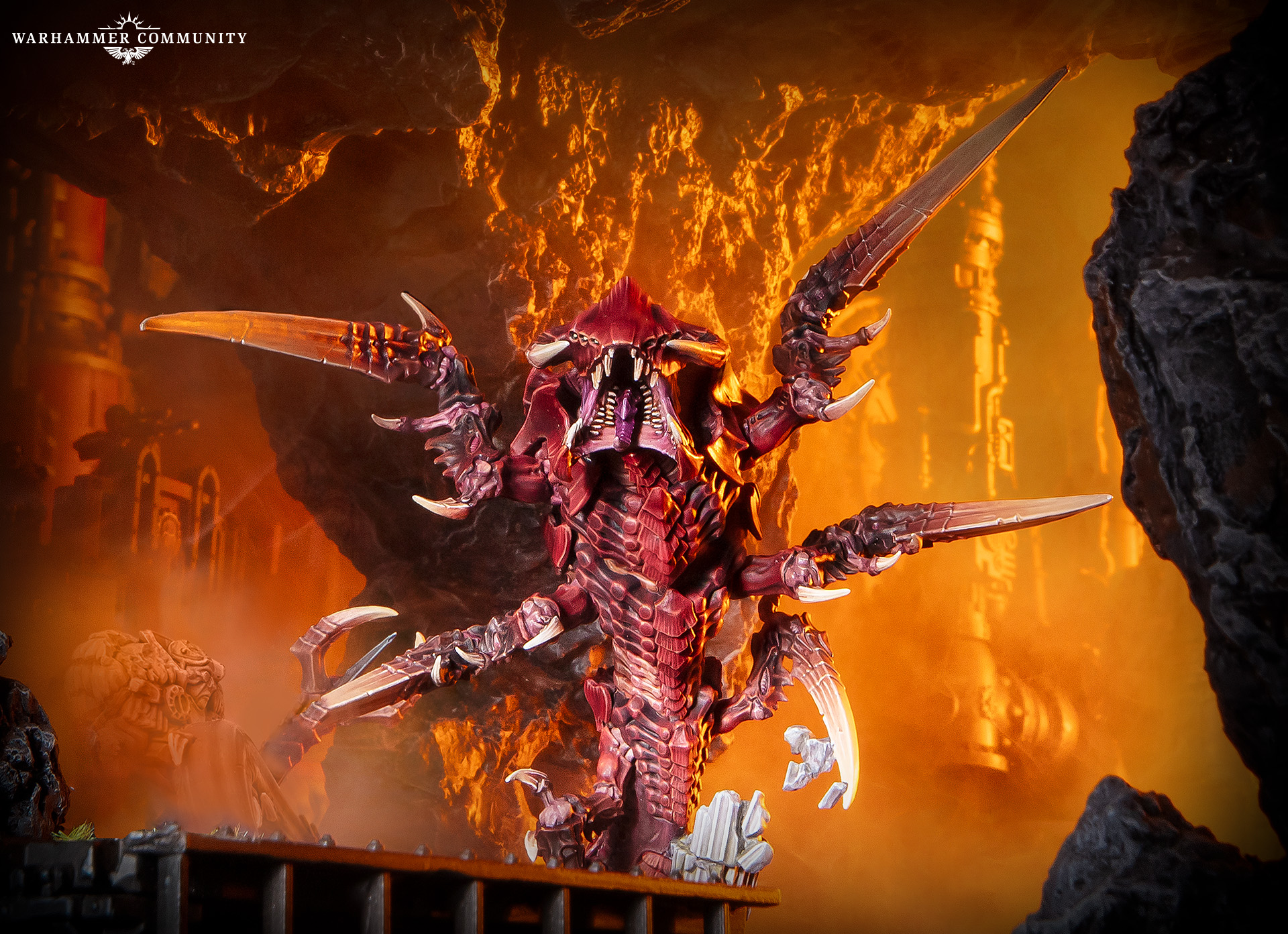
The separate 40K rules reveal is shorter, but it is still very tasty. Games Workshop describes the Red Terror as a super-Ravener that first appeared in 3rd edition Codex: Tyranids, after terrorising Devlan. Now it is back as a 130-point Tyranid monster with scything talons for infantry clearing and a single terrifying Swallow Whole attack.
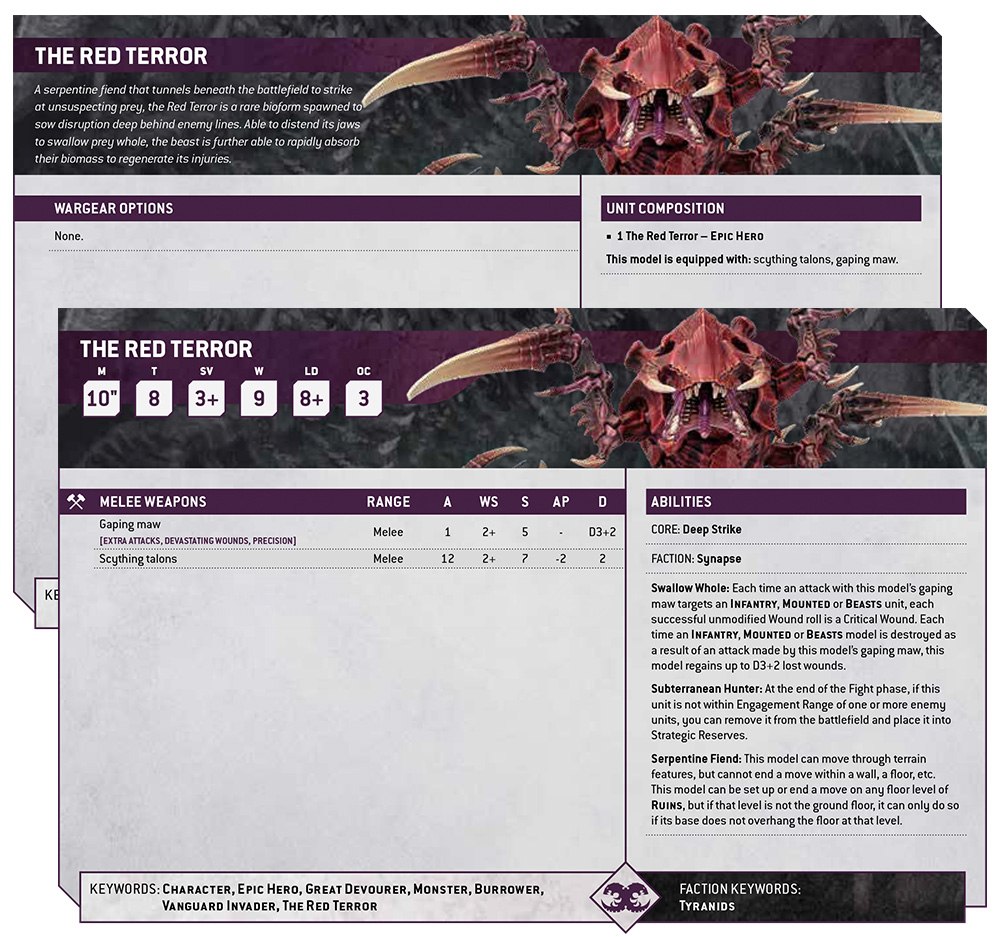
That attack is the real headline, because a successful wound automatically triggers Devastating Wounds, and Precision lets the Red Terror aim straight for the important model in a unit. So, attached Characters suddenly look a lot less comfortable. The article also says it can regain wounds through devoured biomass, which fits the creature perfectly.
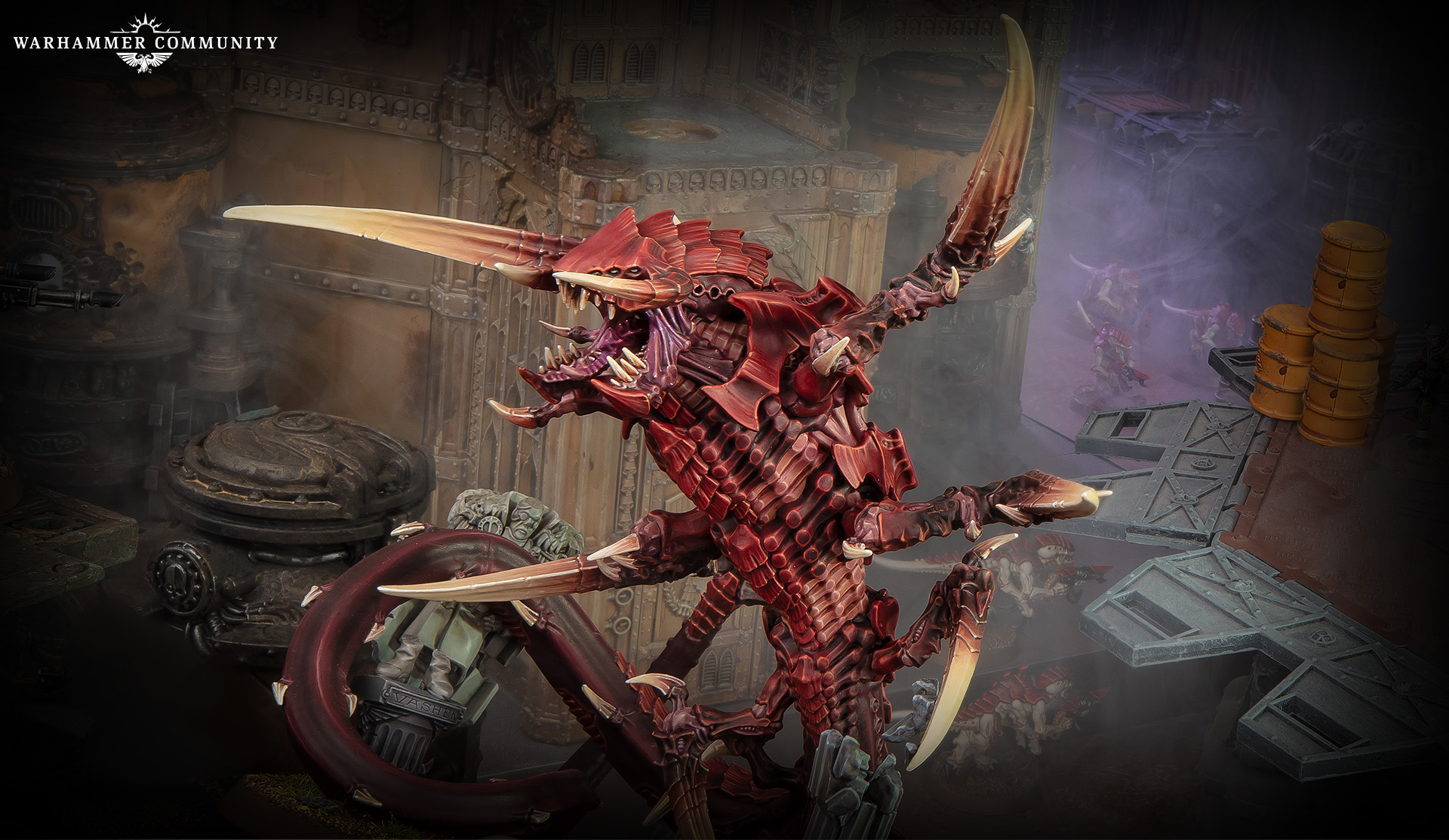
Then the detachment hooks make it even better. It has the BURROWER keyword for the Subterranean Assault Detachment, where re-rolls of 1 help its attacks land, and it also has VANGUARD INVADER for Vanguard Onslaught builds beside Deathleaper. Add Deep Strike and the ability to burrow away again, and this thing reads like a missile aimed at one screaming sergeant.
Armageddon fiction is aiming for history, pressure, and a properly monstrous Ork war
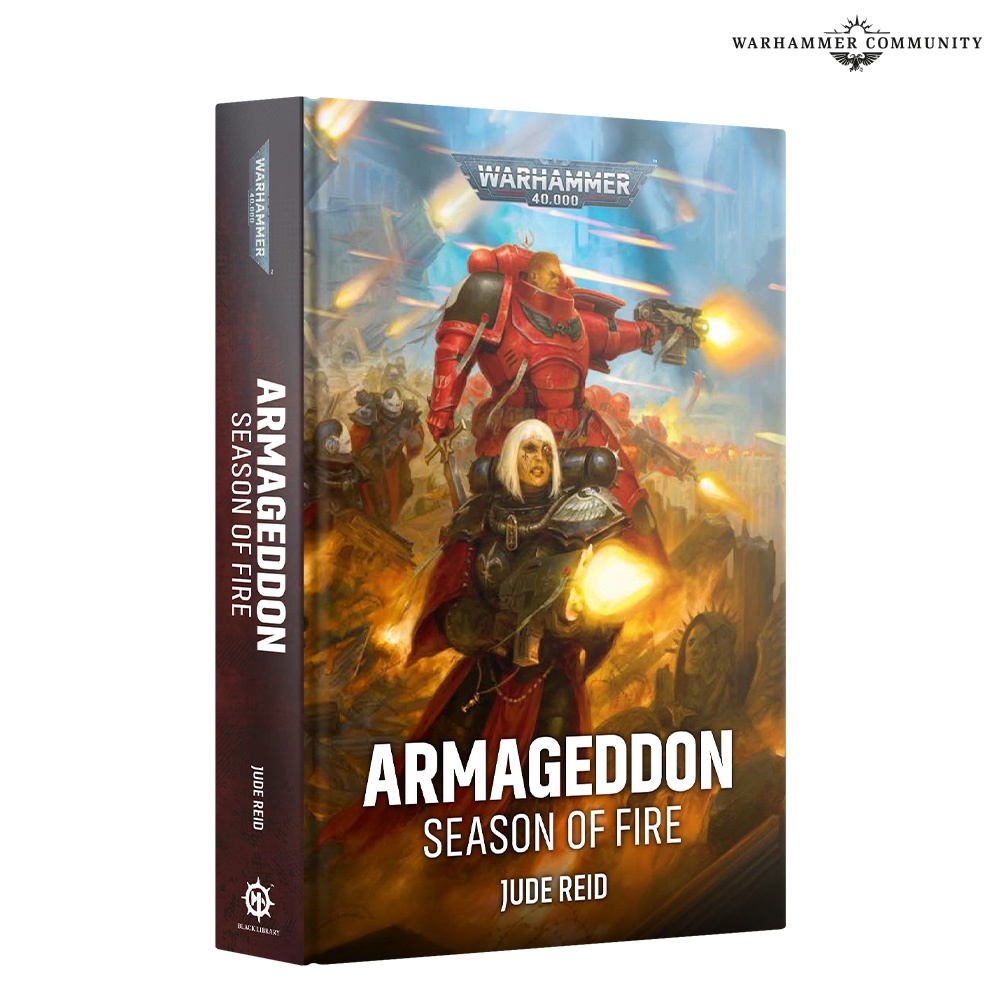
The new Black Library novel rounds the whole set of updates out nicely. Armageddon: Season of Fire is being released alongside the boxed set, and it focuses on Hive Tartarus as the world slides deeper into disaster. The story follows three viewpoints: Major Ambrosius Roth of the Steel Legion, Sister Superior Sabreen of the Order of Our Martyred Lady, and Brother Gavriel of the Blood Angels.
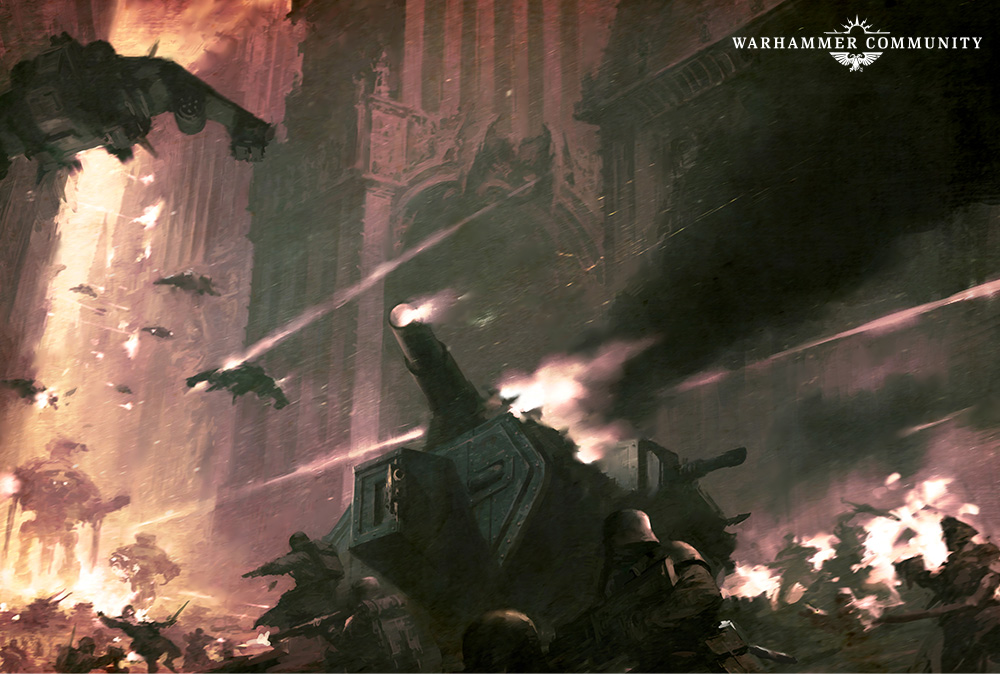
That split matters, because it gives the conflict Imperial Guard grit, Sororitas faith, and Space Marine intensity all at once. Jude Reid also describes the book as a love letter to Armageddon across the ages, and that shows in the setup. Roth is near the end of his career and running on duty alone. Meanwhile, Sabreen is still in her prime, but deeply marked by the cost of the war. Then Gavriel arrives as the younger pair of eyes, still believing the war can finally be ended. Reid also says she wanted the chains of history to matter, and that Hive Tartarus already carried weight in older stories. Just as importantly, she writes the Orks less like clowns and more like horror-film monsters that people keep underestimating.
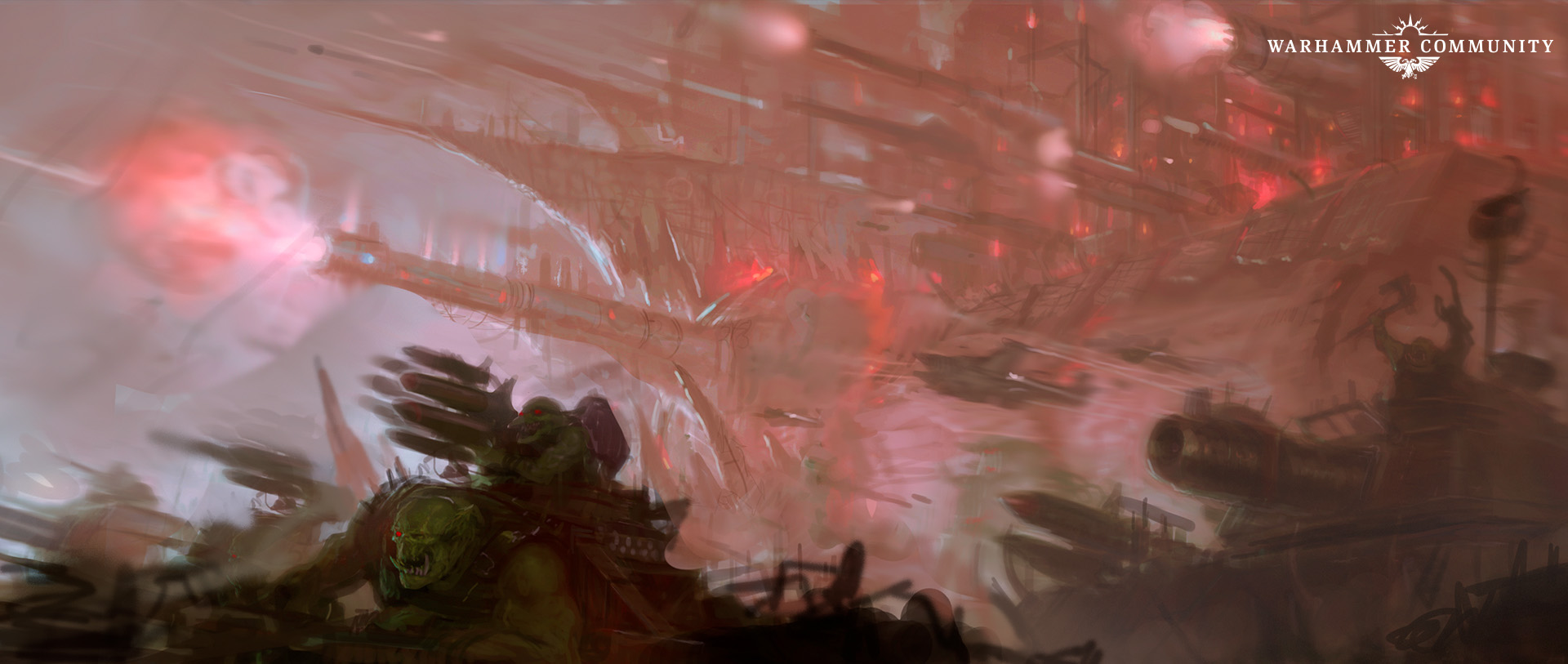
That feels exactly right for Armageddon. Altogether, these four updates point in the same direction: the new edition wants more themed armies, stronger narrative hooks, and a war zone that feels alive across rules, missions, and fiction.