Bolt Action is making a major material shift, and it is the kind players will feel immediately.
Warlord is moving its metal artillery and support weapons into plastic. That sounds simple at first. However, it touches production, pricing, assembly, and the future shape of the whole range.
Plastic Support Weapons Are Replacing Metal Guns Across Bolt Action
The real story here is not just that a few kits are changing. Instead, Warlord is beginning a long-term overhaul of how Bolt Action’s gun teams are made. Plastic is being pushed as the sweet spot for detail and ease of use. However, it only works when sales volume can justify the steep upfront tooling cost. Metal and resin are cheaper to start, yet they cost more over time and are harder to produce in big numbers. That tradeoff mattered before. Now, though, Bolt Action’s larger player base and Third Edition platoon structure are driving much higher demand for heavy weapons. Because players can field more support choices, Warlord is selling more guns, mortars, and teams than before. So, the old metal approach is starting to strain under its own success.
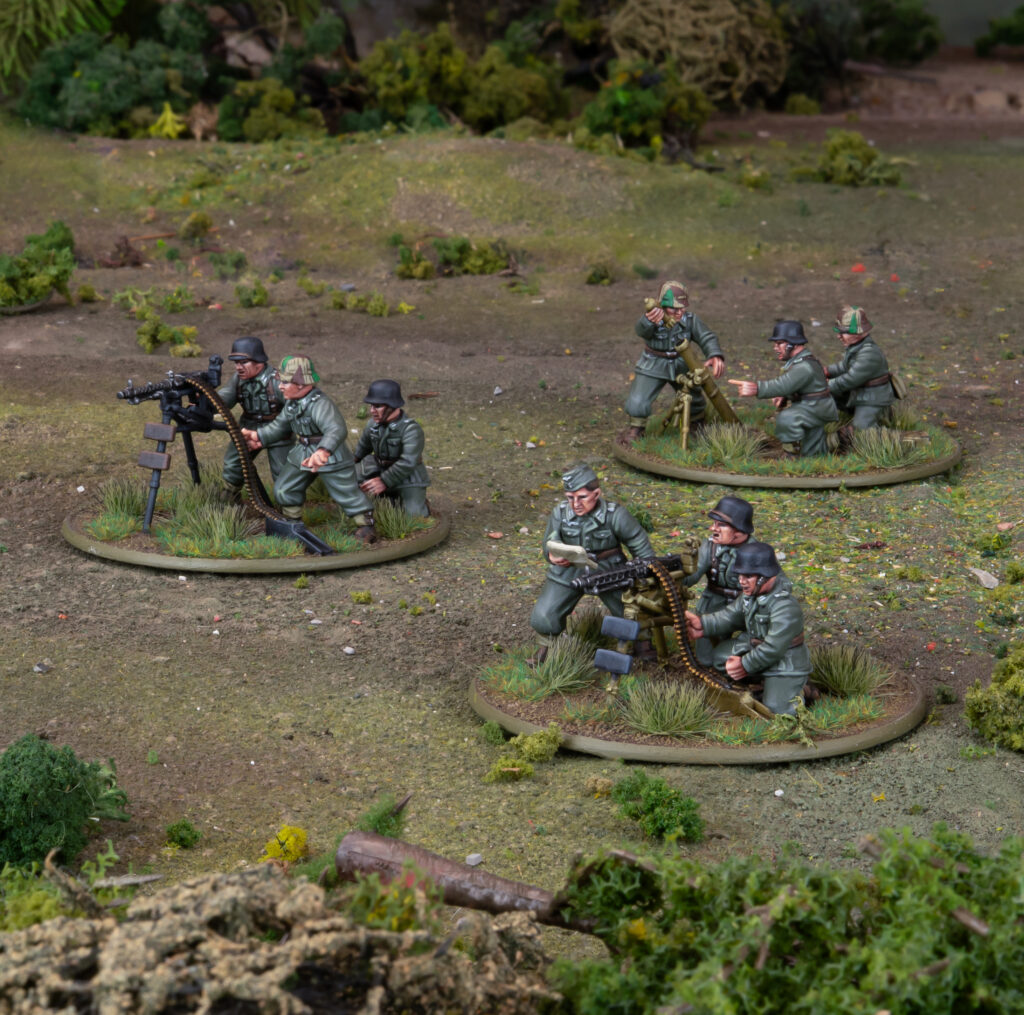
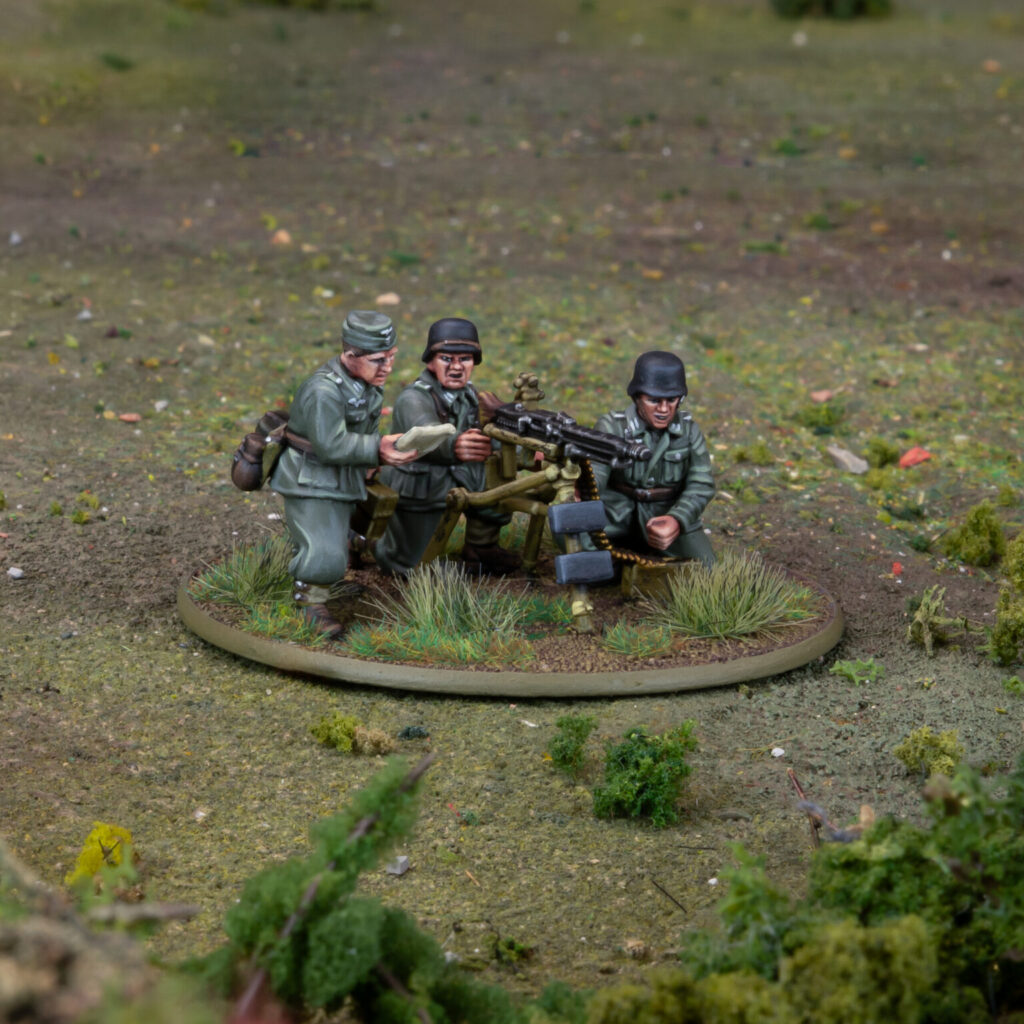
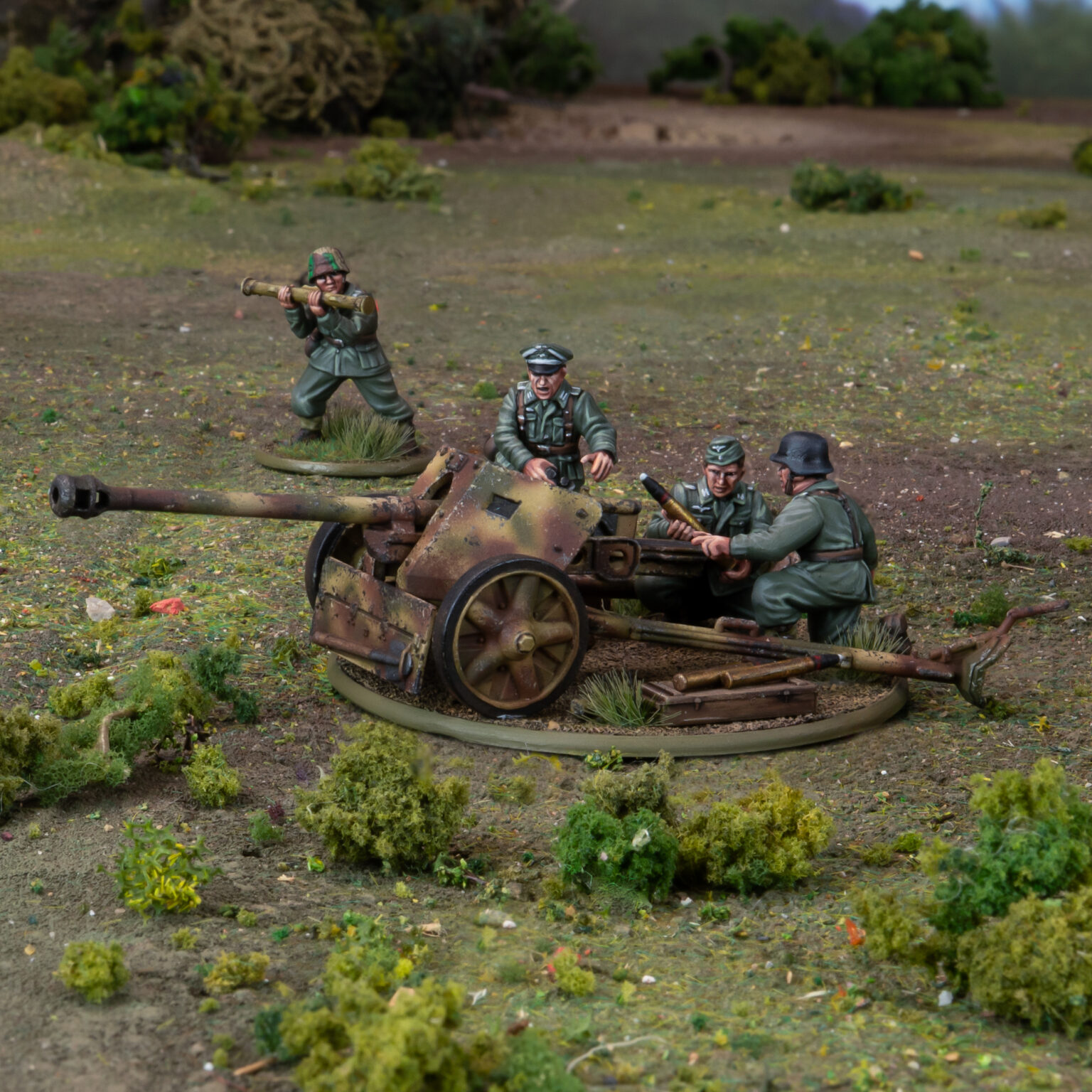
There is also the hobby angle, and honestly this is where many players will cheer. Multi-part metal kits can be a pain. Small joins, awkward balance, and unforgiving superglue have made many weapon teams more chore than fun. Plastic fixes a lot of that. It should build more cleanly, convert more easily, and scale better in production. So, the first wave begins with Germany, which is Warlord’s best-selling range. The opening rollout uses three core sprues: a PaK 40 frame, a support weapons frame, and a shared crew frame.
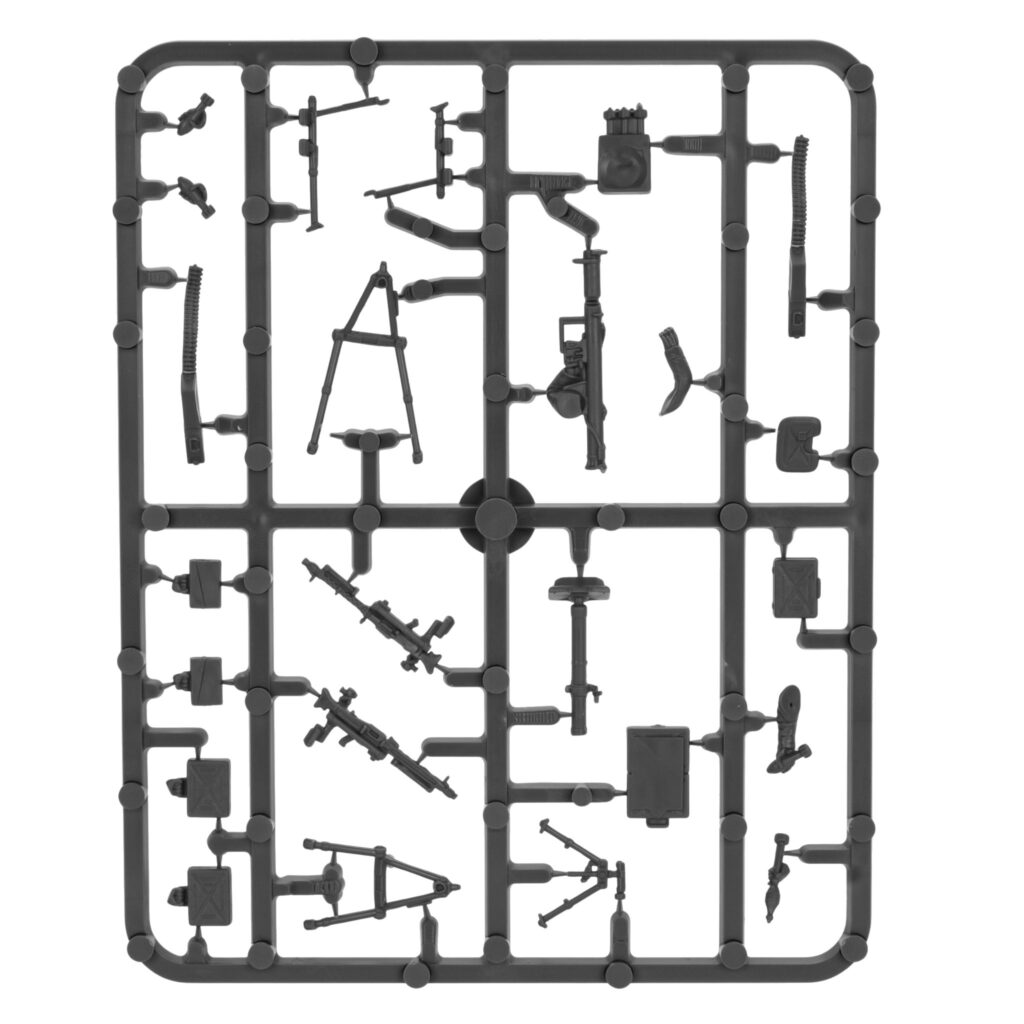
That support frame builds MG 34 or 42 teams, medium mortars, and Panzerschrecks, while the crew sprue is designed to work across multiple future kits. Meanwhile, those crews match the plastic late-war Grenadiers and can also work as Waffen-SS with painting tweaks. Better still, Warlord says the new crews are being designed for broad compatibility with existing infantry kits, which should make conversions much easier.
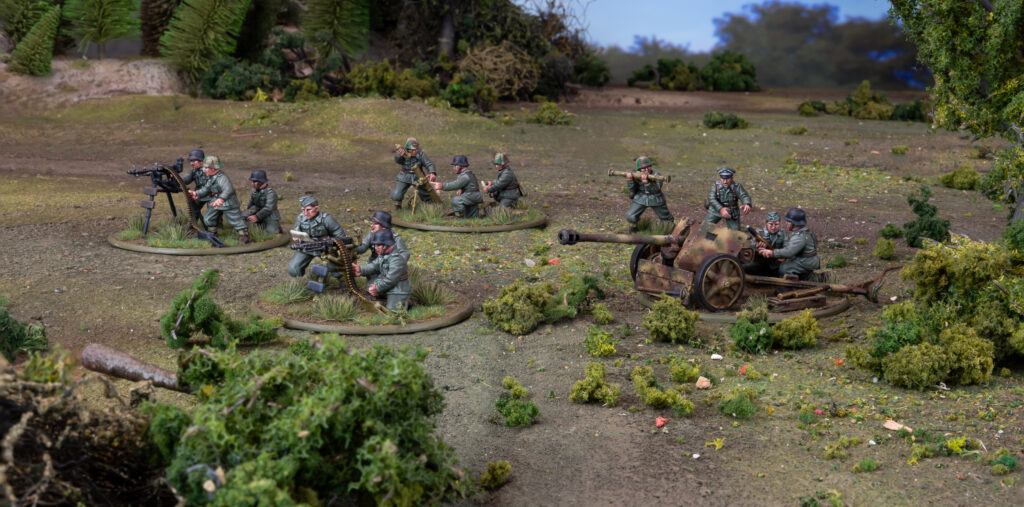
Importantly, this is not a scorched-earth removal of everything older. Existing metal crew options like Fallschirmjäger, winter Grenadiers, and Afrika Korps are not simply vanishing overnight. Instead, some sets will be replaced fully, while others will become hybrid kits mixing plastic weapons with metal or Warlord Resin crews. For now, the new German gun teams and two updated starter armies are the first clear step. Meanwhile, a few scheduled releases still use the older metal style before the wider transition catches up. Longer term, Warlord wants every nation with a plastic infantry line to get a core artillery piece, a heavy weapons frame, and a crew frame. After that, more gun types will follow until the wider artillery range is fully plastic.
Final Thoughts
Overall, this is one of the most meaningful Bolt Action production changes in years. It is about easier builds today, steadier supply tomorrow, and a more flexible range later.