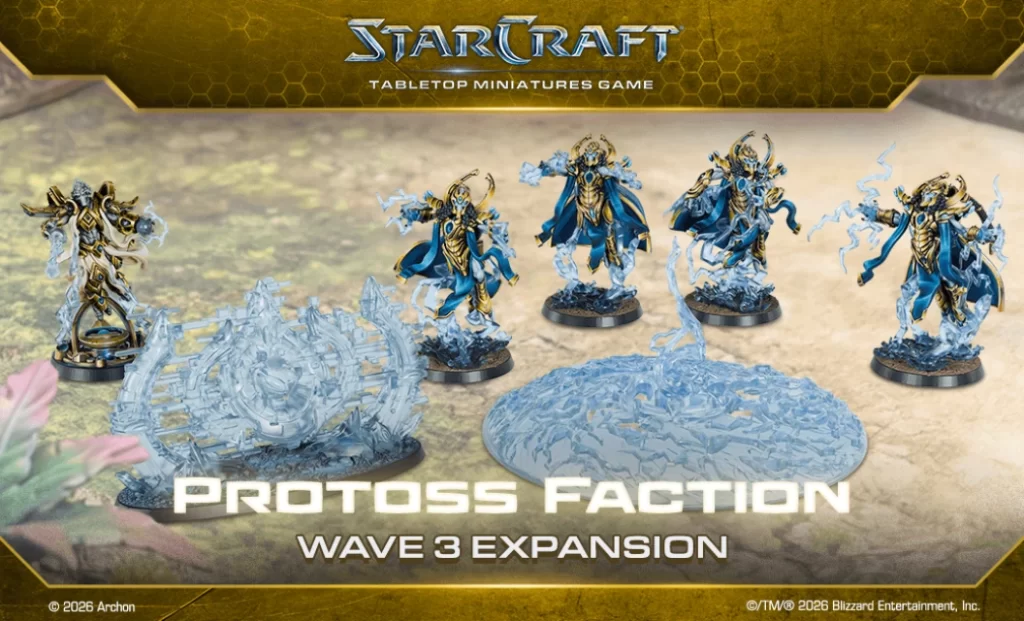
The latest New Protoss units push StarCraft TMG toward a more controlling and deliberate battlefield style.
Tassadar brings movement denial, activation tricks, and support instead of another straightforward damage dealer. Meanwhile, High Templar punish ability-heavy enemies and threaten whole areas with persistent Psionic Storms. Together, they give Protoss players a toolbox built around positioning, timing, and action economy. This is a summary of a community post found here.
Tassadar and High Templar Reshape Protoss Battlefield Control
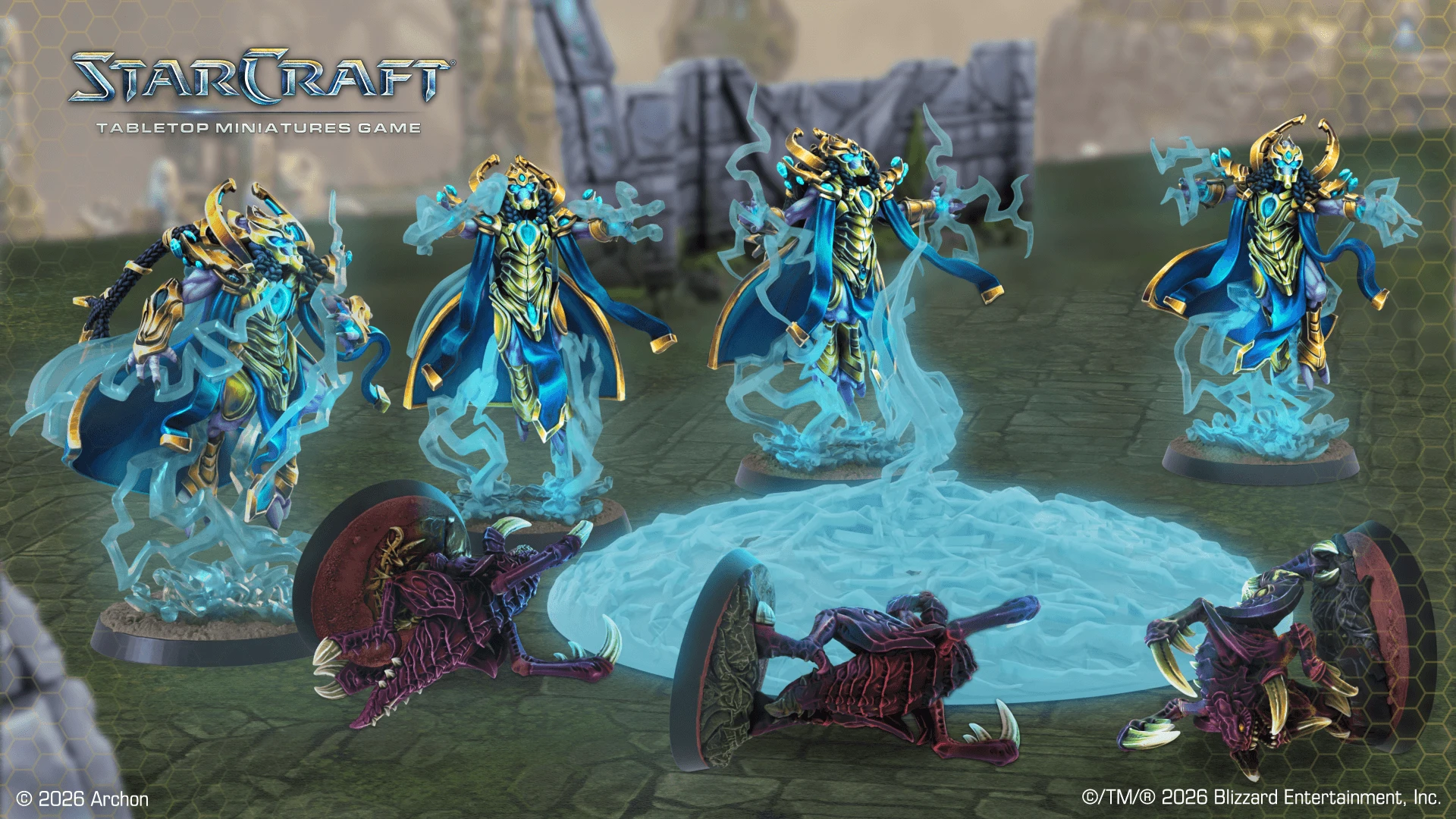
Tassadar arrives as a Support Hero whose main job is deciding where fights happen. Rather than chasing kills, he manipulates movement and forces opponents into awkward choices. His Force Walls physically block routes across the table, reshaping approaches to objectives and important firing lanes. Consequently, one wall can delay a flank, protect a vulnerable unit, or funnel enemies into predictable paths. Enemy models moving through or around those walls can also suffer DAMAGE that bypasses armour rolls.
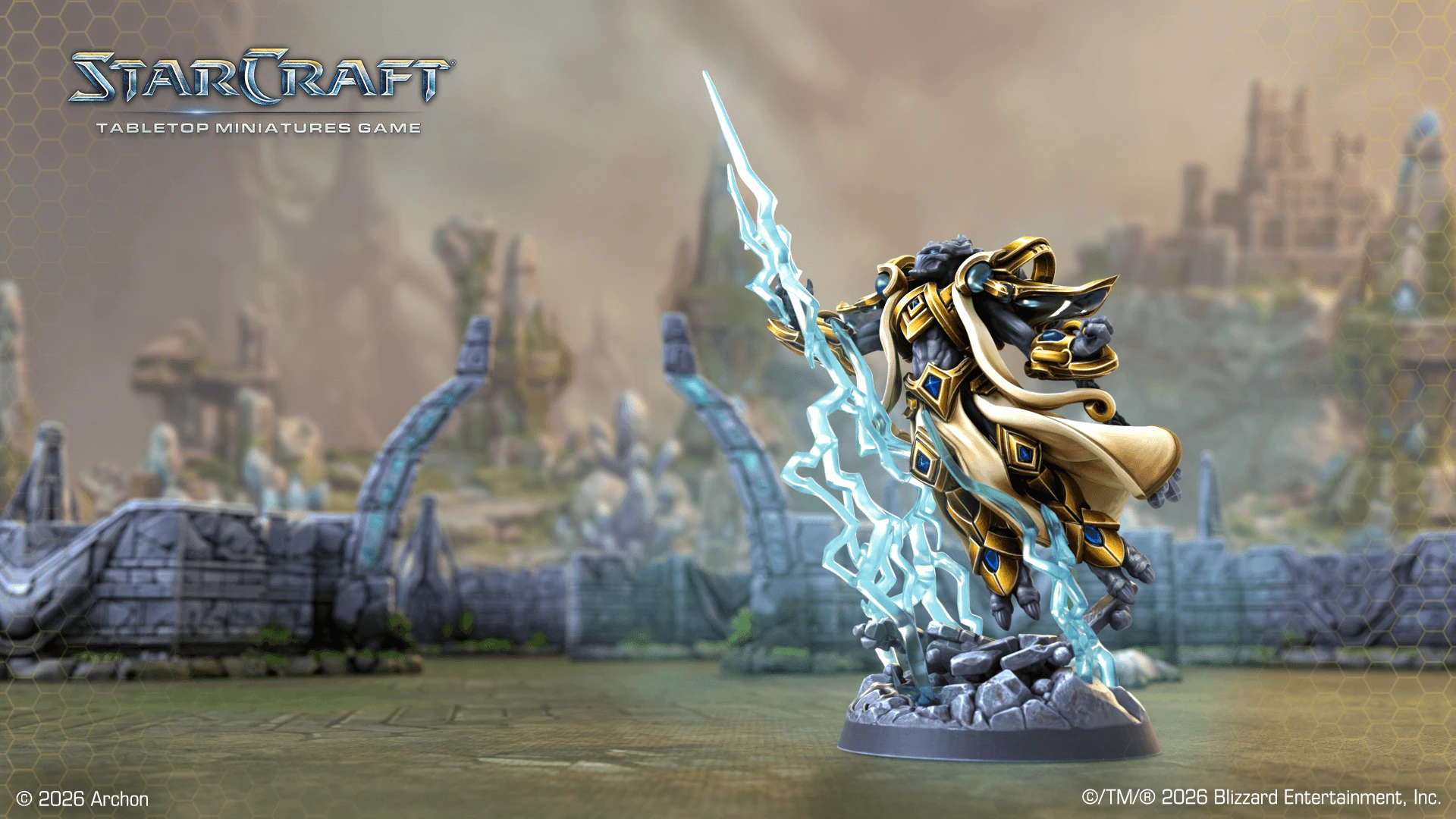
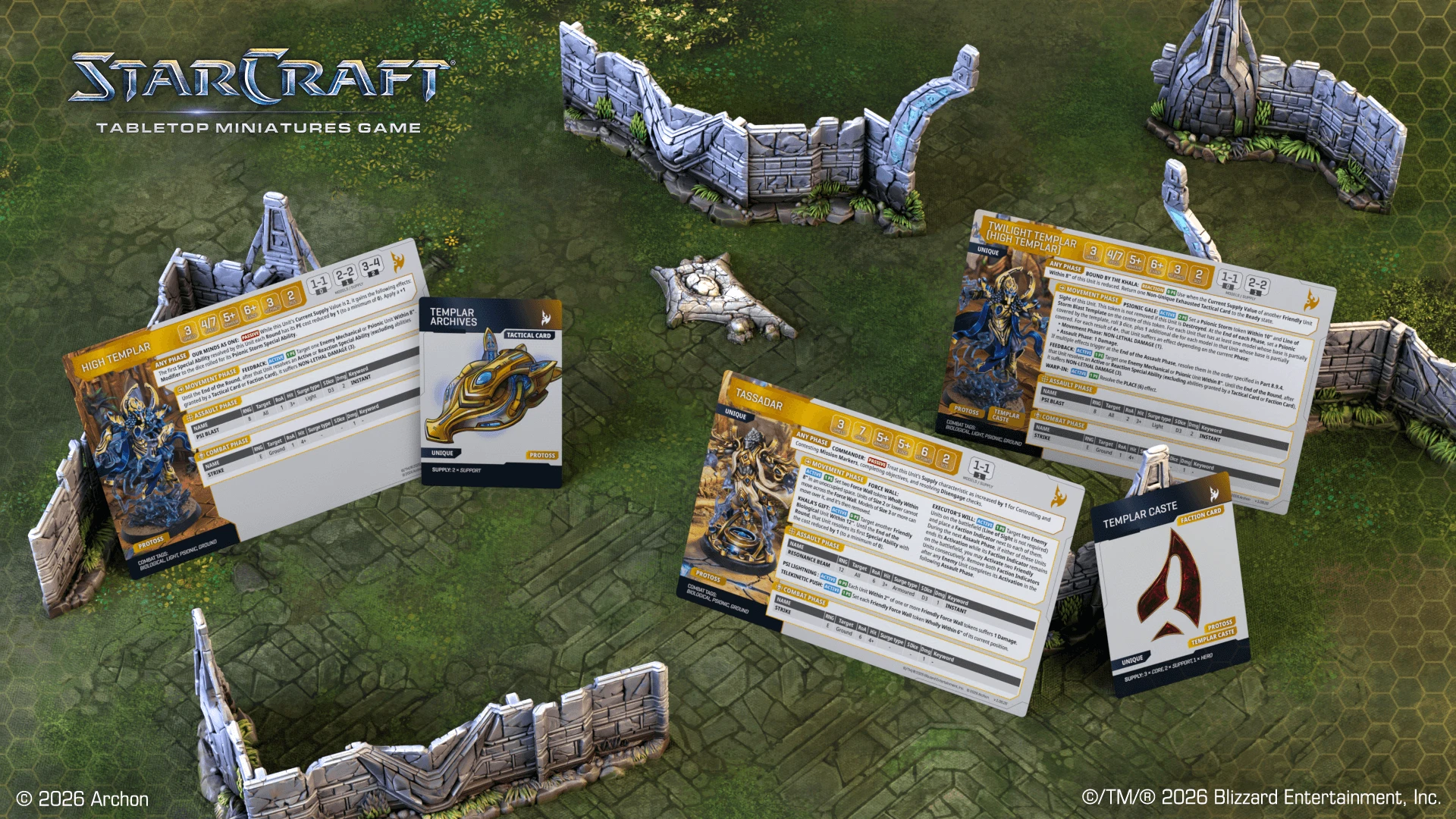
More importantly, Tassadar supports the wider Protoss army through Khala’s Gift. This reduces the first Special Ability cost for friendly Biological units each round. Therefore, expensive abilities become easier to trigger at the precise moment they matter most. Executor’s Will adds another layer during the Assault Phase by marking two opposing units. Under the right conditions, Tassadar can potentially enable two friendly units to activate consecutively. In practice, that can completely disrupt an opponent’s expected activation order.
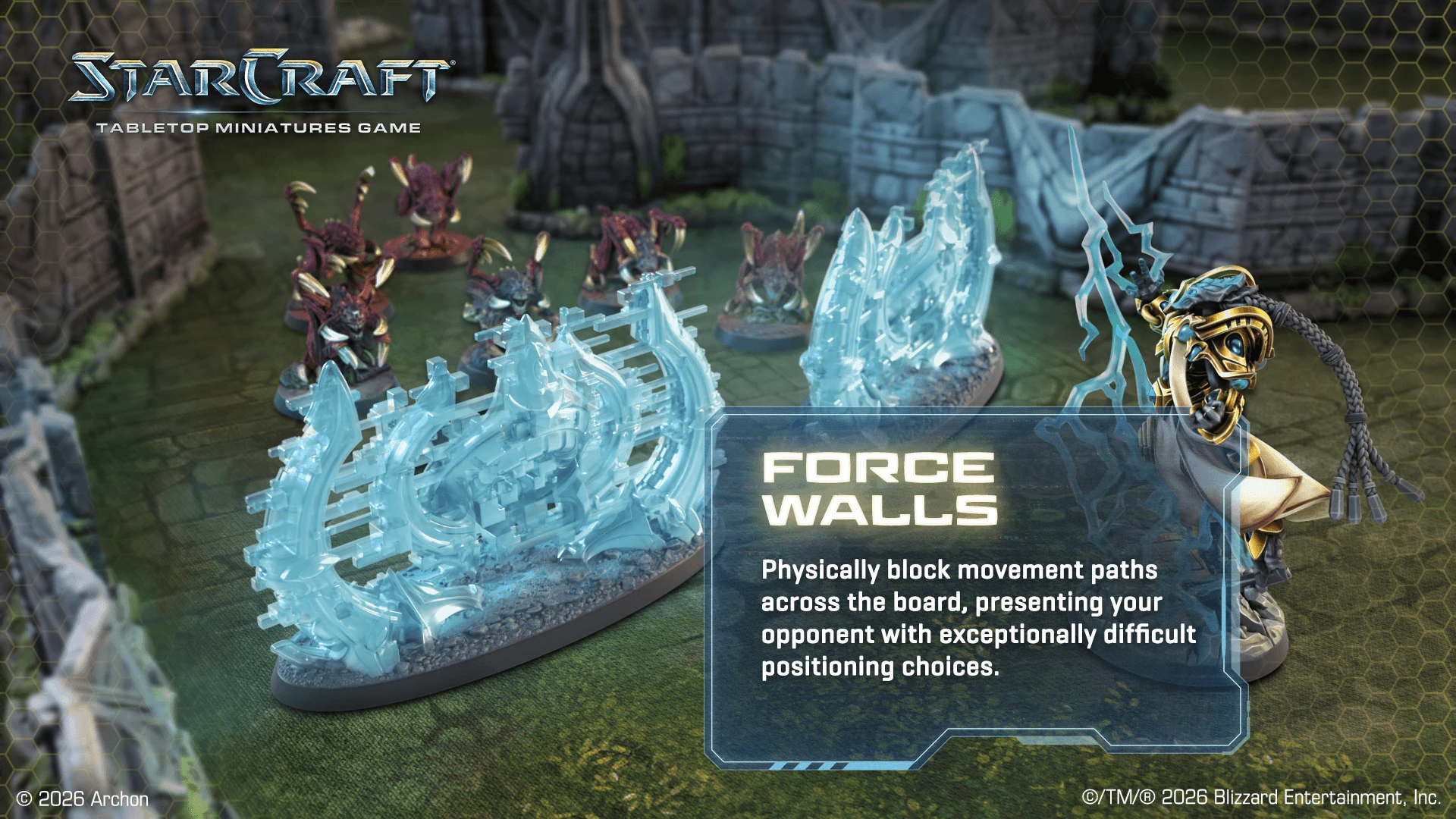
A flanking enemy might suddenly face a Force Wall and two back-to-back Protoss activations. That is a brutal swing when the opponent expected time to regroup after moving.
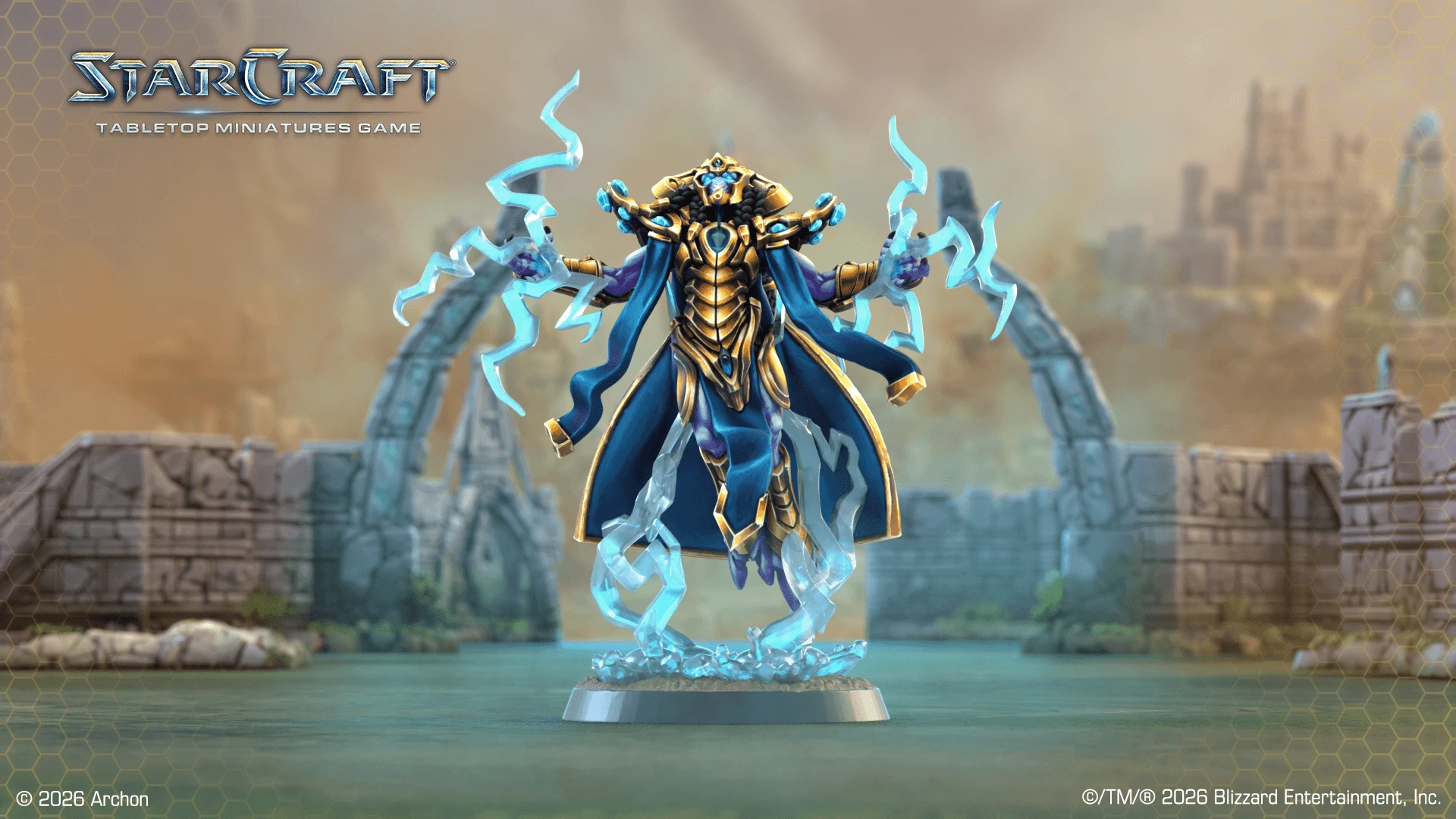
Meanwhile, the High Templar brings classic StarCraft psionic punishment to the tabletop. Feedback targets Mechanical and Psionic units relying on Active or Reaction Special Abilities. When those enemies use such abilities, Feedback can inflict NON-LETHAL DAMAGE (3). Consequently, trick-heavy units may start paying a painful tax for using their strongest tools. Psionic Storm is even more threatening because its token remains after the High Templar leaves play. T
he Storm damages units at the end of each Phase, creating persistent area denial instead of one attack. Better still, destroying the High Templar does not automatically remove that problem from the table. Opponents may still need to abandon valuable ground after finally killing the caster. The High Templar also offers meaningful customization rather than functioning as one fixed artillery piece. Our Minds as One reduces the cost of its first Special Ability each round. Additionally, the upgrade improves Psionic Storm rolls and becomes especially efficient at two Supply.
Farsight instead adds protective utility and improves the survivability of allied units. Therefore, players can emphasize offense or build a more supportive High Templar package. The real strength appears when both New Protoss units work together. Tassadar can use Force Walls to push enemies toward narrow routes or clustered positions. Then, the High Templar can punish those groups with Psionic Storm.
Likewise, Khala’s Gift and Our Minds as One can reduce ability costs across the same plan. That creates an action-economy advantage without relying on oversized attack profiles. Neither unit simply replaces existing Protoss options by hitting harder. Instead, both create tactical questions before attacks even begin. Opponents must consider movement lanes, activation timing, ability use, and persistent area threats every round. P
rotoss players must also plan carefully, since misplaced walls or storms can waste their strongest control tools. However, coordinated use could make important objectives increasingly difficult for enemy armies to approach safely. The release also fits the broader Protoss identity already established in StarCraft TMG. Immortals bring durability, while these additions emphasize psionic control and battlefield manipulation.
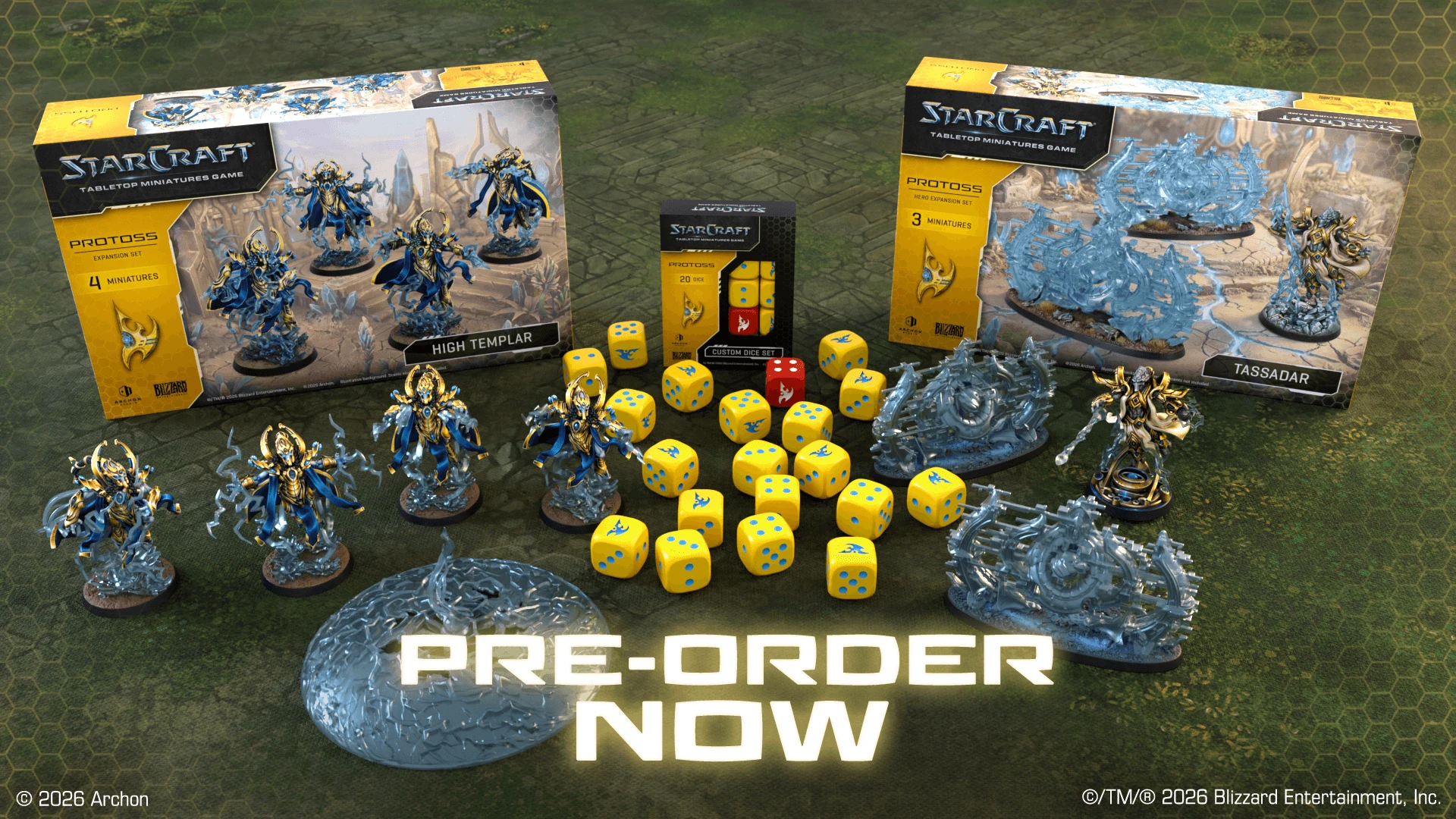
Consequently, Wave 3 expands the faction’s tactical language rather than simply increasing raw damage. Tassadar and High Templar also remain useful separately, which should keep roster building flexible. Still, their strongest interactions reward players who deliberately combine movement control with persistent psionic pressure.
Final Thoughts
Overall, these New Protoss units look strongest when treated as a coordinated control package. Tassadar shapes movement, while High Templar punishes enemies for gathering where he wants them. Meanwhile, cheaper Special Abilities help both pieces maintain pressure without burning resources too quickly. More importantly, their strength comes from sequencing and positioning rather than raw numbers. For Protoss players who enjoy forcing difficult decisions, Wave 3 should add plenty of depth.