
Firestorm Falkland Islands brings the 1982 ground campaign into Team Yankee as a compact map-driven experience.
The campaign focuses on East Falkland, where British forces fought toward Stanley across brutal terrain. However, tabletop results can rewrite history rather than simply recreate it. That gives every battle more weight than another isolated matched-play game. Better still, the entire campaign can finish in fifteen games. This is a summary of a community post found here.
Firestorm Falkland Islands Links Every Battle to a Bigger Operational Fight
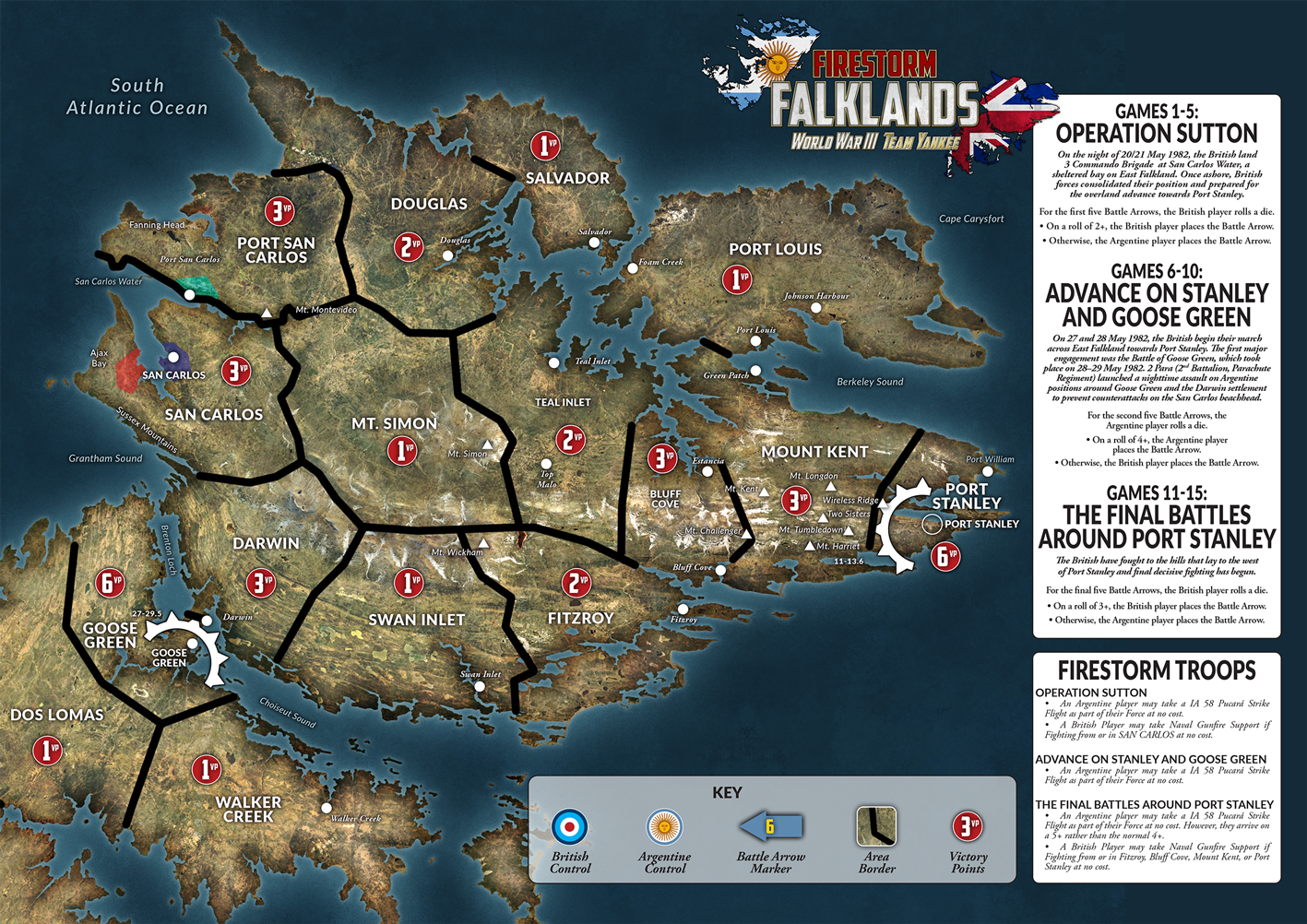
The campaign covers the British counter-invasion from May 21 through June 14, 1982, when fighting raged across East Falkland. Historically, British troops advanced through freezing conditions, difficult ground, and close-range battles against Argentine defensive positions. Firestorm turns that operational story into a campaign map where every tabletop result changes what happens next. Instead of simply recording wins, victories can capture territory, threaten supply, or force enemy formations backward. Consequently, a small game can have consequences several battles later.
The system runs for fifteen games divided into three five-game phases, which keeps the commitment manageable. Each game begins by placing a Battle Arrow that determines where the next clash occurs. Players then fight a normal Team Yankee battle before applying the result to the campaign map. If the attacker wins, the attacked area changes hands. However, a successful defender can potentially force the attacker to lose the area used to launch the assault.
That creates real risk around offensive planning instead of making failed attacks meaningless. Each phase also determines who places Battle Arrows, who attacks, and which Firestorm Troops become available. Those Firestorm Troops represent special campaign support added on top of a player’s normal points total. Therefore, important sectors can suddenly receive extra units without forcing players to rewrite their regular army lists.
The map itself emphasizes the settlements, roads, hills, and defensive positions that shaped the historical fighting. As a result, Goose Green, Stanley, and the surrounding high ground become operational objectives instead of decorative names. This structure should make the campaign particularly appealing to historical players who enjoy seeing battlefield choices create wider consequences. However, Battlefront deliberately keeps the system flexible enough for ordinary gaming groups. Players do not need British or Argentine armies to participate.
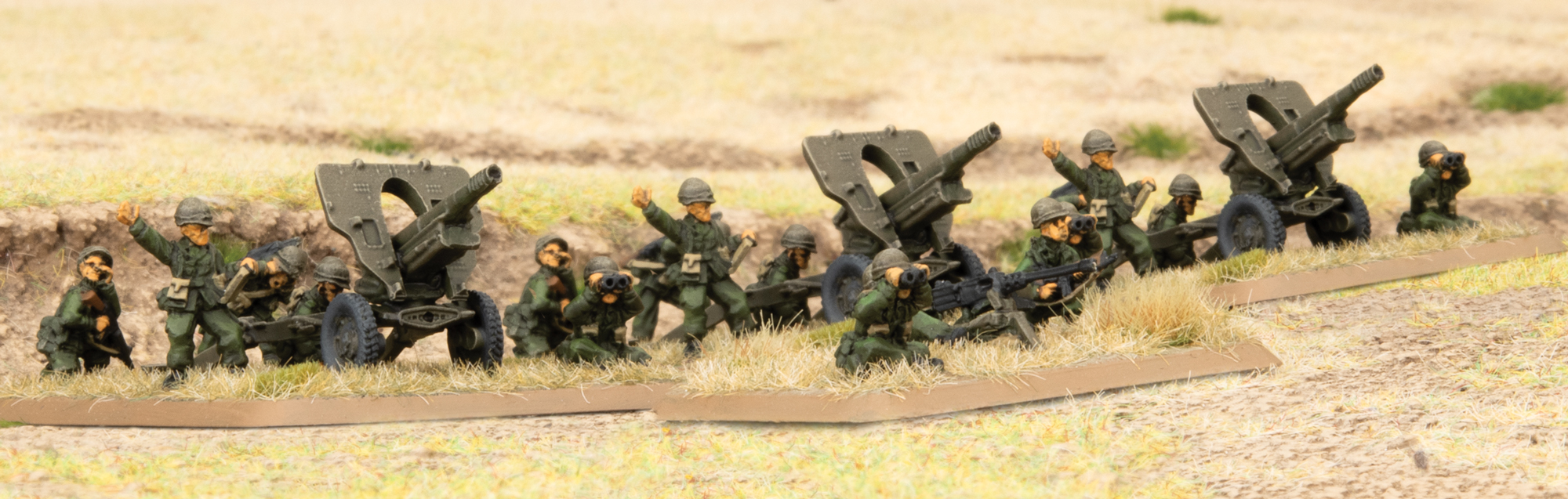
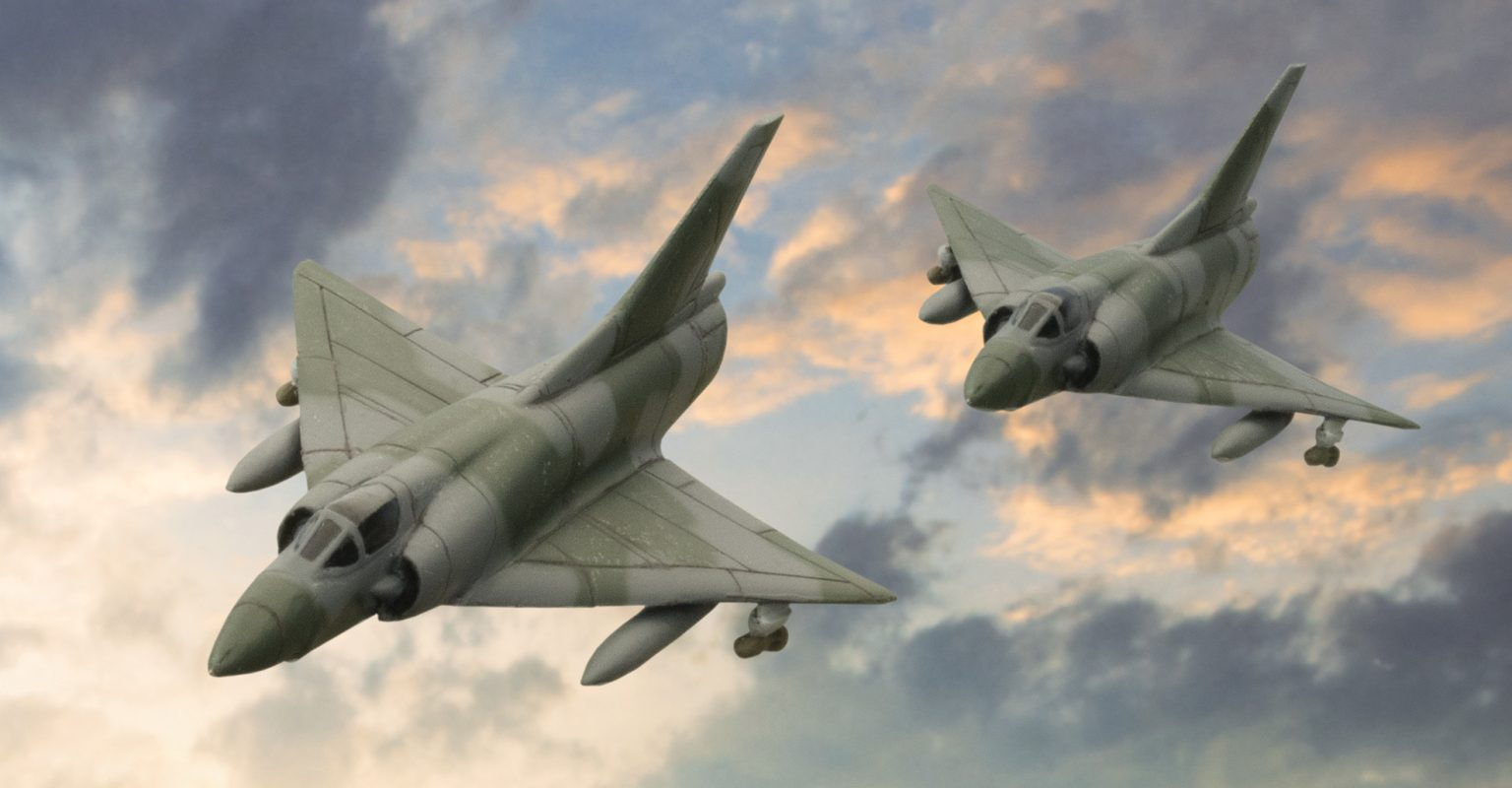
Any Team Yankee force can stand in if that is what people own. Likewise, games can be large, small, or anything between. Groups can even swap sides during the campaign if needed, although that may generate some entertaining club-level accusations of treason. Historical players can field British Commando and Parachute formations against Argentine forces for the closest experience. Alternatively, groups can turn the Falklands into a wider NATO and Warsaw Pact flashpoint. US Marines, Soviet VDV, and other rapid-reaction forces fit that approach especially well.
A third option is using the campaign purely as narrative structure while allowing every Team Yankee army. Even then, Falklands-style terrain can keep heavy main battle tanks from dominating every engagement. The terrain itself becomes part of the fun because rugged ground naturally favors infantry, lighter armour, and careful movement. Firestorm’s biggest strength remains how efficiently it creates context. Traditional campaigns sometimes collapse after months of scheduling problems or uneven participation. By contrast, three five-game phases give Firestorm Falkland Islands a built-in ending.
A club could finish it over several weeks or compress everything into one tournament weekend. Either way, one side eventually achieves a decisive result. Britain might drive through the hills around Stanley and force surrender. Argentina might instead halt the advance, stabilize the front, and create time for reinforcement or counterattack. That possibility of reversing history gives both sides something meaningful to chase.
The campaign also works as a social tool because it encourages players to face different opponents and build shared terrain. Ultimately, each game contributes to a collective story rather than disappearing into a win-loss record.
Final Thoughts
Overall, Firestorm Falkland Islands looks like an excellent fit for Team Yankee’s campaign system. The fifteen-game limit prevents the usual campaign fatigue, while the map gives every victory immediate consequences. Meanwhile, flexible army requirements make it practical for clubs without dedicated Falklands collections. Historical forces will create the strongest theme, but the system clearly works beyond strict reenactment. Most importantly, it gives players a reason to care about what happens after the dice stop rolling.