
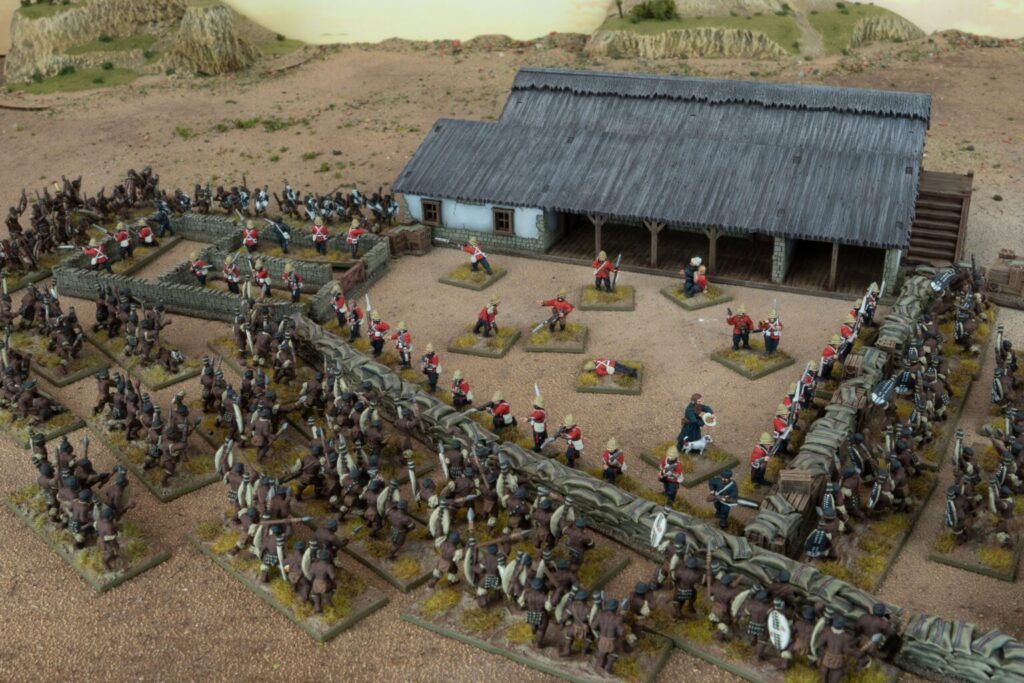
The latest Epic Battles: Zulu notes reveal how much work went into adapting Black Powder for this conflict.
The goal was never simply shrinking existing 28mm rules. Instead, Warlord wanted entire historical battles to work on a normal gaming table. That meant rethinking scale, firing, melee, scenario design, and even how beginners enter the game. This is a summary of a community post found here.
Epic Scale Lets Isandlwana and Rorke’s Drift Work as Complete Battles
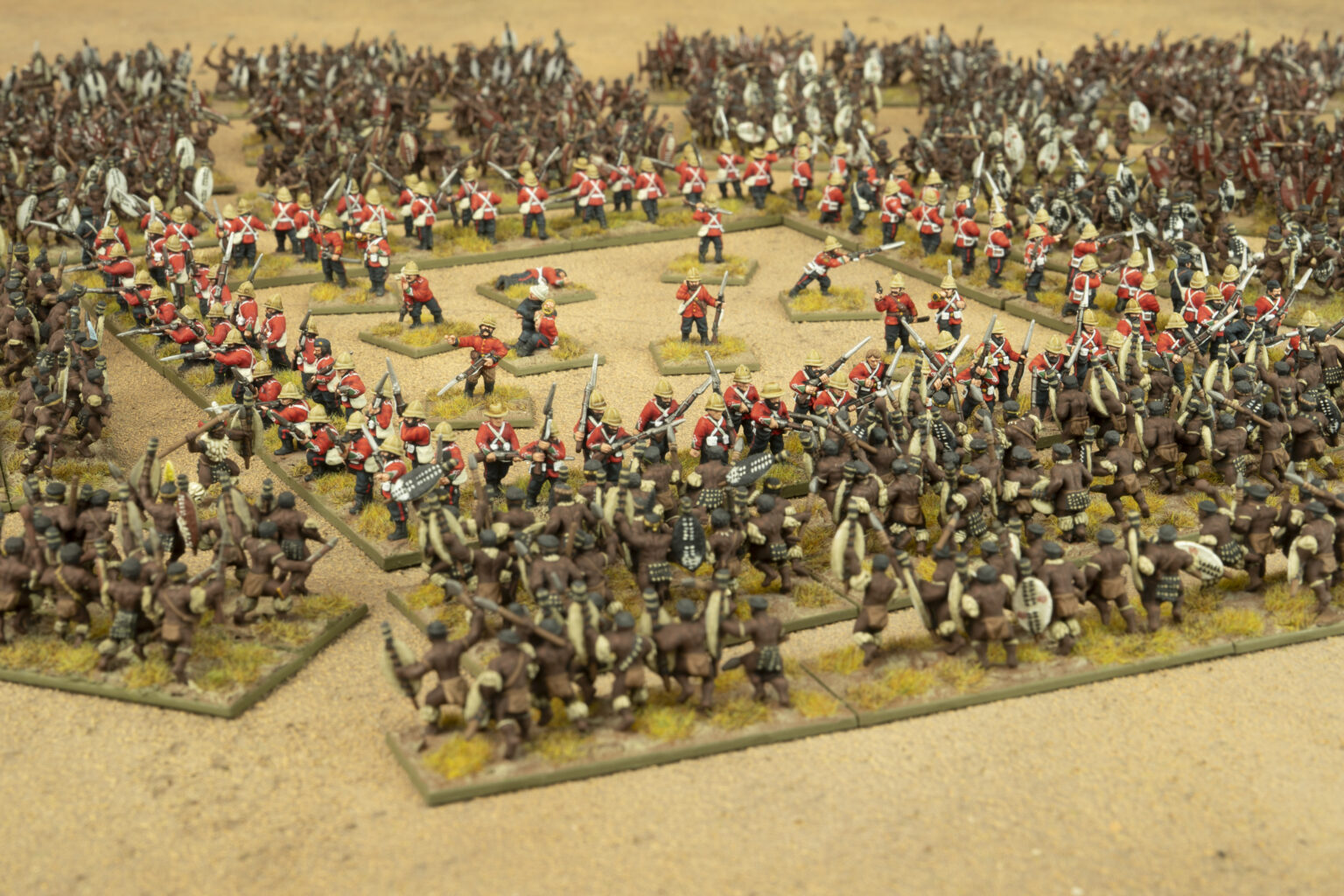
Designer Pete Brown began with Warlord’s existing Zulu! supplement, but many 28mm ideas needed adjustment. Epic scale makes battles like Isandlwana practical because players can represent entire formations rather than isolated sections. However, the rules were deliberately designed to work at several representational scales. A base might represent a section in a small engagement or an entire company during Isandlwana. Remarkably, the Rorke’s Drift box even contains enough British miniatures to represent its defenders roughly one-for-one.
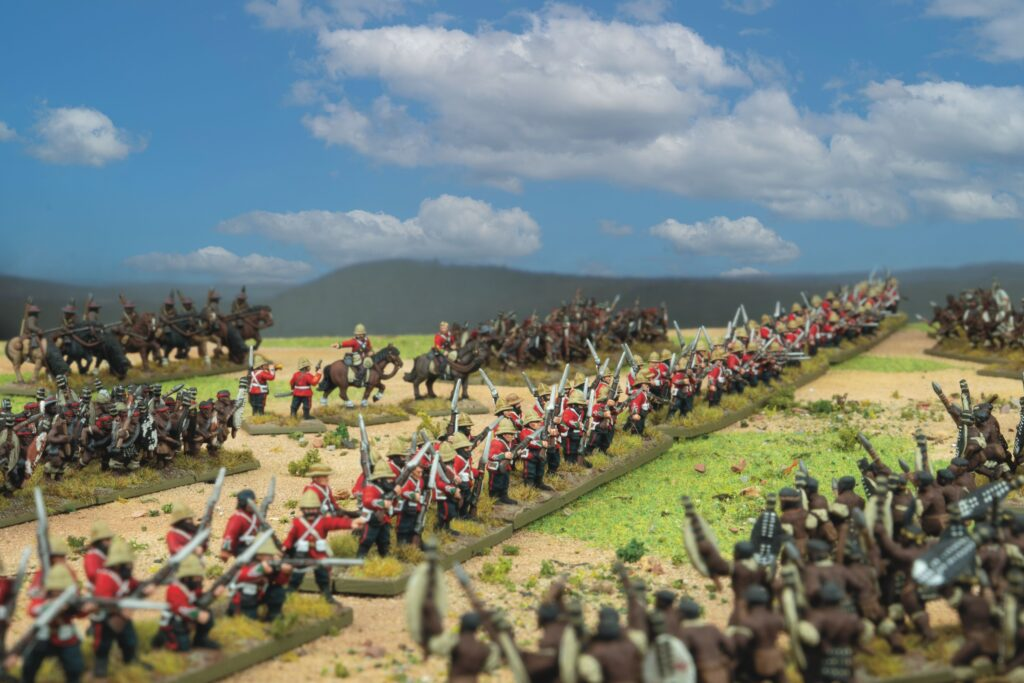
Large Zulu formations created an immediate melee problem. Several deep Impi units could otherwise pile into one stretched British line and overwhelm it unnaturally. Therefore, only one charging Zulu unit contacts the target directly, while additional units provide support. Closing fire received an equally important change. Since Black Powder can allow three moves from one successful command, Zulus could cross open ground before British rifles mattered. Now, British troops receive closing fire for every movement used during that charge. So, a three-move assault generates three rounds of defensive fire. That neatly recreates the brutal race between Martini-Henry volleys and an advancing Impi.
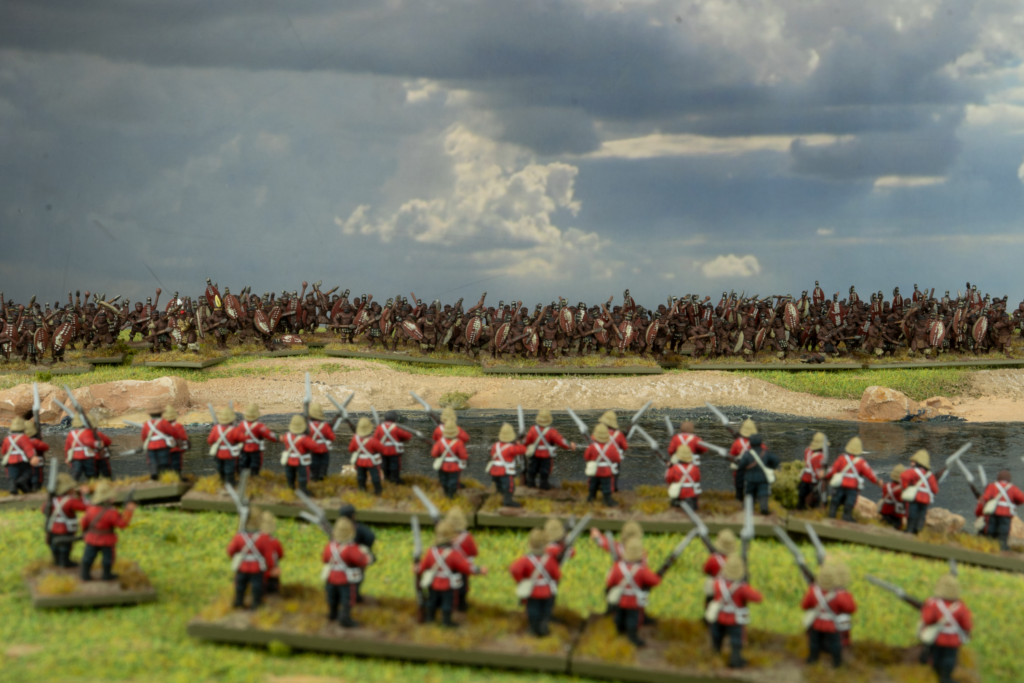
Most Black Powder mechanics otherwise remain familiar, although inappropriate formations and cavalry rules were removed. Weapon ranges and movement were rescaled, while machine guns, lancers, snipers, mounted troops, and dismounted skirmishers receive period-specific treatment.
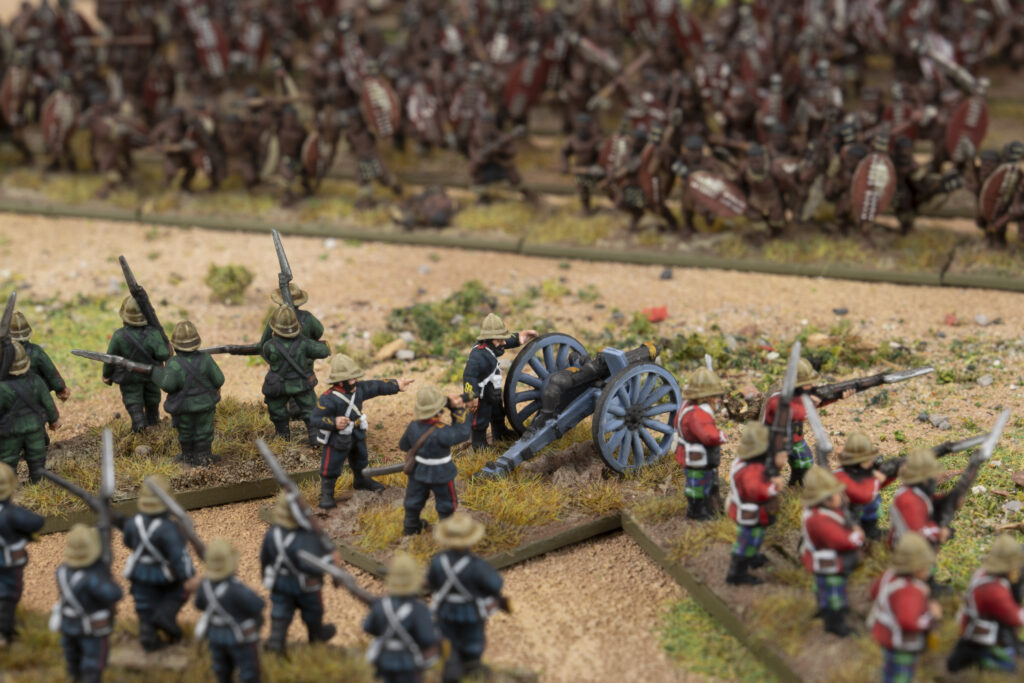
The two headline scenarios also needed different approaches. Isandlwana works naturally as a large maneuver battle where British players risk overstretching their camp defenses. Rorke’s Drift required more scripting, because allowing every Zulu to attack one wall immediately would wreck the scenario. Instead, Zulu reinforcements arrive around different sections as the battle develops. British players must therefore defend the whole perimeter. Building combat was also adjusted so defeated defenders can retreat room-by-room while Zulus follow them inside. That sounds wonderfully claustrophobic on the table.
Summary and Final Thoughts
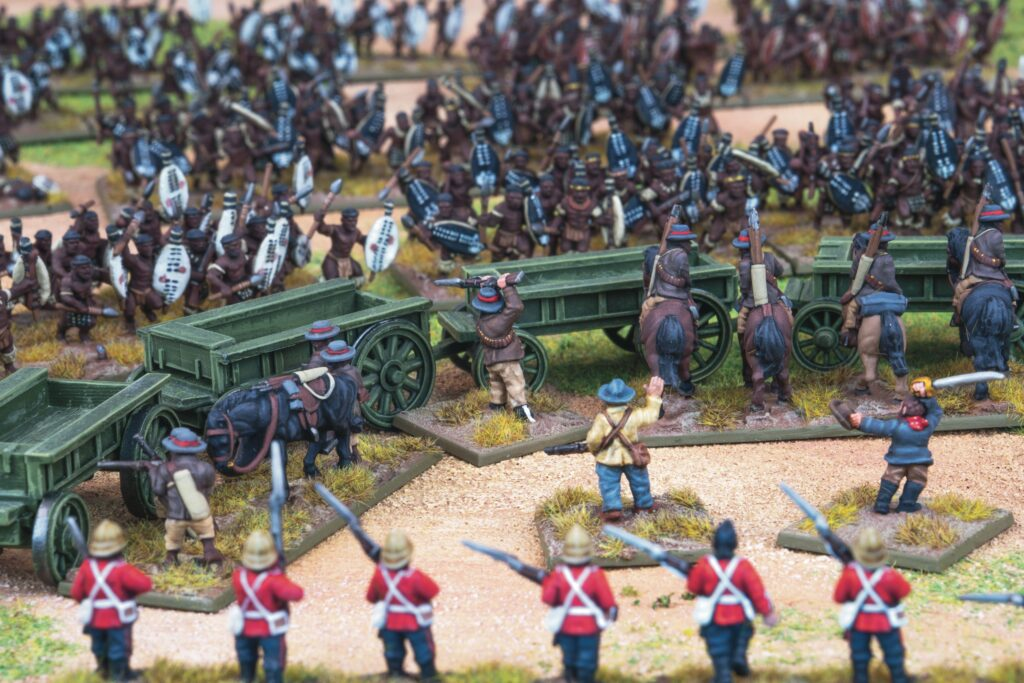
Overall, these Epic Battles: Zulu notes show a thoughtful adaptation rather than a simple Black Powder reskin. The best changes encourage historical behavior without forcing players down one scripted path. Meanwhile, the introductory play sheet strips out command, morale, and shaken rules for faster beginner games. That should make these impressive boxed battles surprisingly approachable.