
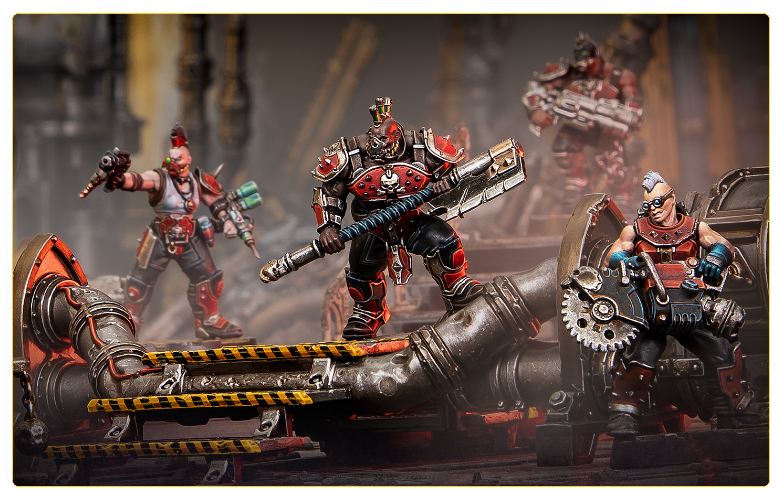
Today’s warhammer news heads deep into the underhive again.
However, this update is more practical than flashy. Goliath players get solid campaign advice from the studio. Meanwhile, terrain builders get pipework with serious modular potential.
House Goliath Wins by Surviving Hits and Taking Ground
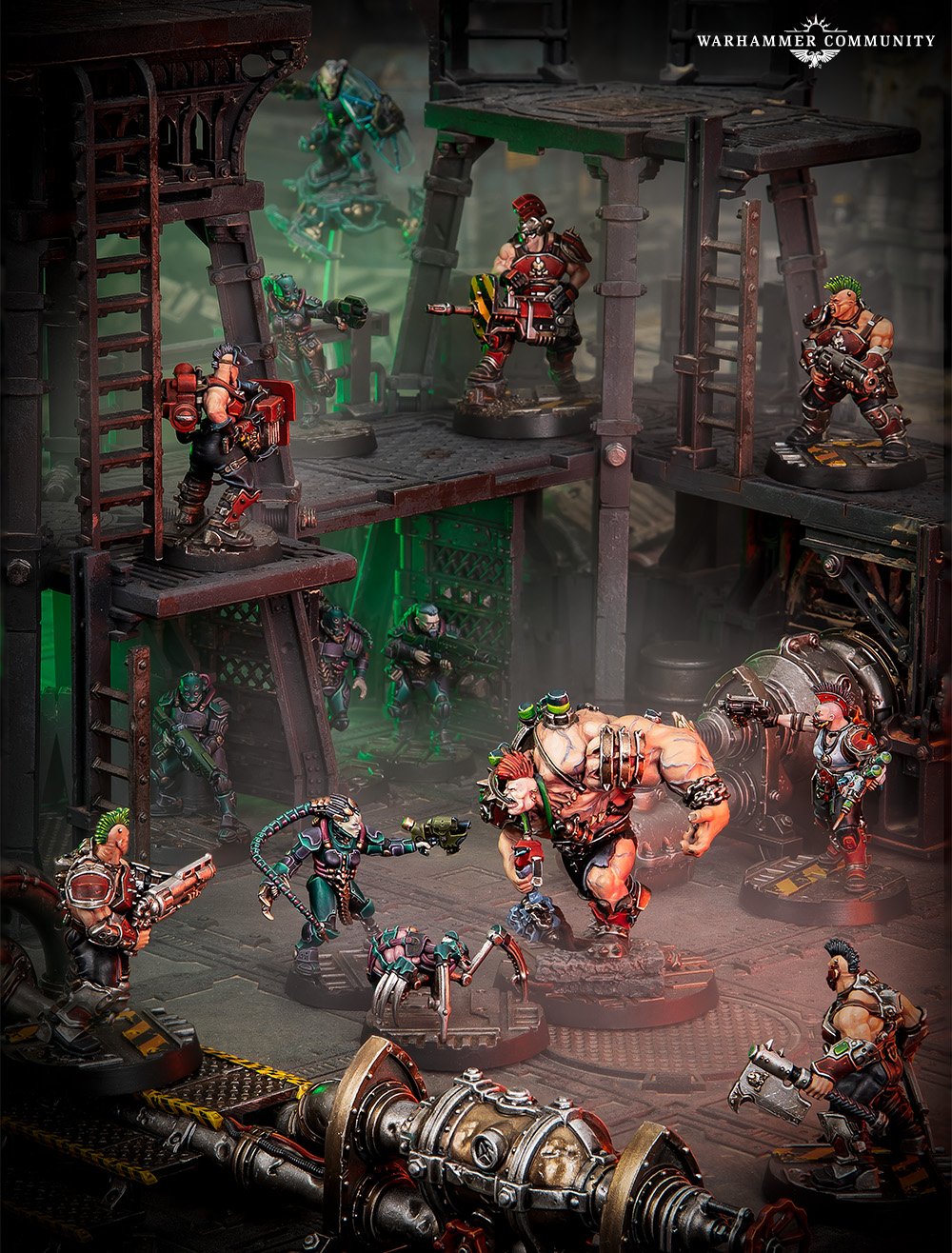
House Goliath advice starts exactly where it should: toughness, strength, and personal violence. In campaigns, Goliaths win by absorbing punishment that would flatten other gangs, then smashing enemies up close. Their default Toughness 4 is higher than other Clan House gangs, and standard Goliaths gain +1 Strength when they Charge. However, variant gangs use different physiological quirks, so list identity still matters. Rob recommends starting with eight to ten fighters and covering four roles: melee, objectives, shooting, and utility.
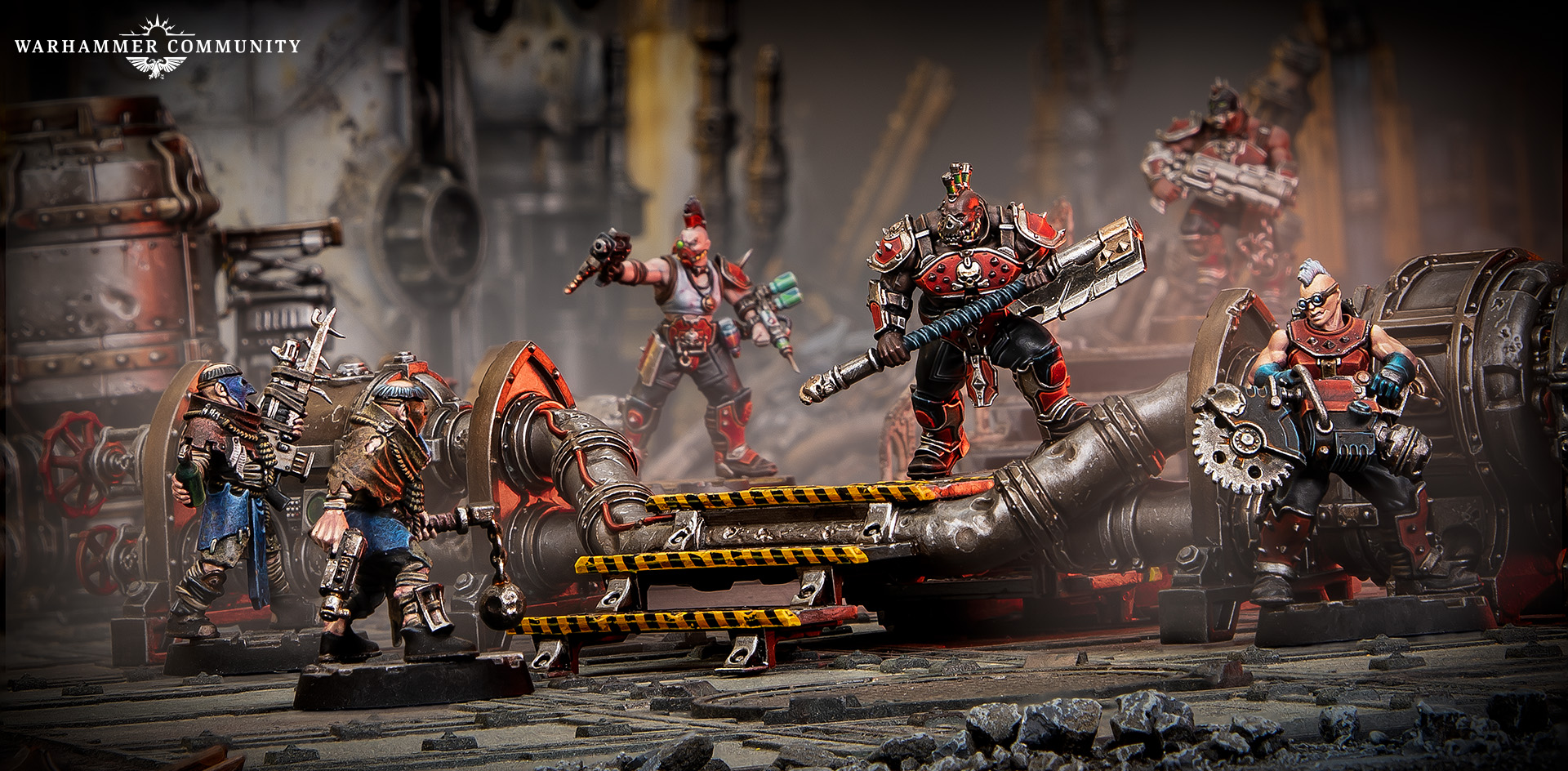
Close combat is essential because melee throws more attacks, and cover does not improve saves there. However, many nasty Goliath weapons are Unwieldy, so mesh armour helps fighters survive before swinging. Objective play is trickier, since Goliaths are slow and have poor Initiative. Still, they clear ground brutally with charges and weapons like the Renderizer.
Meanwhile, stub cannons provide excellent suppressing fire, using 18-inch range, Strength 5, and Knockback 5+ to shove fighters off ledges or objectives. Prospects are useful for objectives, Coup de Grâce actions, and fast advancement. Also, Forge Patchers matter because wounded bruisers need healing after faster enemies stab them first.

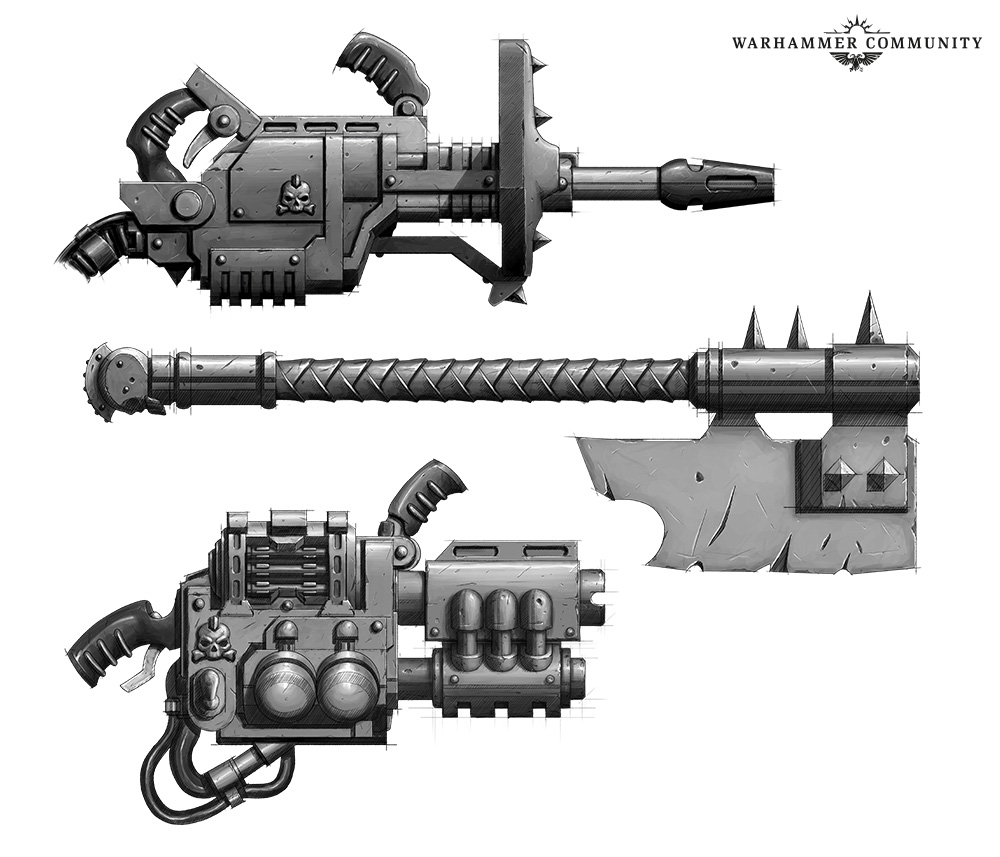
Weapon advice highlights short-ranged brutality, including the Krumper rivet cannon and ignition cannon. Finally, gene-smithing adds deep customization, but negative traits can punish later growth. For campaign development, Train, Work Territory, Trading Post visits, Docs, and bionics all matter.
Factoria Pipes Turn Zone Mortalis Boards Into Industrial Mazes
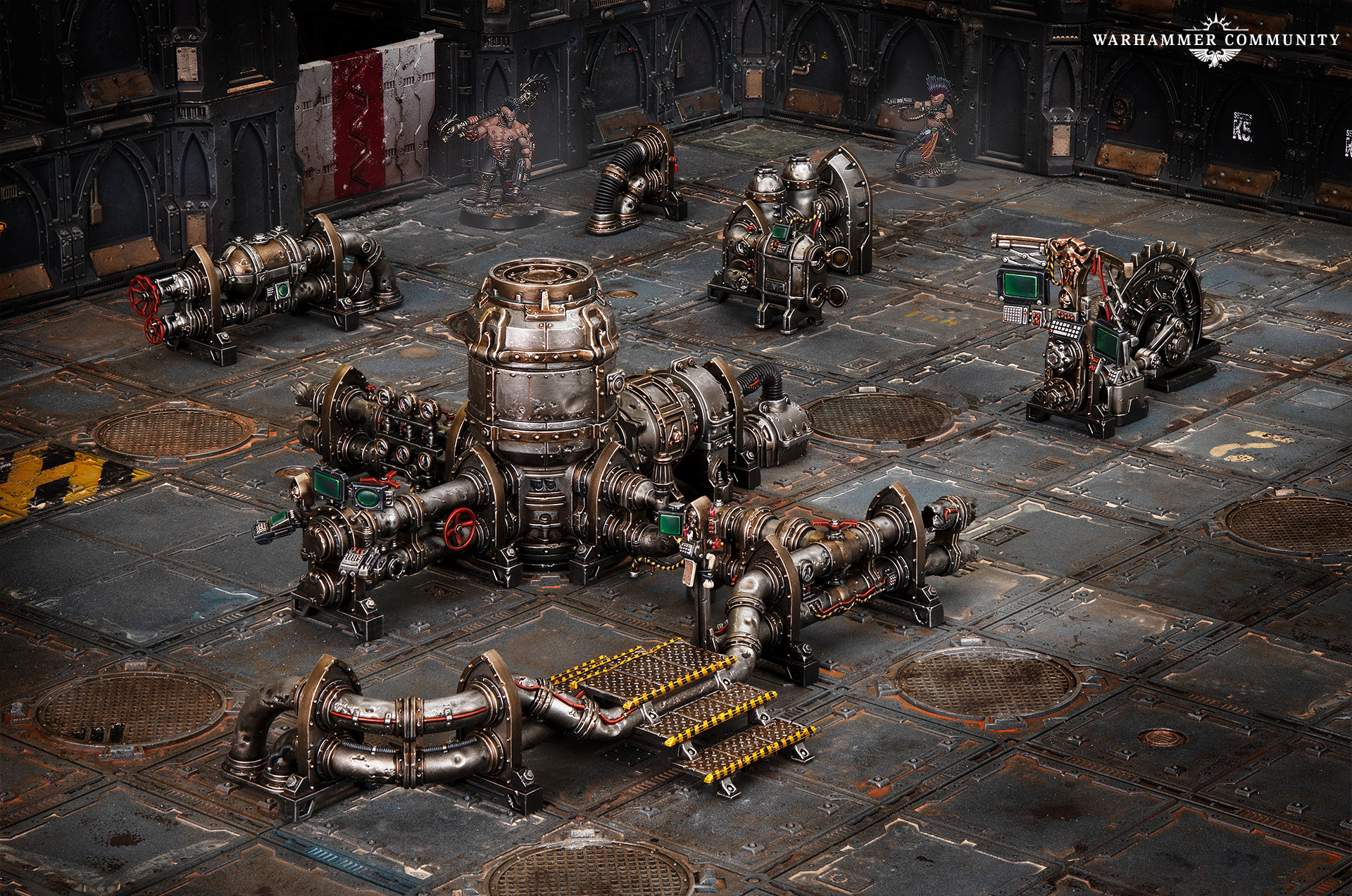
The Zone Mortalis Factoria Pipes look like classic Necromunda terrain candy. They are built from pipe sections, connectors, and end pieces, all using shared fittings for flexible layouts. Therefore, players can build long underhive arteries, compact machinery clusters, pumping stations, or nasty little blocking pieces. The kit includes valves, generators, cranks, and regulators, which helps each build avoid looking repeated.
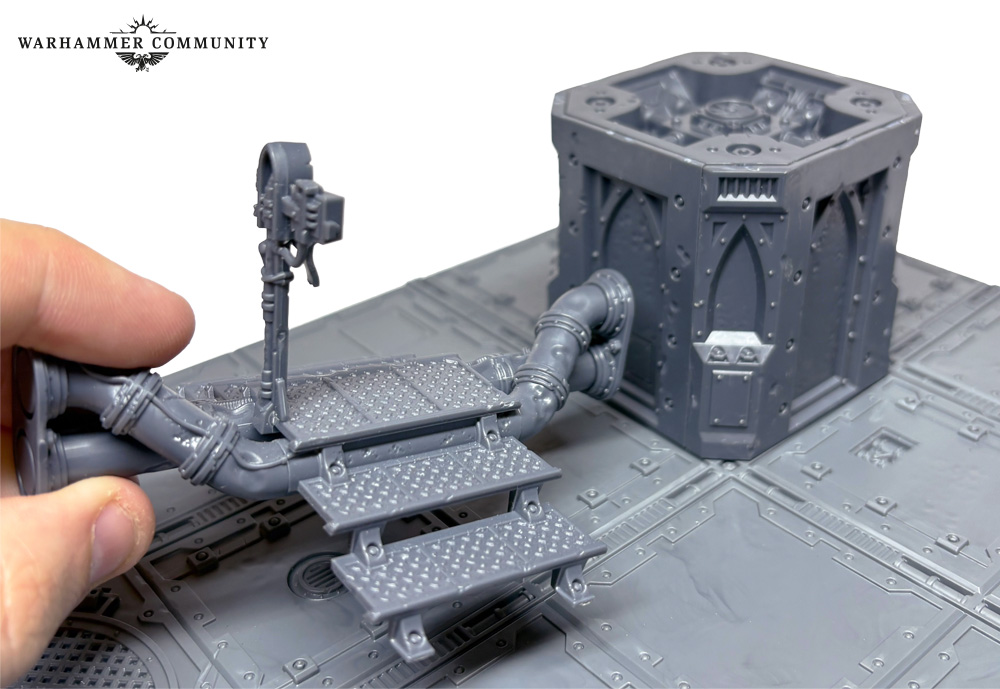
More importantly, it connects cleanly with existing Zone Mortalis columns through two extra attachment plates. Since the floor tiles and wall sections use regular spacing, two pipe sections plus a two-way connector fit neatly between columns. That kind of geometry is boring to describe, but brilliant on the table.
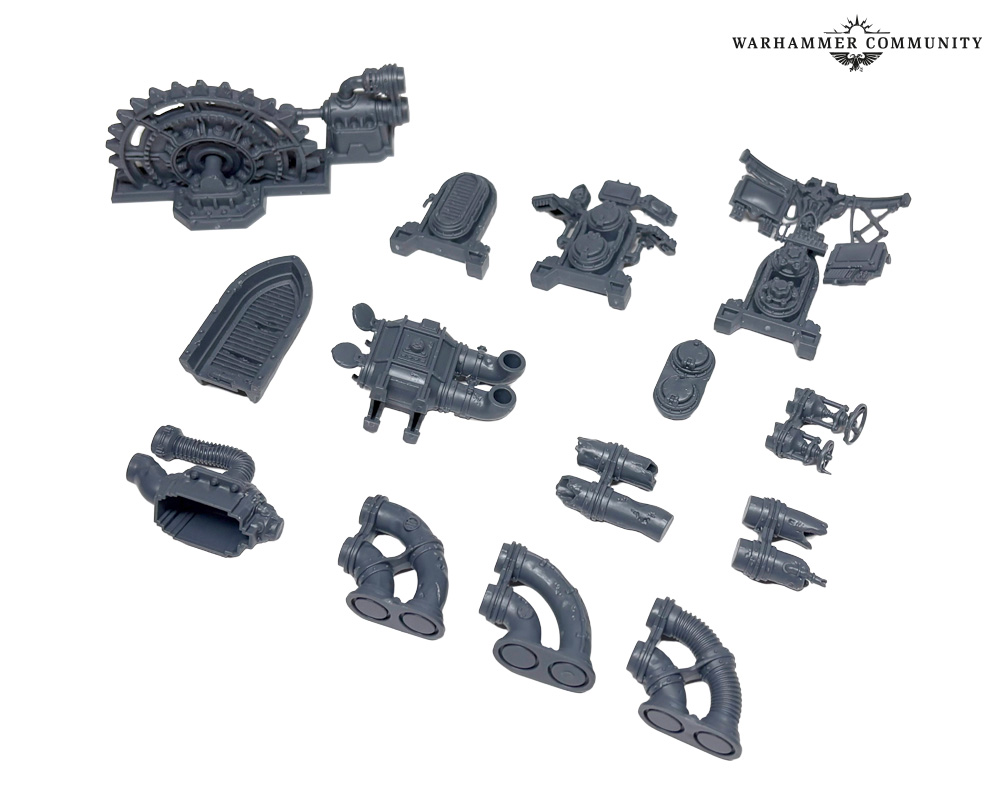
It means less measuring, fewer awkward gaps, and much better modular boards. However, the kit is not limited to flat layouts. With attachment plates and a small extender, players can run pipework vertically up columns.
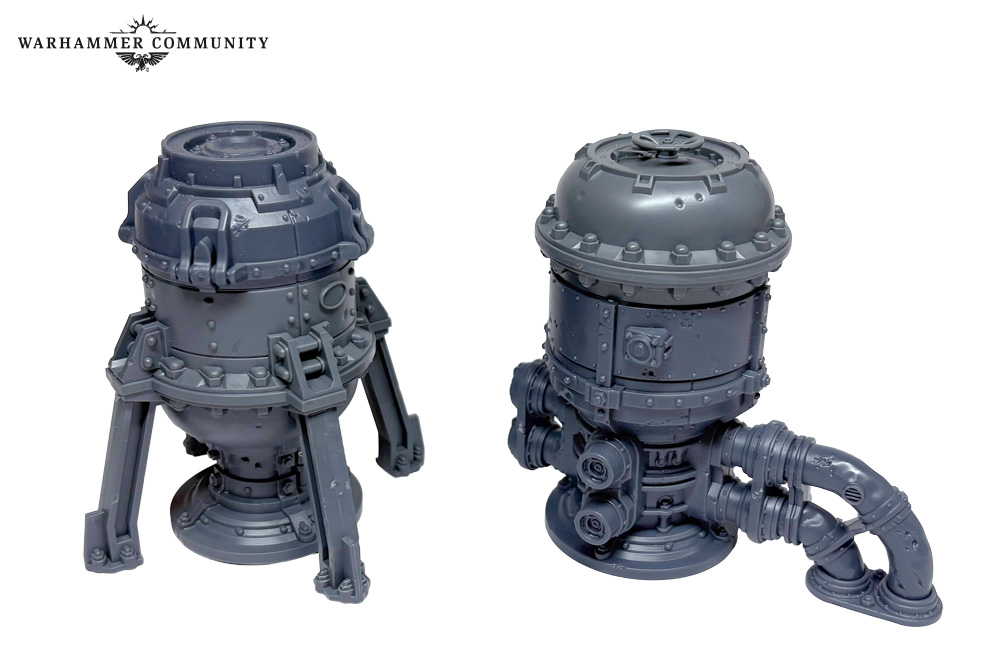
Also, the included silo works with the Gang Stronghold Gunk Tank, adding even more industrial variety. Overall, this is exactly the kind of terrain kit that rewards obsessive hobbyists.
Summary and Final Thoughts
Overall, this is strong warhammer news for Necromunda players. Goliath gangs get useful table advice, while pipe terrain gets real building flexibility. However, both updates share the same appeal. They make the underhive feel meaner, denser, and much more playable.