Starting Bolt Action can feel overwhelming when that first infantry box hits the desk.
However, this guide cuts through the sprue-choice panic quickly. Instead of chasing perfect builds, it focuses on useful foundations. Meanwhile, British plastics show how one box becomes a playable force. This is a summary of a community post found here.
Riflemen, NCOs, and Support Teams Build the Army’s Backbone
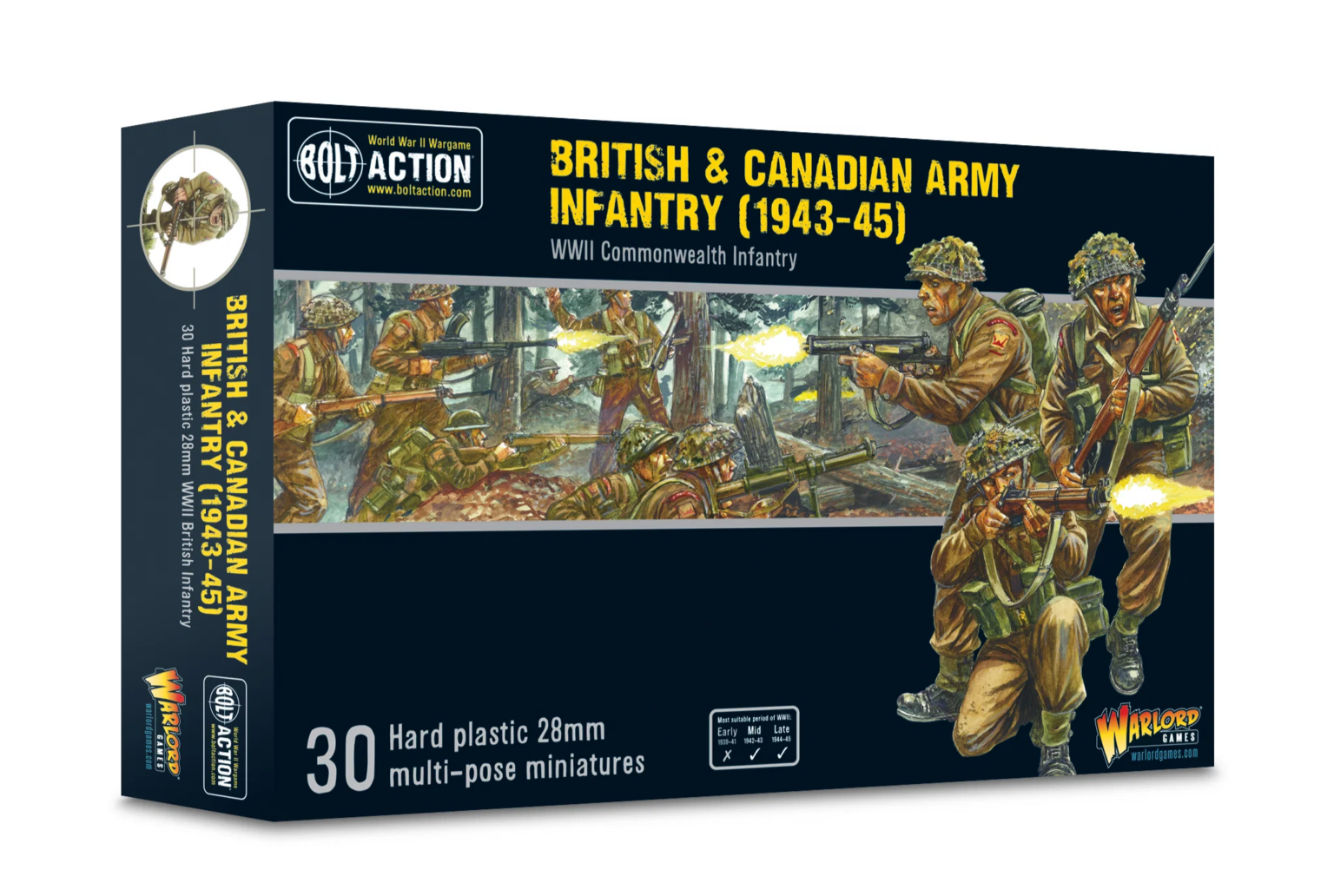
The big lesson for starting Bolt Action is wonderfully simple: build the infantry first. The guide uses the British and Canadian Army Infantry box as its example, because it includes five sprues with enough parts for 30 soldiers. That gives new players a commander, several squads, and optional support teams without needing another purchase immediately.
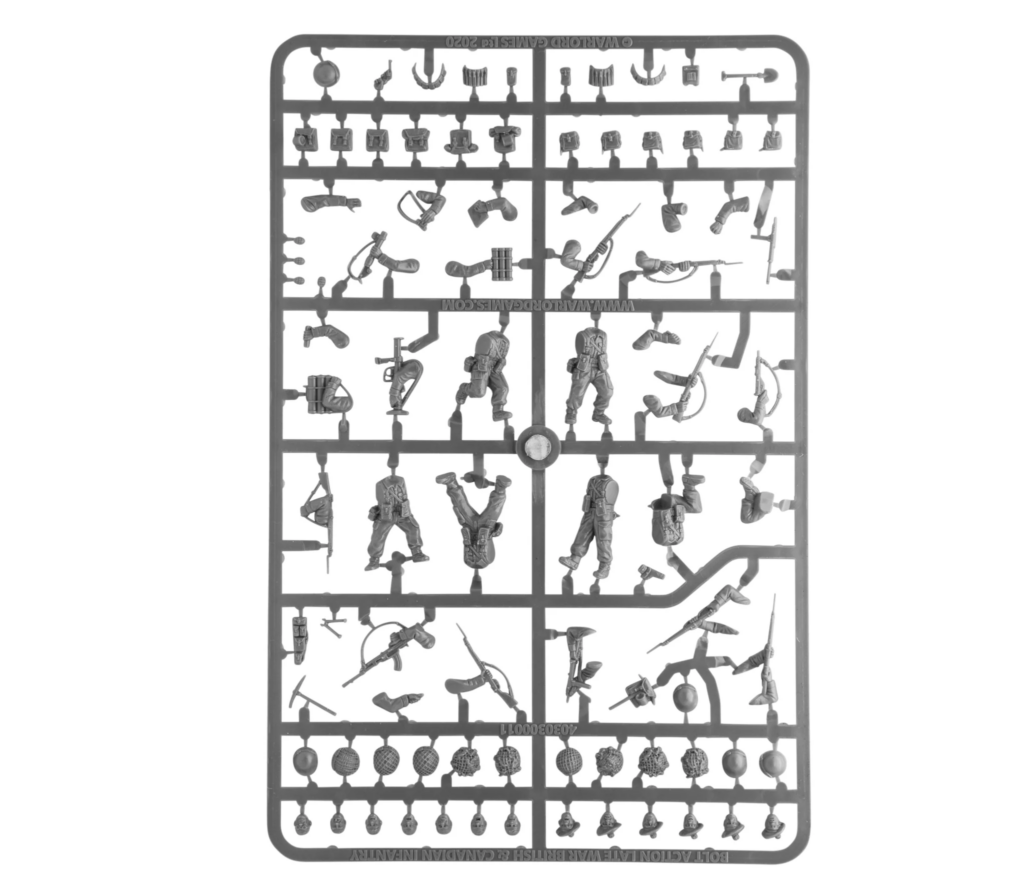
However, the real advice is not to build every shiny weapon right away. Instead, start with a full rifle squad and learn what the frame actually provides. For the British box, that means rifles, Sten SMGs, a Bren light machine gun, officer parts, helmets, packs, pouches, and other characterful bits. The recommended first squad is ten men with an NCO carrying a Sten, one Bren gunner, and a rifleman marked as the Bren loader. That feels very practical, because Bolt Action rewards clear models as much as clever list-building. Nobody wants to pause a game hunting for the squad leader under three layers of khaki.
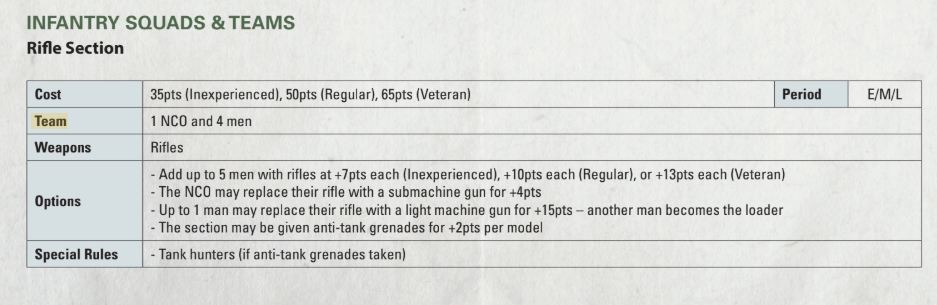
The guide also explains why squad size matters. British rifle sections can run from five to ten men, so players can choose durability or flexibility. Full squads take punishment better, while smaller squads create more Order Dice and battlefield options. However, fragile small units can become useless fast once pins and casualties pile up. The article also highlights how optional weapons create different roles. Some players mix SMGs and LMGs, while others make squads specialize in either assaulting or fire support.
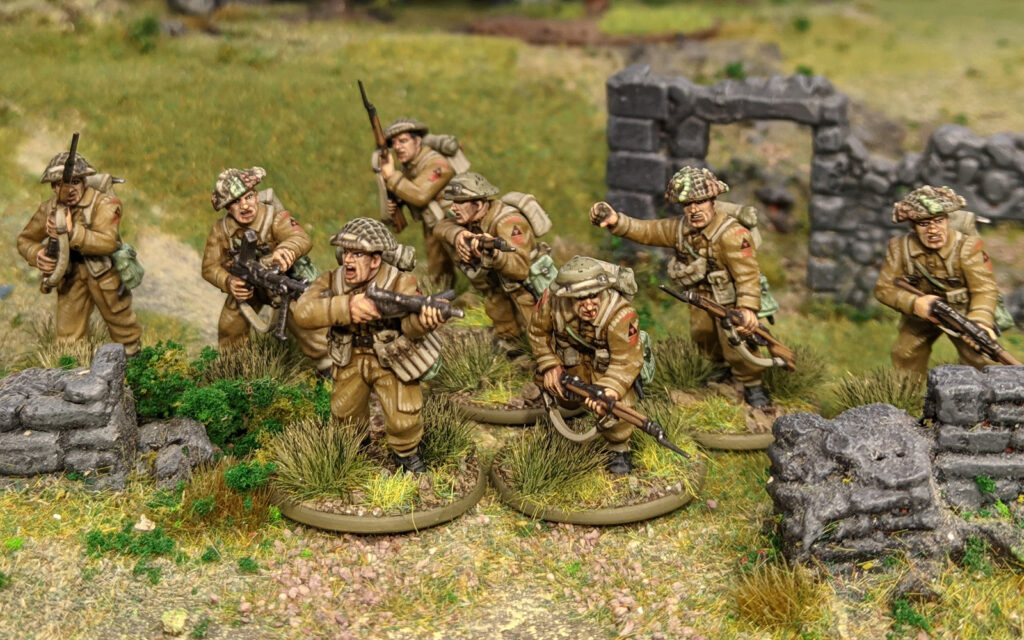
Meanwhile, the box can also build officers, light mortars, PIATs, snipers, flamethrowers, or other support depending on the kit. Other British ranges get a quick tour too. Winter infantry add engineer gear, greatcoats, a sniper rifle, and extra officer caps.
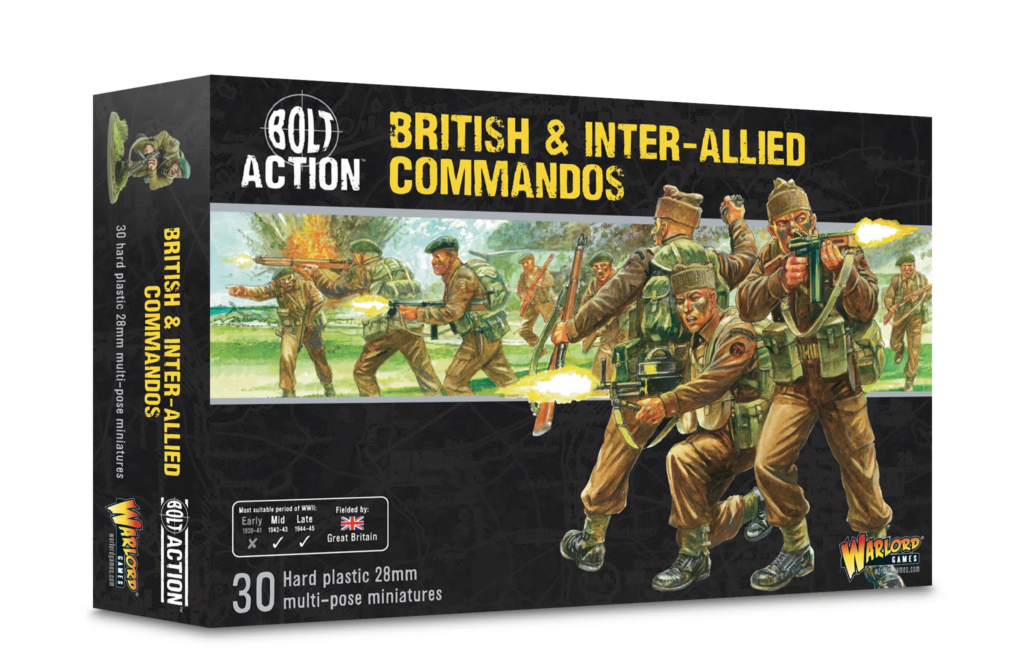
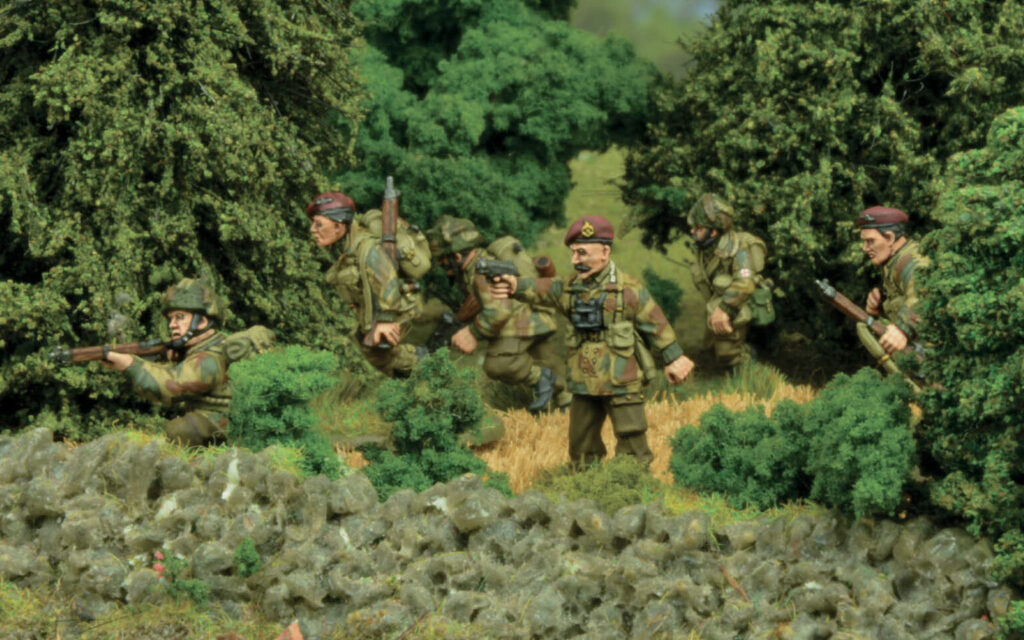
Commandos bring huge packs, fighting knives, Thompson SMGs, PIATs, light mortars, and Vickers K guns. Paras get Brens, Stens, PIATs, light mortars, and a brilliant hunting horn. Finally, the 8th Army and Commonwealth kits add desert character, Boys rifles, Sikh heads, Tam O’Shanters, slouch hats, and SAS or LRDG options.
Summary and Final Thoughts
Overall, this is exactly the kind of guide newer players need. It avoids turning the first kit into homework, while still respecting history and table function. However, the best takeaway is also the funniest one. When in doubt, build more riflemen, because Bolt Action armies always need more regular blokes doing dangerous work.