
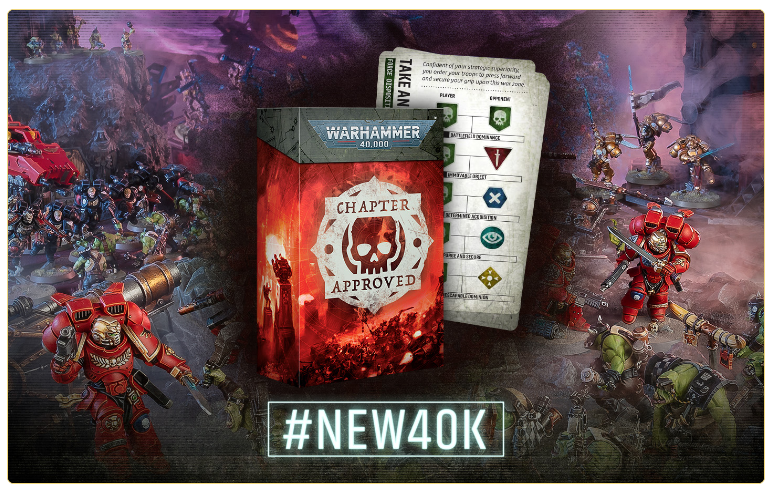
Warhammer is having one of those weeks where every system gets something useful. For 40k players, the mission structure looks different. Meanwhile, the Adeptus Mechanicus finally feel like their weird toolkit is being celebrated. However, Heresy fans get another flavorful slice of old campaign lore. Together, these updates give players rules, background, and plenty of hobby fuel.
Chapter Approved Makes Army Plans Shape the Mission
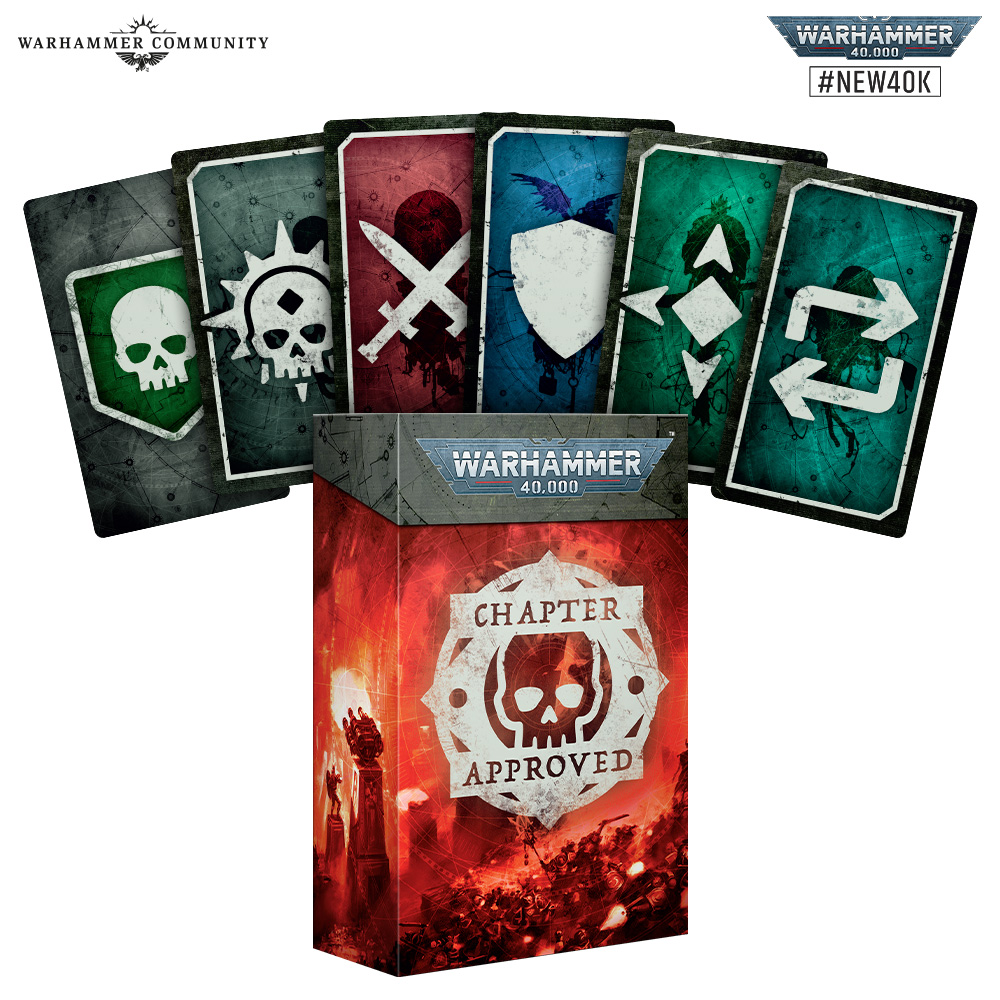
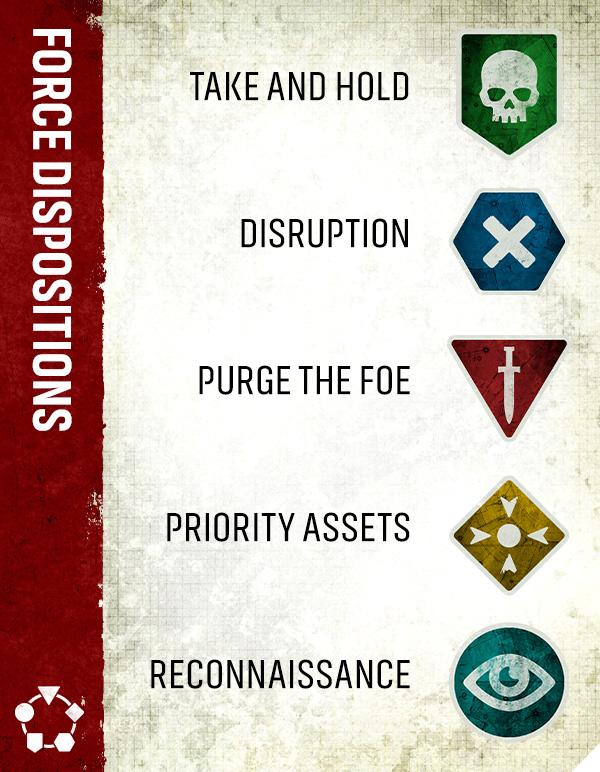
The new Chapter Approved deck looks like one of the biggest mission shifts in recent 40k memory. Instead of every army arriving with the same vague plan, each detachment connects to a Force Disposition. There are five of these broad orders: Take and Hold, Disruption, Purge the Foe, Priority Assets, and Reconnaissance.
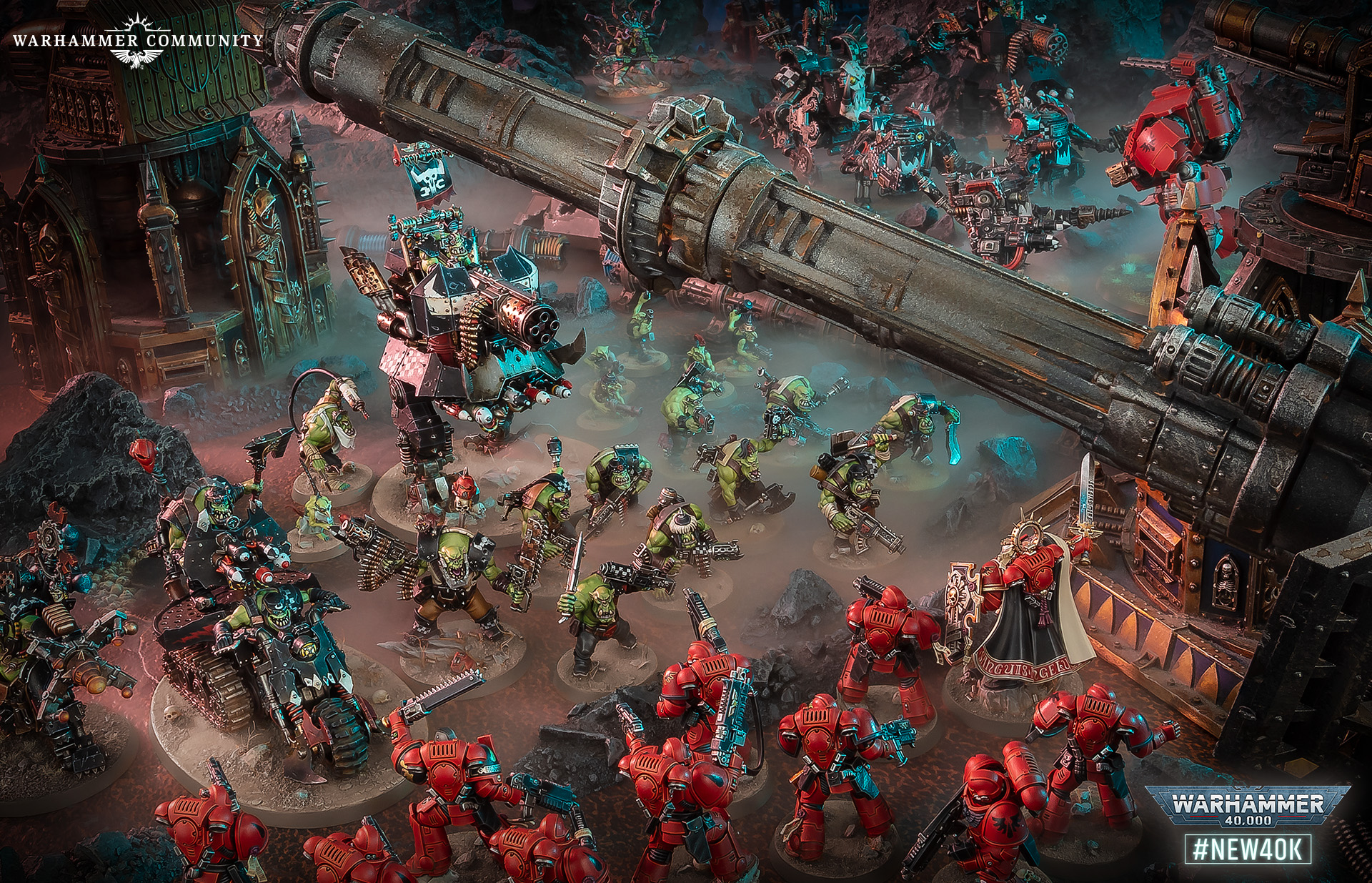
As a result, your army’s build now helps define what kind of battle you are fighting. A Purge the Foe force facing Take and Hold should feel different from one hunting Reconnaissance raiders.
In casual games, players can choose between available dispositions before each battle, which should help regular opponents keep things fresh. Additionally, the deck includes terrain objective maps for quick casual setup, without becoming as rigid as event terrain. The 15 mission matchups come from those five dispositions, adding variety while keeping structure.
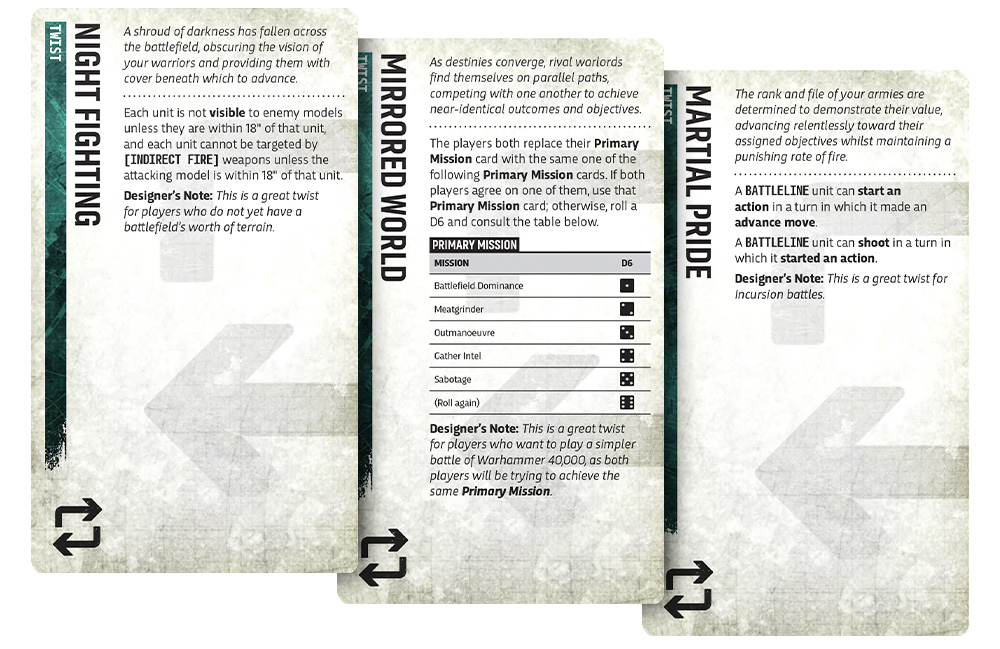
Twists also return with dramatic options, including effects like Hidden across an entire army. Secondary missions get an equally important refresh.
Now you draw two new Secondary Mission Cards every Command Phase, which reduces the pain of bad draws. However, you can score only 15 secondary points per turn, so hoarding everything for one huge turn is capped.
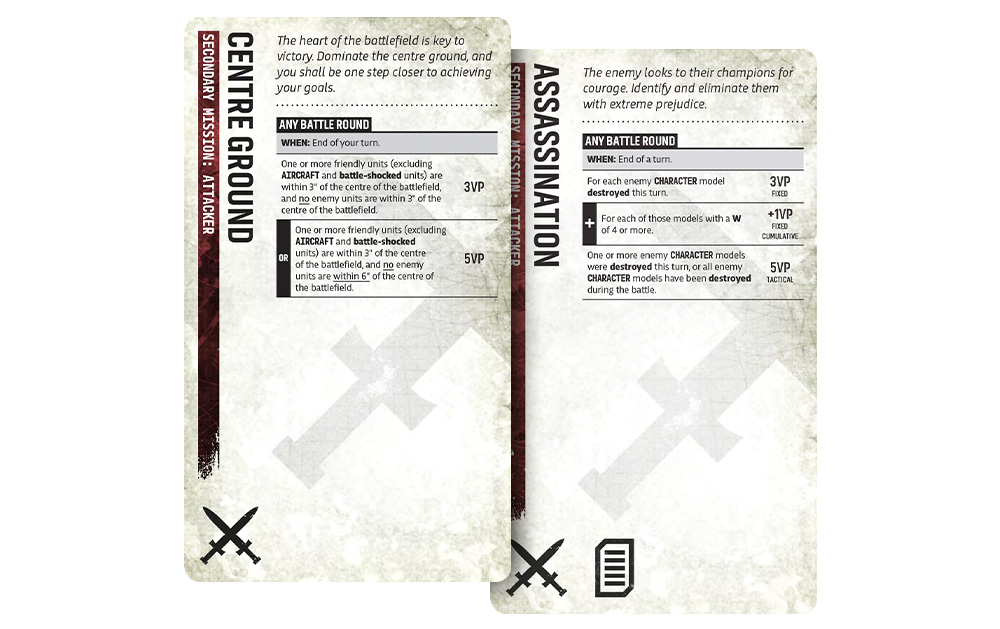
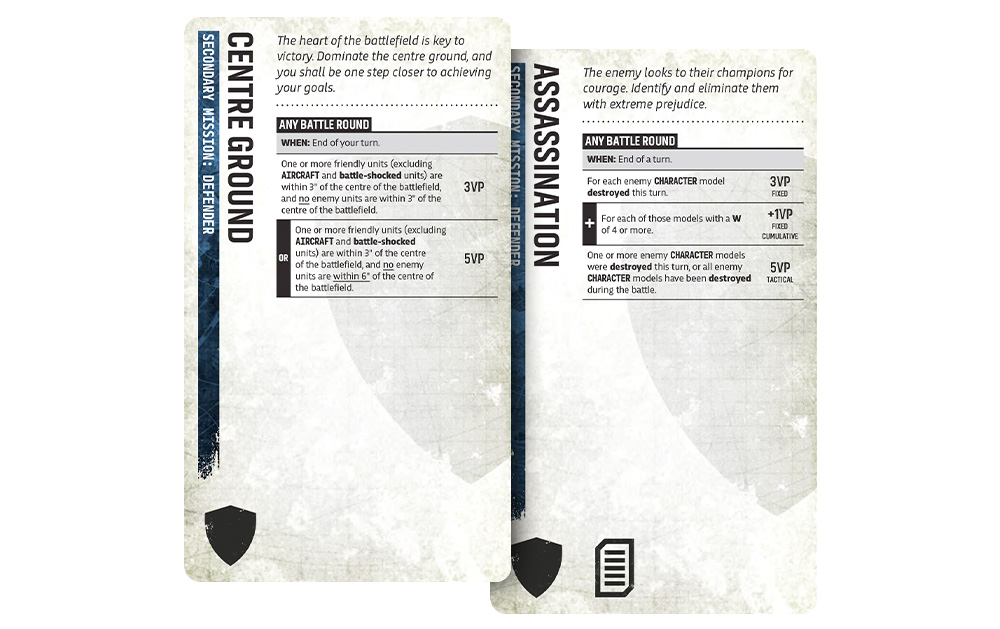
Better still, you do not have to score a card immediately. Therefore, you can hold it for full value, assuming your army survives long enough. For events, the upcoming companion PDF locks each player into one disposition and adds three layouts per mission.
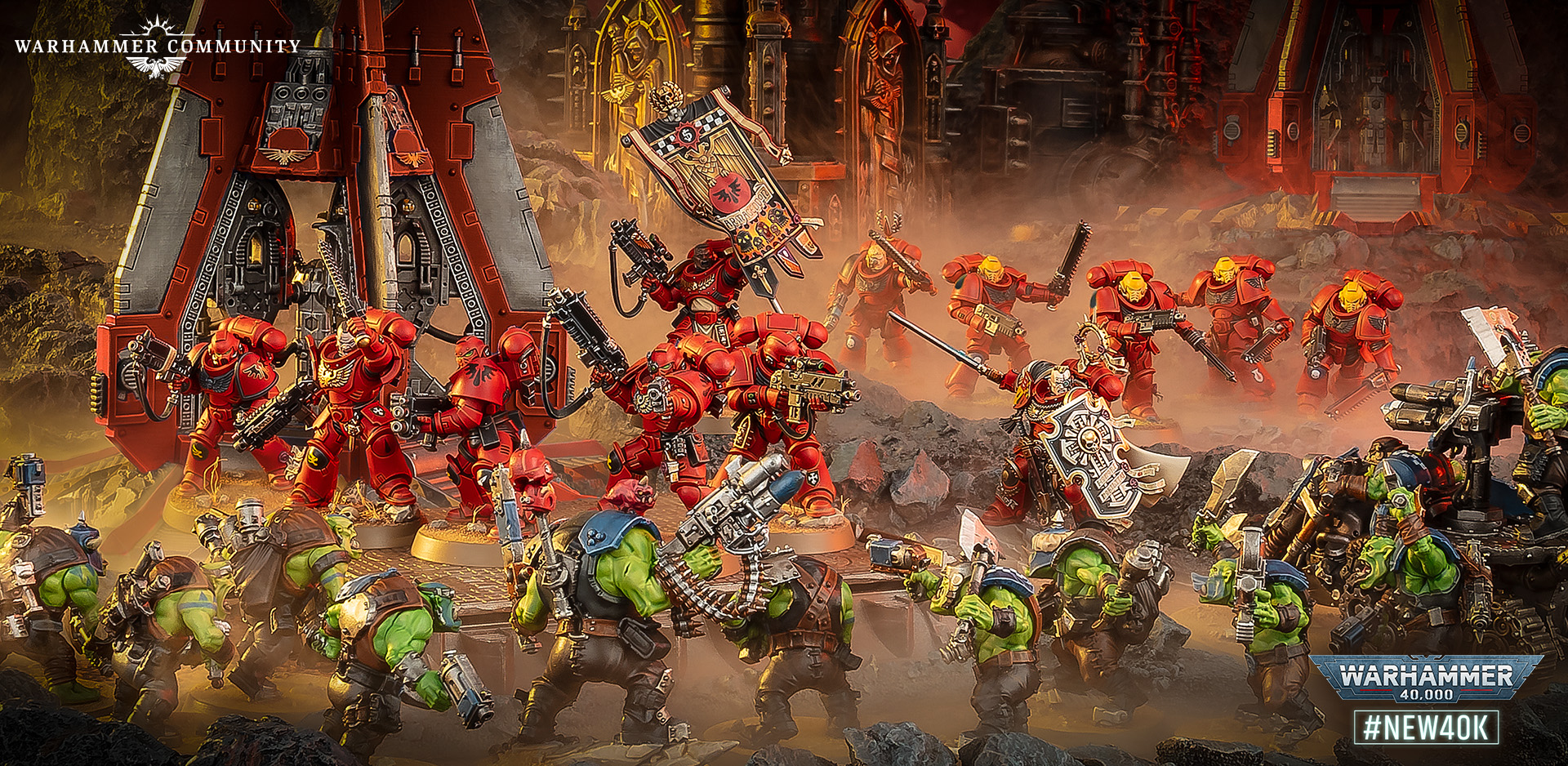
That helps tournaments, because variety stays high while expectations remain clear. Overall, Chapter Approved seems built around agency, army purpose, and less mission sameness.
The Coronid Deeps Return With Industrial-Scale Heresy Horror

The Heresy lore download revisits the Conquest of the Coronid Deeps, which remains a great reminder of the Black Books’ scale. After the Dropsite Massacre, Horus moved against the Coronid Deeps, a heavily industrialised region in the northern Imperium. That location matters, because the Heresy was not only Primarch duels and legion showpieces. It was also about shipyards, factories, supply lines, and entire systems being cut away from Terra. The Traitors began in the Cyclops Cluster, isolating systems before the Warmaster unleashed Mortarion and the Death Guard.
The material originally appeared in The Horus Heresy Book Four: Conquest from 2014, and follows events toward the Manachean Commonwealth. It also includes background on key planets, which is exactly what Heresy players need for grounded campaigns. These Black Book excerpts are useful because they turn abstract galactic war into usable table ideas.
A small Zone Mortalis fight can suddenly represent a dockyard purge. Meanwhile, a big battle can decide whether a loyalist forge world keeps breathing. The preview nudges Death Guard players toward MKIII Breacher Squads, which fit the theme beautifully. Heavy armor, shields, and grinding corridor warfare are pure Coronid Deeps energy. Finally, the series continues in two weeks with White Scars material, which should shift the mood completely.
Adeptus Mechanicus Detachments Reward Scouting, Priests, and Electric Weirdness
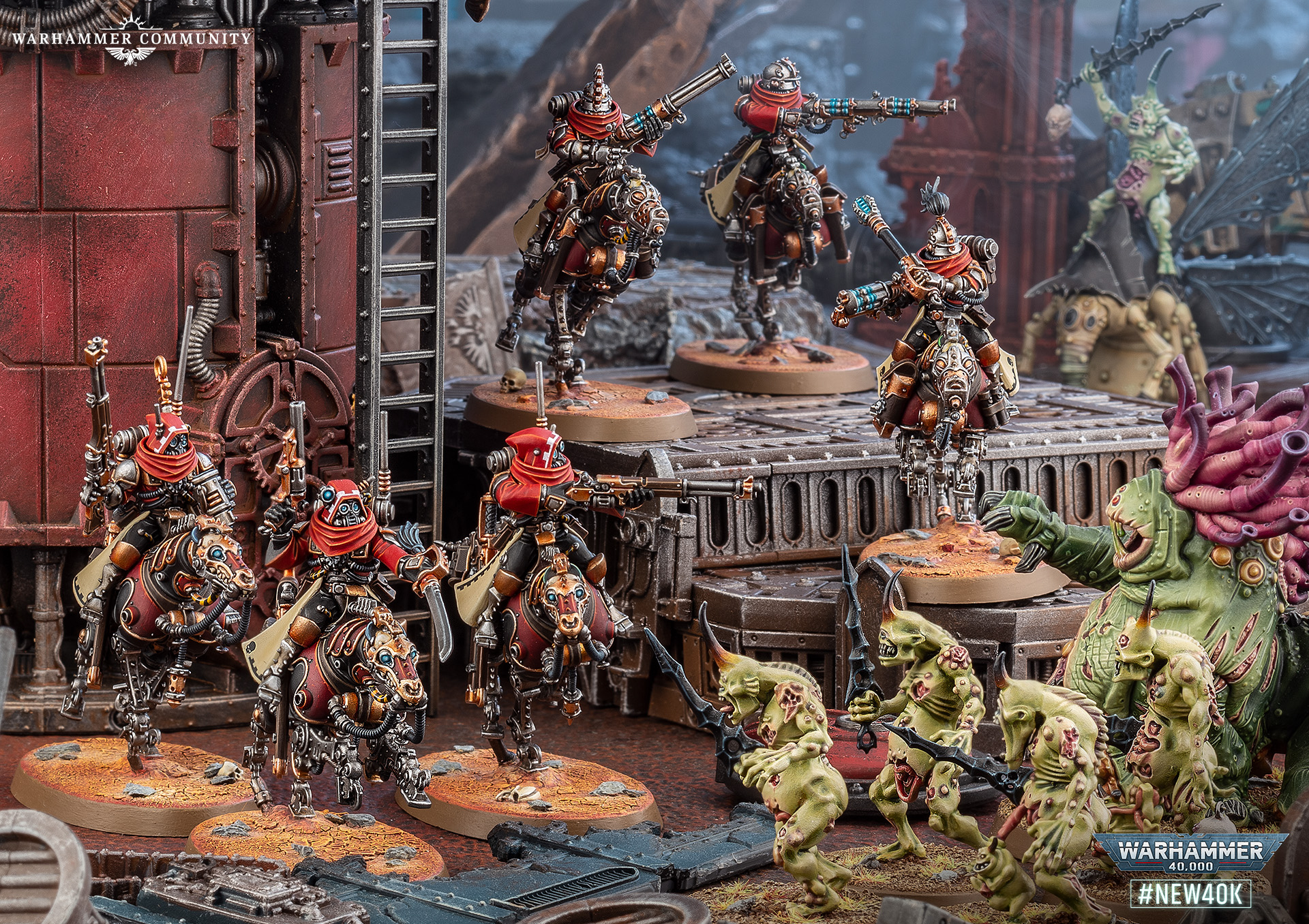
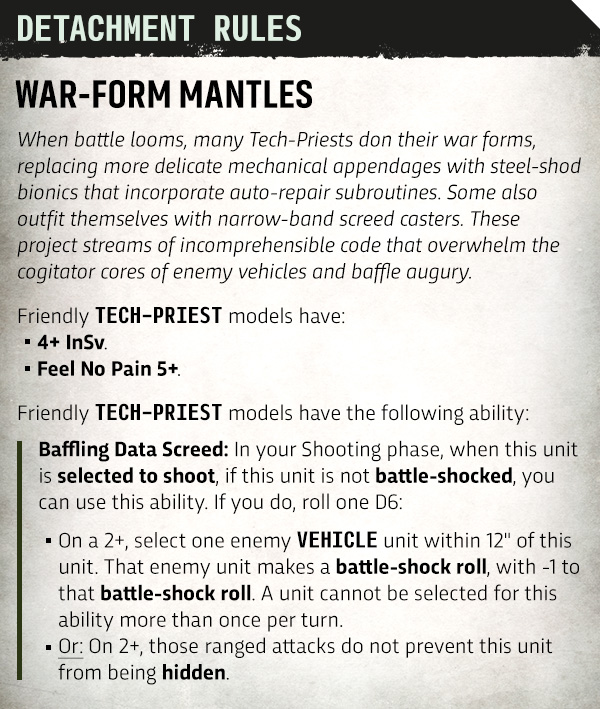
The Adeptus Mechanicus Faction Focus gives the Priesthood of Mars three different toys, and that is exactly what the faction needs. Cohort Acquisitus turns fast Skitarii into hunter-scanners, giving Pteraxii, Infiltrators, Rangers, Serberys Raiders, and Sulphurhounds Recon Augury.
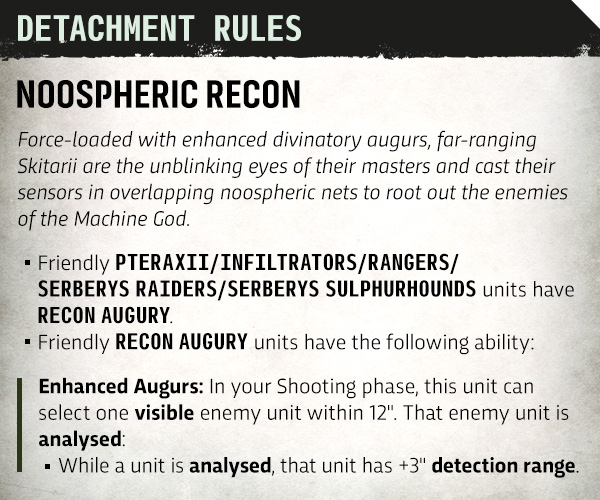
In practice, Enhanced Augurs lets those units mark a visible enemy within 12 inches, increasing its detection range by 3 inches. That matters in the new edition’s hidden game, because the army can expose valuable targets before the guns speak.
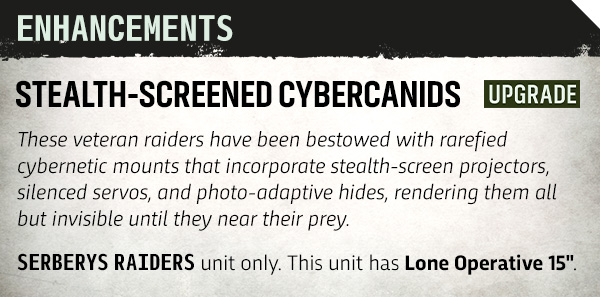
Meanwhile, Stealth-Screened Cybercanids gives Serberys Raiders Lone Operative 15 inches, which is wonderfully annoying.
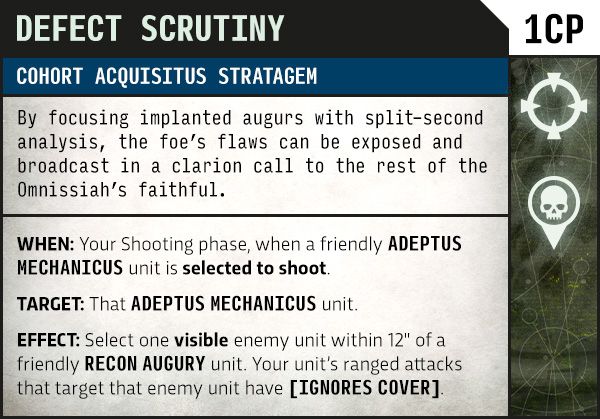
Defect Scrutiny then lets an Adeptus Mechanicus unit gain Ignores Cover against a target near a Recon Augury unit. So, the detachment rewards the classic AdMech idea of sensors first and murder second. Lords of the Forge shifts hard into Tech-Priest durability.
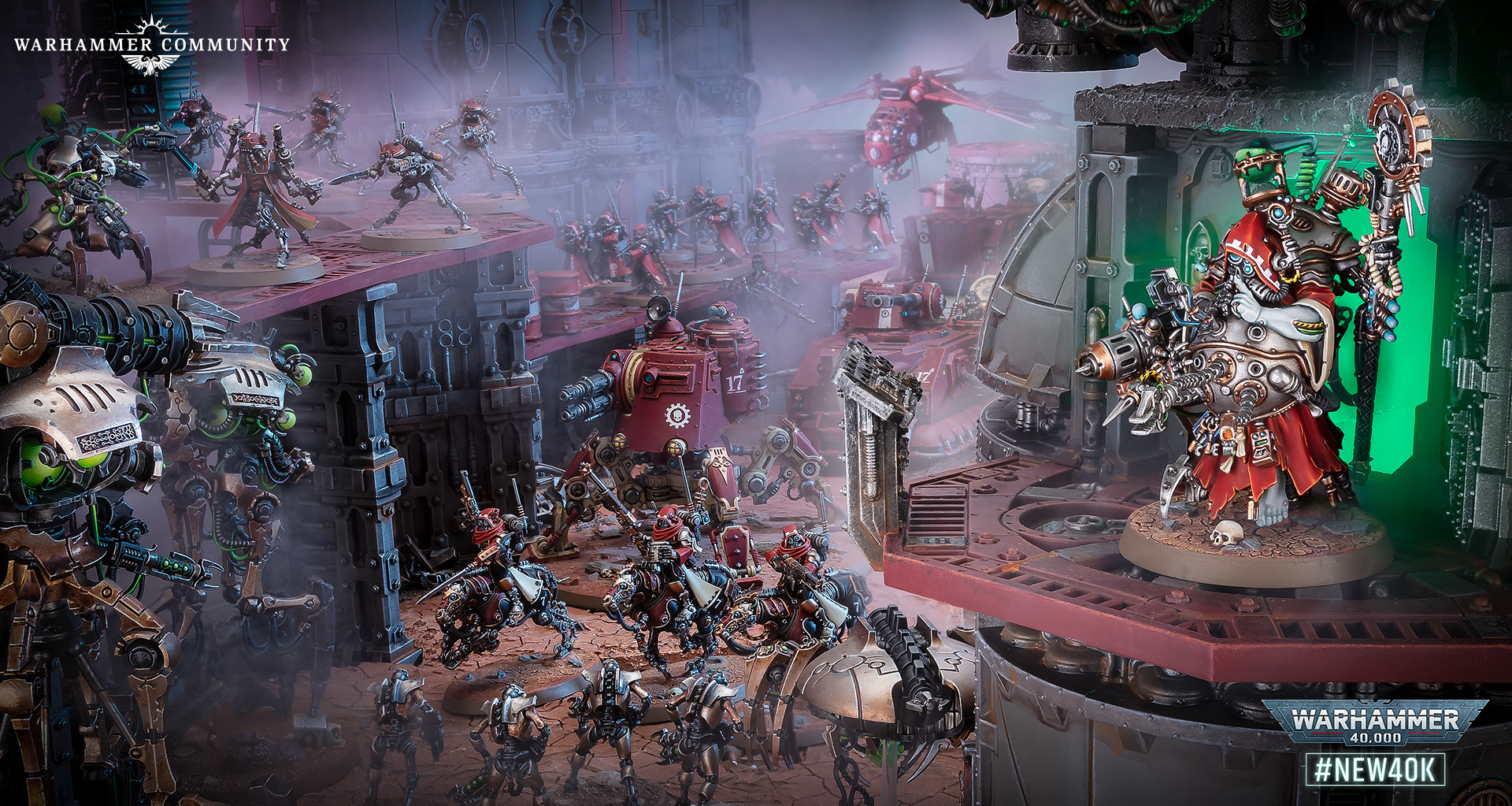
War-Form Mantles give Tech-Priest models a 4+ invulnerable save and Feel No Pain 5+. Additionally, Baffling Data Screed can force a nearby enemy Vehicle to take a battle-shock roll at minus one.
Alternatively, it can let the Tech-Priest shoot without losing Hidden, which is sneaky for a walking shrine.
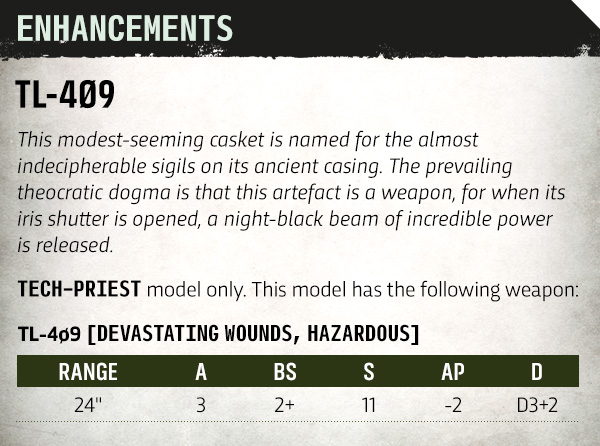
The TL-4Ø9 enhancement adds a brutal Hazardous beam weapon with Devastating Wounds, Strength 11, and D3+2 damage.
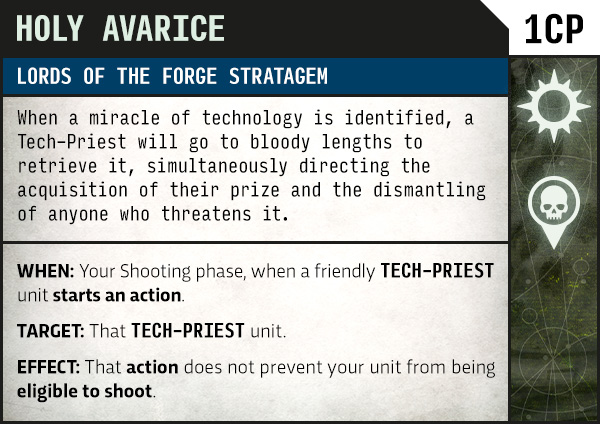
Holy Avarice also lets a Tech-Priest start an action and still shoot, perfect for relic-hungry cyborg archaeologists.
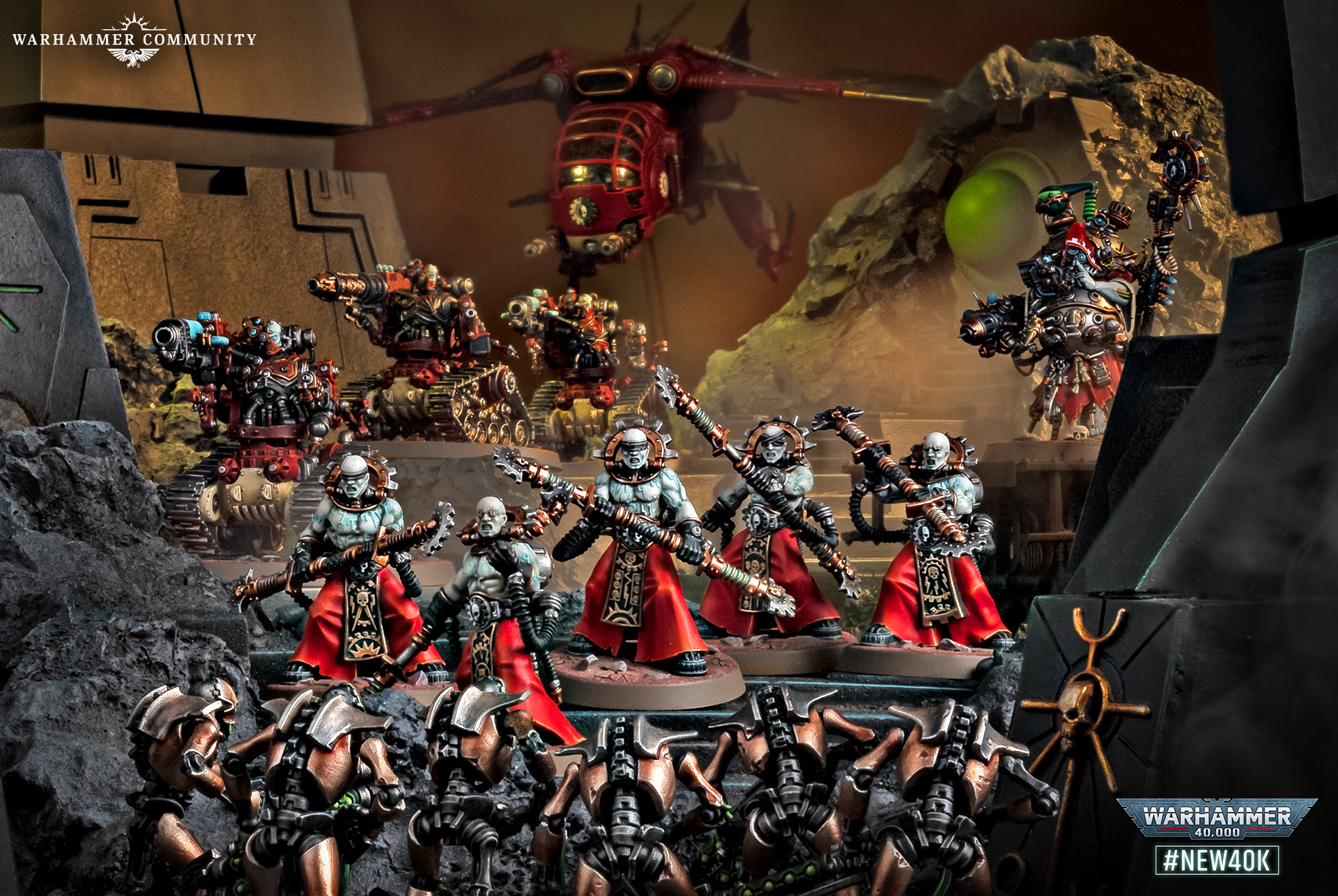
Finally, Luminen Auto-choir gives Electro-Priests some needed personality. Corpuscarii gain Lethal Hits on ranged attacks, while Fulgurites heal D3 wounds after fighting.
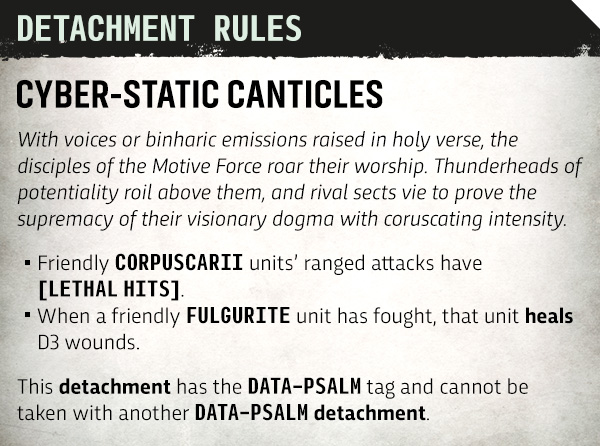
Since Fulgurites already protect characters well, that staying power is not trivial.
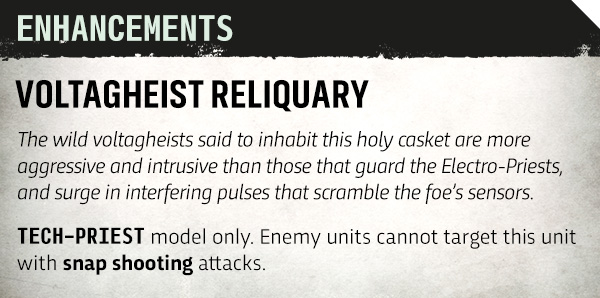
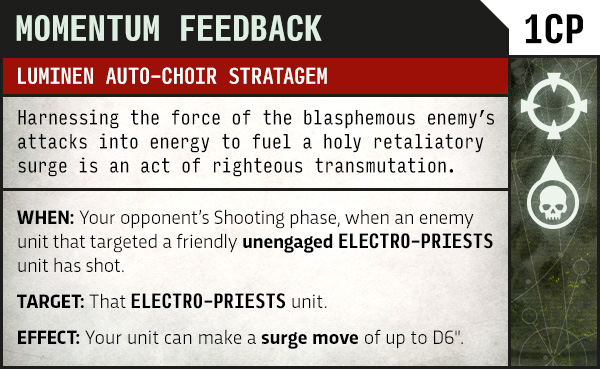
The Voltagheist Reliquary blocks snap shooting against a Tech-Priest’s unit, helping fragile zealots cross open ground. Momentum Feedback then lets unengaged Electro-Priests surge D6 inches after an enemy shoots them.
Overall, these detachments make AdMech feel layered, strange, and properly technical again. Better still, they can pair with existing Codex detachments, including Skitarii Hunter Cohort.
Overall, this is a strong spread of updates. Chapter Approved appears to reshape how 40k missions are chosen and scored. Meanwhile, Adeptus Mechanicus players get detachments that finally lean into scouting, tech-rituals, and lightning priests. Heresy players also get a useful campaign hook from the Coronid Deeps.