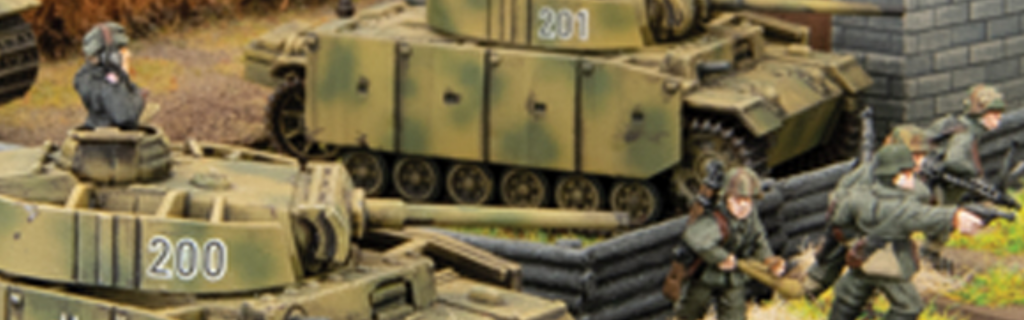
Late war Flames of War is always at its best when it gets weird. So, these two Battlefront pieces lean hard into that energy.
One looks at a scratch-built German battlegroup full of ambush tools and desperation. Meanwhile, the other dives into one of the strangest tank hunters of the Berlin fighting.
You can head to their blog to get the full news or check out our summaries below:
A makeshift SS battlegroup turns Paderborn into a nasty Late War anti-tank trap
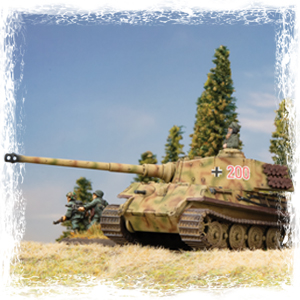
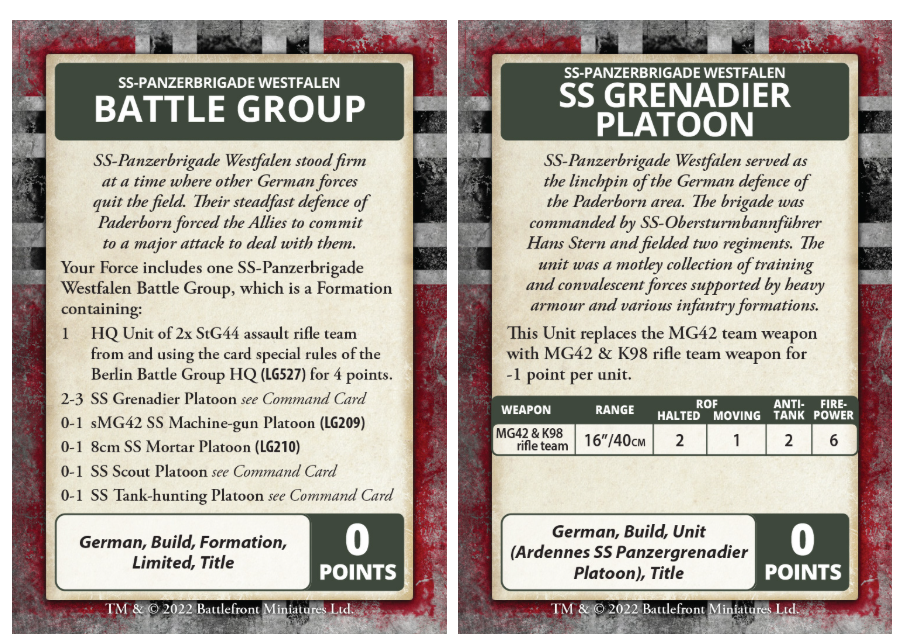
The Westfalen piece is really about how Command Cards let Battlefront revisit those strange little end-war formations that feel half historical record and half fever dream. Here, SS Panzer Brigade Westfalen is presented as a force built from scraps, training units, and determined officers around Paderborn in late March 1945, when the Americans expected a relatively clean push to close the Ruhr Pocket and instead got a much nastier fight.
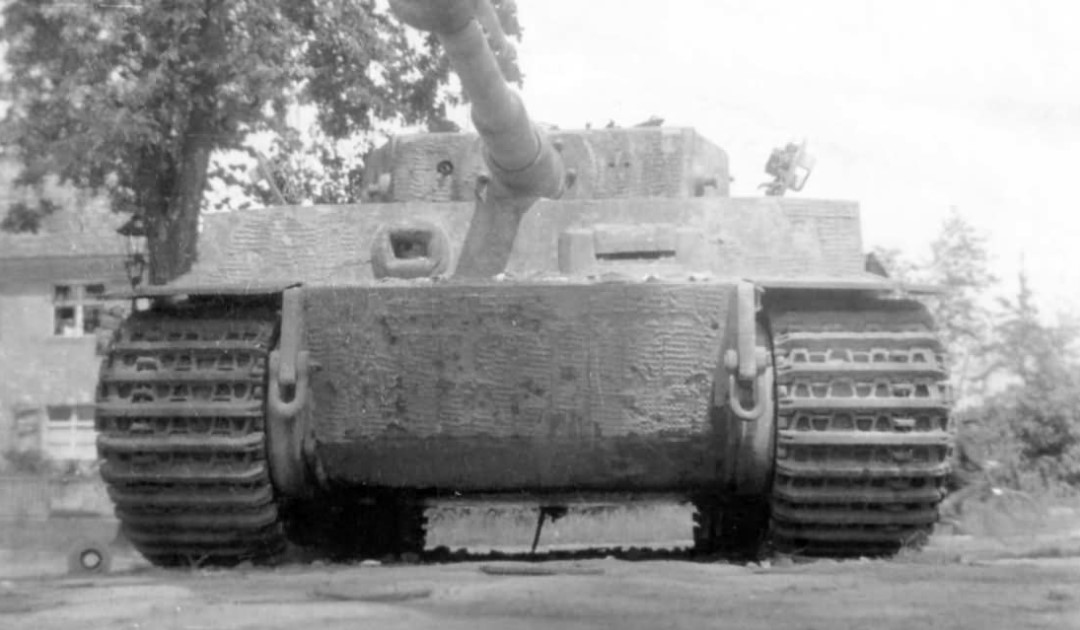
So, the article leans into the contrast. These troops had SS-style determination, but not the equipment or polish of a true elite formation. They were Fearless, yet under-armed with small arms, short on uniforms, and forced to scavenge.
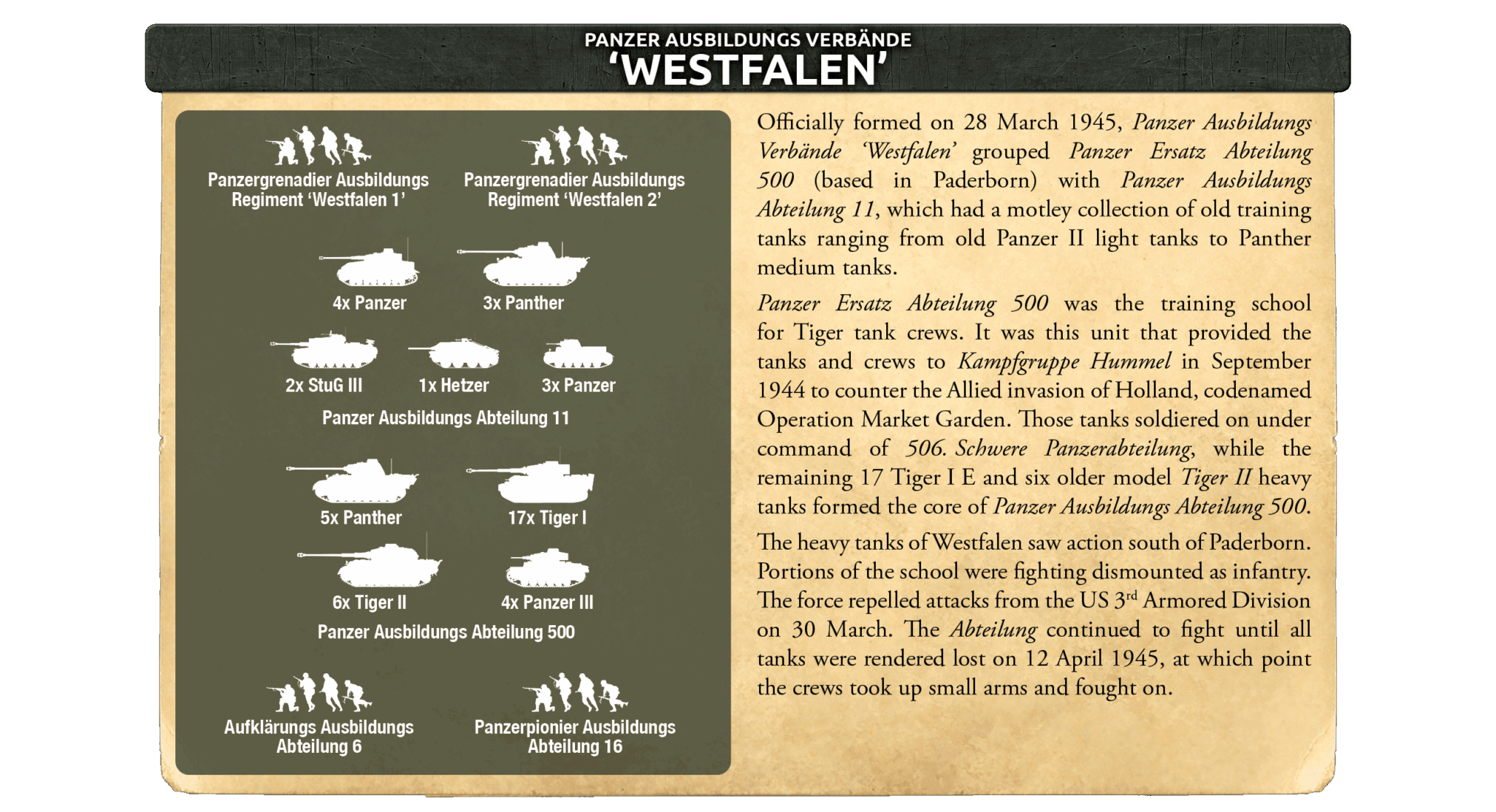
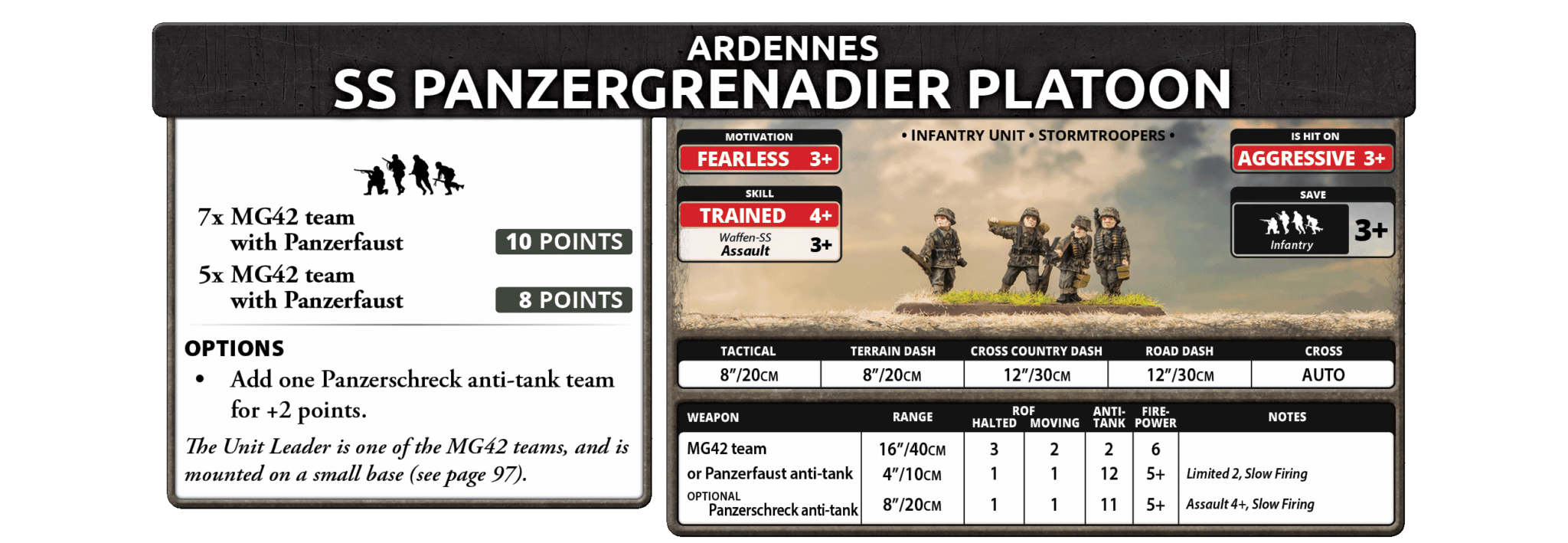
That creates a force with less basic firepower, but a ridiculous amount of close anti-tank bite through Panzerfausts and Panzerschrecks. The gaming appeal is obvious. You get the Berlin Battlegroup HQ, HMGs, and mortars, then build out the rest with Ardennes SS Panzergrenadiers and the special Scout and Tank-hunting platoons.
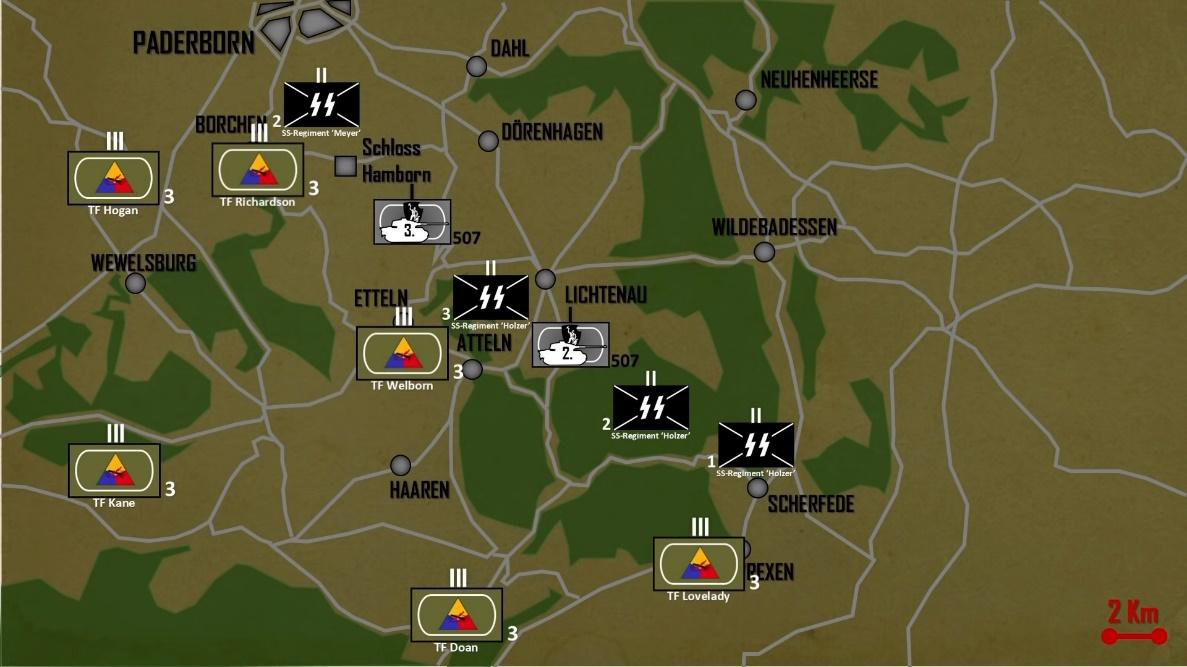
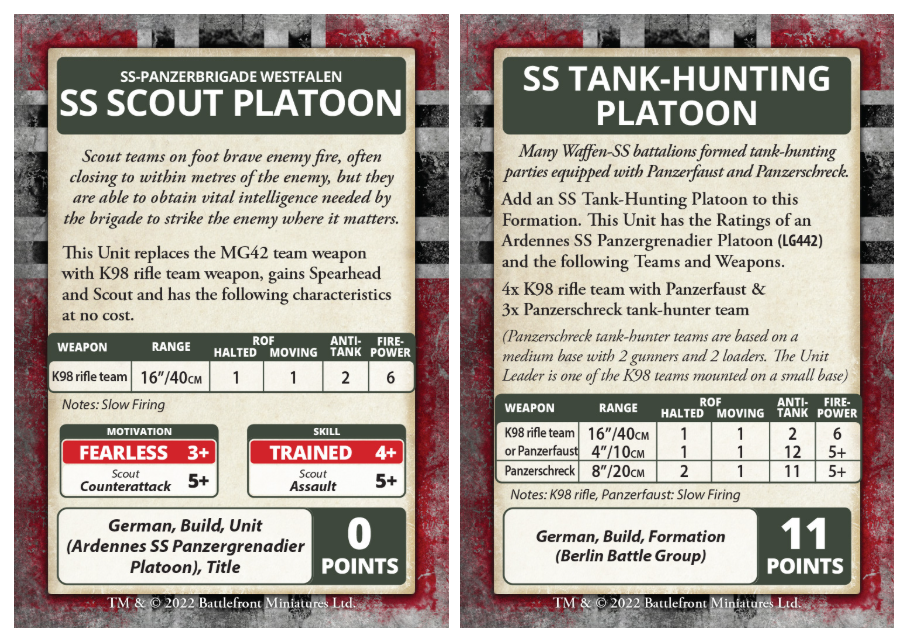
Meanwhile, the Scout Platoon brings Spearhead and Scout, which helps push those bazooka-heavy teams up the board early.
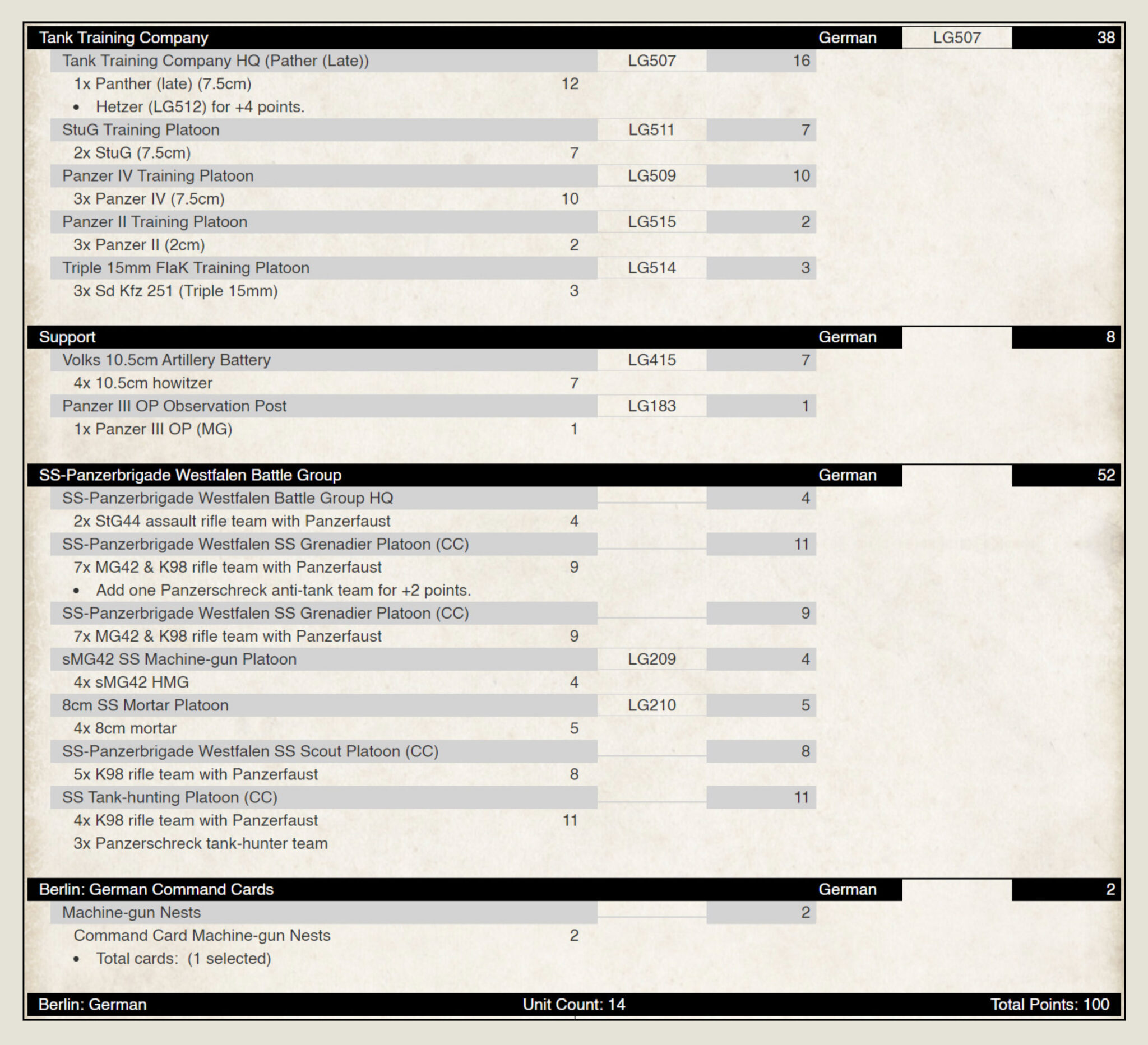
The real star, however, is the SS Tank-hunting Platoon, with medium bases carrying double Panzerschreck teams. That means six Schreck shots in one unit, plus fausts, which is exactly the kind of ambush package that can make enemy armor panic.
Adam also stresses the hobby side, because this formation almost begs for mixed uniforms, late war clutter, and a patched-together look.
Tactically, he sees it as a defensive force that hides, waits, and springs traps with Panzer IVs or tank-hunters from ambush.
It is not framed as a tournament monster. Instead, it is pitched as a hard, thematic list with real staying power and loads of flavor. Honestly, that is usually where Flames of War gets the most fun.
Tiny rocket carriers bring all the panic and desperation of Berlin street fighting
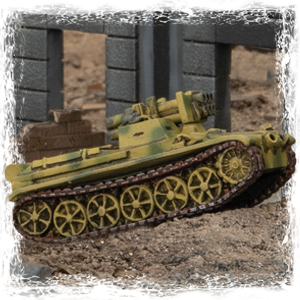
The Kleinpanzer Wanze article hits a different note, because this thing is not a formation concept so much as a perfect example of late war German improvisation going fully off the rails.
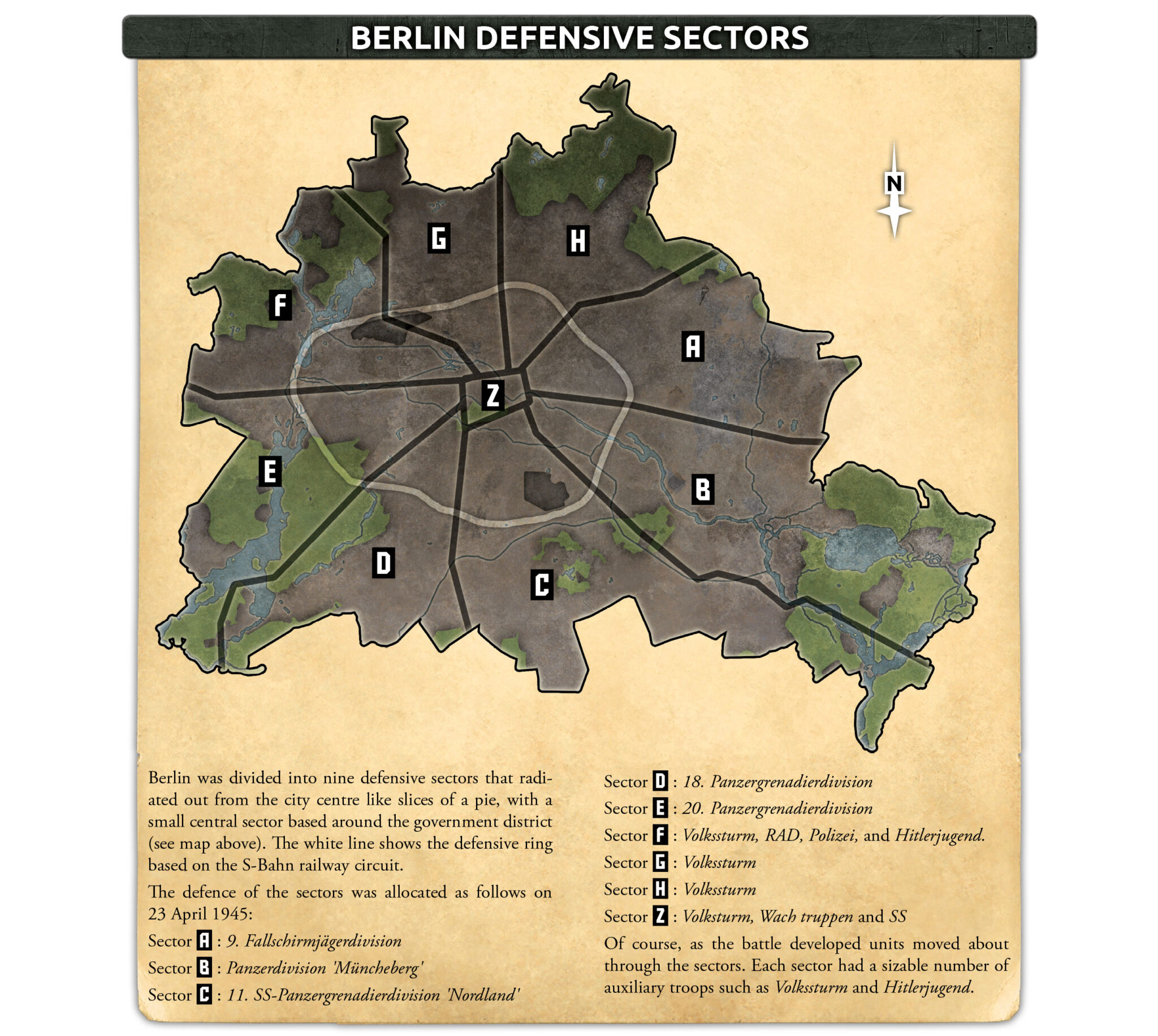
The Wanze was basically a converted Borgward demolition carrier fitted with six RPzB 54/1 anti-tank rockets, designed for close urban ambush work against Soviet armor around Berlin in 1945. It had a crew of two, some smoke launchers, a top speed of about 40 kilometers per hour, and almost no protection at all.
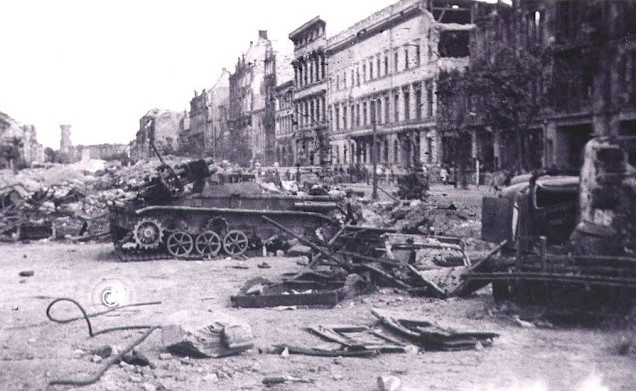
So, the battlefield role was brutally simple. Sneak close, fire at suicidal range, and hope you are still alive to reverse away. That alone gives the unit a strong narrative pull. Battlefront ties it to Panzerjäger Versuch Abteilung 1 and the fighting alongside 11th SS Nordland in Berlin’s southern sectors, while also admitting that nobody really knows how effective the type was in practice.
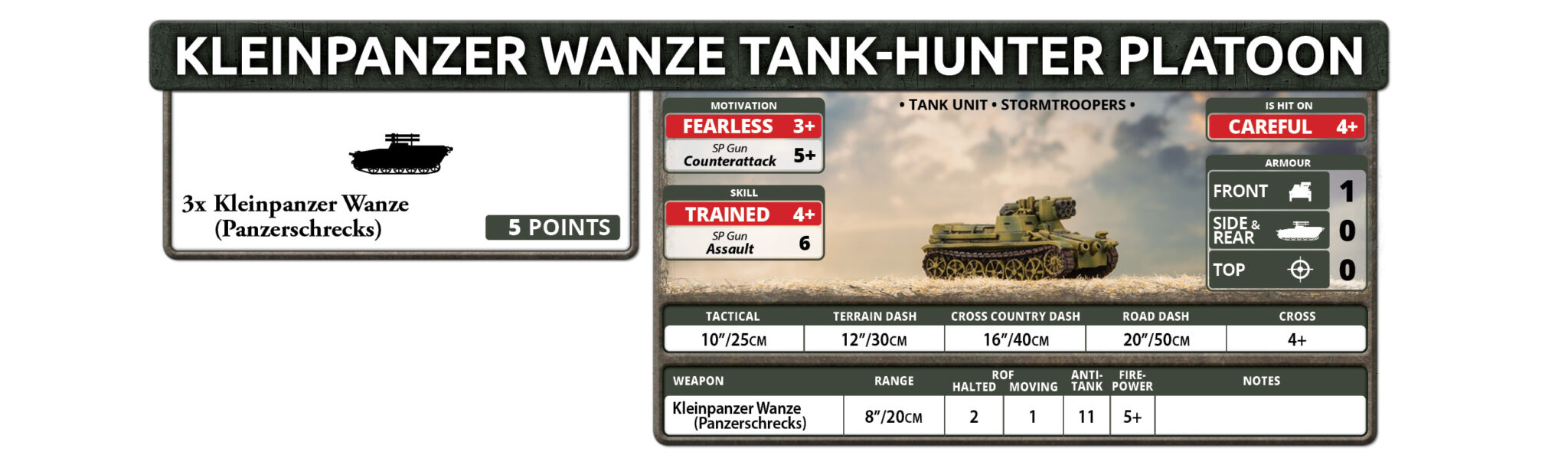
In game, though, the Bedbugs sound like a wonderfully annoying support choice. They stay Careful and Fearless, keep Stormtrooper, and throw out respectable anti-tank punch, even if their Skill drops to Trained 4+. However, their armor is paper-thin, so terrain and timing matter constantly. Adam points out that they are cheap, dangerous, and impossible to ignore, but also vulnerable to basically any return fire. That balance feels right.
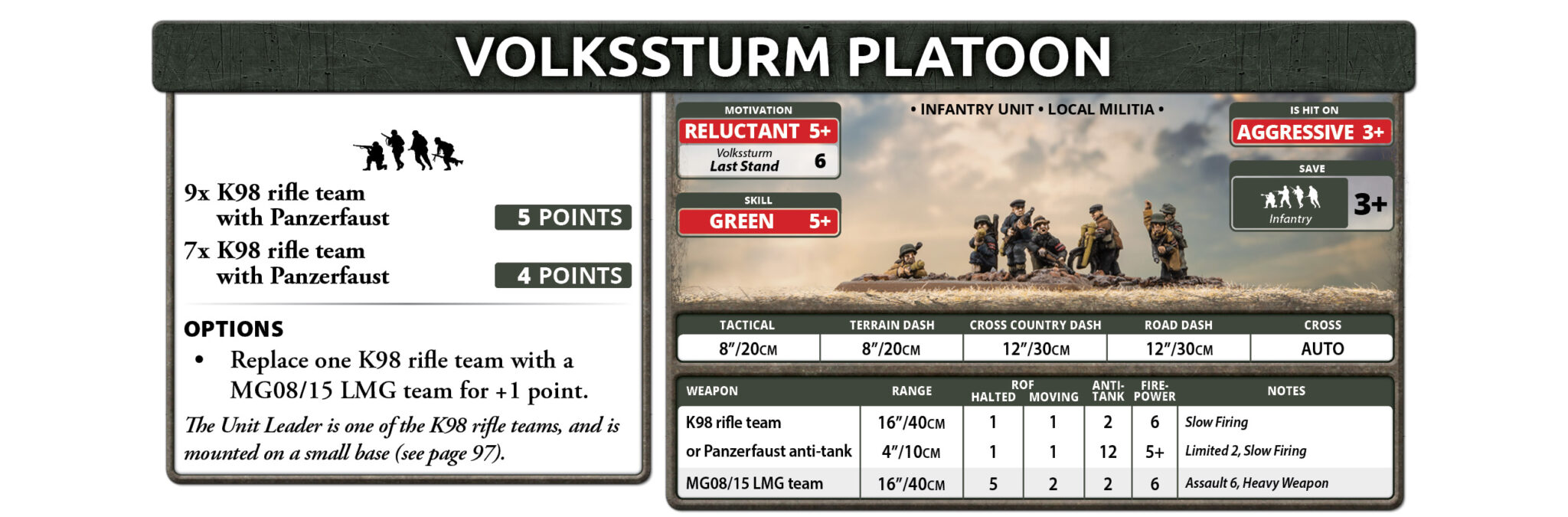
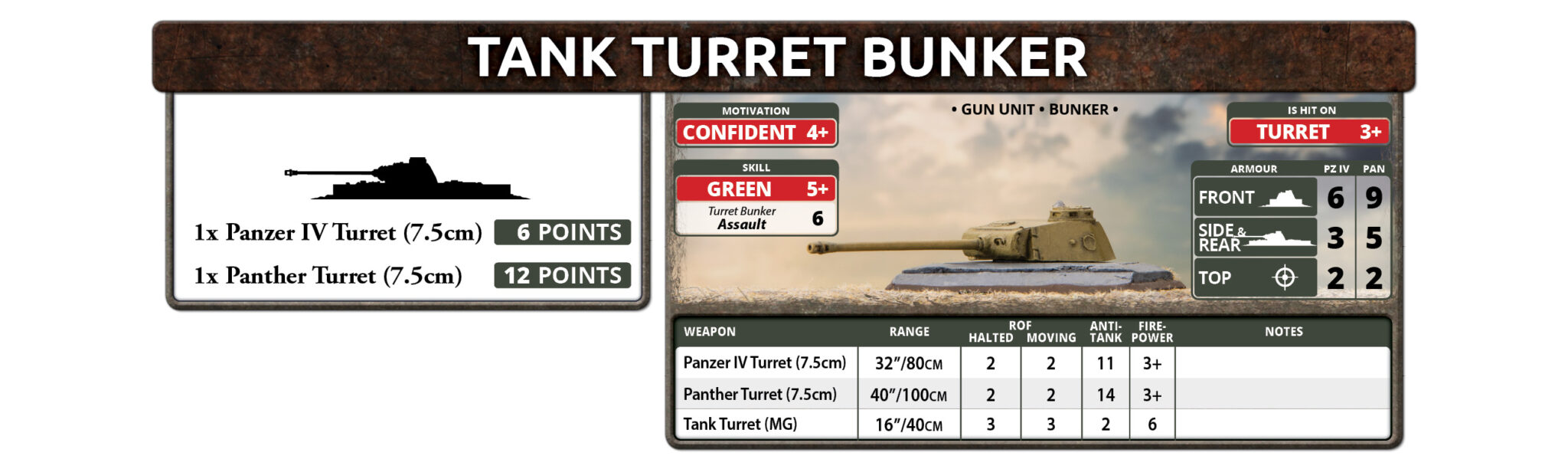
He also recommends them for urban scenarios like Blood on the Streets, paired with Berlin Battlegroups, Volksturm, Hitlerjugend, and even Pantherturm fortifications for a really grim final battle feel.
Altogether, both articles sell the same core idea: late war Germany was improvising wildly, and Flames of War is at its strongest when it lets that desperation show on the table.