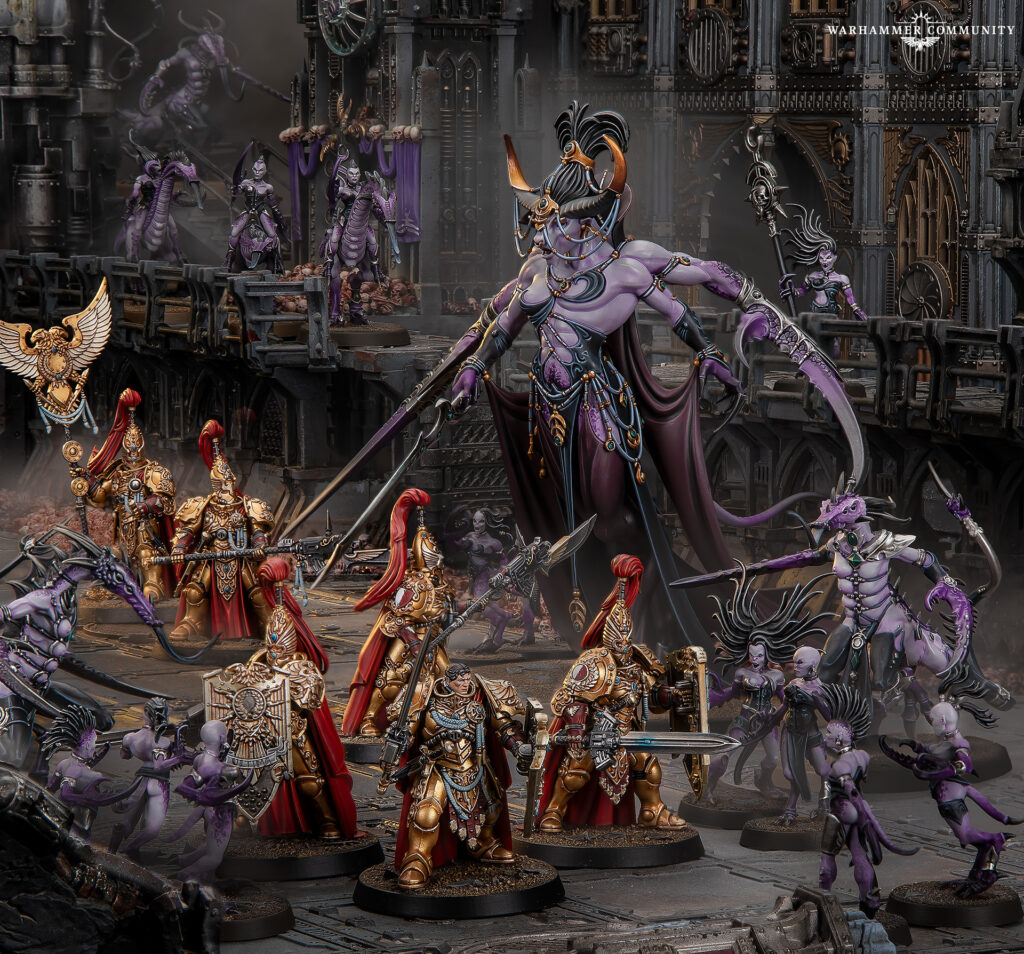
Horus Heresy Slaanesh Daemons are finally getting a dedicated army list for the Age of Darkness.
Unsurprisingly, the rules emphasize speed, aggression, excess, and increasingly dangerous close combat. However, Games Workshop also spends time explaining how these recognizable daemons fit the Heresy’s earlier timeline. For Traitor players, the result looks like a flavorful expansion with several nasty tabletop tricks.
Slaanesh Turns Pain, Speed, and Temptation Into Weapons
The new Slaanesh force functions as a Daemons of the Ruinstorm sub-faction within Assault on Kol. Players can field an entirely daemonic army or include them as allies within Traitor forces. However, the Alignment of Ruinous Powers still restricts which daemonic factions cooperate without causing problems. Lore-wise, this recognizable imagery does not mean Heresy-era Imperials understood Slaanesh as modern players do. Instead, most humanity considered daemonic encounters mutations, xenos phenomena, or deliberately suppressed secrets.
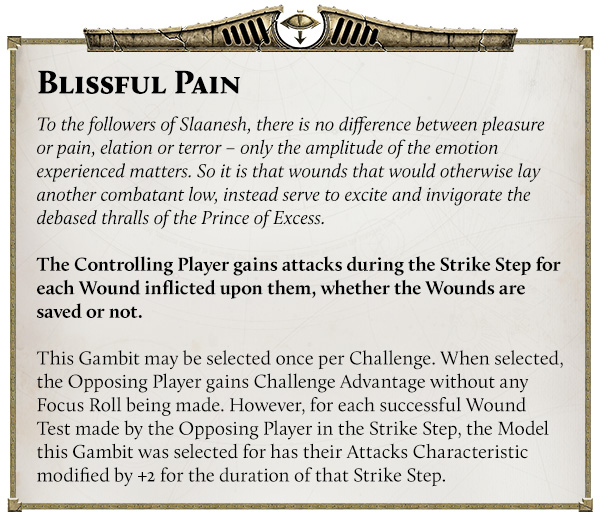
Imperial authorities gradually identified distinct daemonic patterns, although the four Chaos Gods received their familiar classifications through later hindsight. On the tabletop, Blissful Pain perfectly captures Slaanesh’s obsession with sensation.
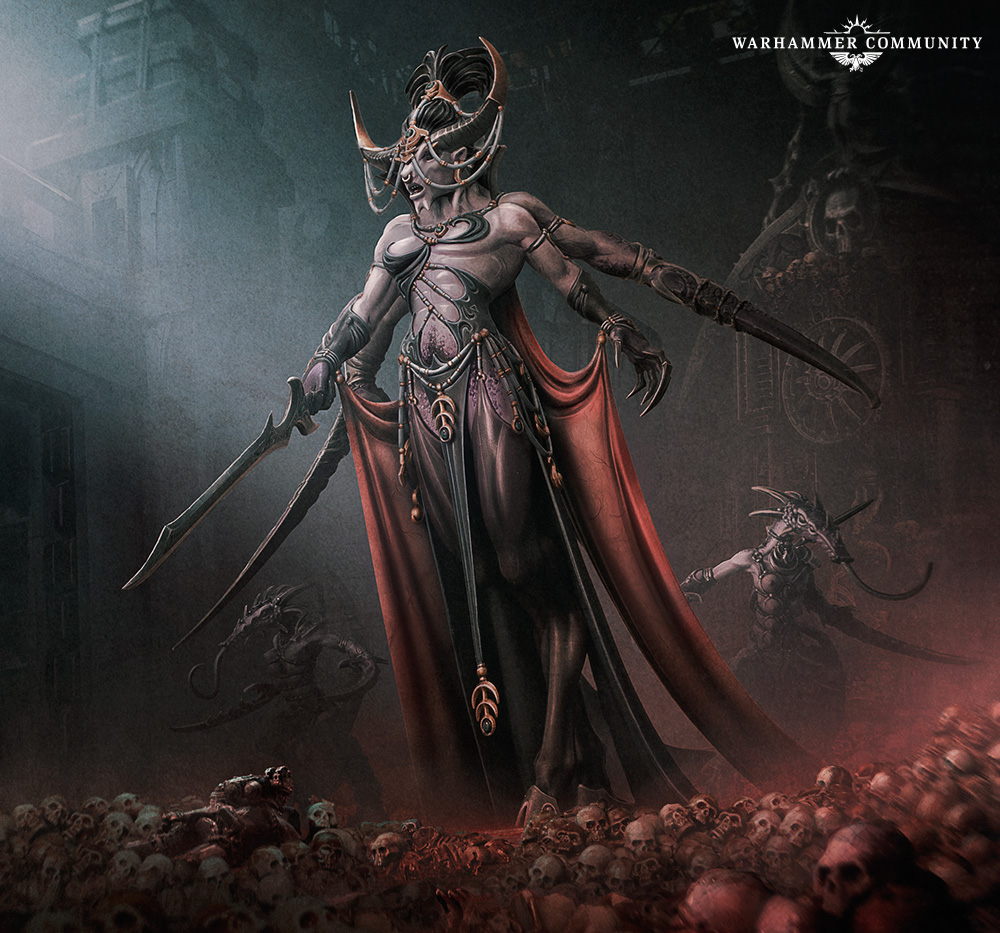
During a Challenge, suffered wounds can actually increase a model’s Attacks, even when those wounds are saved. Meanwhile, Battlelust lets targeted daemons advance after ranged attacks and improves their Initiative during the following turn. Shooting them can therefore help close the distance, which is wonderfully unpleasant for opponents. The Enraptura psychic discipline adds further manipulation. Beguile prevents enemies reacting against units with the Slaanesh Trait, while Malignity can make victims attack their own squadmates.
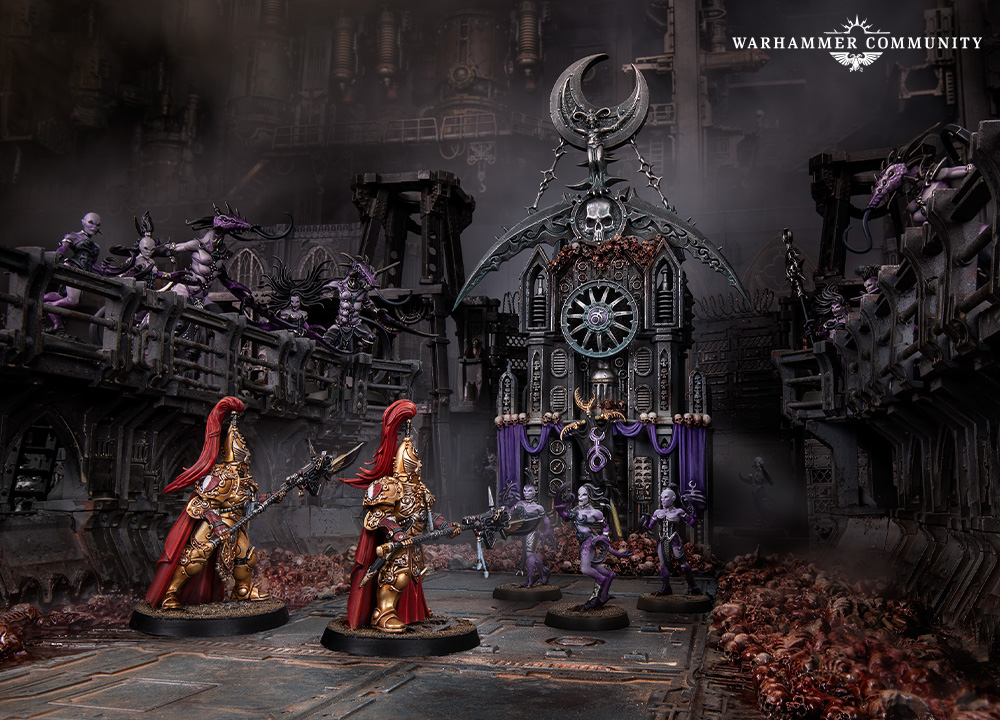
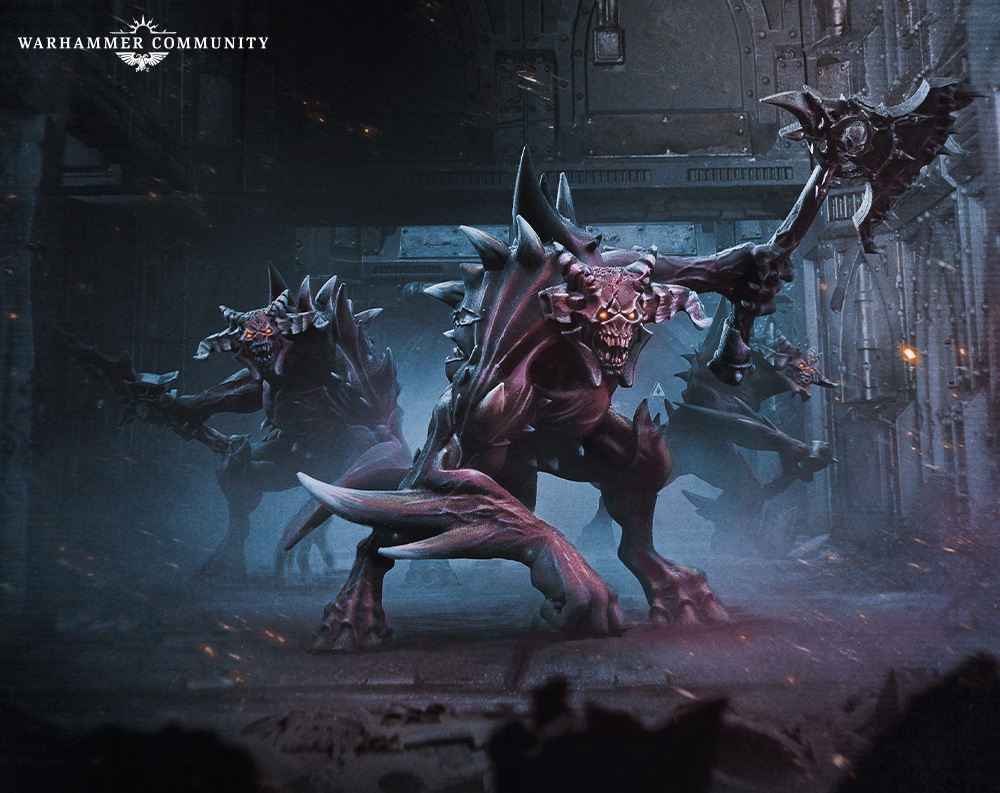
The army itself includes several familiar horrors. Heralds summon reinforcements through Herald of Unreality, while Seekers provide extremely fast close-combat pressure. Fiends occupy Heavy Assault and bring five Wounds each, giving them considerably more staying power.
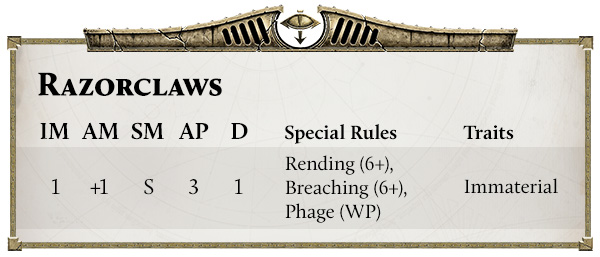
Meanwhile, Daemonettes can reach units of twenty and reward failed Feel No Pain rolls through Exquisite Suffering. At the top sits the Keeper of Secrets, a Paragon capable of fighting major Imperial heroes directly. Its weapon options include the Shimmerblade or a Shimmerspear and shield with the defensive Deflect rule. Traitor Legions also benefit through the Rapturous Host Auxiliary Detachment, unlocked by an Esoterist. Additionally, Insidious Corruption can give several Praetor variants the Malefic Sub-Type for 20 points. Overall, this is more than simply importing familiar models into another ruleset.
Final Thoughts
Overall, Horus Heresy Slaanesh Daemons look built for players who enjoy aggressive positioning and disruptive combat tricks. More importantly, the rules make attacking them feel risky rather than automatically rewarding. The army should feel fast, theatrical, and dangerously unpredictable, which is exactly where Slaanesh belongs.