When most people picture Vietnam, American helicopters dominate the mental slideshow.
However, South Korea’s role deserves far more tabletop and historical attention. ROK forces were the second-largest foreign contingent in South Vietnam. Therefore, this piece gives them a much sharper spotlight. This is a summary of the community post found here.
South Korea Enters the War With Strategy and Ideology
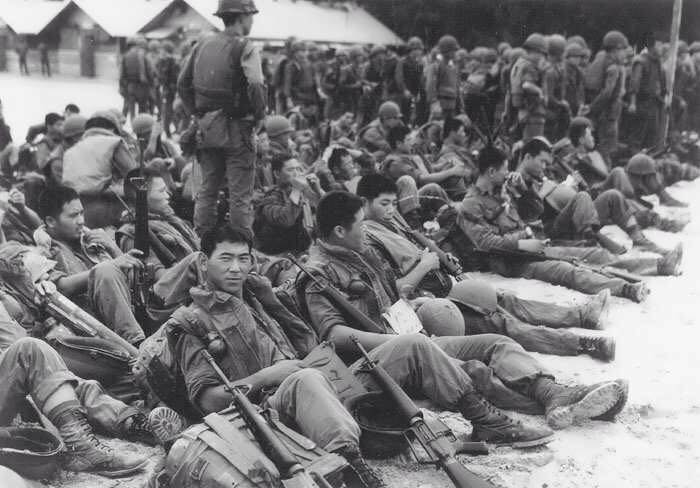
The article frames South Korea’s deployment as both anti-communist commitment and hard geopolitical calculation. President Park Chung-hee saw Vietnam as an extension of Korea’s own struggle along the 38th Parallel. However, sending troops also strengthened Seoul’s alliance with Washington and helped keep American forces in Korea. At first, South Korea sent support personnel in 1964 through the Dove Unit, including medical and engineering teams. Yet, as the war worsened, combat formations followed. By late 1965, the Blue Dragon Marine Brigade and Fierce Tiger Division had arrived. Then, in 1966, the White Horse Division joined them. Together, these units operated across key coastal provinces and vital routes like Highway 19.
Fortified Bases and Relentless Patrolling Define the ROK Style
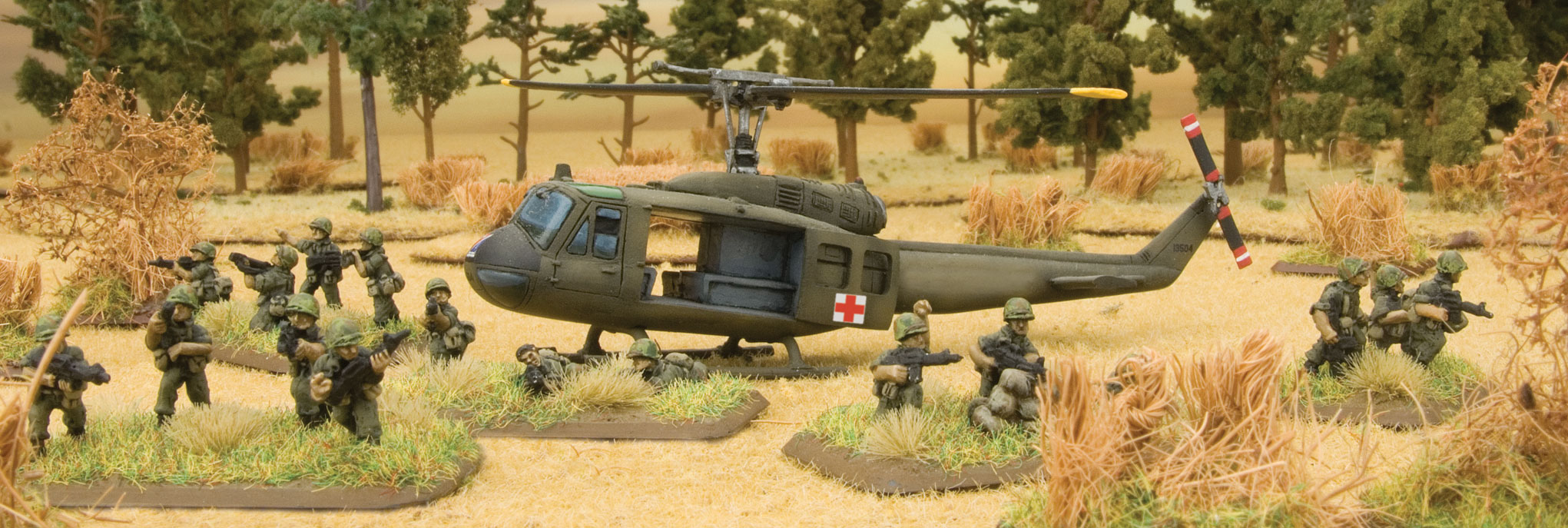
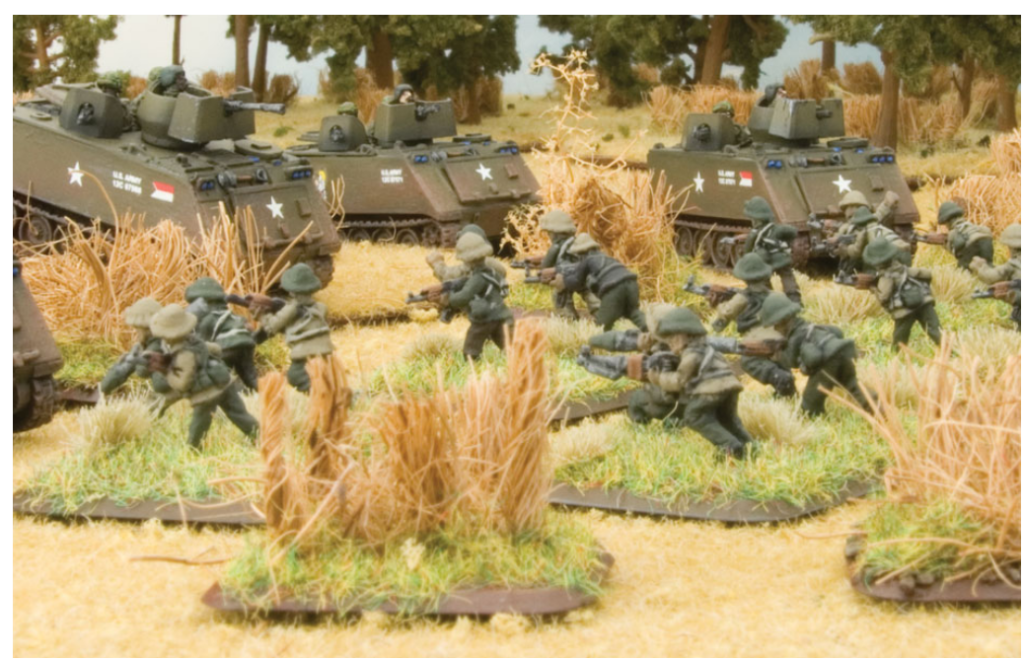
The ROK approach comes across as brutally methodical. Instead of leaning mainly on American-style air cavalry search-and-destroy tactics, Korean forces developed Tactical Company Bases. These circular fortified positions sat on high ground and were packed with wire, claymores, bunkers, and pre-planned artillery zones. As a gamer, that sounds like a nightmare objective to assault. However, they were not passive troops hiding behind defenses. Korean units searched villages, tunnels, rice caches, and suspected Viet Cong areas with exhausting thoroughness. Also, daily Taekwondo training gave them real confidence in tunnels, trenches, and night fighting. The article emphasizes their psychological reputation too. Enemy forces learned that ROK positions were stubborn, aggressive, and rarely easy prey.
Đức Cơ, Trà Bình Động, and a Fierce Legacy
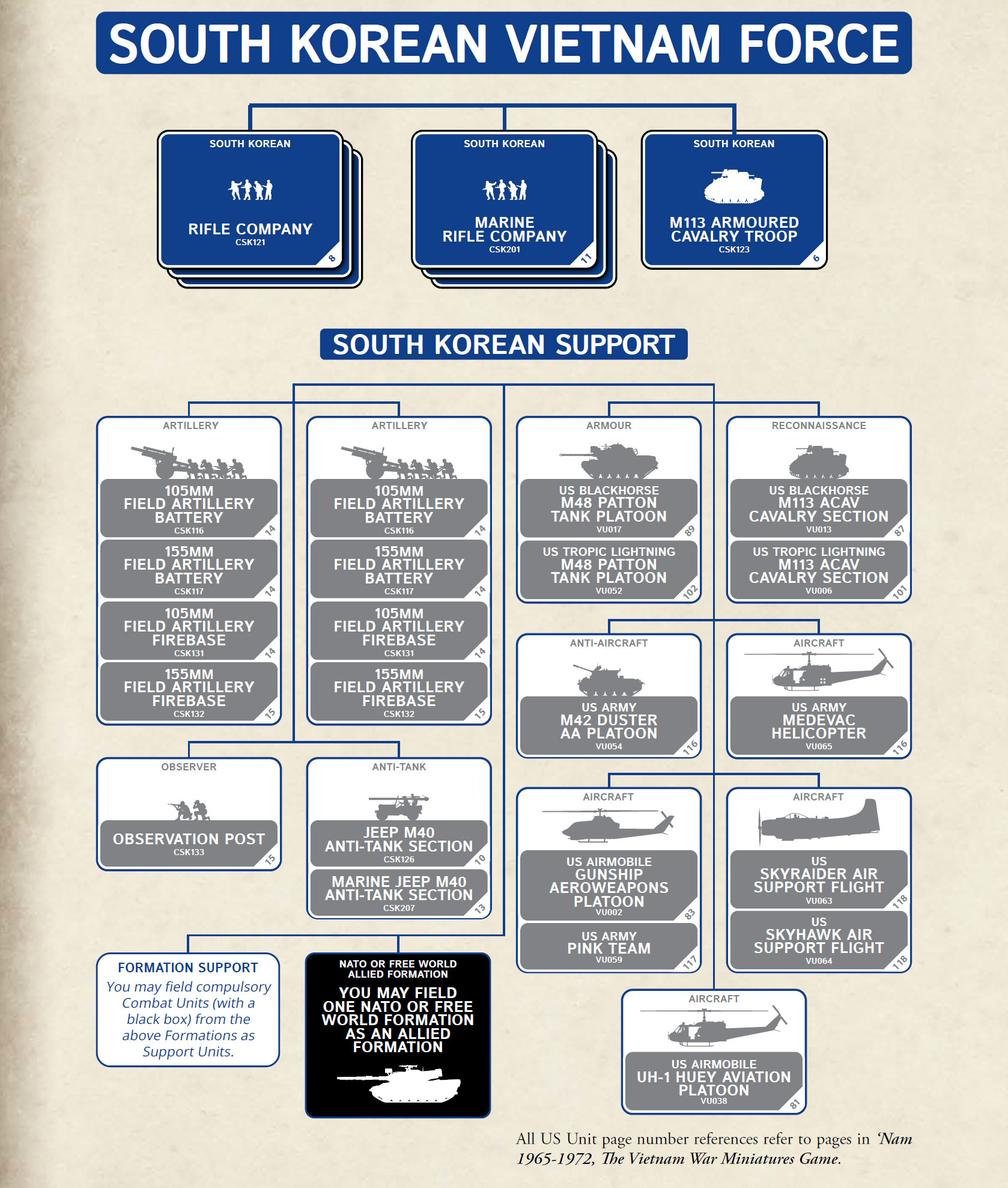
The battle examples are the heart of the piece. At Đức Cơ in August 1966, the Fierce Tiger Division’s 9th Company faced a night assault by the NVA 88th Regiment. Although sappers breached the wire, the Koreans held their bunkers and called artillery onto their own perimeter. By dawn, the attack had failed with heavy enemy losses. Then, Trà Bình Động turned that reputation into legend. There, 294 Blue Dragon Marines held off roughly 2400 attackers from NVA and VC forces.
When ammunition ran low, the fighting turned to bayonets, shovels, fists, and kicks. Meanwhile, artillery airbursts were called over their own position to clear the trenches. The article closes by showing the wider scale: over 310,000 South Koreans served, more than 470,000 operations were conducted, and about 5100 ROK soldiers died. Overall, this is a strong portrait of a disciplined, feared, and politically significant fighting force.