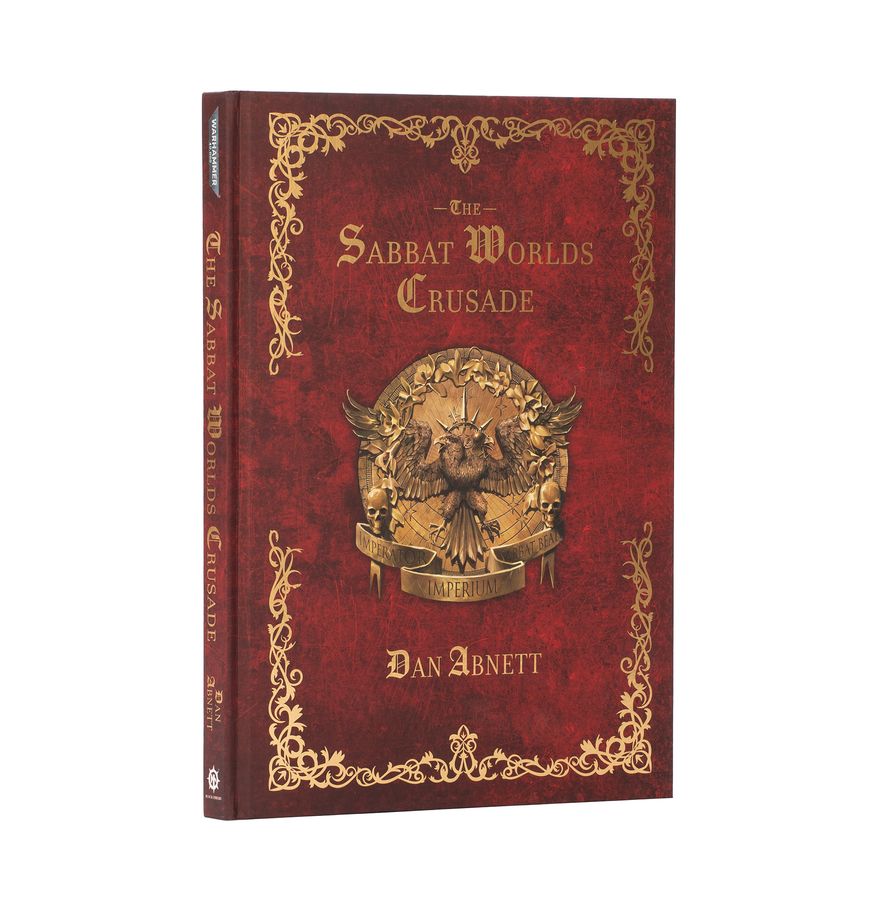
The Sabbat Worlds Crusade is not a normal Warhammer 40K novel; rather it is an in-universe campaign history.
If you come in expecting Gaunt leading charges chapter by chapter, you may feel wrong-footed. However, if you enjoy the scaffolding behind Black Library fiction, this is a treasure chest. As someone who has read plenty of Warhammer books, I found it fascinating, though not always gripping. As someone who grew up reading fictional “historical” accounts of sci-fi battles it scratches an itch few other books do these days.
Content
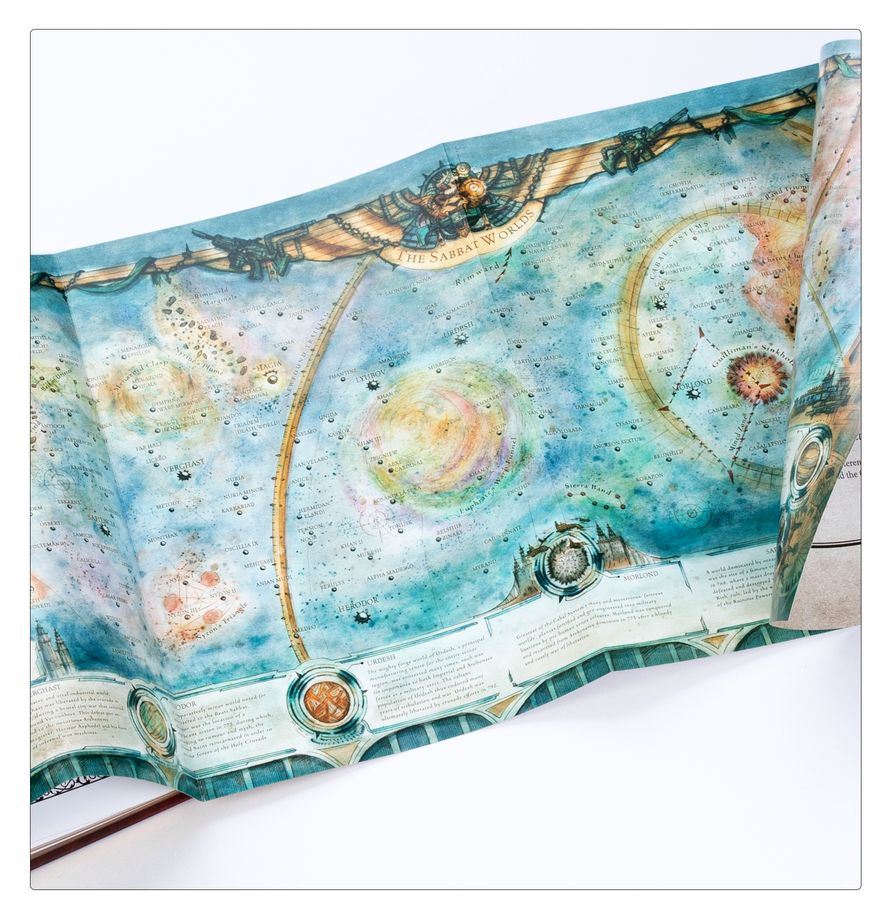
The “plot” is really the shape of the crusade itself. The book charts the Imperial effort to reclaim the Sabbat Worlds from Chaos rule. It begins with Warmaster Slaydo’s vision and the brutal opening movements of the campaign. Then it follows the war through massive set pieces like Balhaut and later offensives under Macaroth. Consequently, the book gives scale to conflicts that the novels only glimpse from foxholes. Gaunt and the Tanith appear as part of the wider machine, not the whole story. That shift is important, because it makes the Crusade feel enormous. However, it also means the text can feel distant. You are reading campaign reports, maps, sidebars, casualty notes, and historical commentary. Therefore, the drama comes from accumulated detail rather than scene-by-scene tension.
Characters
The strongest “characters” here are often institutions, armies, and reputations. Slaydo comes across as the crusade’s founding will, almost larger than life. Macaroth feels colder and more political, though still effective. Meanwhile, Chaos figures like Heritor Asphodel, Anakwanar Sek, and Archon Gaur gain weight through context. The book helps explain why these names matter beyond their appearances elsewhere. However, this is not a character study in the usual Abnett sense. The Tanith, Blood Pact, Volpone, and other forces feel like pieces on a huge board. Still, that board-level view gives familiar units fresh importance. Also, the artwork and uniform plates do real character work by making regiments feel lived-in.
Narrative Feel
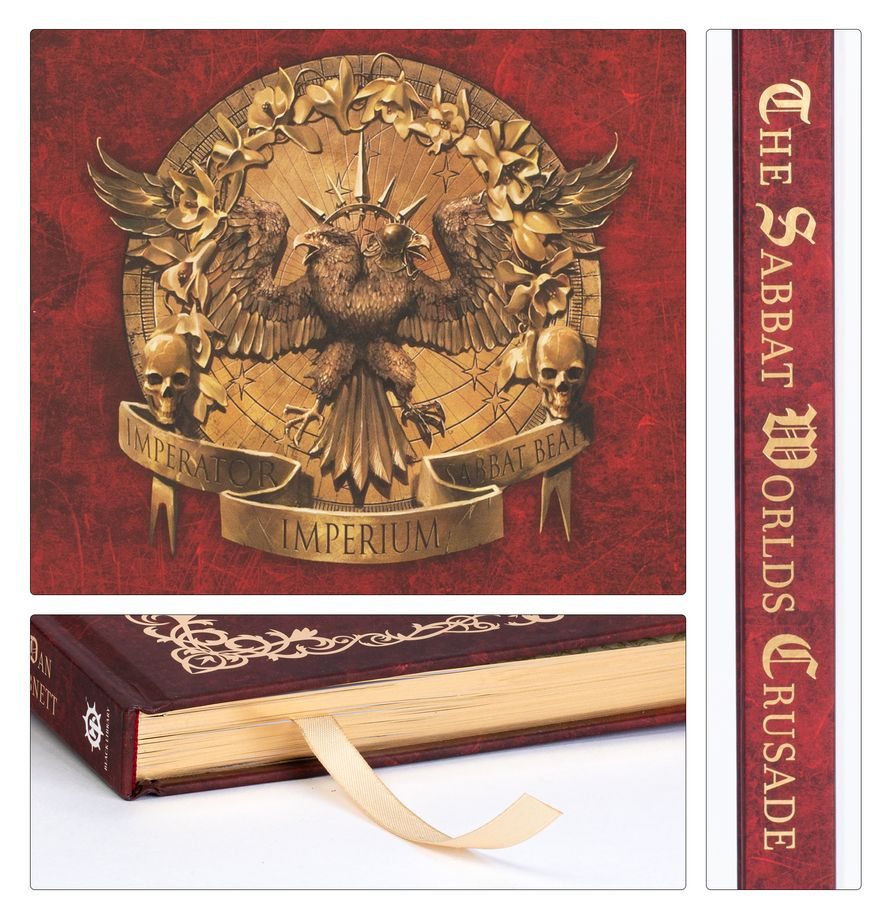
The style is deliberately dry, like a military history recovered from Imperial archives. That choice will either click with you or wear you down. I liked it, because it makes the setting feel older and deeper. Instead of dramatic speeches, you get operational summaries, maps, commanders, timelines, and grim little notes. Consequently, the Crusade feels less like a backdrop and more like a real theatre. However, the same approach limits emotional momentum. You rarely sit inside fear, grief, or triumph. You study them from above. That said, the presentation gives the book a strong artifact quality. It feels like something an Imperial scholar might actually compile. It is a little jarring to see familiar peices of art recast as specific to the campaign but it adds a nice layer of realism to the book.
Series Connections
This book is best read after some Gaunt’s Ghosts, not before. It expands the war around the novels and explains how Gaunt’s campaigns fit the larger crusade. Additionally, it connects neatly to Double Eagle, Titanicus, the Sabbat anthologies, and later Urdesh material. Readers who know those stories will catch far more meaning. Newcomers can still enjoy the maps and lore, but much of the emotional charge depends on prior reading.
Summary and Verdict
The Sabbat Worlds Crusade is an excellent background book, but only a decent “read” in the traditional sense. It is rich, dense, beautiful, and clearly made with love. However, it is not built for casual pacing or character-driven drama. If you want battles through a soldier’s eyes, read Gaunt’s Ghosts. If you want to understand the war those soldiers are trapped inside, this book is invaluable. Ultimately, it turns the Sabbat Worlds from a setting into a history.