The new General’s Handbook is not just another matched play packet with fresh missions.
In this Warhammer Community guest piece, Ryan from Threshold Tactics gives a competitive read on Aqshy’s new season. That distinction matters, since many of the article’s strongest themes come from his tournament-focused perspective. My added takeaway is that this season looks sharper, riskier, and less forgiving.
Ryan’s Competitive Read on the General’s Handbook Rage Dice and Scoring
Ryan frames the season around two linked mechanics: fury level and rage dice. Fury level is capped at seven, and it shapes how many rage dice players can access. He focuses first on Eruption of Fury, which lets a unit keep fighting at turn’s end. However, the rule can also splash mortal damage into nearby enemies on strong rolls. On poor rolls, it can hurt your own unit instead, which feels perfectly Aqshian.
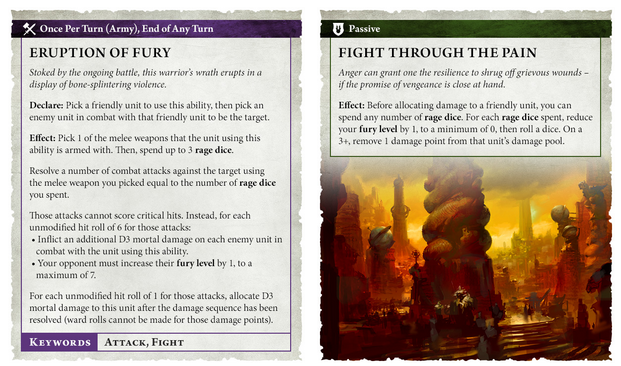
Ryan also highlights Fight Through the Pain, which spends rage dice to shrug damage on 3+. More importantly, he explains how that can deny scoring windows.
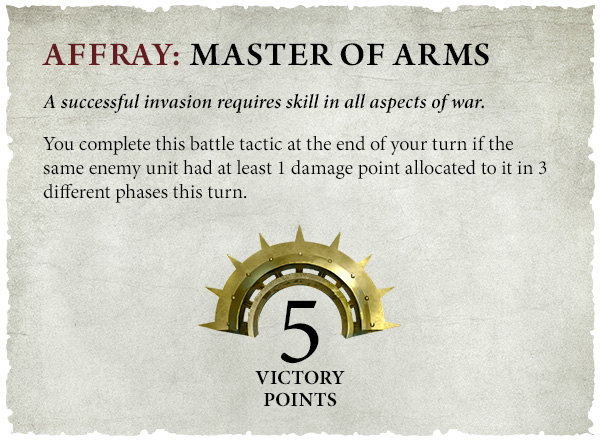
His example uses Master of Arms, where preventing damage in one phase may stop an opponent’s tactic chain. From my side of the table, that sounds like a resource puzzle rather than a simple buff. Players must decide whether survival now is worth losing fury later.
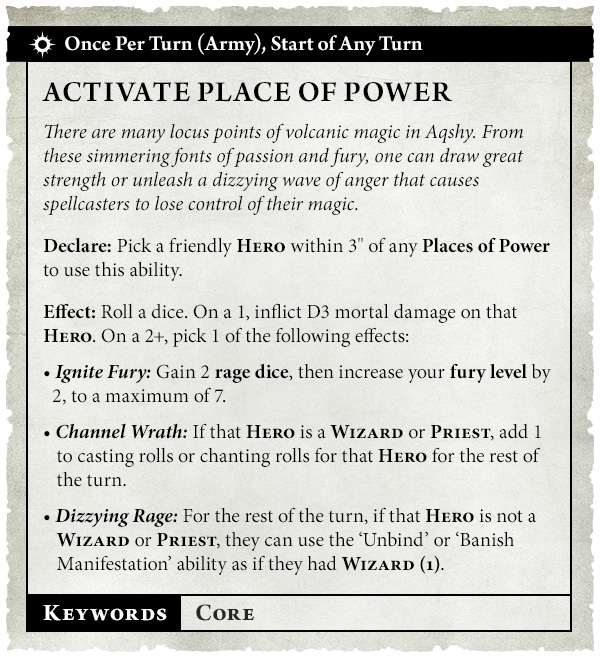
Ryan also points to Places of Power as major fuel sources. Ignite Fury can build rage dice, while Channel Wrath supports casting or chanting. Meanwhile, Dizzying Rage lets non-casters unbind or banish manifestations. Therefore, heroes near Places of Power may become real anchors rather than passive objective babysitters.
Terrain, Tactics, and Battleplans Change the Table
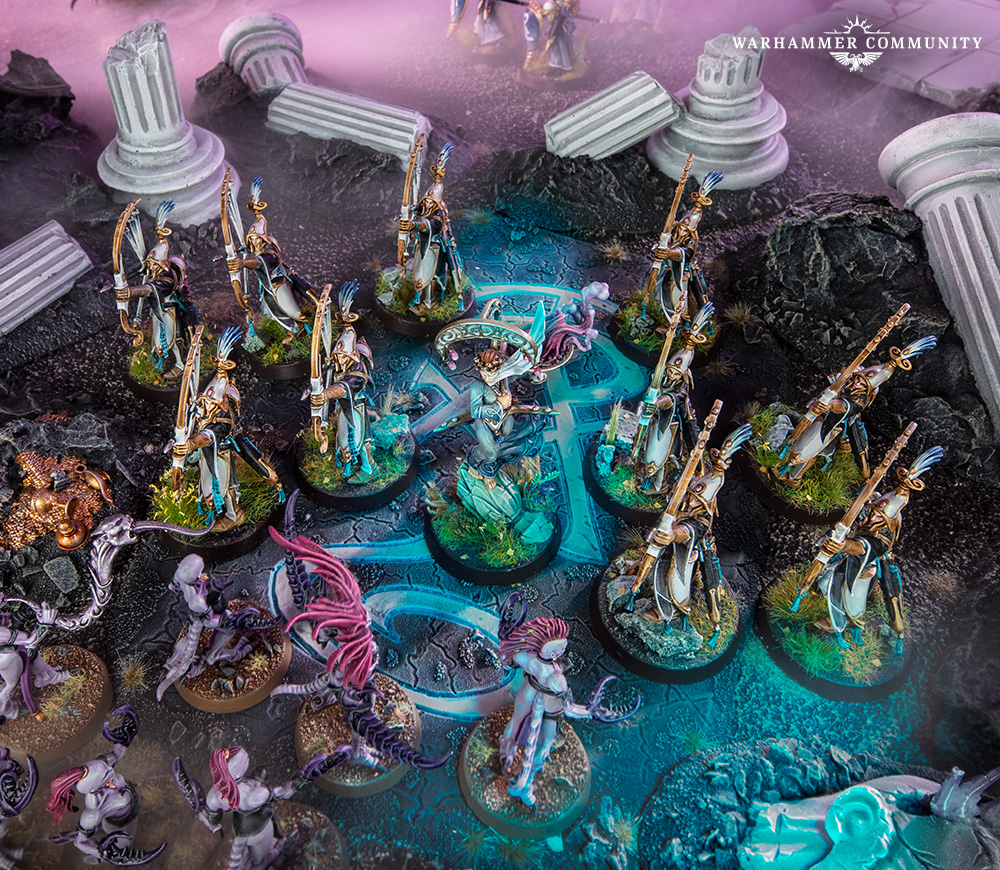
The terrain discussion is where Ryan’s outside perspective really matters. He argues that losing automatic obscuring from Area Terrain and Places of Power could strongly affect the meta. Shooting and magic armies may get cleaner lanes, especially on boards with limited true hiding spots.
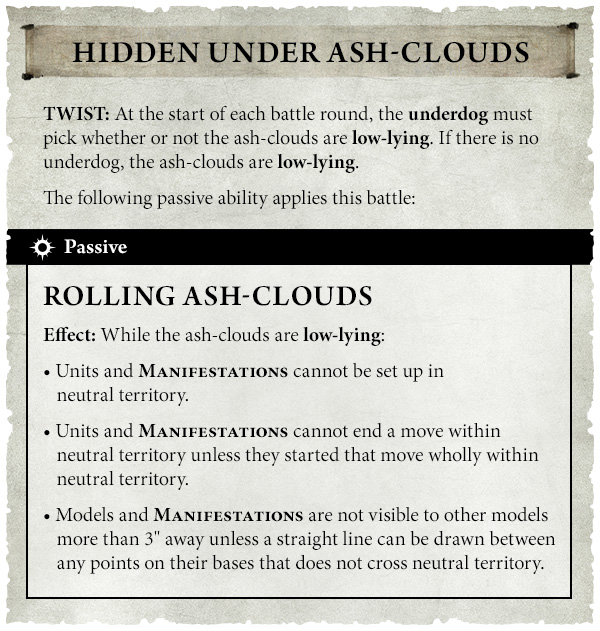
However, he also notes that Hidden Under Ash-Clouds pushes back with visibility and movement restrictions in neutral territory. That mission could create tense center-board standoffs, especially if the underdog controls the ash. Ryan also calls out the faction terrain change as a likely favorite for experienced players. Since faction terrain cannot be charged unless garrisoned, players may deploy gorgeous pieces without gifting free movement. That is a hobby win, since more painted terrain makes events look better. The battle tactics section keeps the Affray, Strike, and Domination structure. Still, Ryan stresses that the six new cards create fresh pregame pressure.
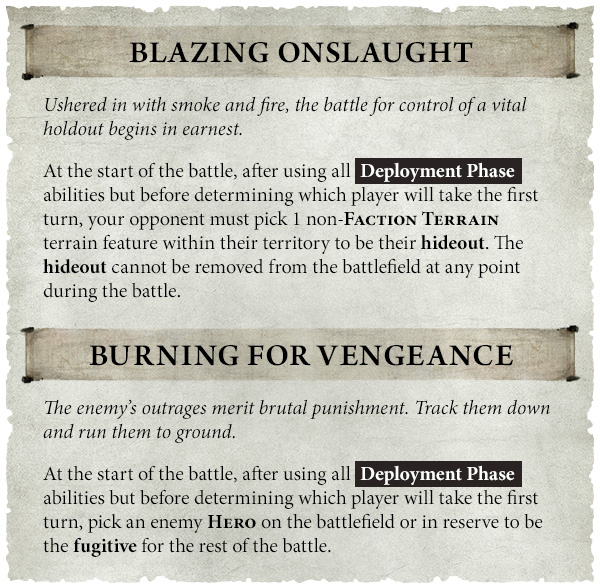
Blazing Onslaught lets the opponent choose a hideout terrain piece. Meanwhile, Burning for Vengeance marks one enemy Hero as a fugitive.
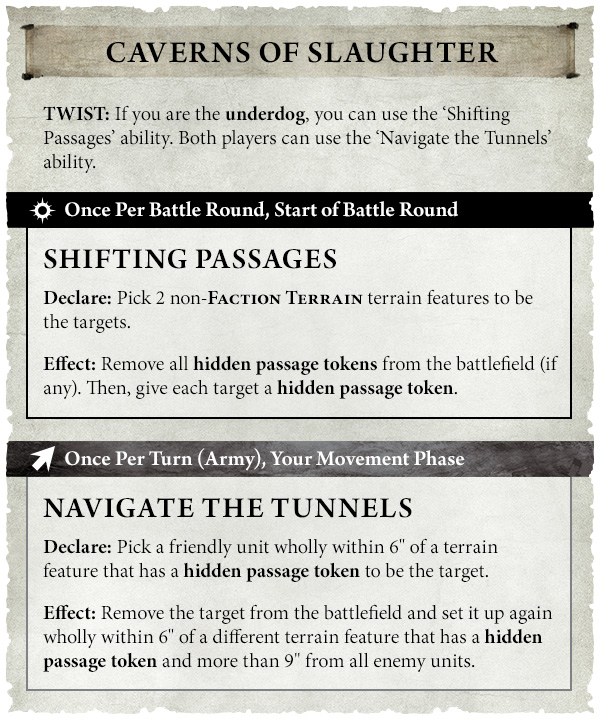
Finally, Caverns of Slaughter gets attention for its narrow deployment and teleporting passages. Ryan imagines clever players using those tunnels for traps, mobility, or dangerous counterplay.
Summary and Final Thoughts
Overall, Ryan’s Threshold Tactics breakdown presents Aqshy as a season of pressure and tradeoffs. The main ideas are rage management, exposed terrain, trickier tactics, and battleplans with sharper positioning demands. My own read is that this rewards players who plan turns ahead. It may punish autopilot play hard, but that usually makes better games.