
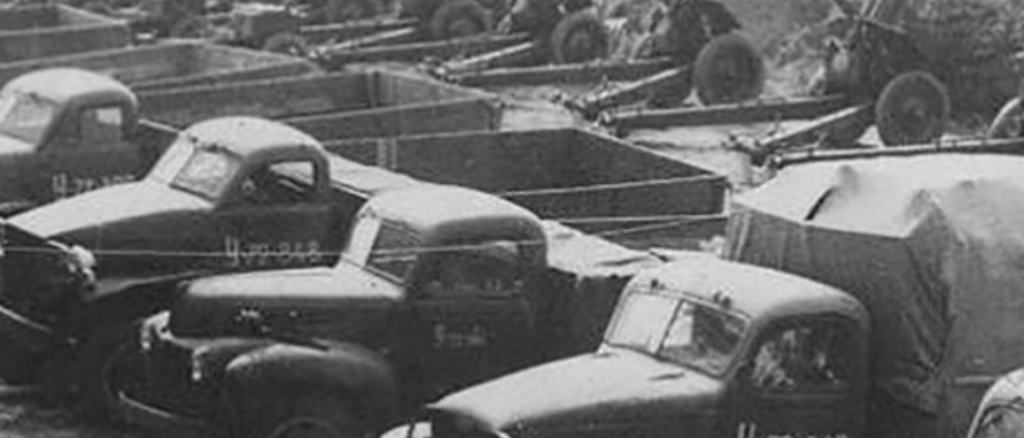
Battlefront’s latest updates hit two very practical parts of the hobby. First, one piece looks at the humble softskin transport, which is the sort of rule many players ignore until it wins a game.
Meanwhile, the other article is aimed squarely at people jumping into Early War with the new starter boxes. So, this is less about flashy wonder units and more about the kind of support pieces and boxed sets that actually shape how armies get built. As a result, both articles feel useful in a very grounded, tabletop-first way. This is a summary of Battlefronts articles on their community site.
Flames of War Trucks, tows, and battlefield repositioning give softskin transports incredible value
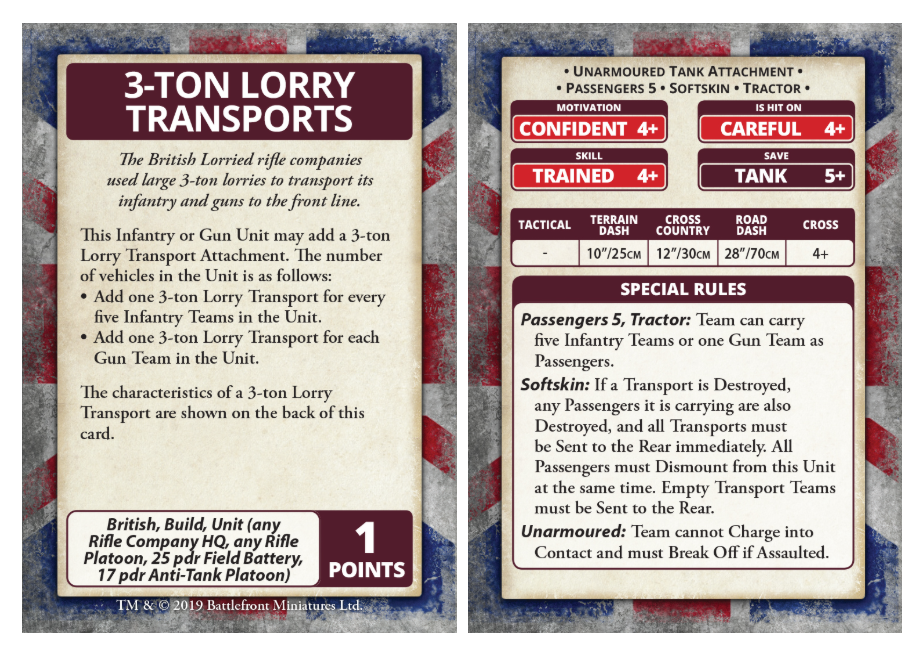
The softskin transport article is really about reminding players that trucks are not glamorous, but they absolutely matter. In Flames of War, softskin transports are added through command cards rather than living inside most core unit entries, and the official transport cards show why they are still worth a look. British infantry get one truck for every two infantry teams, American infantry get one for every six teams, and gun units generally get one vehicle per gun team, while Soviet gun units also get transport access through their own card.
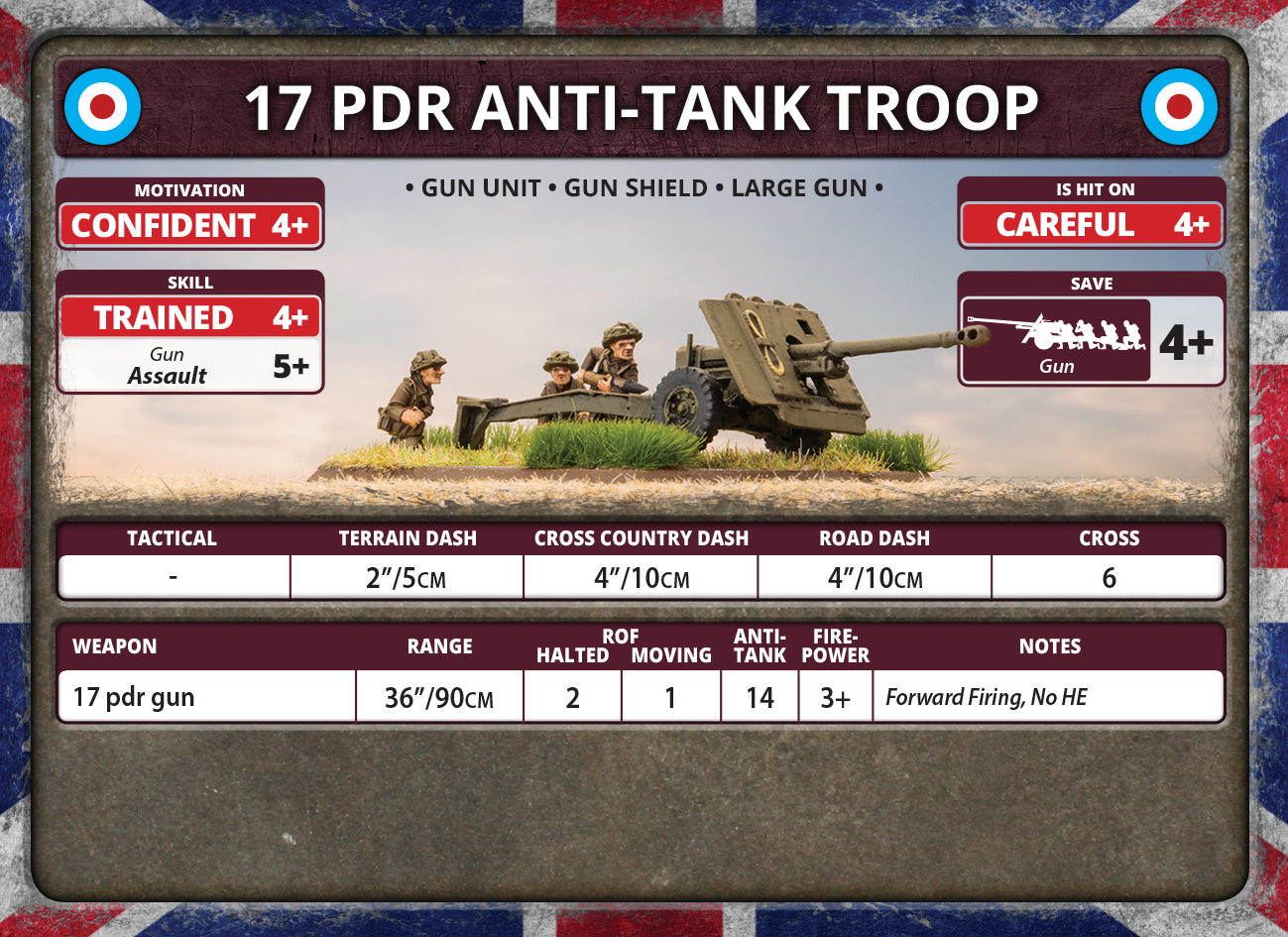
On top of that, these transports are not fighting vehicles. They are unarmoured, break off if assaulted, and if a transport is destroyed, the passengers it carries are destroyed as well, which is a very sharp reminder not to treat them casually. However, that danger is part of the fun. These vehicles let infantry redeploy on long marches, help gun teams shift flanks, and make reserves far more flexible, especially for armies that want to get to the right patch of table before the real killing starts.
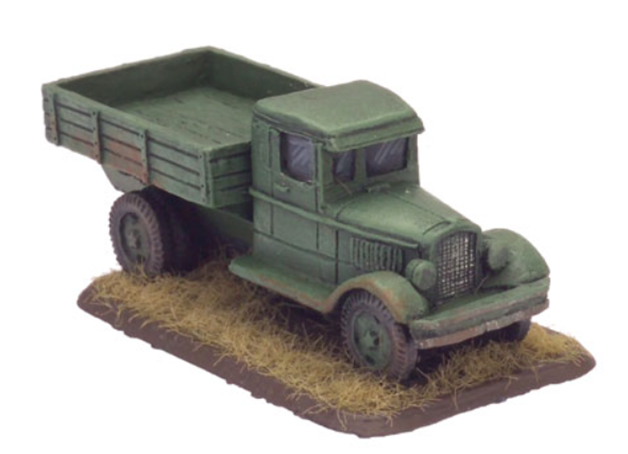
Battlefront’s own related coverage around command cards makes that role pretty clear, noting that softskin transport options can help represent reconnaissance companies, fast Kampfgruppen, and gun units that need to move where the fight is developing.



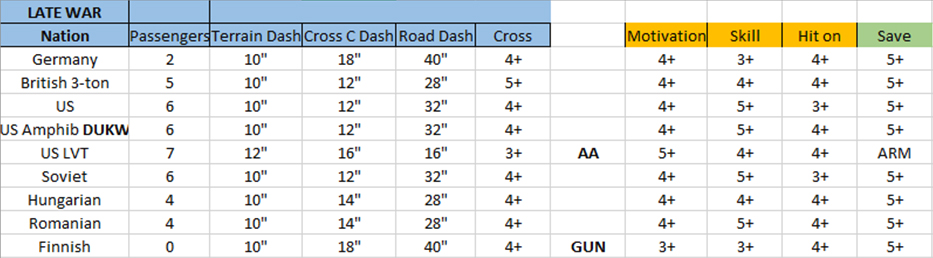
The practical rules also back that up. Lessons From the Front lists a 14” cross-country dash speed for softskins, which means they are genuinely useful for covering ground rather than just being decorative clutter.
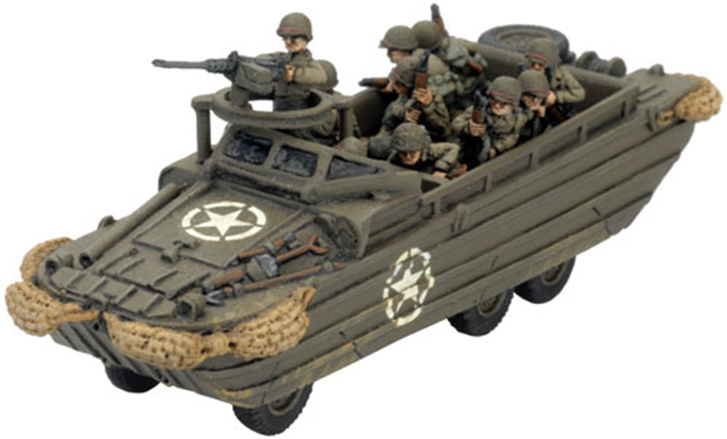
So, while they are fragile and definitely not something to leave under enemy guns, they bring exactly the sort of logistical flavor that makes historical forces feel more like real formations and less like disconnected stat blocks.
Three new starter boxes give Battlefront a cleaner entry point across Early War, Late War, and WWIII
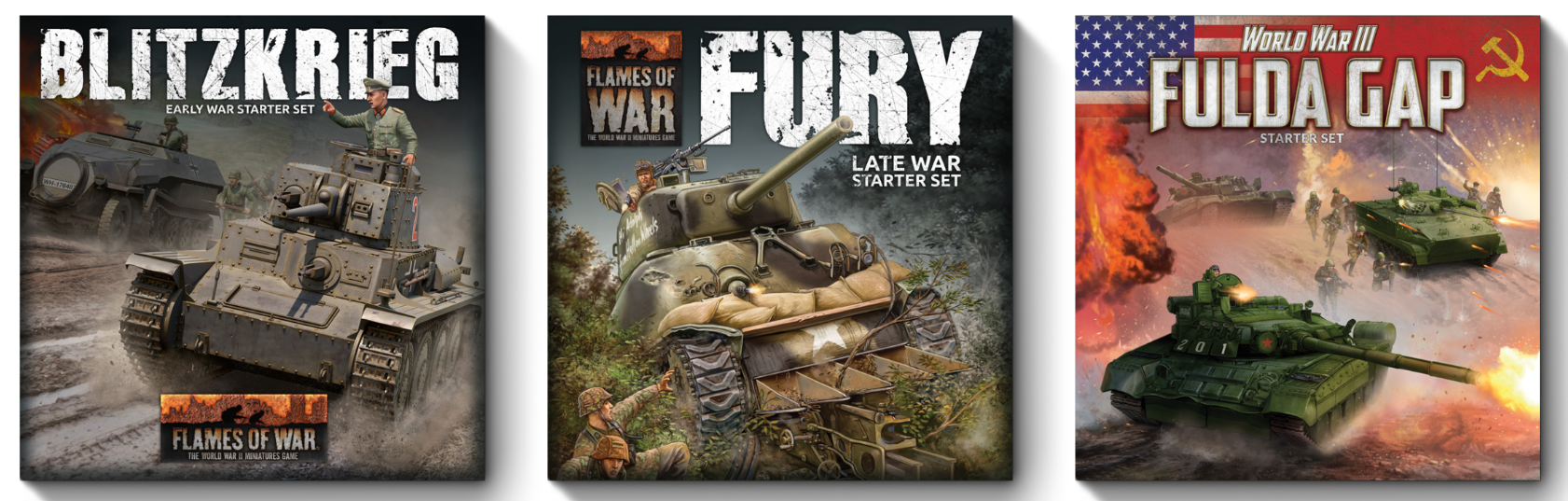
The starter set article is really about Battlefront tightening up its on-ramp for new players across three different periods, and that is a smart move.
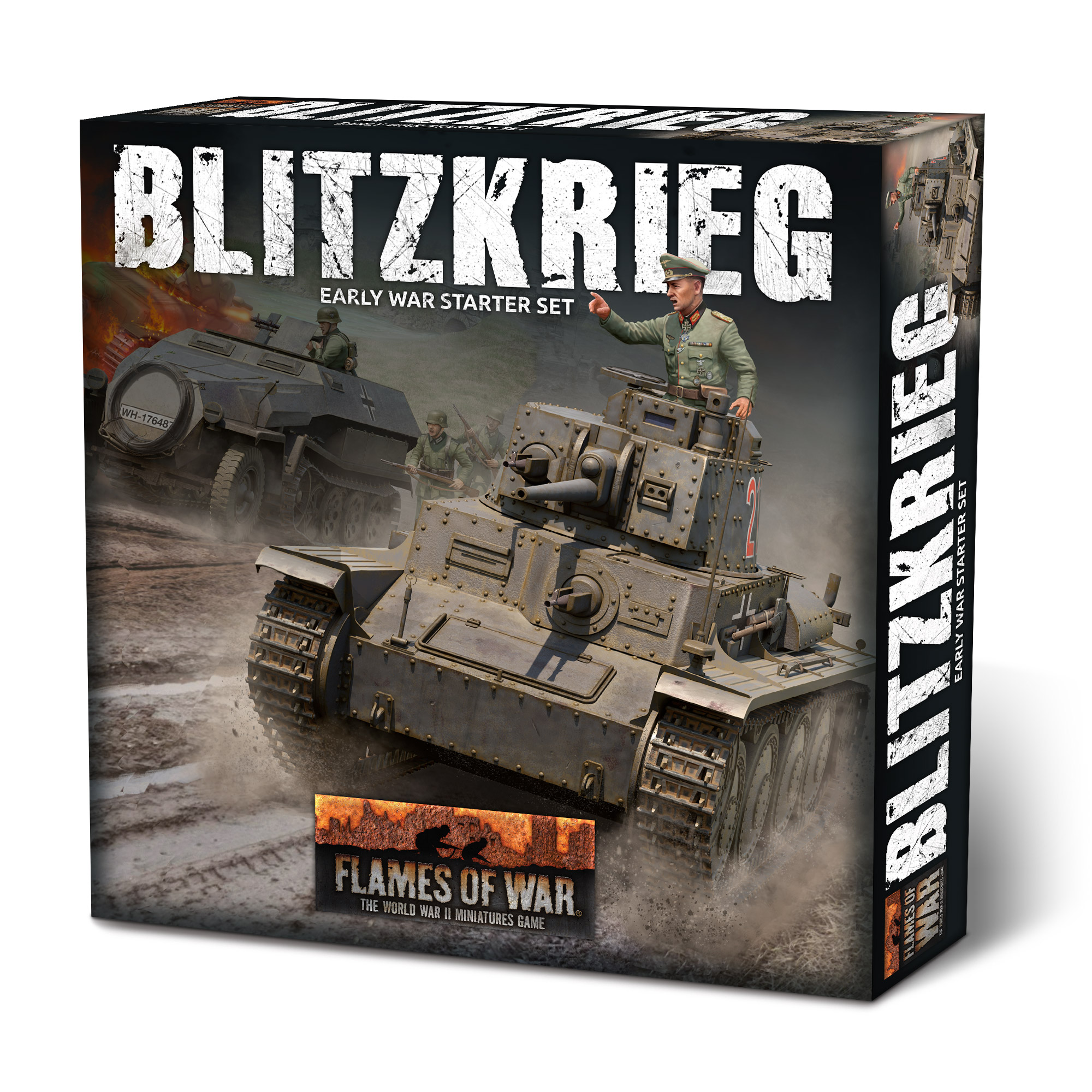
First, Blitzkrieg handles the Early War slot, and it is clearly the headline for anyone wanting that fast, cinematic 1940 feel. Inside, you get 2 plastic Panzer 38(t)s, 3 plastic Light Mk VIs, plus unit cards, terrain cards, dice, and rules, which means it is built as a true pick-up-and-play introduction rather than a box that still needs homework before it hits the table.
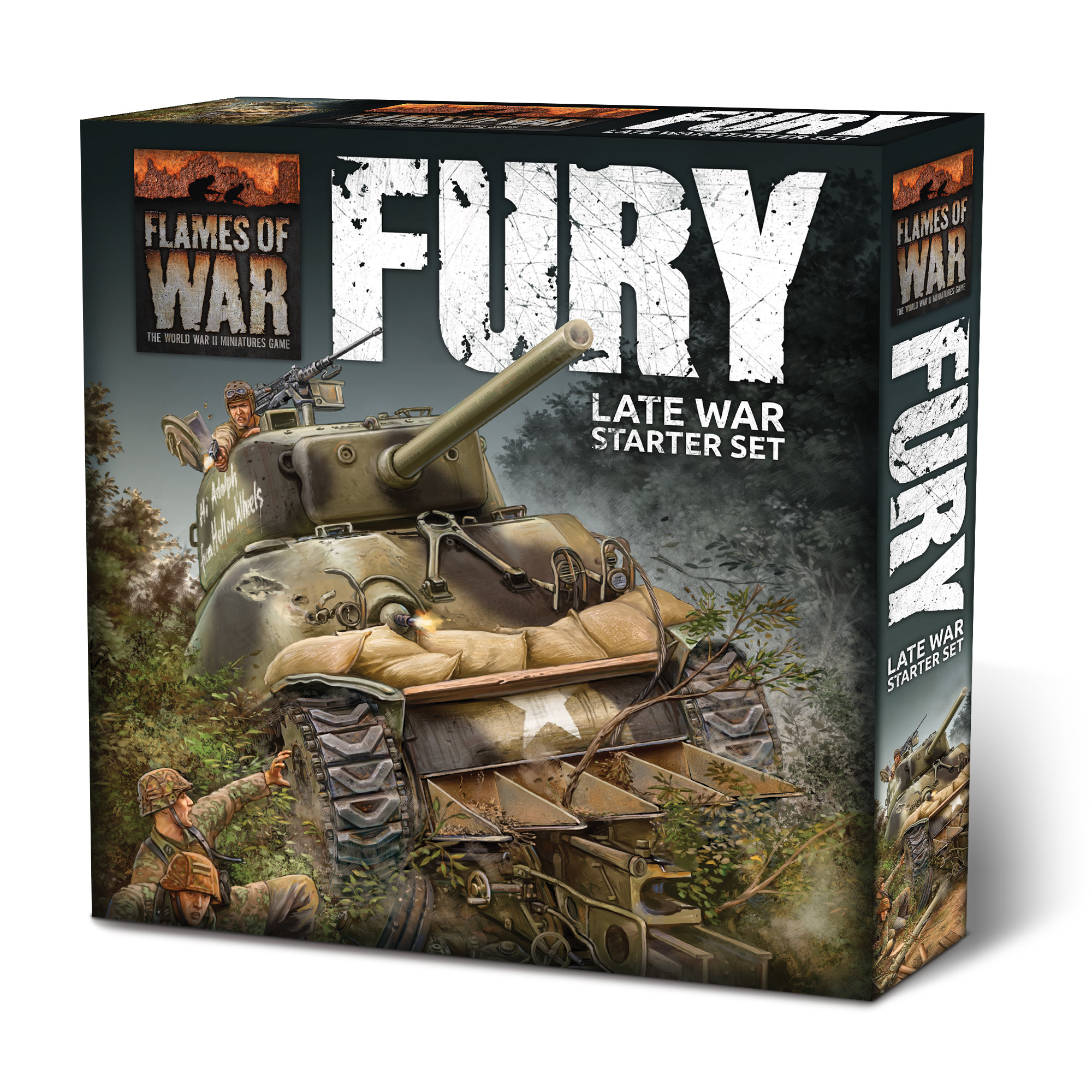
Meanwhile, Fury takes the same approach for Late War, throwing 2 plastic StuG assault guns against 3 plastic M4 Sherman tanks and leaning into that classic late-war duel of mobility, armor angles, and hard-hitting guns.
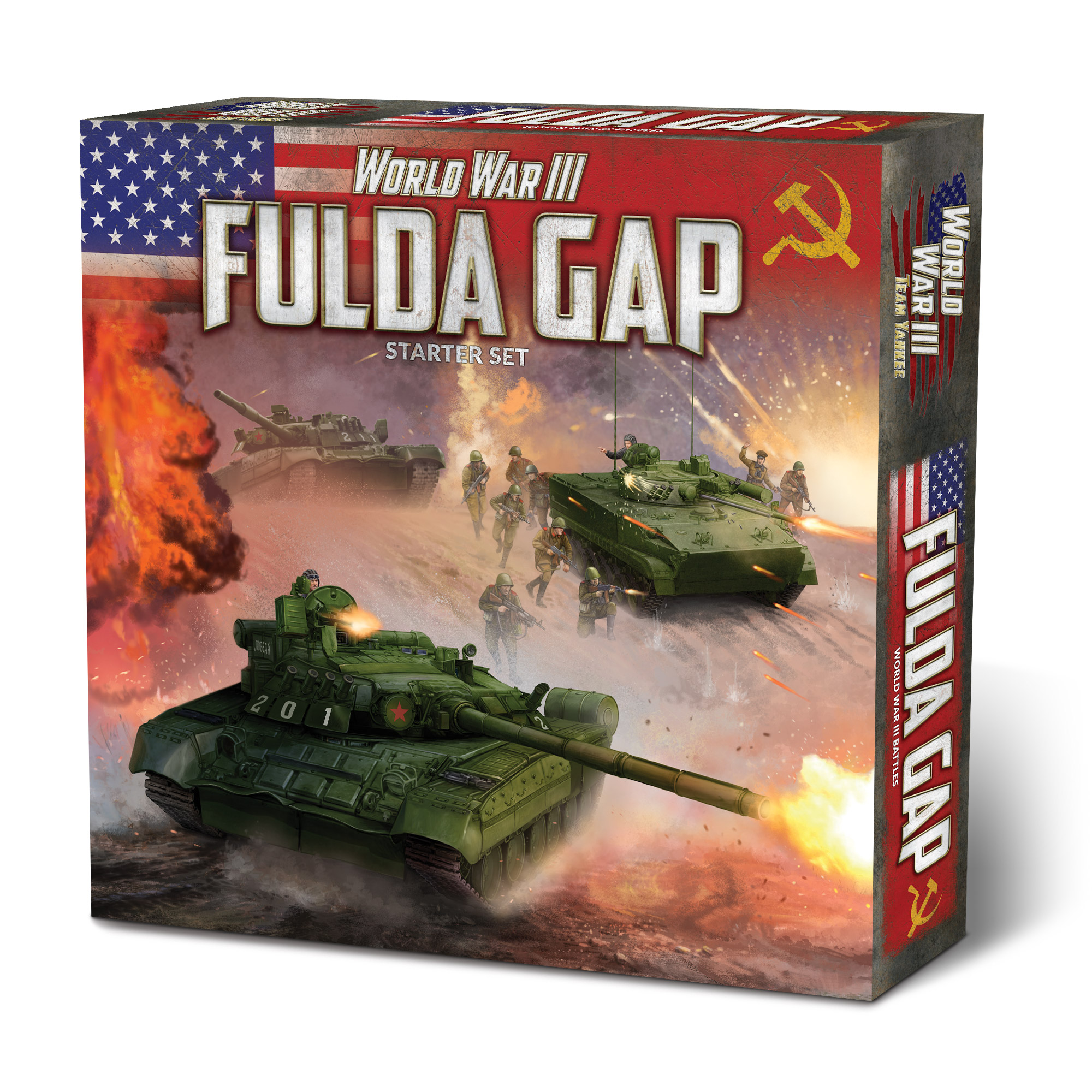
Then Fulda Gap does the same for WWIII: Team Yankee, with 2 plastic M1A1 Abrams facing 3 plastic T-80s, backed by the same cards, dice, terrain, and rules package. So, the real point of the article is not just that new products are up for pre-order.
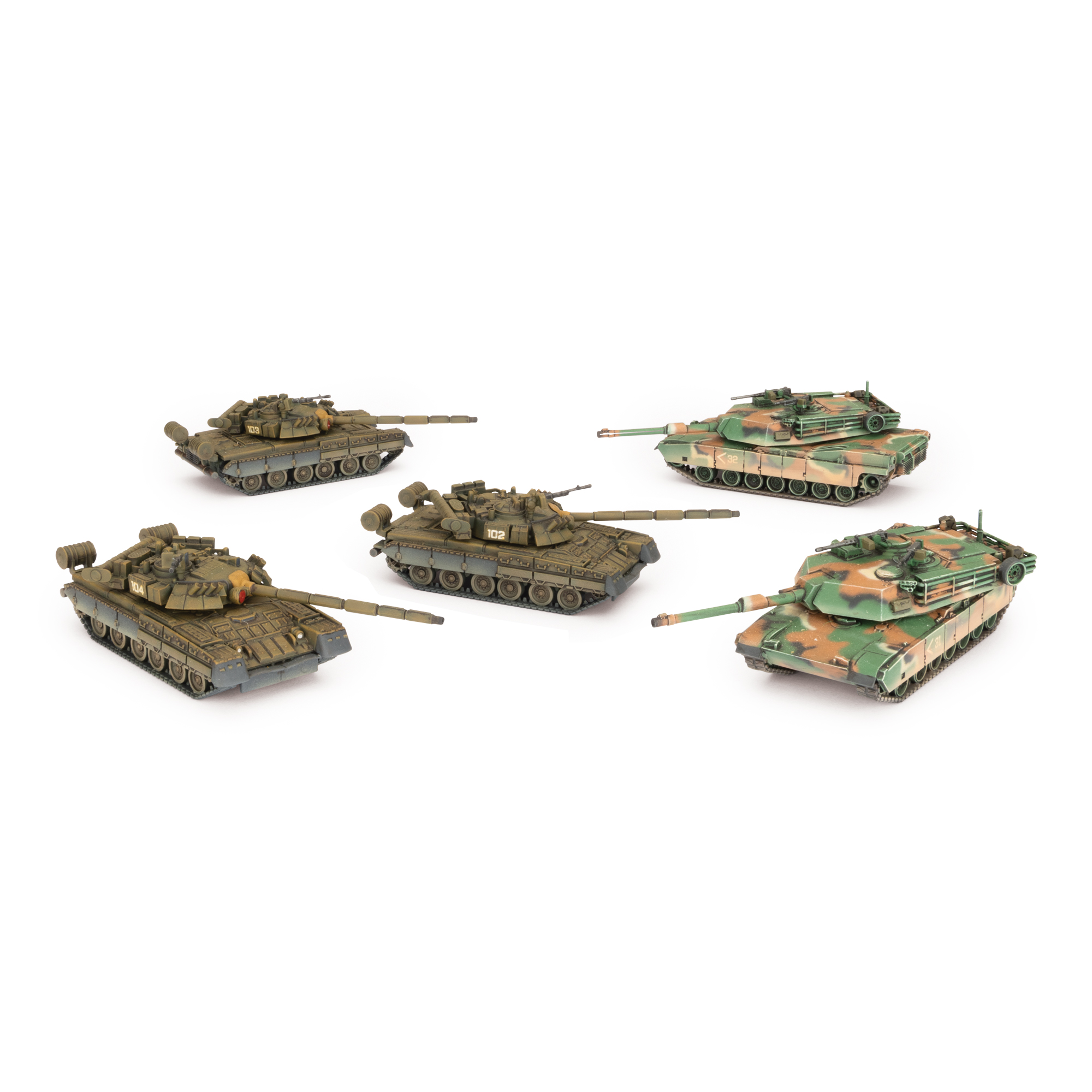
Instead, it is that Battlefront now has a very clear starter box for Early War Flames Of War, Late War Flames Of War, and modern Team Yankee, with each one built around tank duels, straightforward force matchups, and immediate tabletop play.