
There have been 10 editions of Warhammer 40k thus far but they have all approached the narrative side of the game very differently. Which ones have been the true stand-outs in terms of narrative options?
Recently I came across Art of War’s ranking of the first 10 editions of 40k and which ones they thought were best. While I respect their prowess as competitive players I found myself heavily disagreeing with their rationale. This is not to say that I know more then them, or that my opinion is superior but it got me thinking.
Their ranking was solid if one looks at just the competitive landscapes per edition (although they gloss over some issues like Eldar in 6th edition) but if you focus on narrative play what editions were the best?
Foor this ranking we will factor in the overall state of the game but will focus on the availability of supplements, ancillary materials, global campaigns, and codex features.
Honorable Mention: Rogue Trader
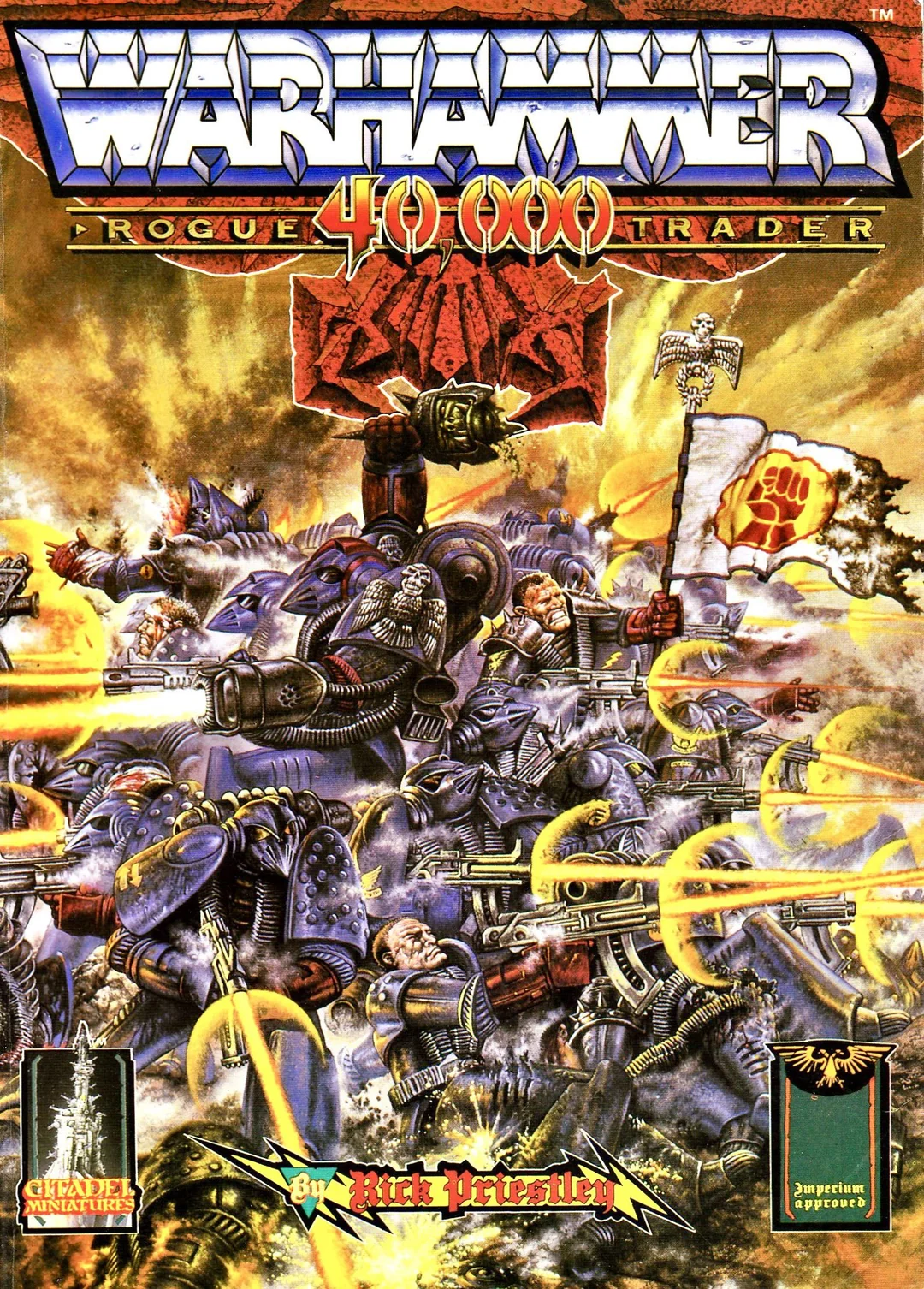
It’s not really fair to include Rogue Trader as it was more of an RPG and thus extremely narrative but not really a proper table-top game.
9th Place – 2nd Edition
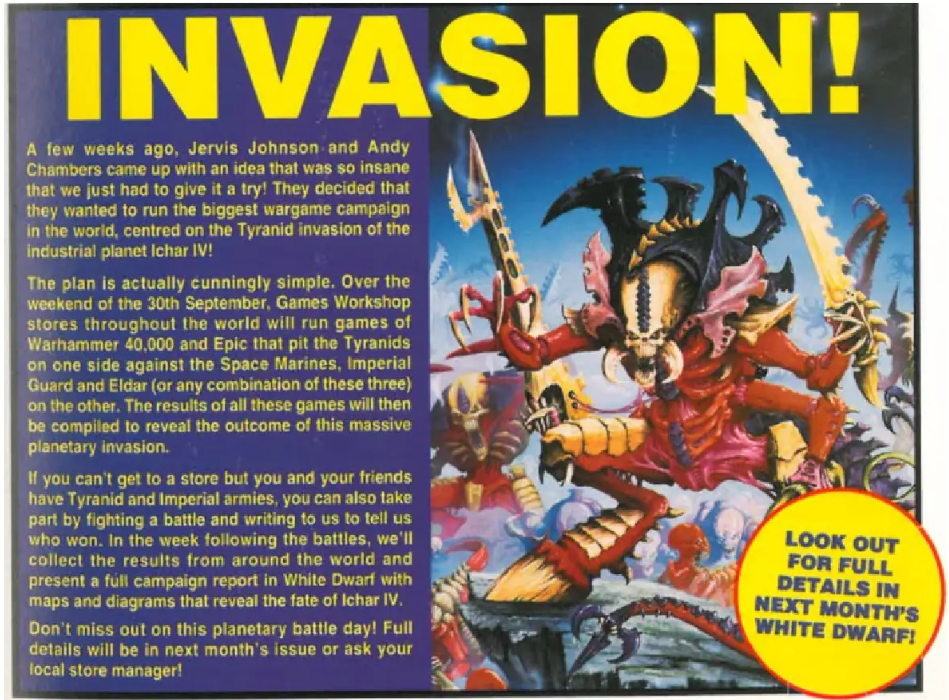
As with some other editions, this is very hard to rank as the game itself was hyper-customizable and had incredible rules for creating narrative moments. While each battle could feel very memorable there wasn’t as much in the way of supplements or other materials. You did see the arrival of the first narrative campaign in the Battle of Ichar IV, but the lack of distinction in army books holds this edition back.
8th Place – 6th Edition
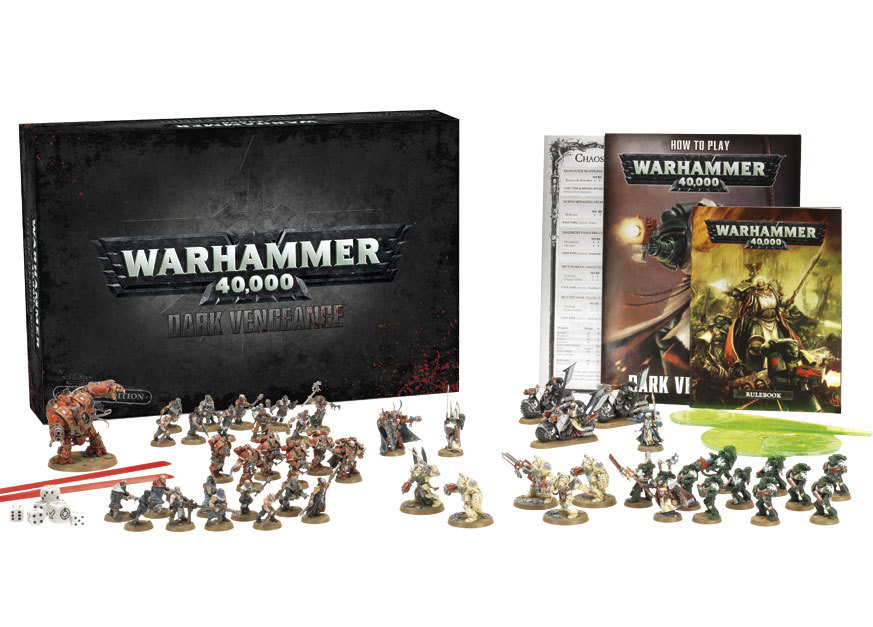
While there is a lot to love about 6th edition, the new psychic powers were a lot of fun as well as the introduction of flyers super heavies etc. it is held back by the short run (only two years). This edition ushered in a new era of complexity to the 40k game and gave players new ways to react to in their opponent’s turn, making battles feel more thematic. Furthermore, this is the edition where we finally started to see Space Marine doctrines appear granting faction traits for the first time.
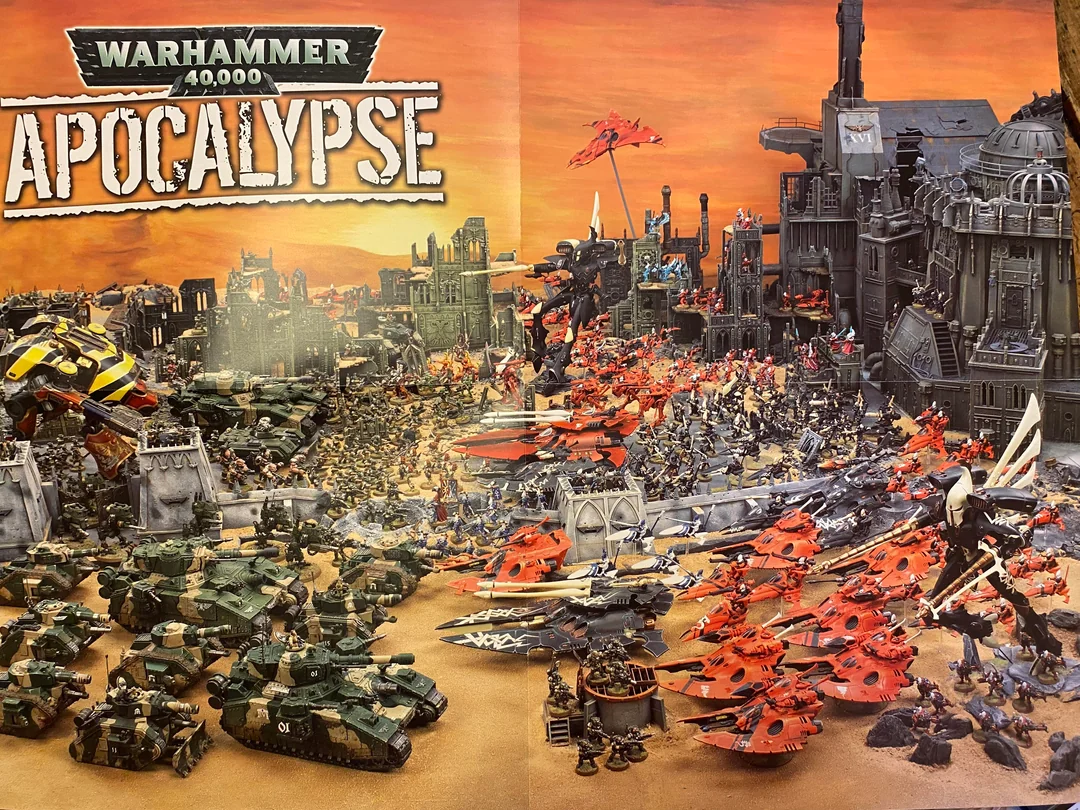
However, this edition continued the tend of keeping the army books relatively bare-bones in terms of faction traits and the like with the new additions of flyers and titanic units proving to be highly controversial (and perhaps unnecessary). Due to the short run time there were not as many supplements released but there were notable ones such as the Apocalypse Warzone series, Stronghold Assault and the final new Imperial Armor: The Fall of Orpheus
7th Place – 4th Edition
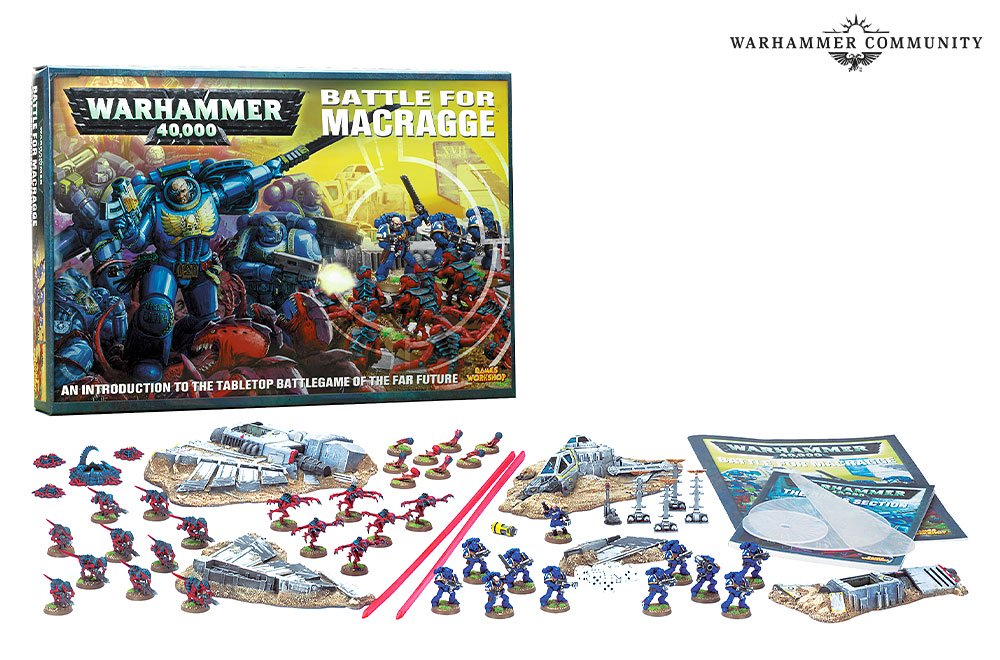
This is the edition that got me into 40k, but when you look at the materials the stats don’t lie. The classic rulebook does have rules for the early forms of Kill Team but not a lot of other narrative content. The rulebooks from this time are quite strong giving you early chapter traits and a ton of customization, however we see this slowly get dialed back heralding the wider changes that arrive in 5th edition.
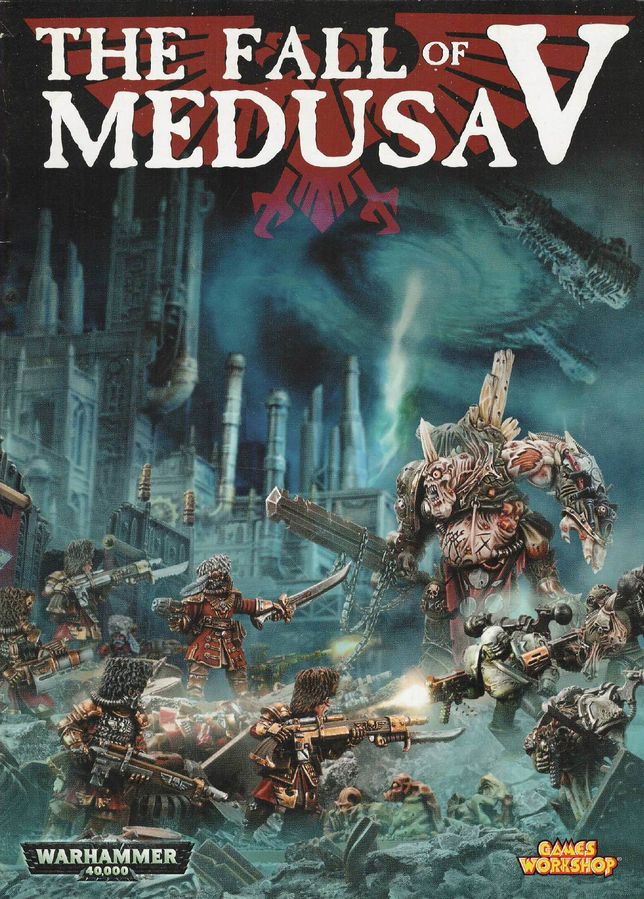
Some notable narrative moments from this edition include the introduction of Apocalypse games (including early formations), the Fall of Medusa V global campaign and the updated Cities of Death rules. These seem great in isolation but this edition appears a bit lacking when you compare it to some of the other editions and what materials and gaming aids they received.
Conclusion
That’s all for today, tune in next week as we cover those editions that ranked 6th-4th in my opinion. While you wait what are your thoughts? Am I missing something? What editions were lowest in your view?