40K Stoat’s Center Tackles the End of the World
The end is nigh. For the first time ever the game is unbalanced, GW seems uninterested in intervening to fix […]
The end is nigh. For the first time ever the game is unbalanced, GW seems uninterested in intervening to fix […]

As a student of mythology, the name Horus reminds me of the ancient tales of the mythical being from Egyptian mythology. As a student of philosophy, I see the myth of Horus and look at the narrative for themes and meaning applicable to humanity and morality. As a fan of Warhammer 40K, I hear the name of Horus and see a character very far divorced from those ancient roots. In this article, I plan to look at the myths, themes, and stories of the old Egyptian myths and see how they fit into the ongoing narrative of the Horus Heresy.
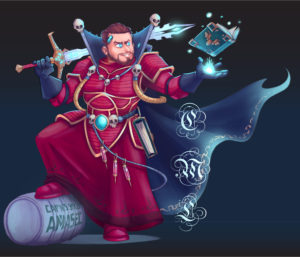
If anyone in 40K (or anywhere) represents a negative interpretation of “Will to Power” then it would be the Emperor of Mankind, the most intelligent and amorally rational example of moral relativism and ends-justify-the-means that perhaps has ever existed in fiction. I am going to make the case that it is exactly those traits that led directly to the Emperor’s downfall.
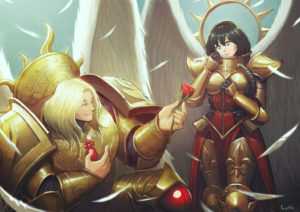
Well, if concepts such as hatred, envy, nihilism, selfishness, betrayal, and malevolence lead to evil manifestations in the Warp, what about manifestations of selflessness, compassion, love, nobility, loyalty, and honor?