
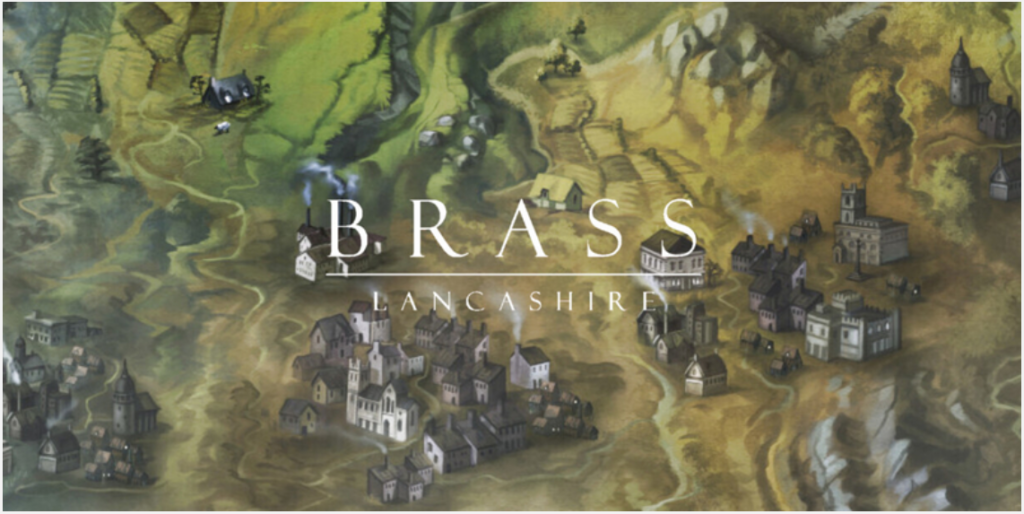
Brass: Lancashire is a heavy economic game about building industries during England’s Industrial Revolution.
However, its historical theme supports a remarkably interactive network puzzle. Players construct cotton mills, ports, coal mines, iron works, shipyards, canals, and railways. Meanwhile, every industry can become useful to opponents as well as its owner. This Brass Lancashire review finds a demanding classic that still feels unusually sharp.
Brass Lancashire Theme and Focus
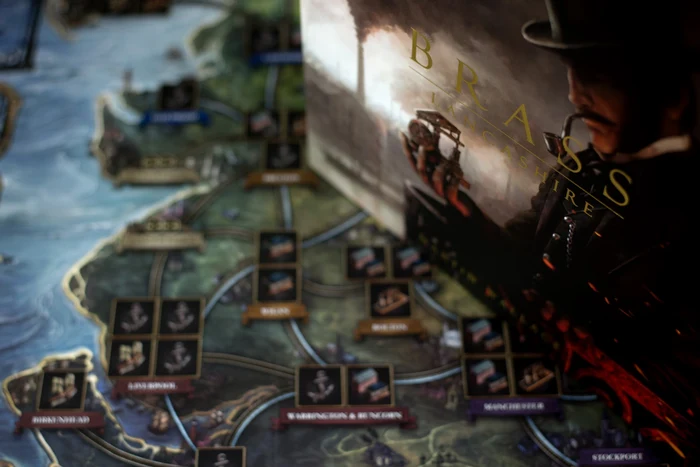
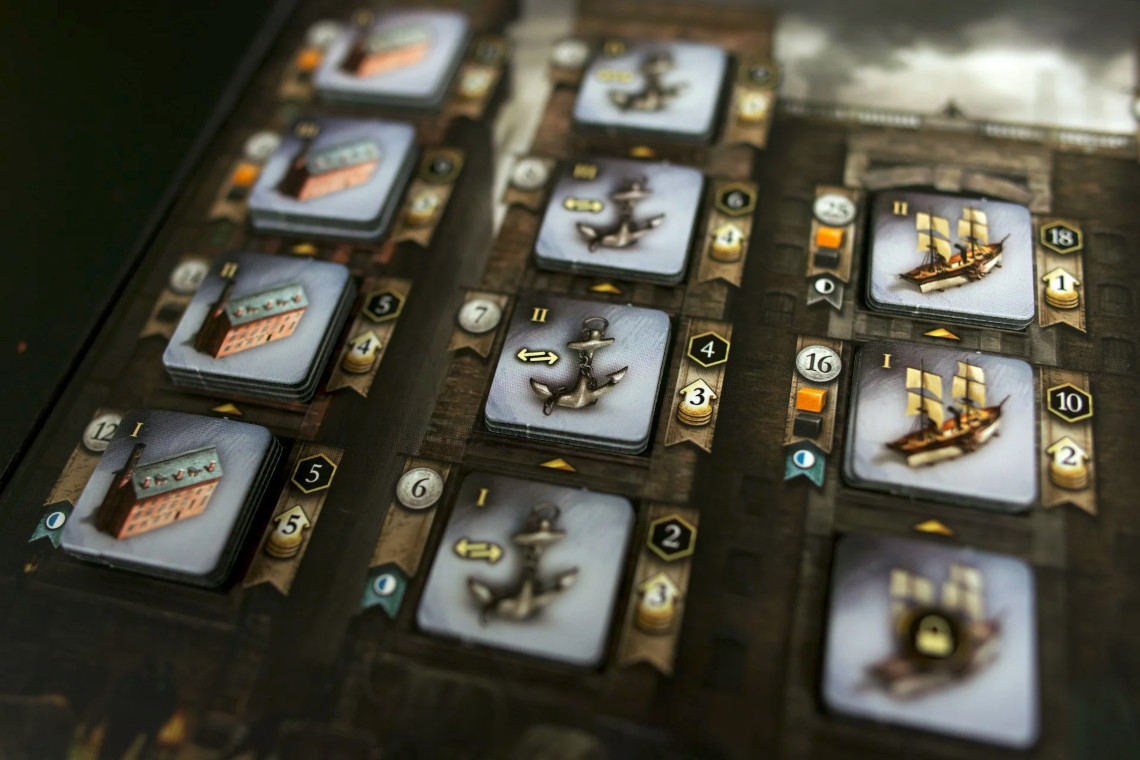
The game covers roughly a century of industrial expansion across Lancashire. However, the focus is economic timing rather than historical simulation. You build industries, develop stronger tiles, borrow money, and create transport links between cities. Meanwhile, coal and iron move through shared networks, often benefiting rivals who consume your resources.
That shared economy is the heart of Brass. A coal mine may help an opponent build rail, yet their purchase can flip your tile. Therefore, cooperation and competition constantly overlap. The game rarely rewards simply ignoring everyone else.
Play is divided into canal and rail eras. However, the transition dramatically changes the board. Low-level industries and canals disappear, forcing players to rebuild around rail connections. As a result, early investments must support both immediate scoring and later positioning.
Turn order also depends on spending. Whoever spends least acts first during the next round. Therefore, a cheap turn can set up powerful consecutive actions. This remains one of the game’s cleverest sources of tension.
Pros
- The shared economy creates constant interaction without requiring negotiation.
- Turn order makes spending decisions strategically important.
- The canal and rail eras create a strong sense of development.
- Industry timing rewards experience without making victory feel predetermined.
- Network building produces satisfying long-term plans.
- The Roxley edition presents the game clearly and attractively.
Cons
- The rules remain demanding for first-time players.
- Card draws can restrict where useful actions happen.
- Early mistakes can remain costly for several rounds.
- Two-player games feel less competitive than full tables.
- The theme may feel dry to players wanting narrative immersion.
- Experienced players can punish inefficient decisions severely.
Comparison to Similar Games
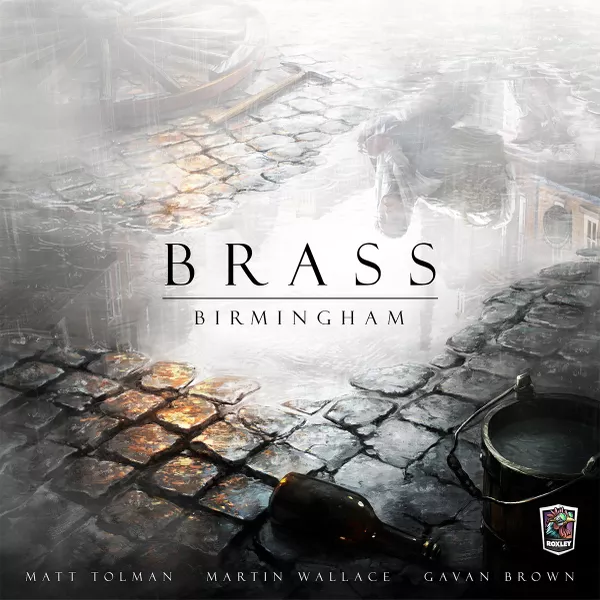
Compared with Brass: Birmingham, Lancashire is tighter and more confrontational. However, Birmingham offers more industries, flexible selling, and broader strategic experimentation. Lancashire instead rewards sharper timing and more direct competition.
Compared with Age of Steam, Brass is less punishing financially. Meanwhile, both games make shared networks central to economic growth. Age of Steam emphasizes logistics, while Brass focuses more heavily on industry development.
Power Grid offers another useful comparison. However, Power Grid makes auctions and resource markets more explicit. Brass instead embeds economic competition directly into the board. Therefore, its interaction often feels less obvious but equally important.
Barrage also shares Brass’s harsh network competition. However, Barrage is more spatially restrictive and mechanically aggressive. Brass feels cleaner, although it can be equally unforgiving.
Brass Lancashire Verdict
Overall, this Brass Lancashire review finds a design that has aged remarkably well. However, it demands concentration and rewards repeated play more than casual experimentation. The shared resources create interaction that few economic games match. Meanwhile, the two-era structure keeps long-term planning from becoming predictable.
Brass: Lancashire is not welcoming, and it rarely hides bad decisions. Still, that severity is part of its appeal. For experienced Euro players, it remains a brilliant economic contest. However, players wanting greater flexibility may prefer Brass: Birmingham.