

Paladins of the West Kingdom is a heavy worker-placement game set in ninth-century West Francia.
Players defend settlements, commission monks, build fortifications, and confront outsiders. However, the real focus is building an efficient personal engine across seven rounds. Each round, a chosen Paladin boosts specific attributes and shapes your best actions. Meanwhile, colored workers determine which spaces you can activate. This Paladins of the West Kingdom review finds a demanding Euro with impressive long-term planning.
Paladins of the West Kingdom Theme and Focus
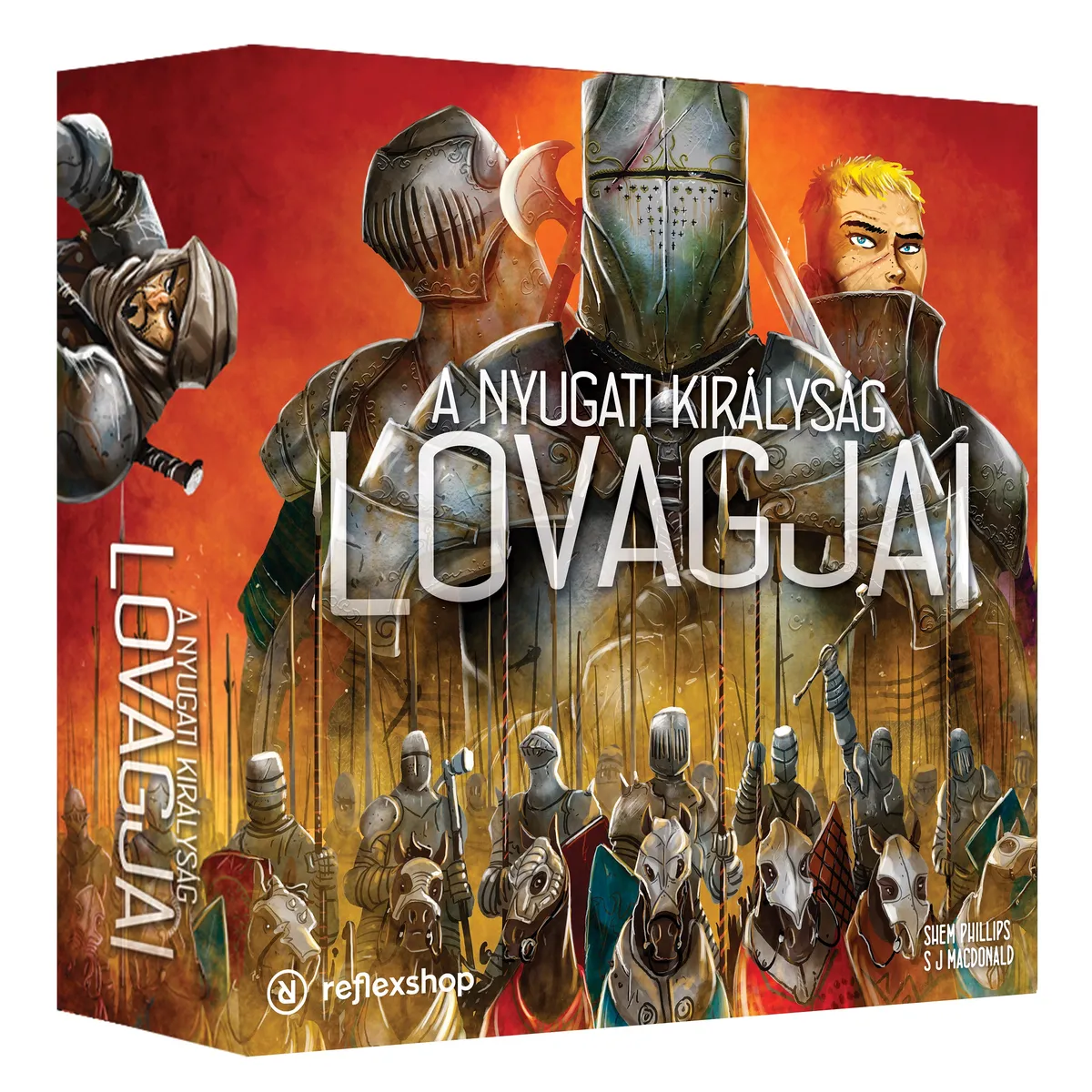
The historical theme gives the mechanisms useful context, although the game remains strongly mechanical. Players increase Strength, Influence, and Faith to unlock stronger actions. Therefore, improving one track often creates opportunities elsewhere. Townsfolk also provide ongoing powers, while King’s Orders push players toward particular scoring goals.
Debt and suspicion add another layer to the economy. However, they rarely dominate unless players actively exploit them. The central puzzle is sequencing workers, resources, and attributes efficiently. Meanwhile, Paladins create temporary boosts that encourage careful timing. Because of that, experienced players can plan several rounds ahead without feeling completely locked into one path.
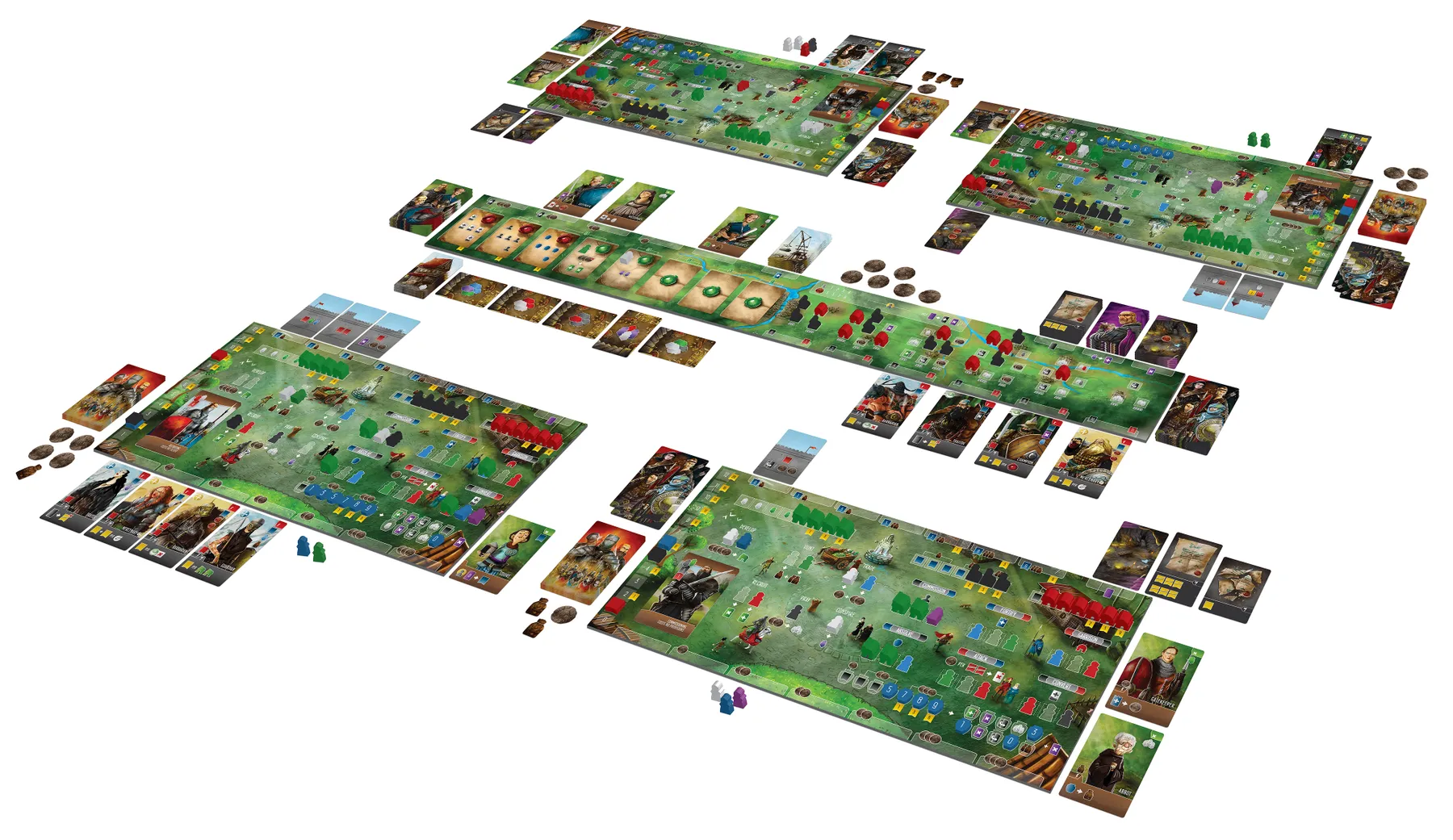
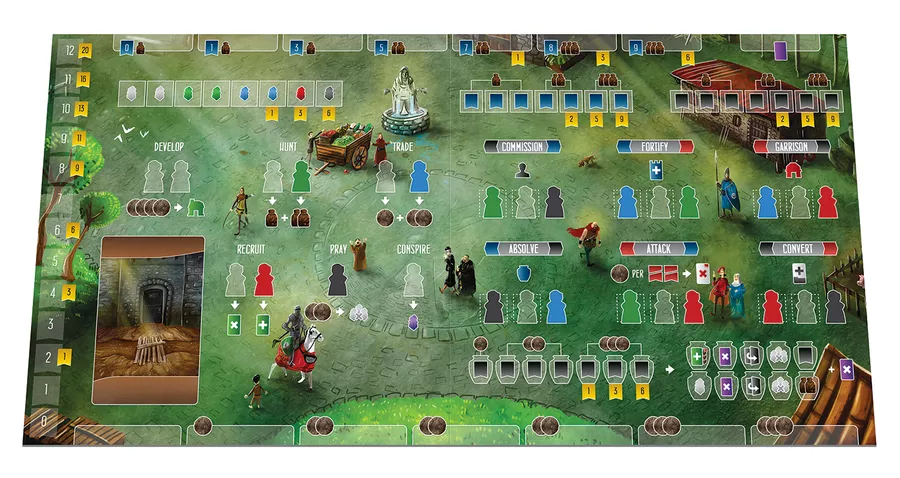
The personal boards are especially important. Most of your decisions happen within your own developing system. Therefore, interaction comes mainly through shared cards, timing, and limited competition. That makes Paladins thoughtful, although it can occasionally feel like parallel optimization.
Pros
- The personal action board creates a deep and satisfying efficiency puzzle.
- Paladins provide meaningful temporary bonuses and encourage flexible planning.
- Multiple scoring routes support different strategic approaches.
- The solo mode preserves most of the core puzzle effectively.
- Attribute tracks connect actions in a clever and rewarding way.
- Card variety gives repeated plays worthwhile strategic differences.
Cons
- The first game can feel dense and visually overwhelming.
- Direct player interaction remains fairly limited.
- Some turns encourage lengthy calculation before committing workers.
- Poor early planning can create difficult recovery problems.
- The theme feels secondary once optimization takes over.
- Four-player sessions can run long with deliberate groups.
Comparison to Similar Games
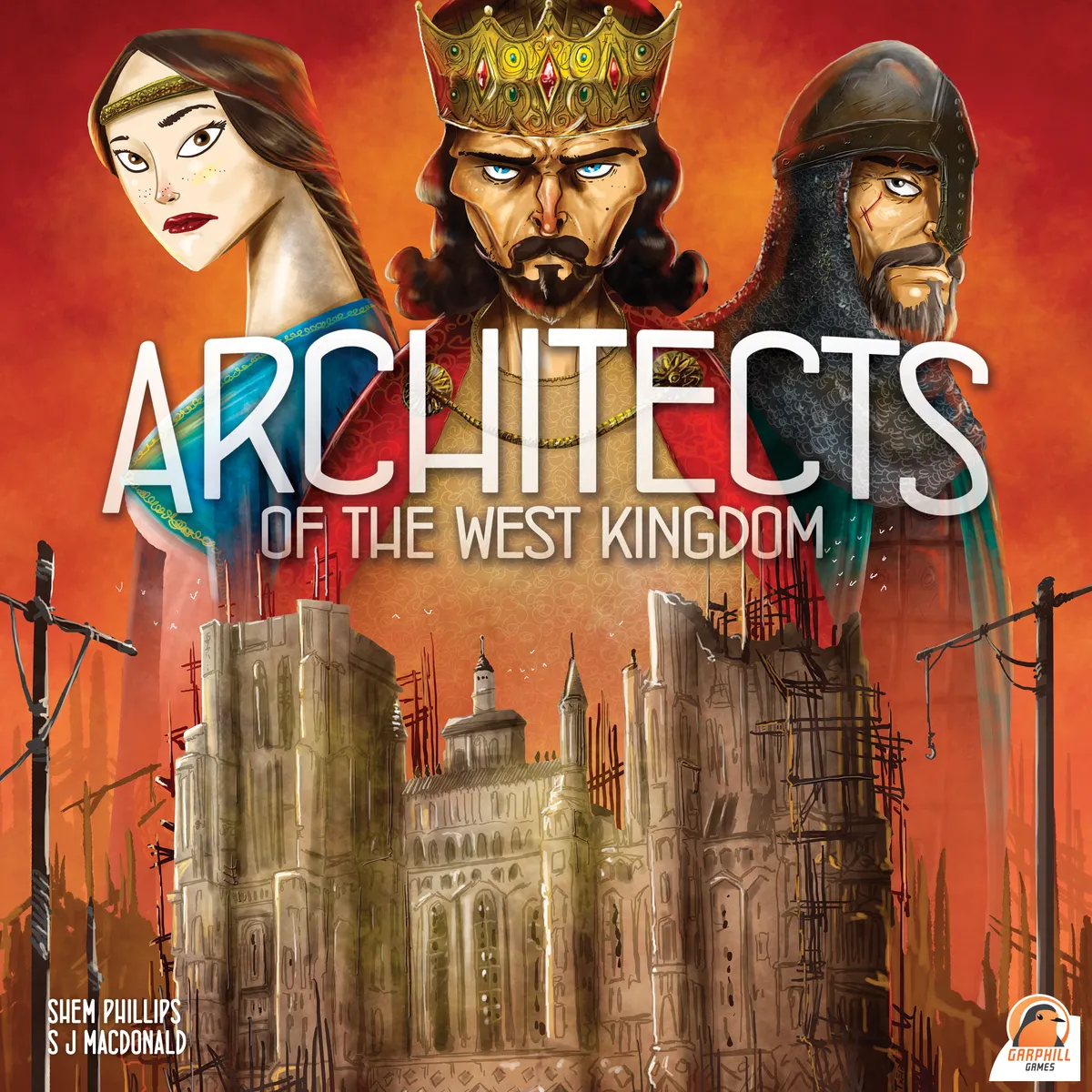
Compared with Architects of the West Kingdom, Paladins is heavier and more solitary. However, Architects offers stronger direct interaction and a faster teaching curve. Paladins instead rewards deeper sequencing and longer-term planning.
Compared with Viscounts of the West Kingdom, Paladins feels more controlled and less spatial. Meanwhile, Viscounts creates more board interaction through movement and castle pressure. Paladins gives players greater control over personal development.
Lorenzo il Magnifico also provides a useful comparison. Both games reward attribute growth and precise action timing. However, Lorenzo is harsher and more competitive over shared spaces. Paladins feels more like solving an intricate personal machine.
Paladins of the West Kingdom Verdict
Overall, this Paladins of the West Kingdom review finds one of Garphill’s strongest heavy Euros. However, it is also among the least welcoming to casual players. The game rewards careful sequencing, tactical Paladin choices, and long-term attribute planning. Meanwhile, its limited interaction keeps the experience thoughtful rather than confrontational. Experienced Euro players should find substantial depth here. Still, groups wanting faster turns or stronger conflict may prefer Architects or Viscounts.