Dawn of War 4 Gameplay finally has a much clearer shape ahead of the December launch.
The new overview confirms massive campaigns, multiplayer options, and the return of a beloved co-op mode. Meanwhile, Black Library is pushing The Scouring into the nightmare war for Mars. Together, these reveals give Warhammer fans plenty to chew on across games and fiction.
Dawn of War 4 Gameplay Covers Campaigns, Skirmishes, Multiplayer, and The Last Stand
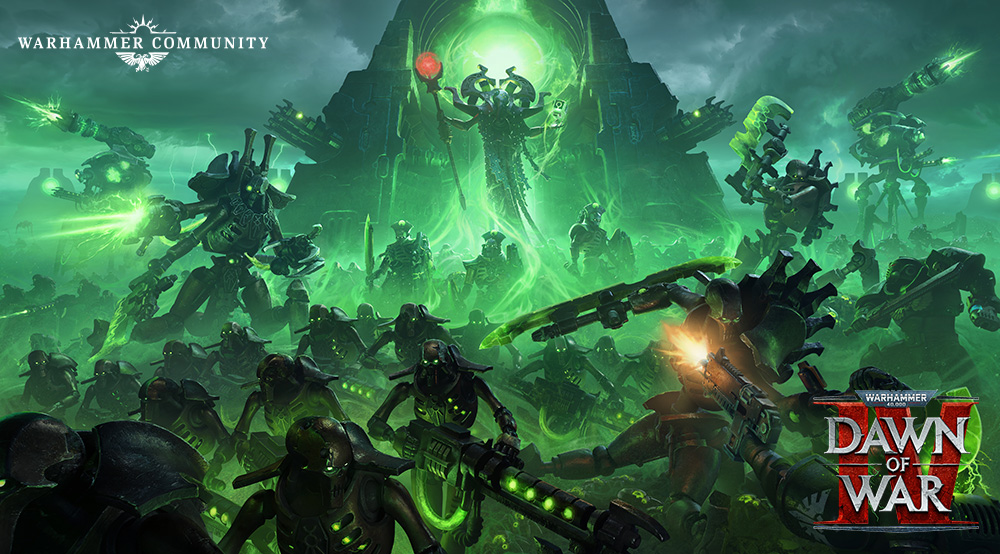
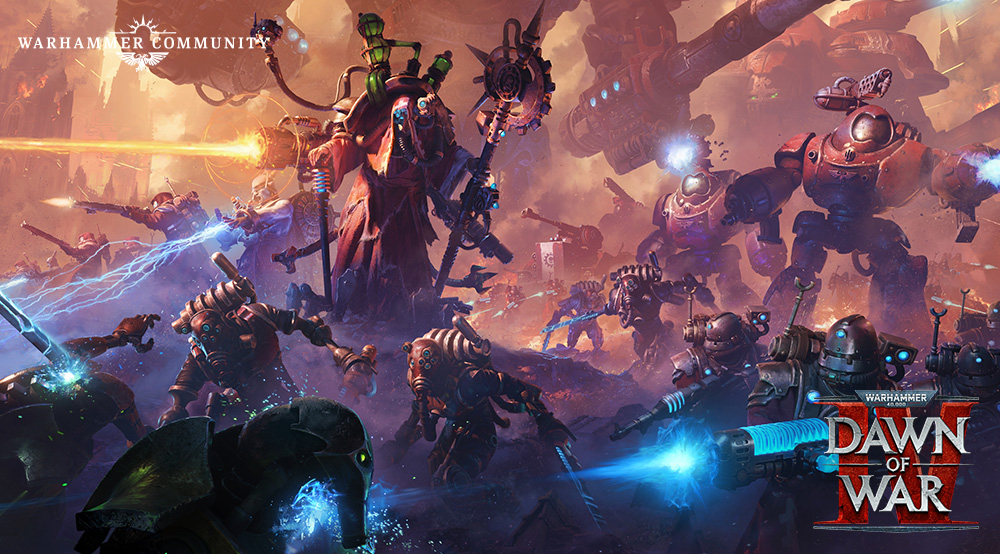
Dawn of War IV is returning to Kronus with four playable factions and more than 70 campaign missions. Players can command Space Marines, Orks, Necrons, and the Adeptus Mechanicus across four separate campaigns. The Space Marine roster combines Blood Ravens and Dark Angels, which should create a particularly flexible toolbox. More importantly, the game is clearly aiming beyond a one-and-done story campaign. Skirmish mode includes four game types, dozens of adjustable settings, and support for up to five AI opponents.
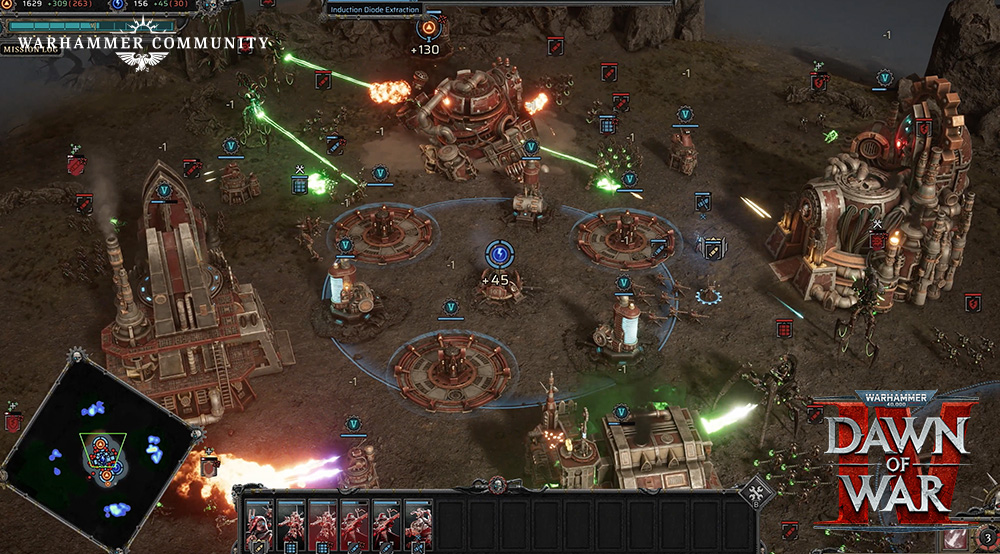
Therefore, players can tune matches before jumping into competitive multiplayer across 30 maps. The Last Stand also returns, bringing back the series’ fan-favourite three-player survival mode. This time, each player chooses from five heroes and builds a supporting group of companion units. Consequently, runs should involve more planning than simply picking a hero and surviving another wave. The upgraded Painter tool may be just as exciting for longtime tabletop fans.
Players can use preset schemes or customize colours, decals, armour, wargear, and individual equipment pieces. That level of customization finally brings the digital army painter closer to the hobby experience. Dawn of War IV launches on December 3, 2026. However, the Commander Edition unlocks three days early, while current pre-orders receive a 10% discount. Overall, Dawn of War 4 Gameplay looks built around replayability instead of relying solely on nostalgia.
Wrath of Terra Takes The Scouring Into a Broken Mars
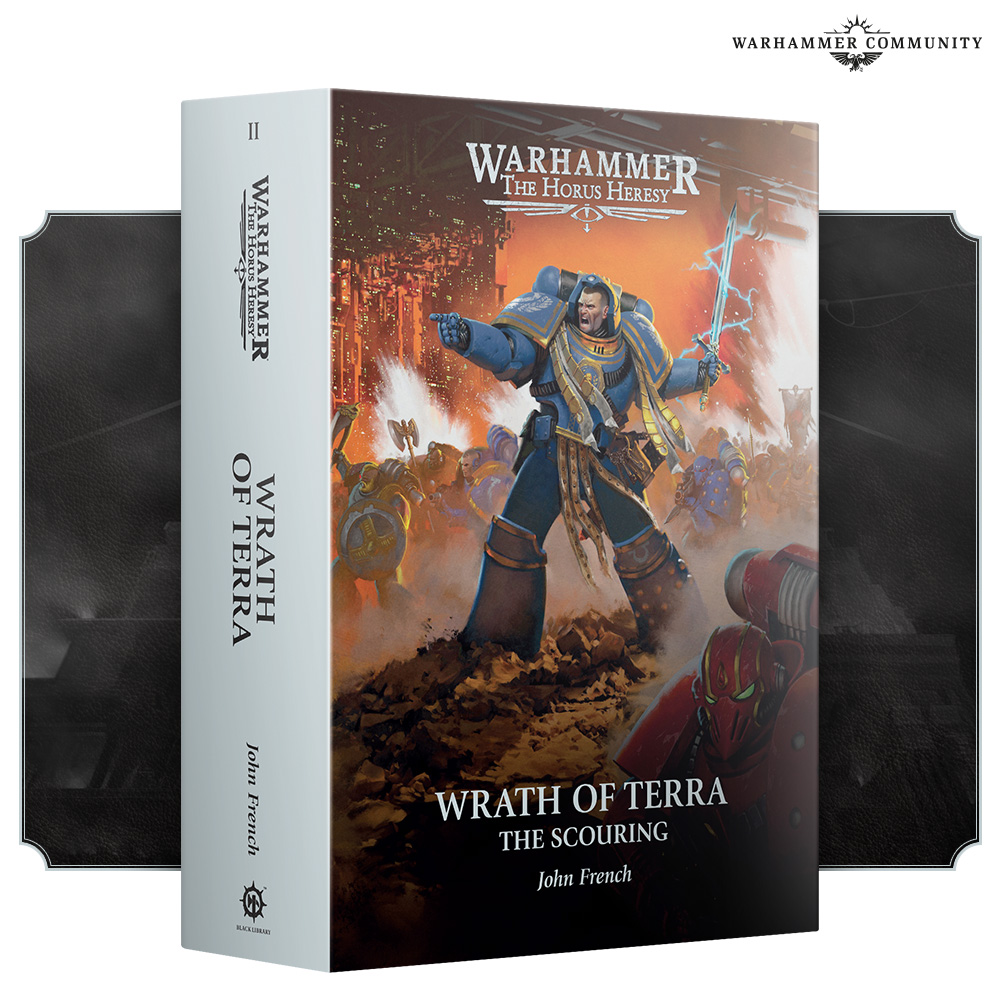
The second Scouring novel, Wrath of Terra by John French, turns the post-Heresy conflict toward Mars. The Dark Mechanicum still controls the Red Planet under Kelbor-Hal, despite Horus already being dead. However, their Warp-dependent creations have weakened because the Warp has become strangely unresponsive. Loyalist Mechanicum forces now want their sacred world reclaimed, but they refuse to become passengers in that campaign.
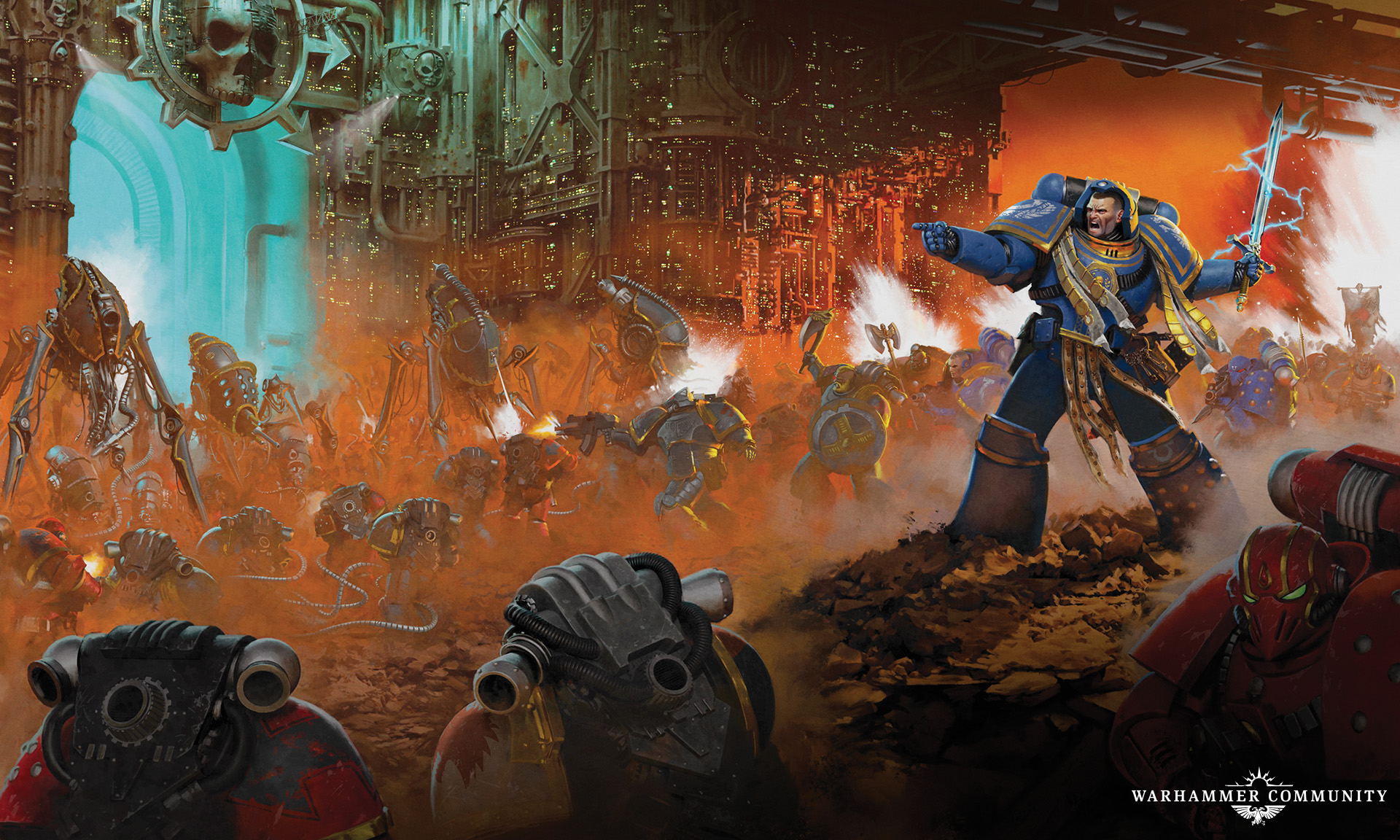
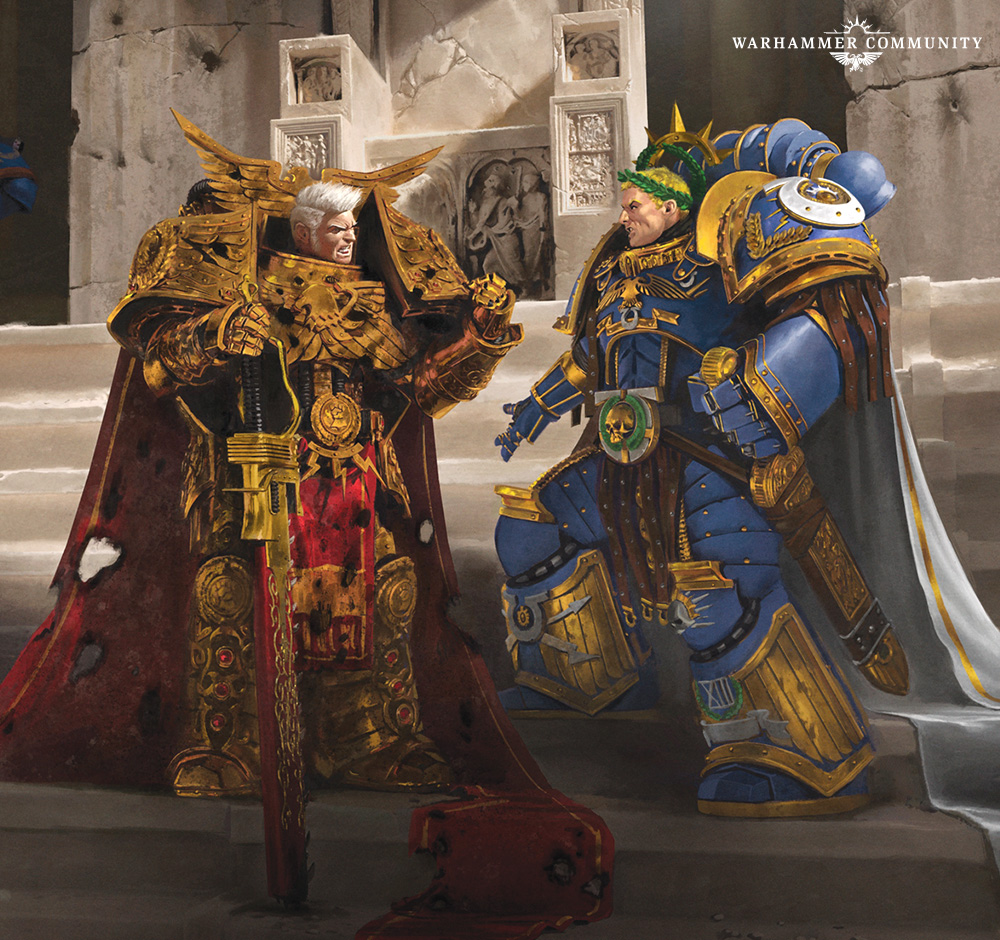
Therefore, the coming war carries political tension alongside the obvious military nightmare. The novel follows several viewpoints, including an Ultramarine, a defeated Iron Warrior, and Blood Angel Apollyon. Meanwhile, Moriana Mouhausen navigates the struggle for power developing among primarchs and Imperial leaders on Terra. Apollyon’s story appears especially important because the Blood Angels remain shattered by Sanguinius’ death. They do not understand the murderous rage that briefly consumed them, or whether it might happen again. Consequently, their grief emerges through silence, violence, and uncertainty instead of ordinary mourning. French also highlights a major exchange between Guilliman, Dorn, and the other primarchs. Their political argument eventually becomes a conversation between brothers grieving the one who is missing.
Another quieter scene pairs Apollyon with the Space Wolf Salick after one of Salick’s pack dies. These moments suggest the book will balance huge historical events with smaller character interactions. More broadly, The Scouring explores Legions that no longer understand their role after the Heresy. Loyalists and traitors alike stand among ruins without knowing what comes next. That makes this era feel less triumphant than dangerously unsettled. Wrath of Terra will arrive in standard hardback and Premium Edition formats.
Final Thoughts
Overall, this is a strong pair of reveals for Warhammer fans interested in gaming and setting development. Dawn of War 4 Gameplay looks broad, replayable, and unusually generous with customization options. Meanwhile, Wrath of Terra explores an Imperium that survived Horus but remains psychologically and politically broken. Both releases revisit familiar Warhammer territory without simply repeating what came before.