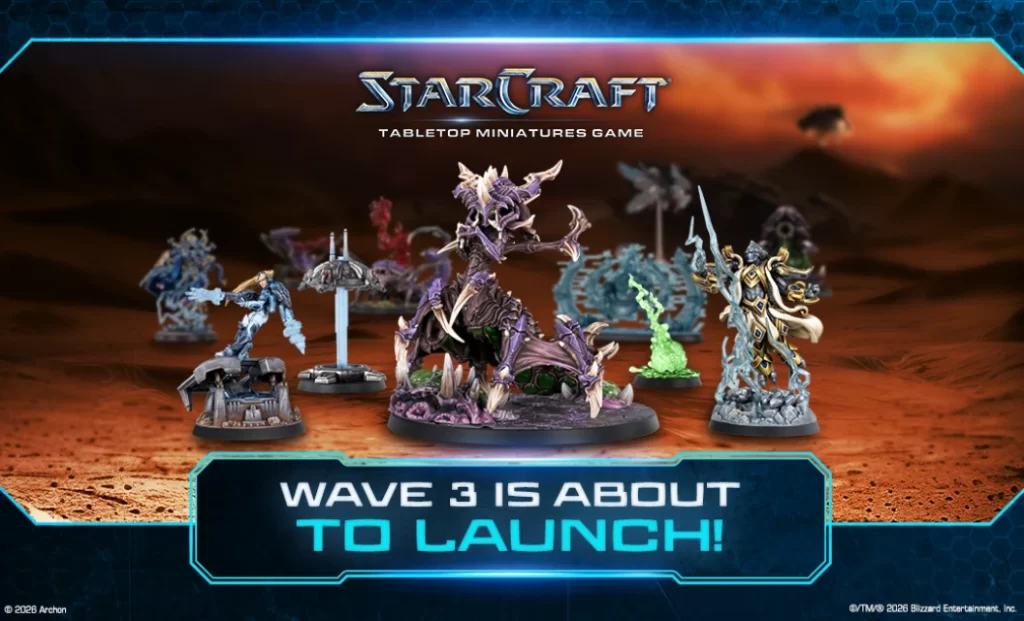
StarCraft Wave 3 is shifting the tabletop game away from simple frontline attrition and toward tighter battlefield control.
Three iconic leaders headline the release, giving Terran, Protoss, and Zerg players recognizable commanders. Meanwhile, each faction gains a specialist support unit built around utility rather than brute force. Custom faction dice round out a release aimed at players ready to deepen their existing armies.
Legendary Leaders and Support Units Expand Every Faction
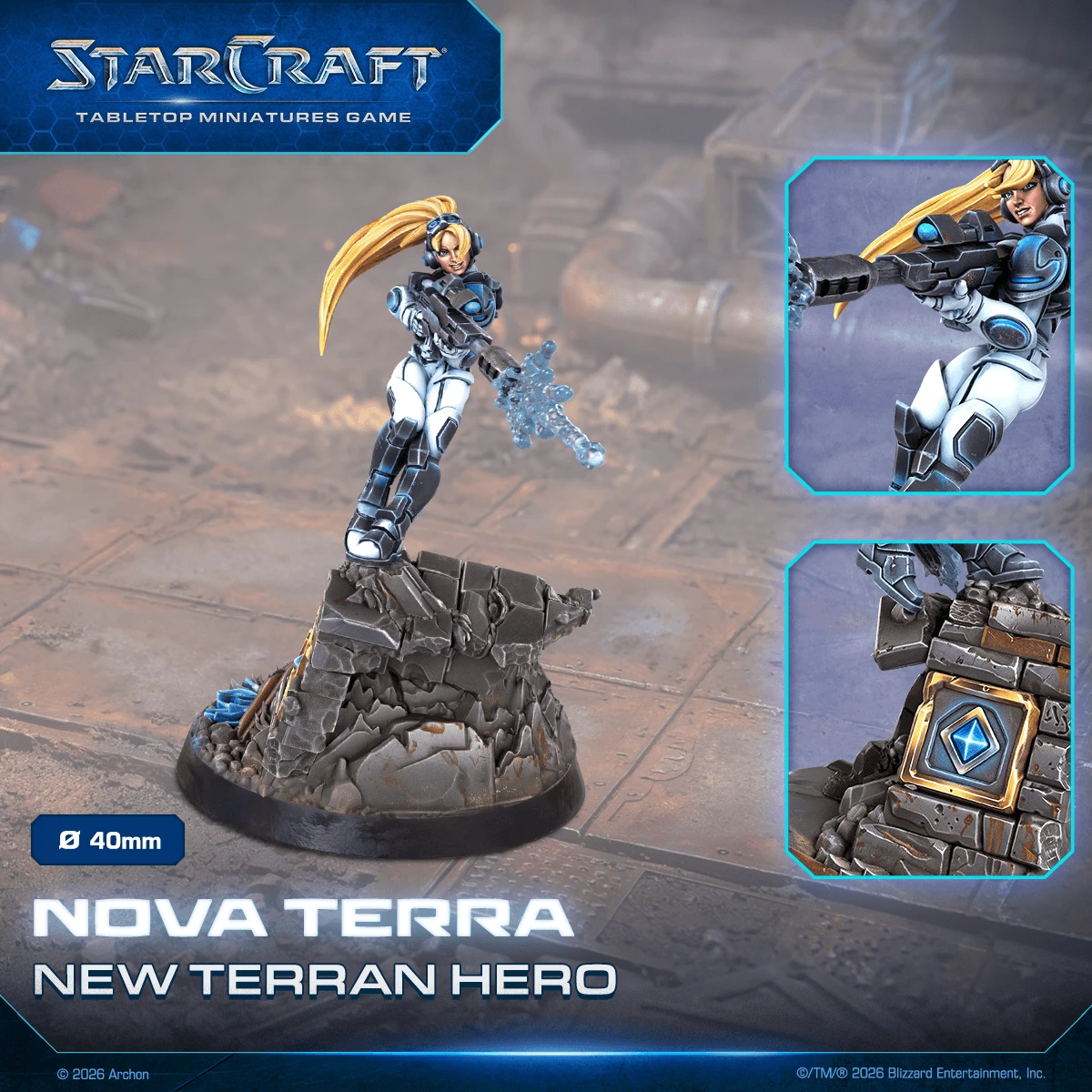
The biggest draw is the arrival of Nova Terra, Tassadar, and Zagara as faction-defining characters. Nova represents the Terran Dominion’s surgical side, favoring precision and battlefield disruption over simply adding another wall of guns. That fits the Ghost fantasy perfectly, because Terran players already have plenty of straightforward firepower elsewhere. Instead, Nova looks positioned as a commander who rewards timing, positioning, and selective pressure.
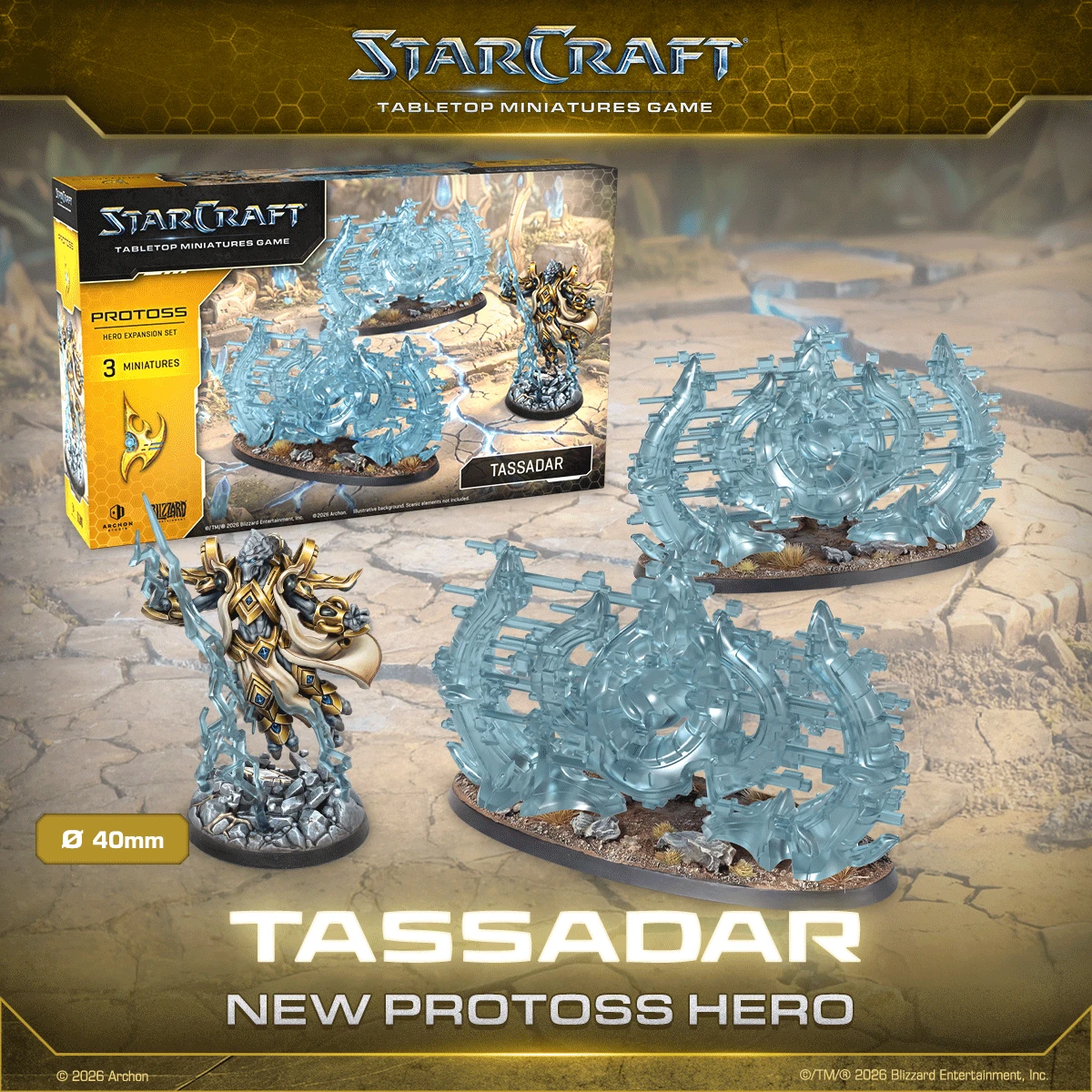
Protoss players receive Tassadar, one of StarCraft’s most recognizable heroes and a natural centerpiece for the golden armada. His preview emphasizes psionic power and leadership, suggesting a model intended to influence more than one isolated firefight. Consequently, Tassadar should appeal to players who want their Protoss force coordinated rather than merely elite.
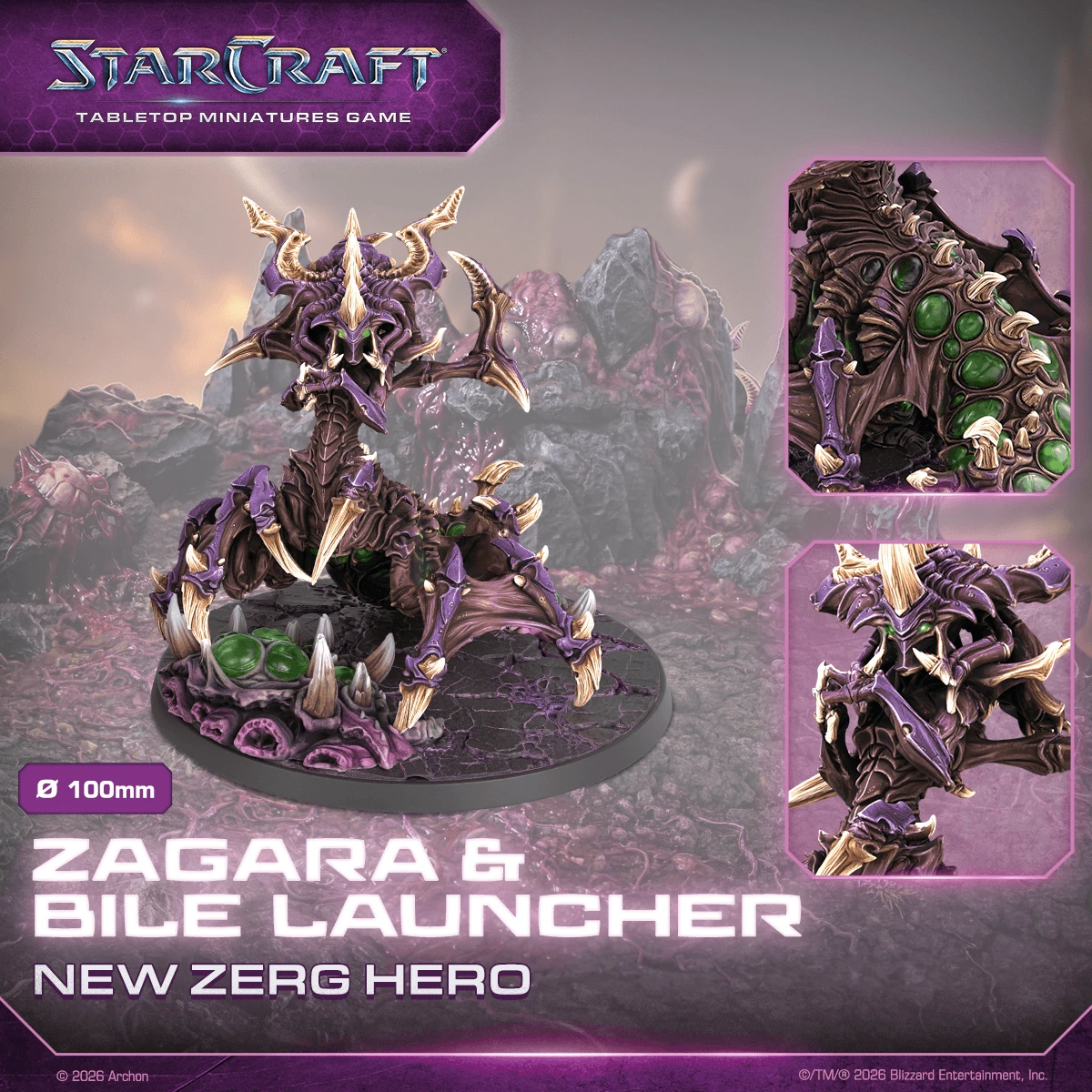
Zerg commanders get Zagara, whose entire identity revolves around turning the Swarm into a more efficient engine of destruction. That makes her an especially fitting addition, since Zerg armies should feel strongest when many moving pieces work together. However, StarCraft Wave 3 is not simply a character release with three famous names doing all the work. Each faction also receives a specialist unit designed around the less glamorous tools that often decide miniature games.
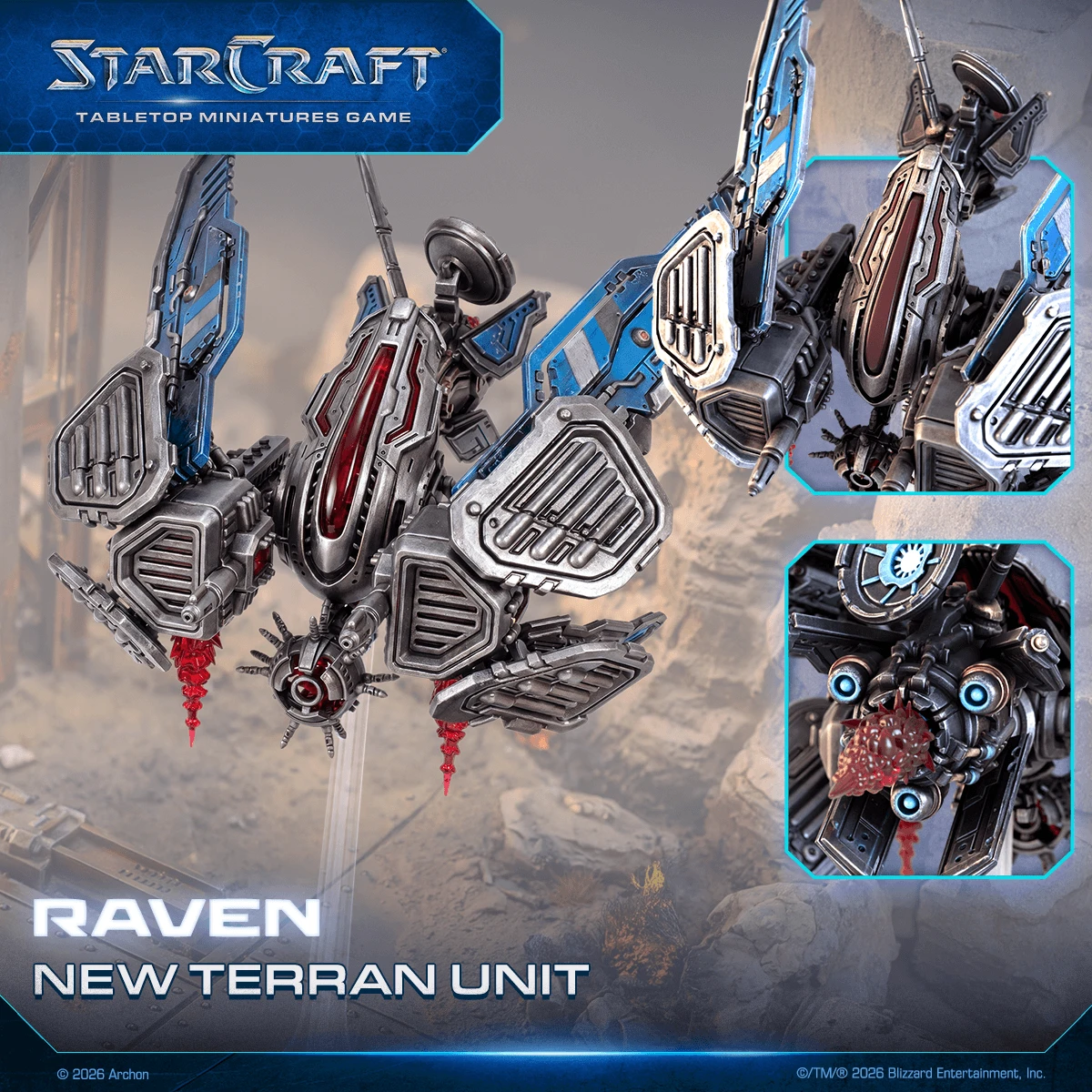
The Terran Raven brings aerial utility and battlefield lockdown rather than another conventional damage platform. Therefore, it should interest players who enjoy controlling space and creating favorable engagements before the shooting starts.
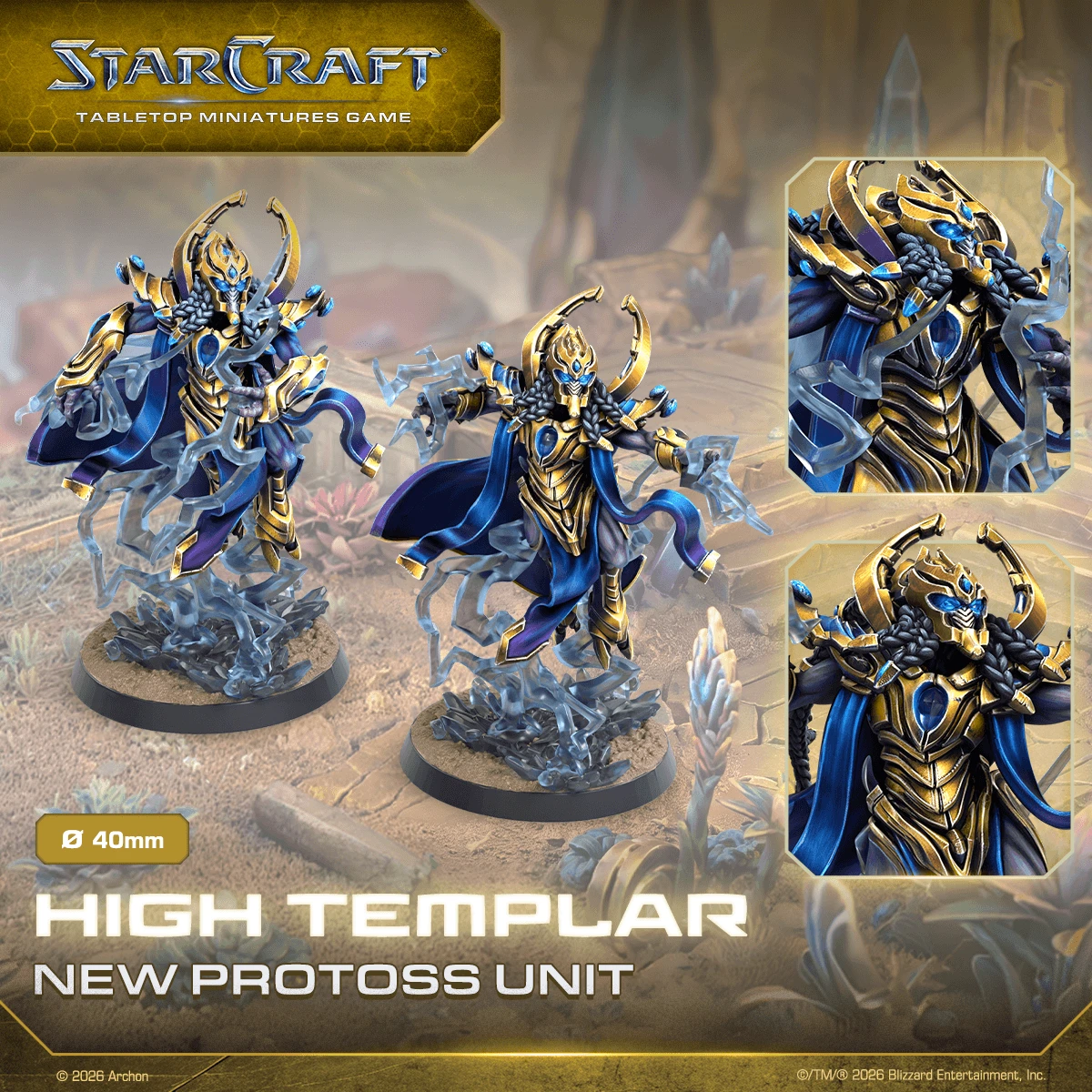
The Protoss High Templar pushes the same idea in a more explosive direction through its famous psionic battlefield role. Although physically fragile, High Templar have always represented frightening destructive potential when positioned and protected correctly.
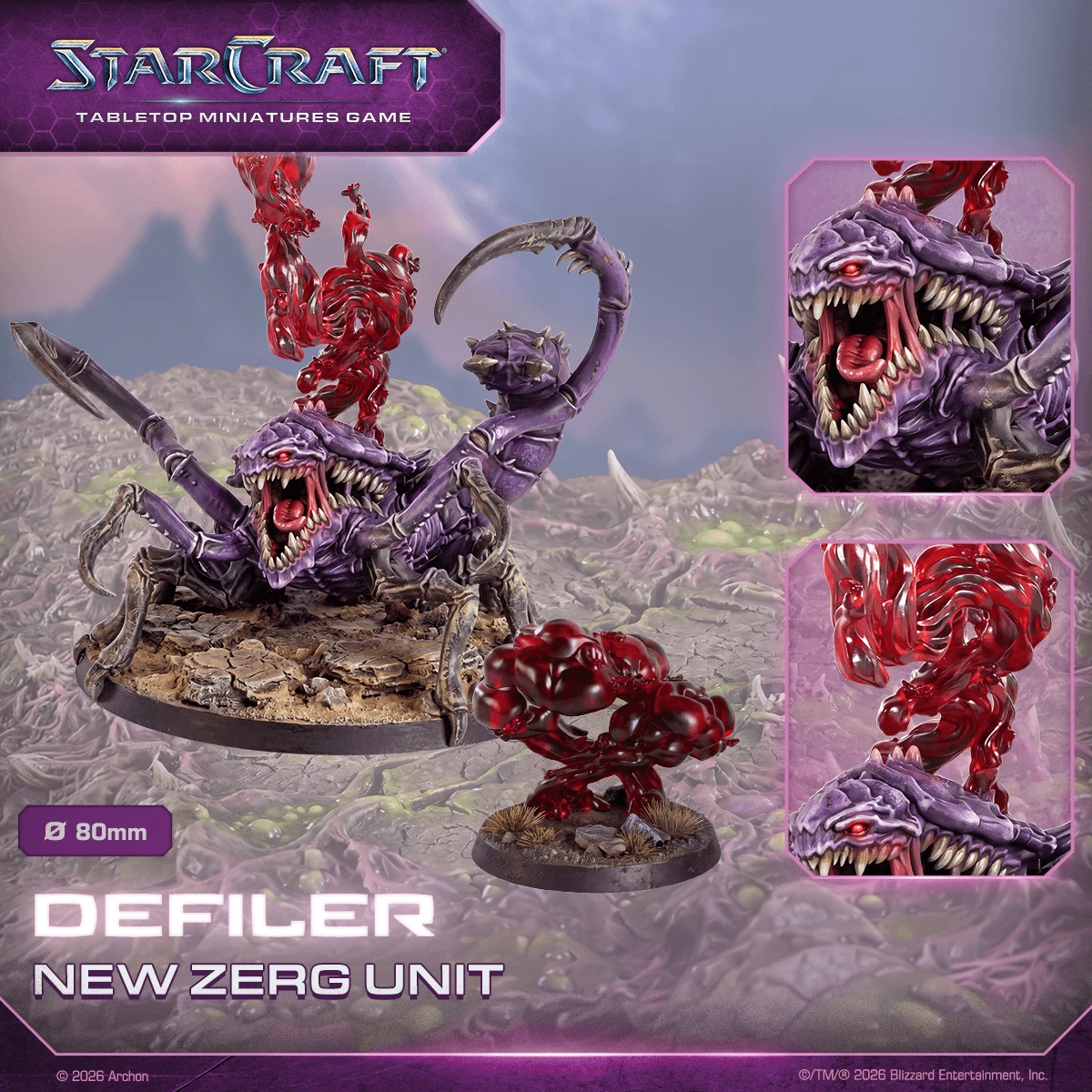
Likewise, the Zerg Defiler introduces the nastier biological warfare side of the Swarm. Rather than relying entirely on teeth and claws, it reinforces the idea that Zerg warfare includes debilitation and battlefield manipulation. Together, these three support releases make the wave strategically broader than simply adding harder-hitting frontline units. The emphasis clearly rests on buffs, debuffs, area denial, and similar advantages that reward planning several steps ahead.
For veteran miniature gamers, that is usually where a system starts becoming much more interesting. Raw damage is easy to understand, while support pieces create combinations, counters, and genuinely difficult decisions. Additionally, the release brings dedicated custom dice sets for Terran, Protoss, and Zerg players. Admittedly, faction dice do not change an army’s tactics, but they add the sort of table presence hobbyists enjoy.
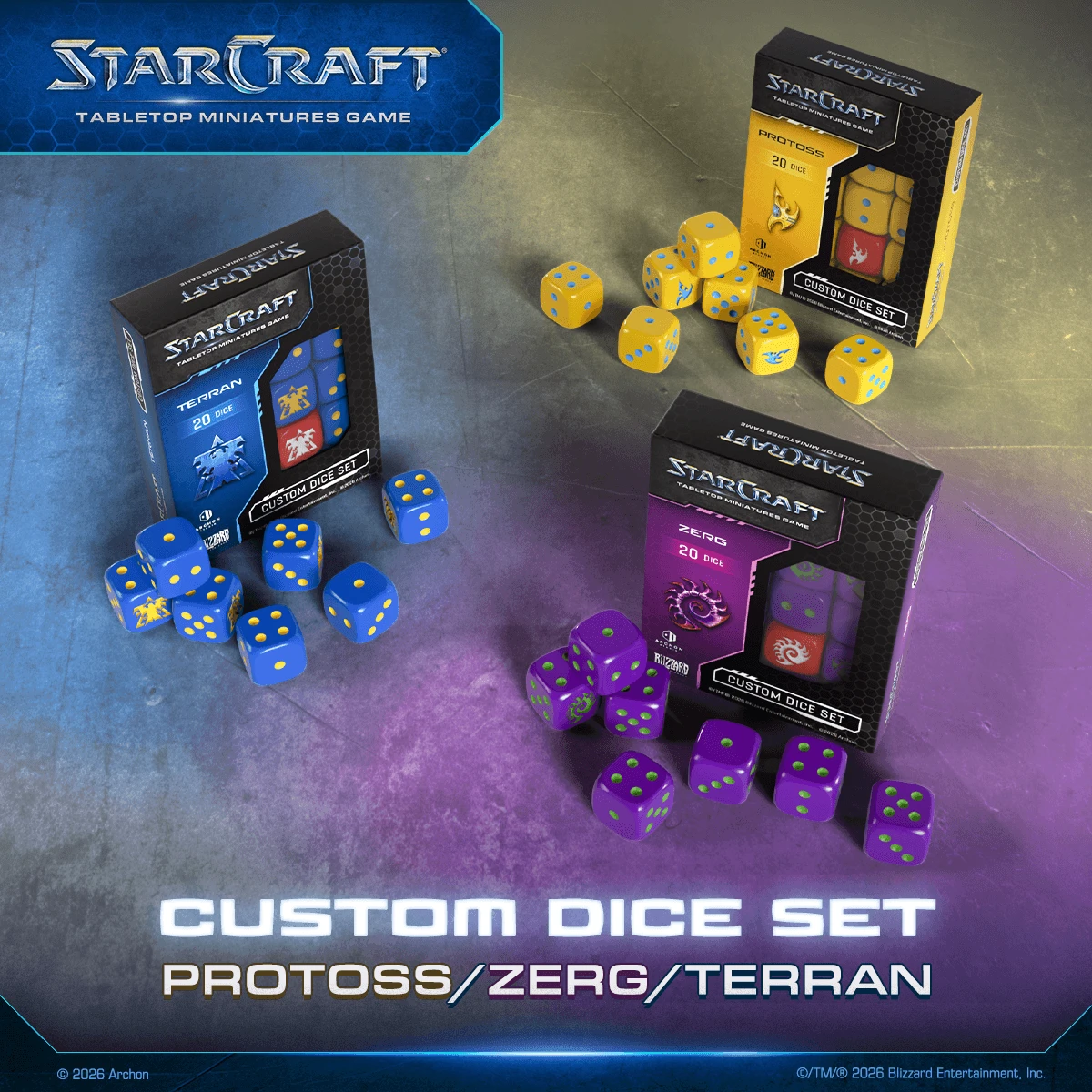
More importantly, each faction now gets matching accessories alongside its expanding miniature range. Pre-orders open October 12 for the entire StarCraft Wave 3 release. European fulfillment begins November 2, while Rest of World shipping starts November 9. However, those dates mark fulfillment beginning rather than guarantees that every order ships immediately. Shipping will continue across several weeks, so some commanders may receive their reinforcements later. Overall, this wave feels designed to move established armies from basic faction identity toward more sophisticated combined-arms play. It should also give existing collections more tactical variety without requiring players to rebuild everything around entirely new troops.
Final Thoughts
Overall, StarCraft Wave 3 looks most interesting because it adds decision-making tools rather than simply putting more bodies on the battlefield. Nova, Tassadar, and Zagara provide recognizable leaders, while the support units broaden each faction’s tactical vocabulary. Meanwhile, the custom dice give collectors extra faction flavor without distracting from the actual miniatures. If the eventual rules match these themes, army construction should become considerably more interesting once this wave reaches tables.