
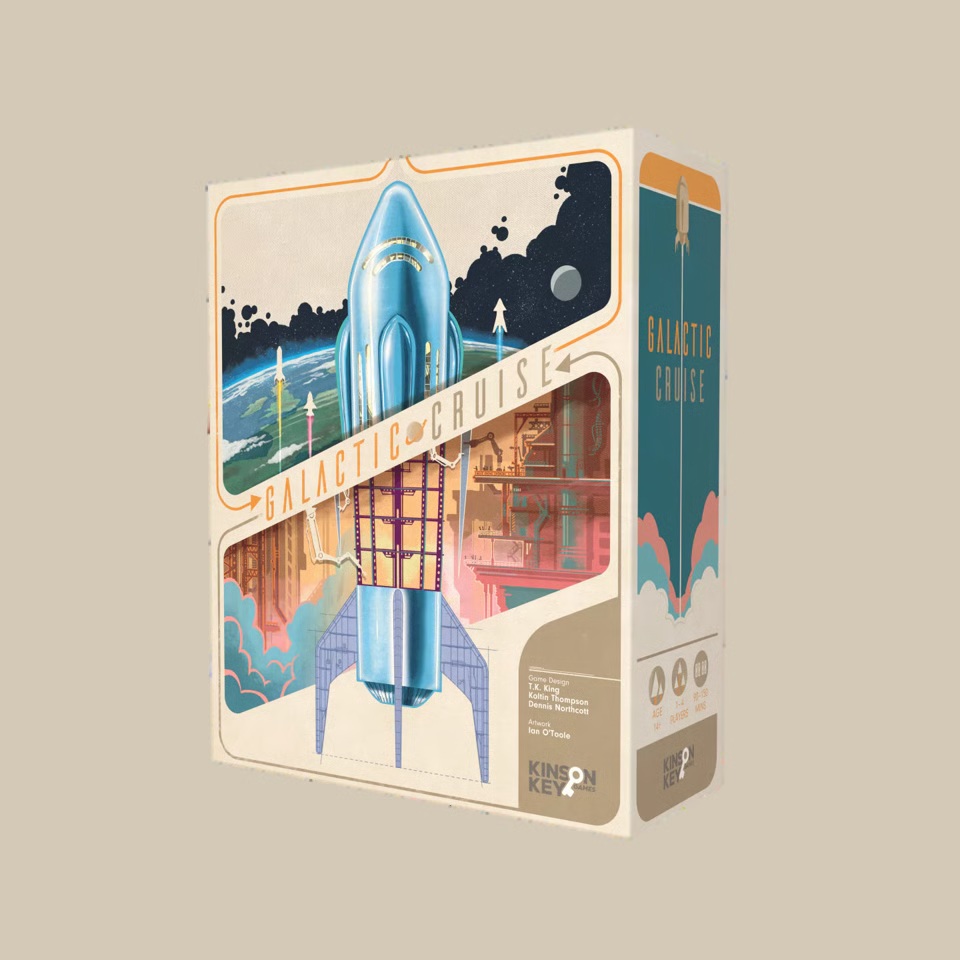
Galactic Cruise is a heavy worker-placement Euro about running a luxury space-tourism company.
Players are supervisors competing to become the company’s next chief executive. However, that corporate framing mainly supports a dense efficiency puzzle. You build ships, attract guests, acquire blueprints, develop technology, and launch cruises into space. Meanwhile, every system feeds another, so strong turns require planning several moves ahead.
Galactic Cruise Theme and Focus
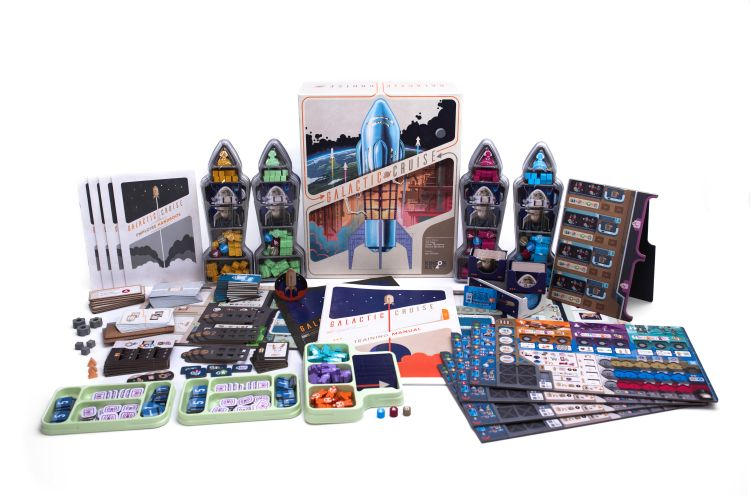
The space-cruise theme gives the game more personality than many heavyweight Euros. However, the experience remains firmly mechanical rather than narrative. Ships need suitable rooms, passengers need attracting, and launches demand carefully gathered resources. Meanwhile, pilots remain aboard launched ships, reducing your available workforce. That creates tension between scoring now and preserving flexibility.
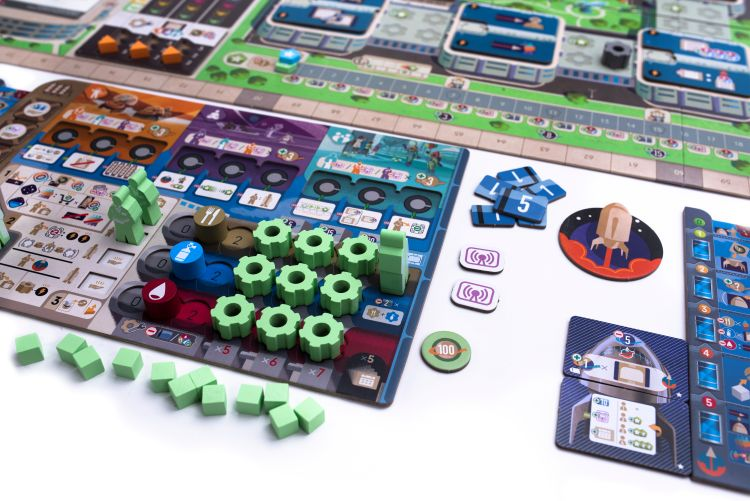
Worker placement is unusually forgiving. You can often bump opposing workers instead of losing access to important actions. However, displaced workers receive compensation, so aggressive placement can also help rivals. Developments expand connections between action spaces and improve future efficiency. Therefore, the board becomes increasingly interconnected as the game progresses.

Resource markets also shift through player actions. As a result, timing collection and replenishment matters alongside engine building. Meanwhile, company goals create another shared competition and help drive the ending.
Galactic Cruise Pros
- The interconnected systems create satisfying long-term planning.
- Worker bumping reduces frustrating action-space lockouts.
- Ship construction gives the economic puzzle a clear objective.
- Production quality and visual presentation are excellent.
- Multiple scoring paths reward repeated play.
Galactic Cruise Cons
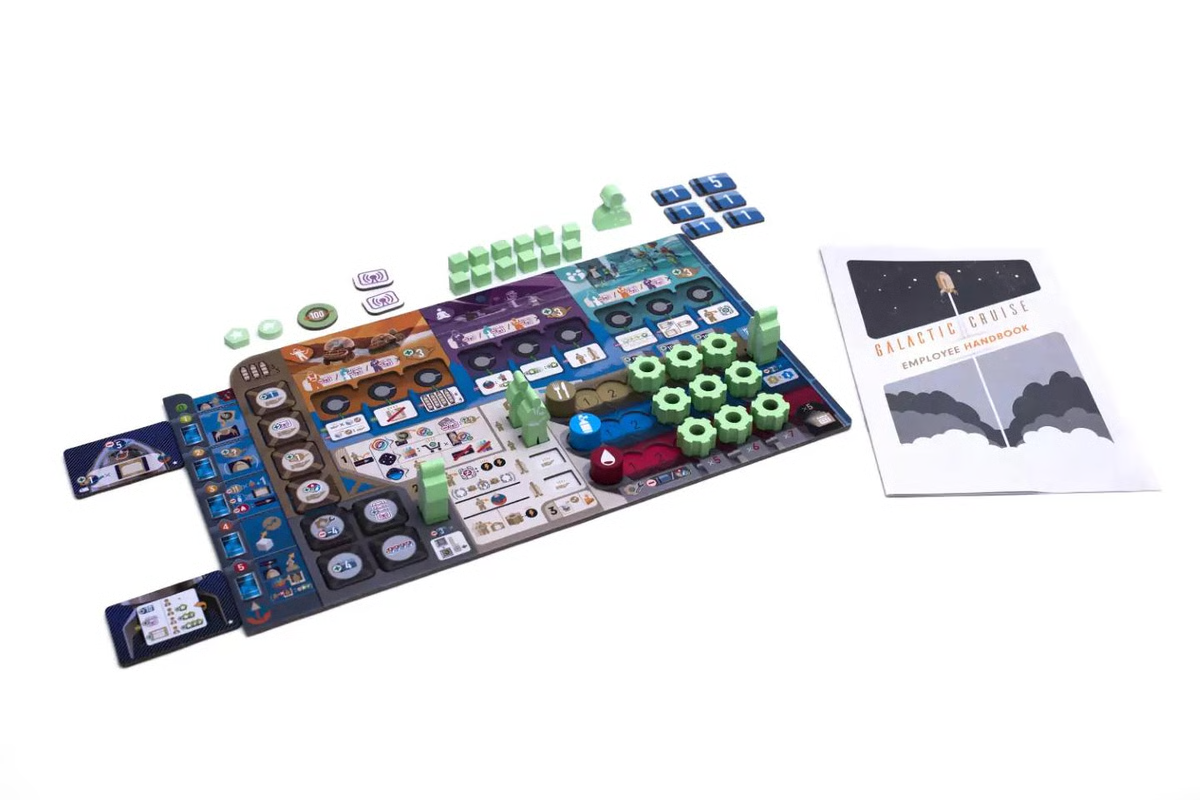
- The iconography creates a substantial learning curve.
- Setup and teaching demand significant time.
- The launch procedure can feel more complicated than thematic.
- Endgame calculations can slow experienced groups considerably.
- Players wanting direct conflict may find interaction restrained.
Comparison to Similar Games

Galactic Cruise will inevitably remind many players of Vital Lacerda designs. Compared with On Mars, however, its resource economy is more forgiving. On Mars creates harsher logistical pressure, while Galactic Cruise emphasizes flexible action selection.
Compared with Kanban EV, Galactic Cruise feels broader and slightly less punishing. However, Kanban connects its theme and mechanisms more tightly. Galactic Cruise instead gives players more freedom when shaping an engine.
Apiary is another useful comparison because both soften traditional worker-placement blocking. However, Galactic Cruise is considerably heavier and demands more forward planning. Apiary reaches its interesting decisions faster, while Galactic Cruise rewards studying its larger system.
Galactic Cruise Verdict
Overall, Galactic Cruise is an impressive heavy Euro with clever systems and excellent presentation. However, its complexity sometimes exceeds the depth created by individual mechanisms. The game shines when several plans finally connect during a profitable launch. Meanwhile, extensive iconography can make early sessions exhausting. Experienced Euro players should find plenty to explore. Still, players wanting leaner strategy may admire Galactic Cruise more than they enjoy playing it.