

Darwin’s Journey is a heavy Euro with an unusually elegant central idea. You guide researchers across Darwin’s voyage, gathering knowledge, specimens, and prestige.
However, the game is less about adventure than disciplined engine building. Its real focus is worker development, timing, and careful action efficiency. As an experienced board game player, I think that focus is mostly its strength.
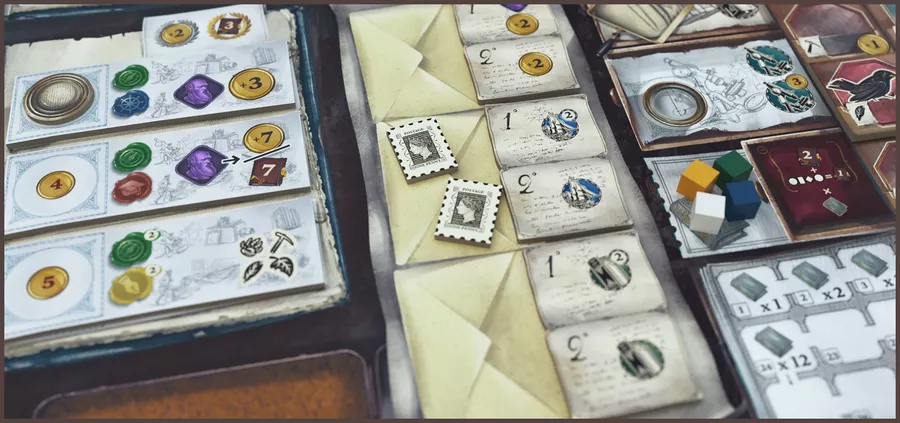
The theme is attractive, and it lands better than many dry strategy games. You sail, explore islands, mail correspondence, study discoveries, and donate findings to museums. Meanwhile, your workers improve by mastering specific disciplines. That progression system is the heart of the design. Workers do not simply occupy spaces. Instead, they earn the right to perform stronger actions over time. Because of that, each decision feels tied to long-term planning.
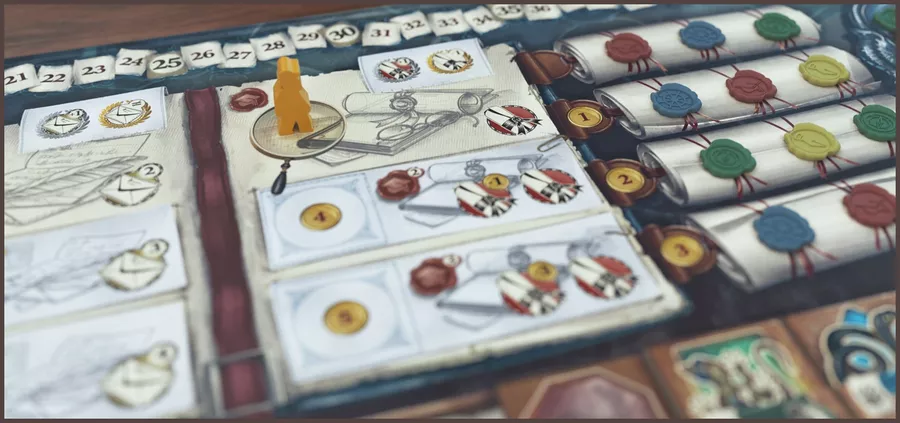
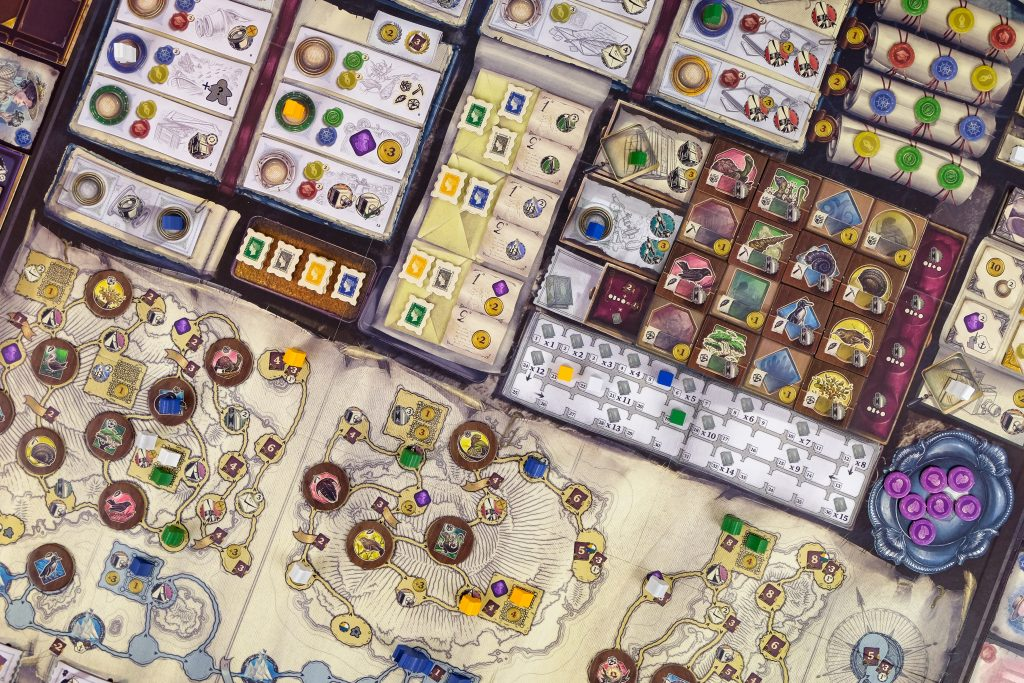
What I admire most is how interlocked the systems feel. The map, worker training, objectives, and museum track all push against each other. Meanwhile, the game constantly asks whether now is the right moment to act. You are rarely deciding between a good move and a bad one. Instead, you are choosing which strong move must wait. That pressure gives the game real texture. It also makes every round feel tense without needing constant direct conflict.
Still, Darwin’s Journey is not an easy game to love immediately. The rules are coherent, yet the first play can feel demanding. There are many icons, several scoring angles, and plenty of timing traps. However, the complexity usually comes from depth, not clutter. Once the systems click, the game becomes much easier to read. Even so, it remains a serious table commitment.
Pros
- The worker progression system feels fresh, purposeful, and deeply satisfying.
- Also, the action spaces create constant tension without relying on random chaos.
- The theme supports the mechanisms better than many heavy Euros.
- Meanwhile, the map gives the game a strong sense of momentum.
- Different scoring routes let players pursue varied strategic priorities.
- Because of that, repeated plays reveal better timing and sharper sequencing.
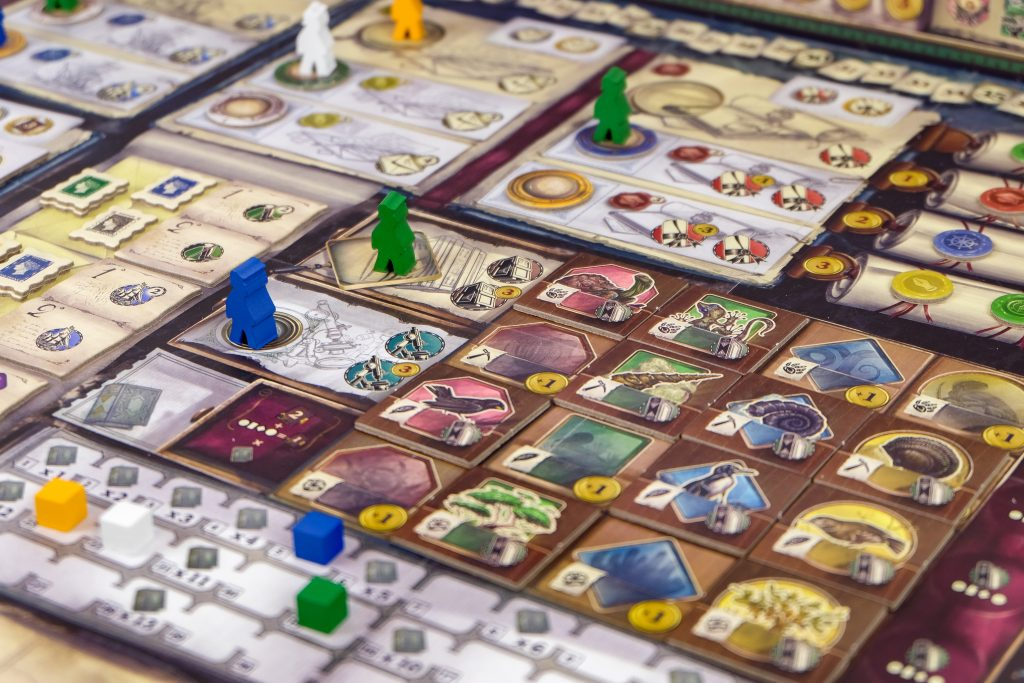
- The production is attractive, and the table presence feels premium.
- It also rewards planning without becoming totally rigid.
Cons
- However, the first game can feel dense and slightly intimidating.
- The iconography takes time to internalize.
- Meanwhile, early mistakes can linger for the rest of the session.
- The interaction is meaningful, yet it is mostly positional rather than dramatic.
- Some players may also find the pace more cerebral than exciting.
- Because the game is so efficiency-driven, it can feel punishing.
- The theme is strong for a Euro, but it still stays somewhat abstract emotionally.
- Setup and teach time also ask a fair amount from the group.
Compared with Newton, Darwin’s Journey feels more spatial and more tactile. Both games reward sequencing, yet Darwin’s Journey feels more adventurous on the board. However, Newton is usually leaner and slightly cleaner to teach. Compared with Lorenzo il Magnifico, Darwin’s Journey feels less brutal, but more sprawling. Lorenzo is tighter and meaner. By contrast, Darwin’s Journey offers a broader sense of development. Compared with Barrage, it is less confrontational and less punishing. Still, both games reward careful timing and deep system mastery. If you enjoy Luciani-style pressure, this will feel familiar. However, it is gentler than his harshest designs.
I also think Darwin’s Journey compares well to other modern heavy Euros because its complexity has identity. Some big strategy games feel like layered subsystems chasing efficiency for its own sake. Darwin’s Journey mostly avoids that trap. Meanwhile, its worker training gives the whole design a clear personality. That does a lot of work. It makes the game easier to remember after the session ends.
Overall, I think Darwin’s Journey is excellent, though not universally approachable. It rewards repeated play, strategic patience, and players who enjoy long arcs of development. However, it is not ideal for groups wanting quick turns and immediate emotional highs. It works best with experienced players who like tight planning. Still, among recent heavy Euros, it stands out for its cohesion and its central mechanism. For the right table, it is a very strong design. For the wrong one, it may feel impressive more than fun.