Early War always hits differently in Flames of War. The tanks feel scrappy, odd, and specific. However, that is exactly why these previews are fun.
Each vehicle brings history, list-building hooks, and personality. Together, they show why campaigns reward clever matchups.
Matildas Bring Desert Armor With a Tragic Arc
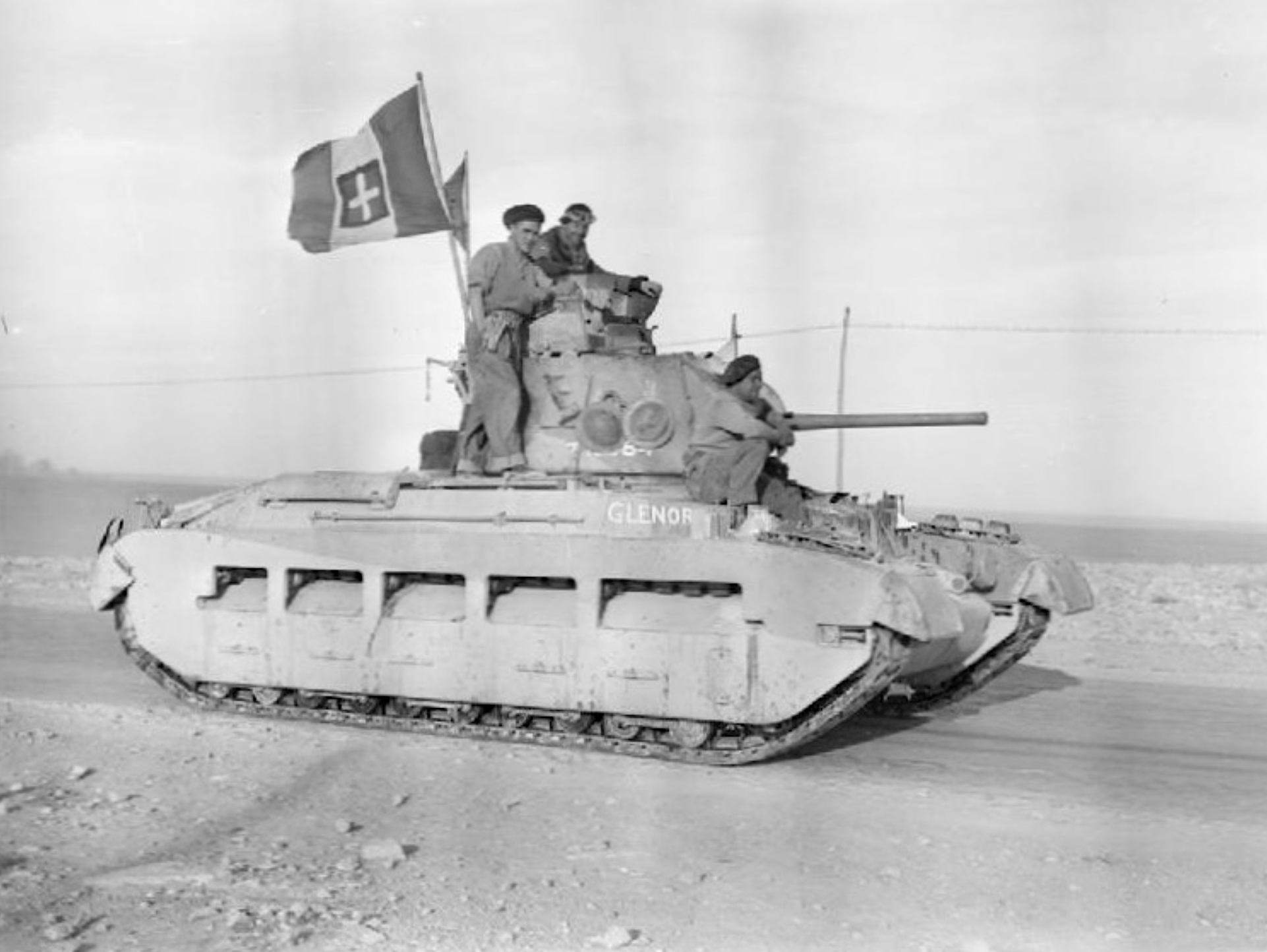
The Matilda began as a monster and ended as a relic. Early on, German guns struggled against its armor, and Operation Compass showed its power against Italian positions. However, Battleaxe changed the story fast, because German 5cm anti-tank guns and 8.8cm guns cracked the myth. After that, the Matilda still served, mostly in reduced roles during Crusader and Gazala.
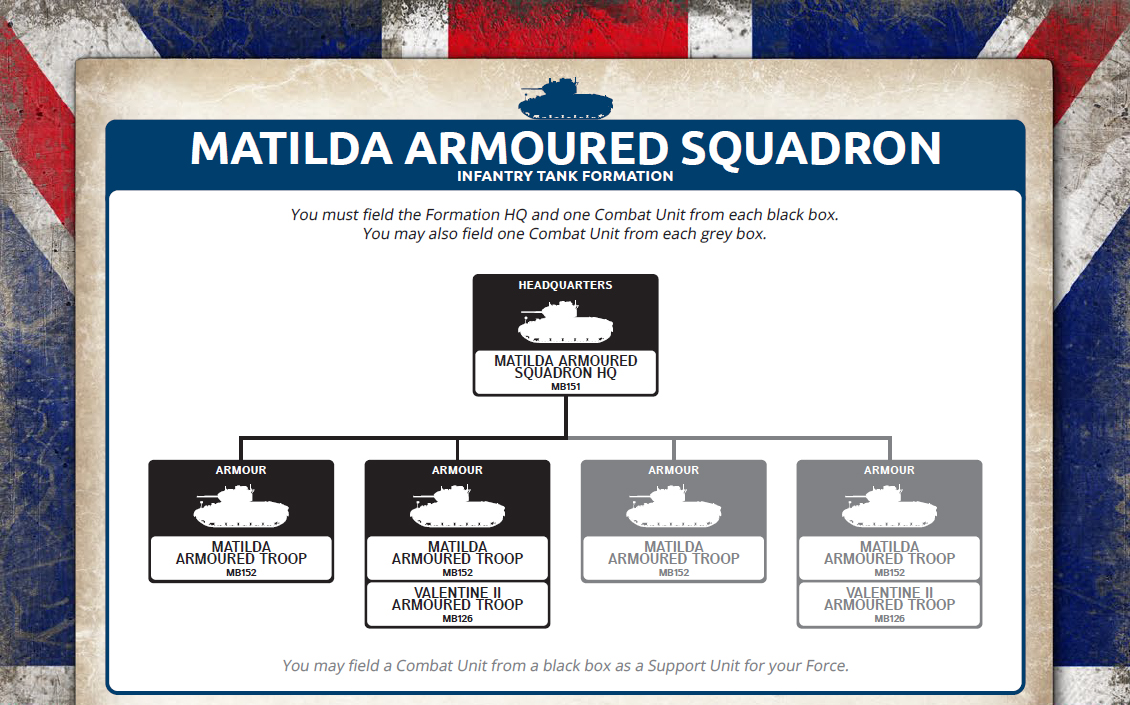
By Tobruk, its best days were clearly gone. On the table, though, the useful bit is the Valentine Squadron option. Since Valentine units sometimes used Matilda CS tanks, players get a themed HQ choice. It includes one Valentine II and two Matilda CS tanks. That gives British desert forces a flavorful artillery-support wrinkle.
Captured Panhards and Panzerjäger I Add Scrappy Flames of War German Options
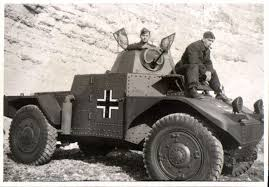
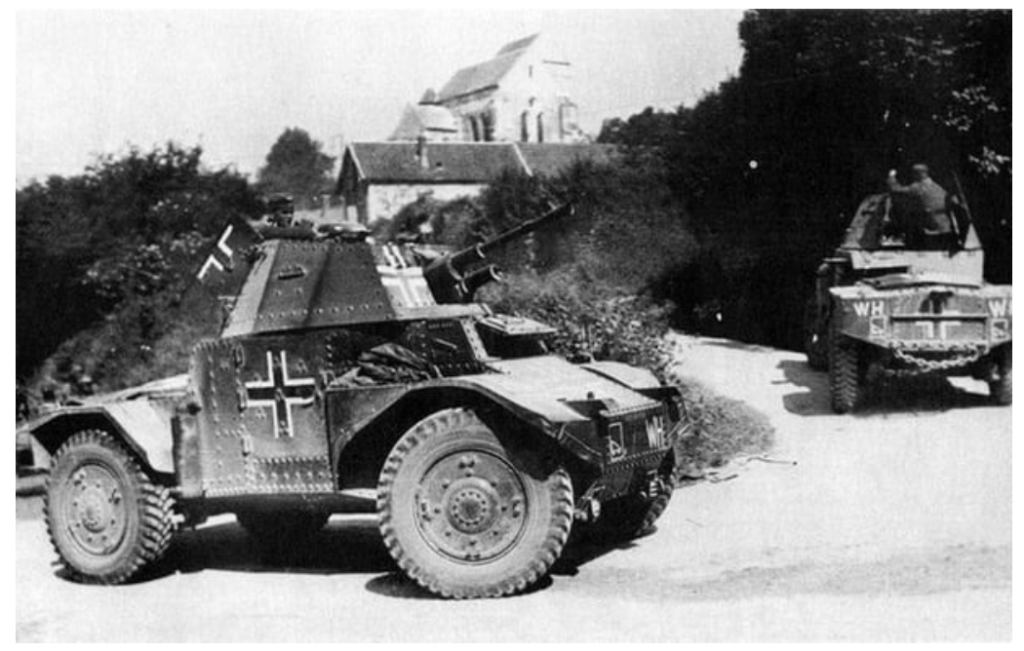
The German utility piece is about making oddball equipment matter. The Panhard 178 began as a French reconnaissance armored car with a 25mm gun and useful mobility. After France fell, captured vehicles entered German service, giving Early War lists a neat recon option with beute flavor.
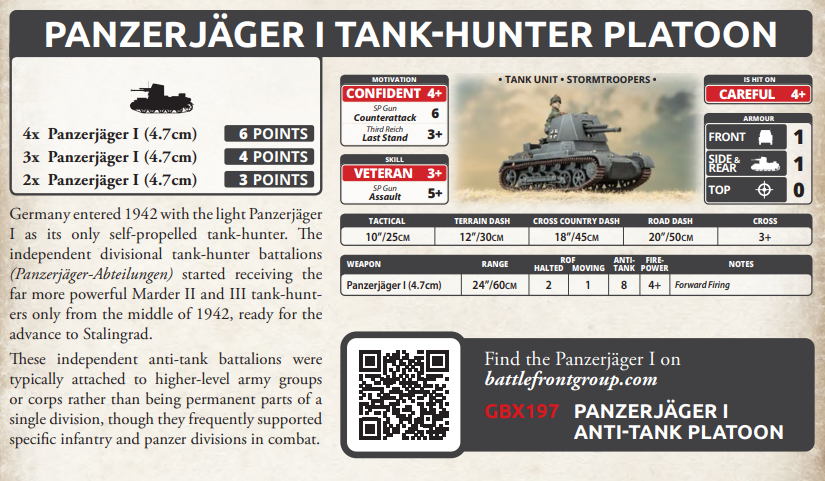
Meanwhile, the Panzerjäger I is even more ramshackle. It mounts a Czech 4.7cm gun on a Panzer I chassis. Therefore, it becomes a cheap tank-hunter that looks fragile because it is fragile. However, its Anti-tank 8 gun can still threaten Crusaders, Stuarts, and lighter armor. It will not scare Churchills like a Marder does, but that is not its job. Instead, it gives expensive German companies budget anti-tank support and texture.
Panzer 38(t) Gives German Lists Cheap Mobile Teeth
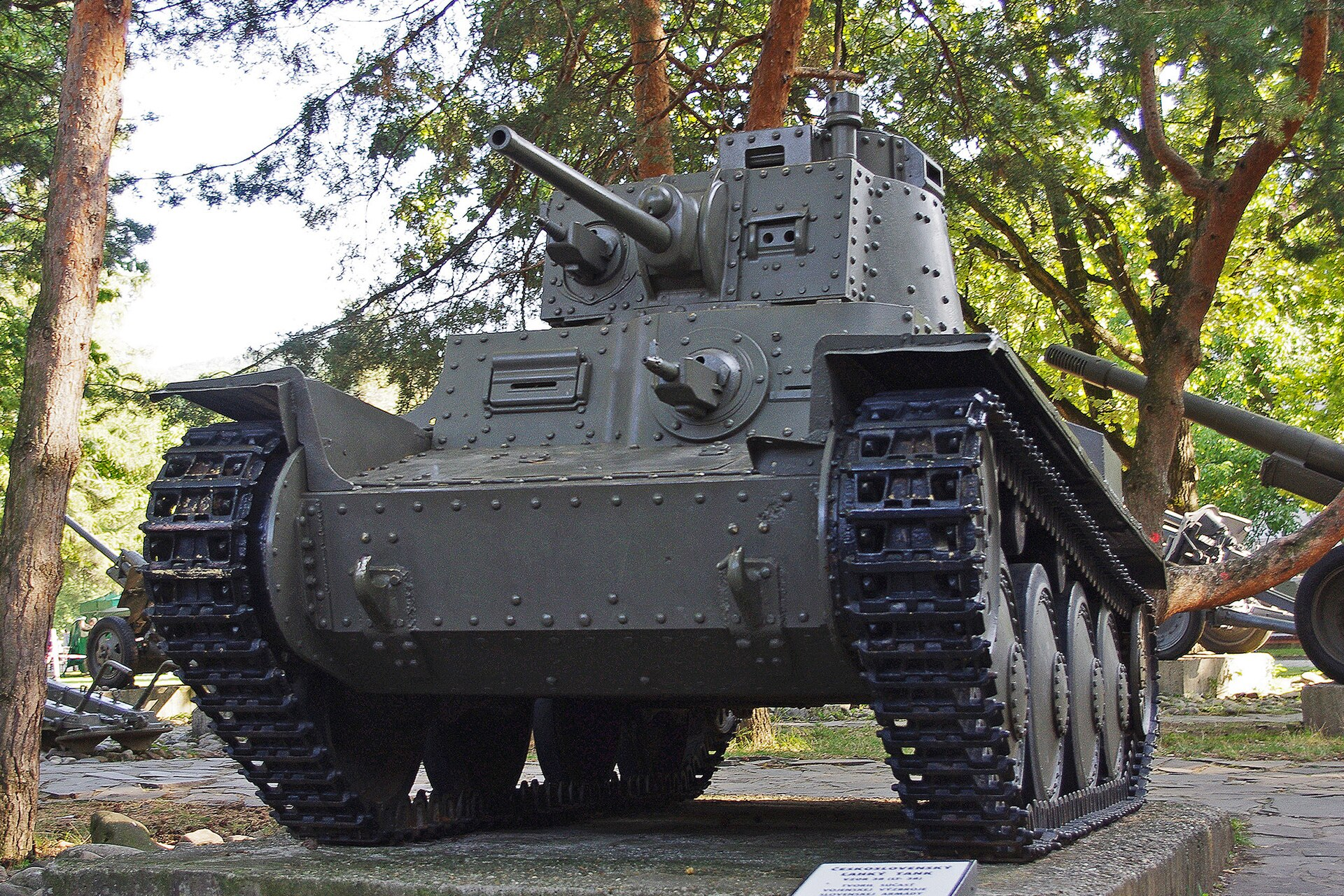
The Panzer 38(t) focuses on another Czech design that helped Germany bridge production gaps. It served in Poland, France, and Barbarossa, but struggled once T-34s and KV tanks appeared. Even so, it stayed useful through numbers, skill, and mobility. In Flames of War, players can run it as support or build a Czech Tank Company around it.
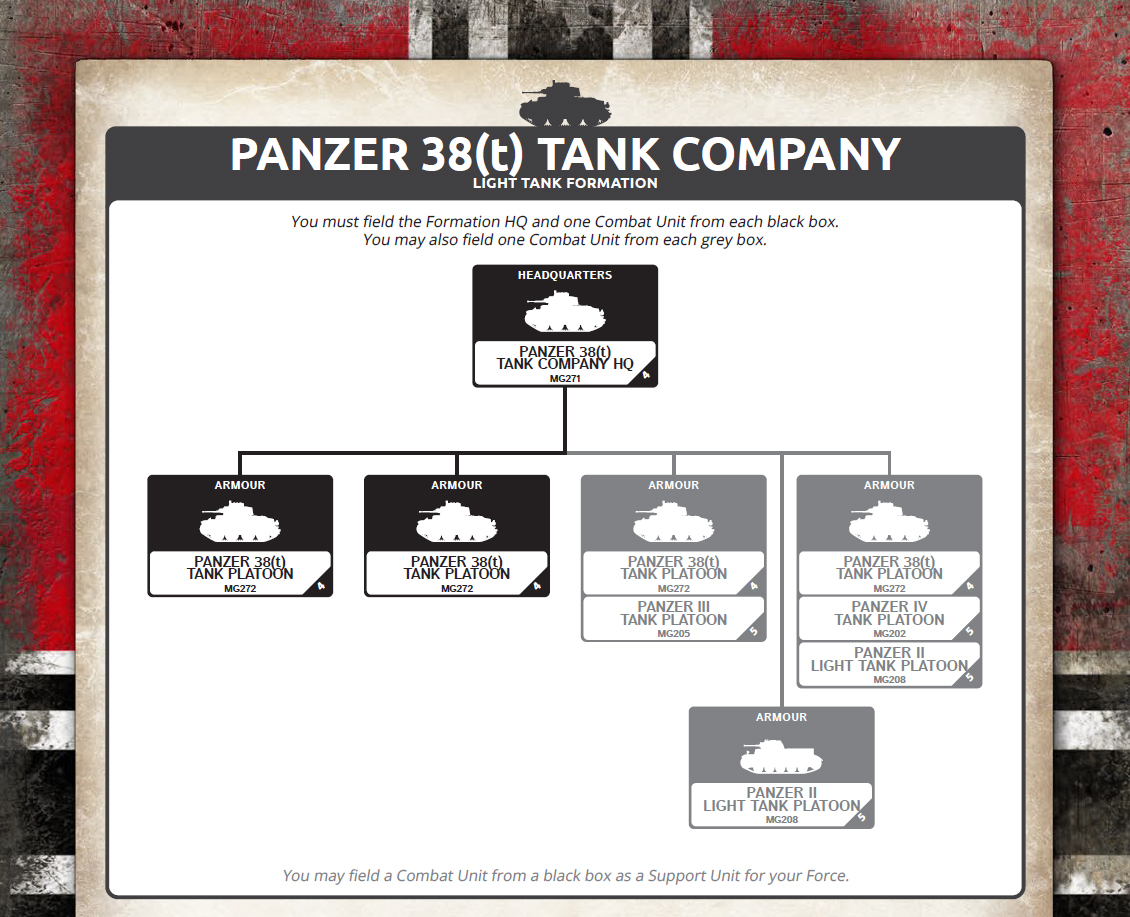
The formation uses Panzer 38(t) platoons as its core, with optional Panzer III, Panzer II, or more 38(t) units. Therefore, it gives Germans cheaper armor for assaults, flanking, reserves, and objective grabs. However, the article stresses combined arms. You need Marders, 8.8cm guns, artillery, or Panzer IIIs to handle serious armor. Overall, these updates add the flavorful tools Early War needs.