
Games Workshop’s latest batch of updates hits three very different hobby nerves at once. First, the Grey Knights finally get a faction focus that shows how much more varied their new detachment game can be.
Meanwhile, Ork players get a tighter look at a returning classic from the Armageddon box. Then Warhammer TV swings over to Age of Sigmar with a very practical hobby feature built around four Cogforts, while also adding realmstone lore, a Drew Paliès interview, and White Dwarf 517 to the Vault. Taken together, this feels like one of those update clusters that keeps both gamers and painters fed in the same week.
Grey Knights gain three detachments that finally make Paladins, Purgators, and Interceptors feel like true centerpieces
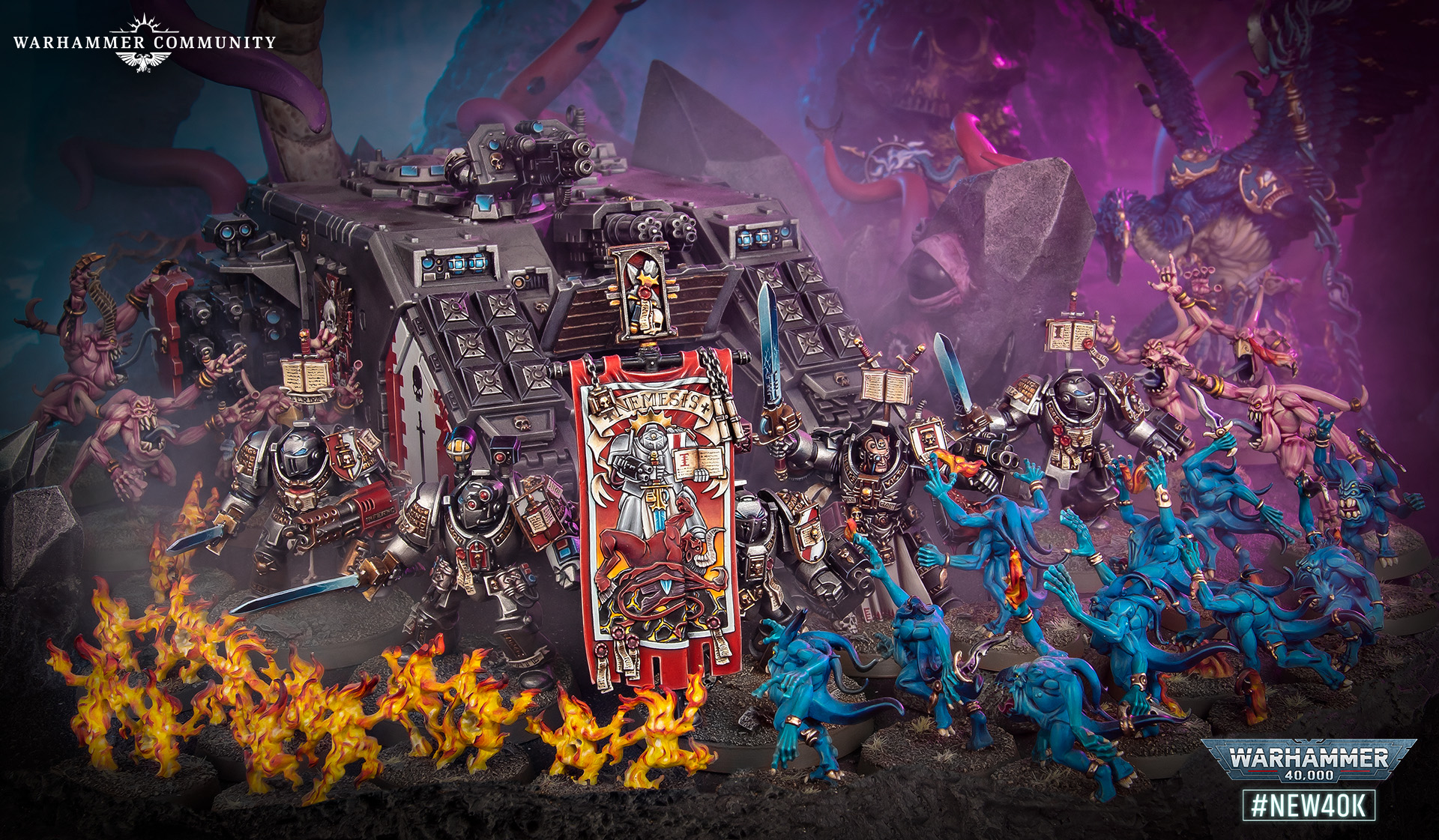
The Grey Knights article is the clear headliner, because it does a strong job showing that this army is not just “teleport, charge, repeat” anymore.
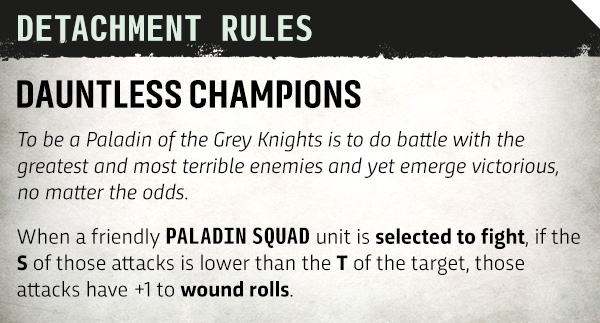
First, Argent Assault puts Paladin Squads front and center, and the detachment rule Dauntless Champions gives them +1 to wound when their weapon Strength is lower than the target’s Toughness. So, those Strength 6 nemesis force weapons suddenly become much more credible into Greater Daemons, vehicles, and other big targets that would normally shrug them off.
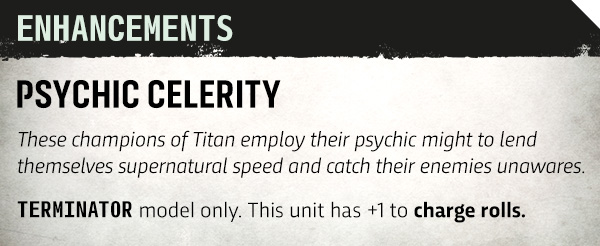
Meanwhile, Psychic Celerity gives a Terminator-model unit +1 to charge, which is exactly the kind of small number tweak that turns a deep strike plan from hopeful to reliable.
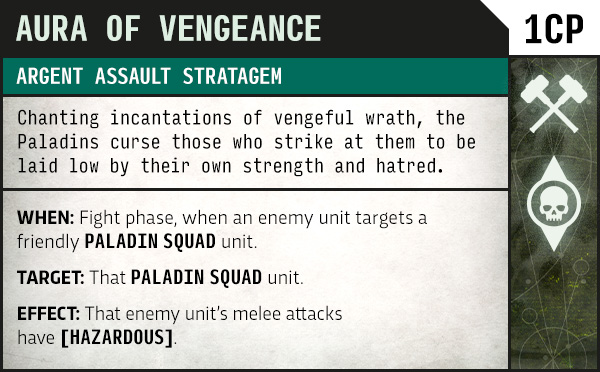
Then the stratagem Aura of Vengeance pushes the flavor into something much nastier, because an enemy unit targeting a Paladin Squad in melee gains Hazardous on its attacks. That is an extremely funny answer to elite combat threats, and it makes Paladins feel like the sort of cursed duelists nobody wants to swing into. However, the article does not stop at terminator swagger.
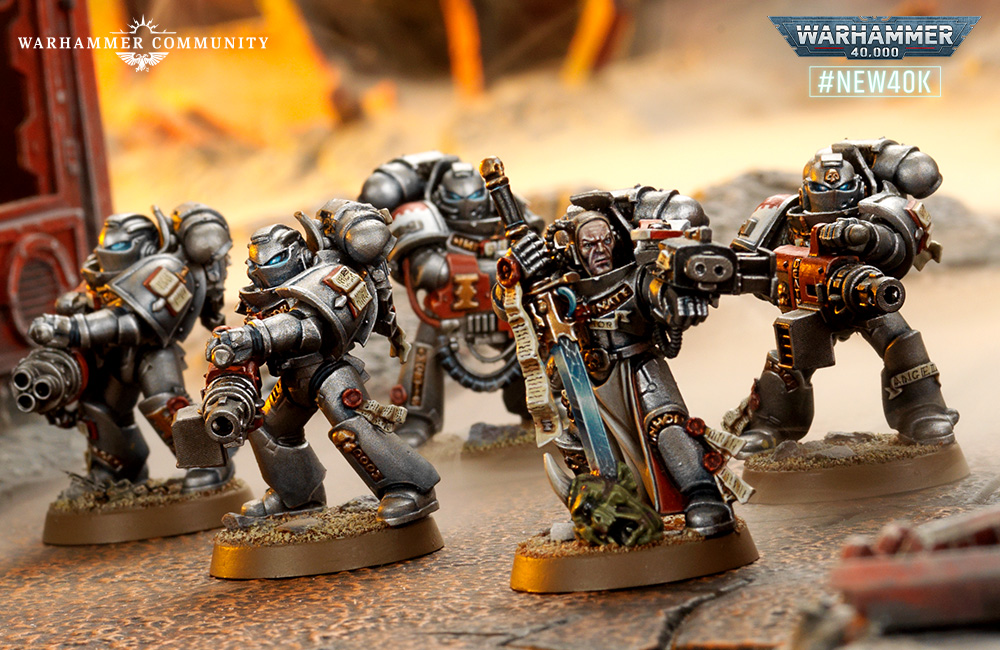
Fires of Purgation shifts the focus to Purgation Squads and their heavy psychic gunline role.
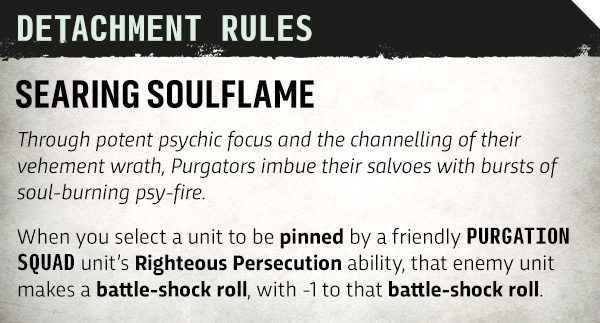
Searing Soulflame adds a battle-shock roll at -1 when a unit is pinned by Righteous Persecution, which matters because slowing an enemy is already good, but slowing and stripping Objective Control is much better.
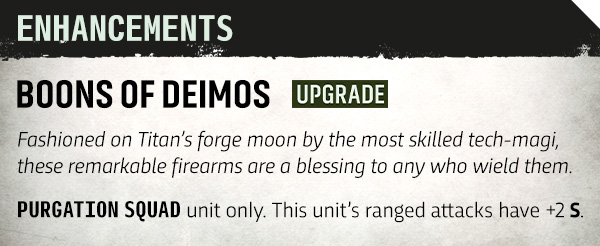
Then Boons of Deimos gives a Purgation Squad +2 Strength on its ranged attacks, which pushes psycannons up to a much more threatening profile.
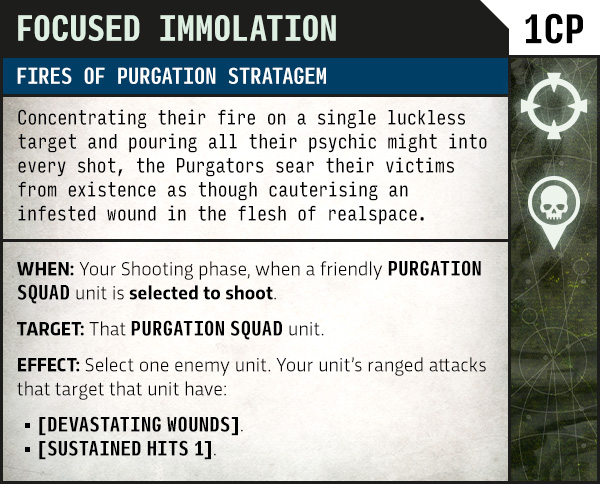
Finally, Focused Immolation layers Devastating Wounds and Sustained Hits 1 onto one chosen target in the Shooting phase, which is the sort of button you press when you need something removed from reality right now.
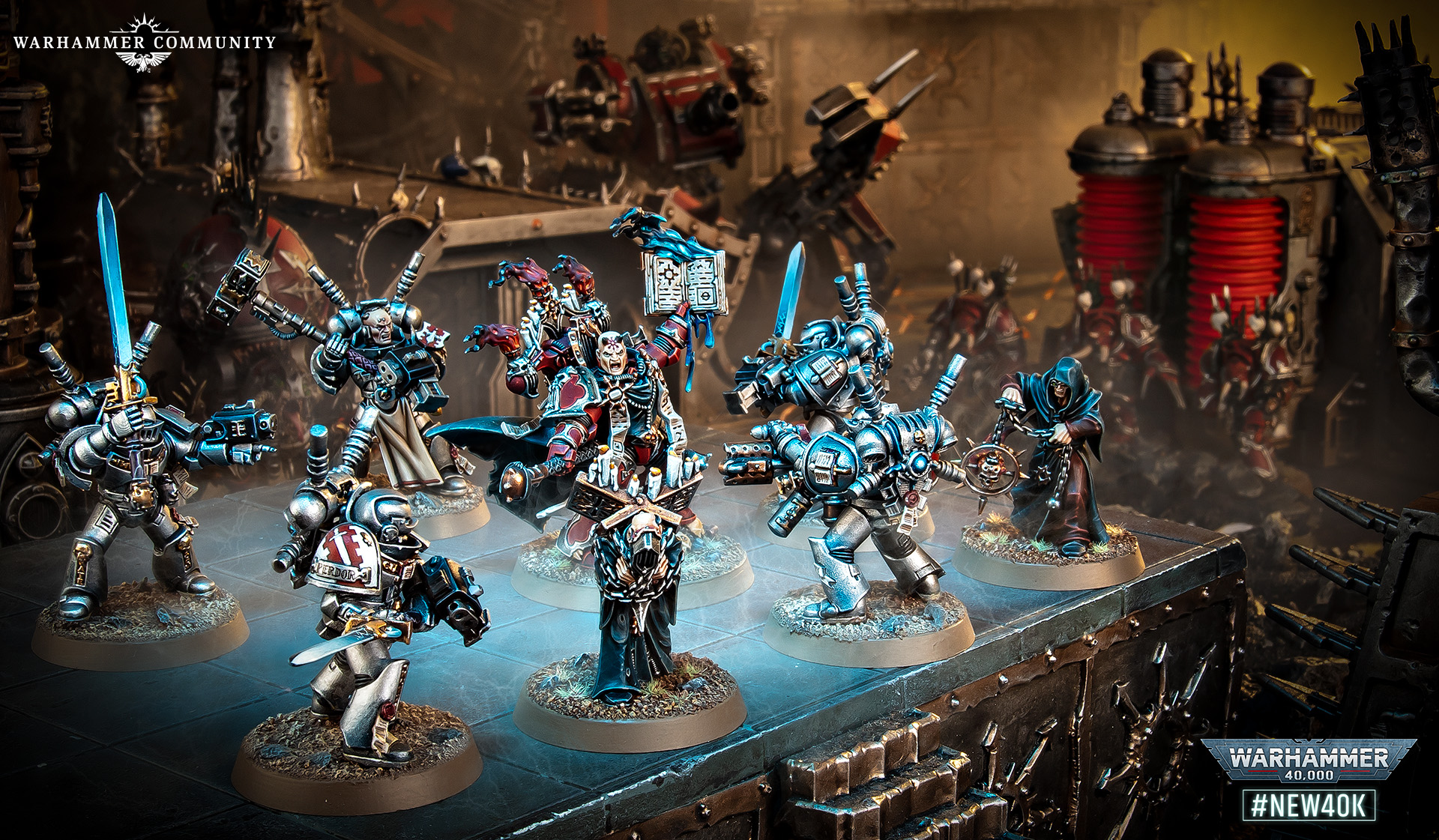
After that, the article pivots into Immaterial Interdiction, and this one may be the slickest of the lot.
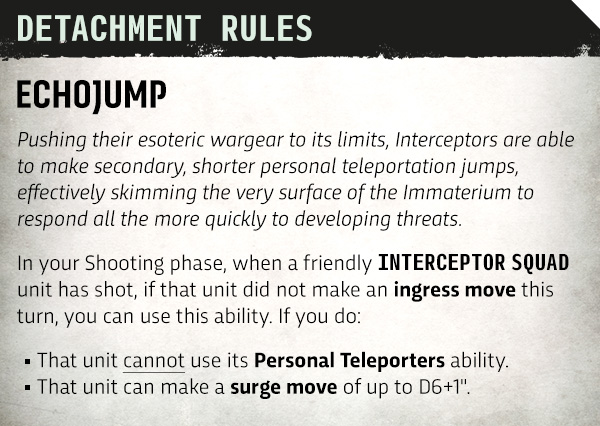
Interceptor Squads get Echojump, letting them make a surge move of D6+1 inches after shooting if they did not ingress, and crucially that move does not stop them from charging later. So, instead of using their usual reliable 6-inch personal teleporter move and giving up the charge, they get a more aggressive option that keeps melee on the table.
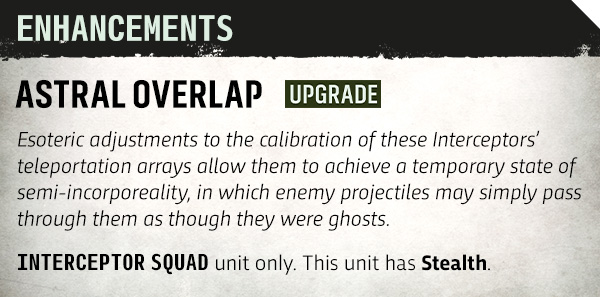
Astral Overlap then gives an Interceptor Squad Stealth, which helps when there is no terrain where you need to be, while Blades from the Beyond grants Lance after a charge.
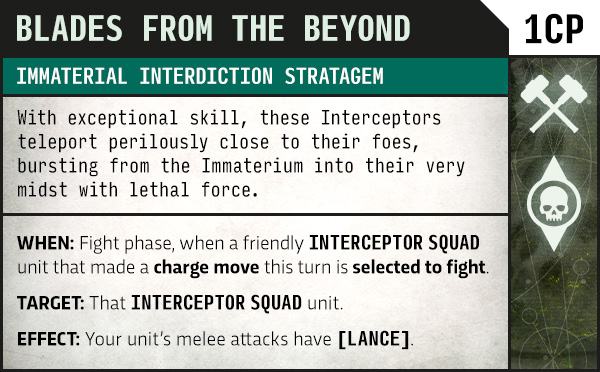
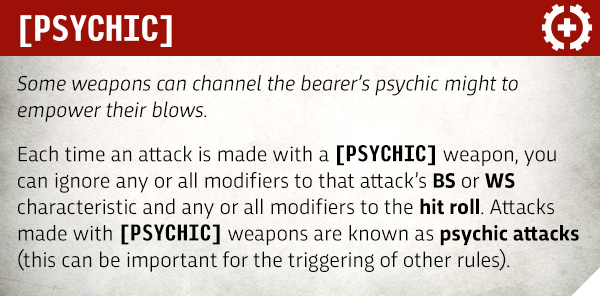
Better still, the article reminds readers that Grey Knight melee weapons have the Psychic ability, which lets them ignore modifiers to Weapon Skill and hit rolls. Altogether, the whole preview lands because each detachment makes a different Grey Knight unit feel like the star of the army rather than just another delivery system for a generic teleport assault.
The Wartrakk comes back doing exactly what an Ork fire support buggy should do
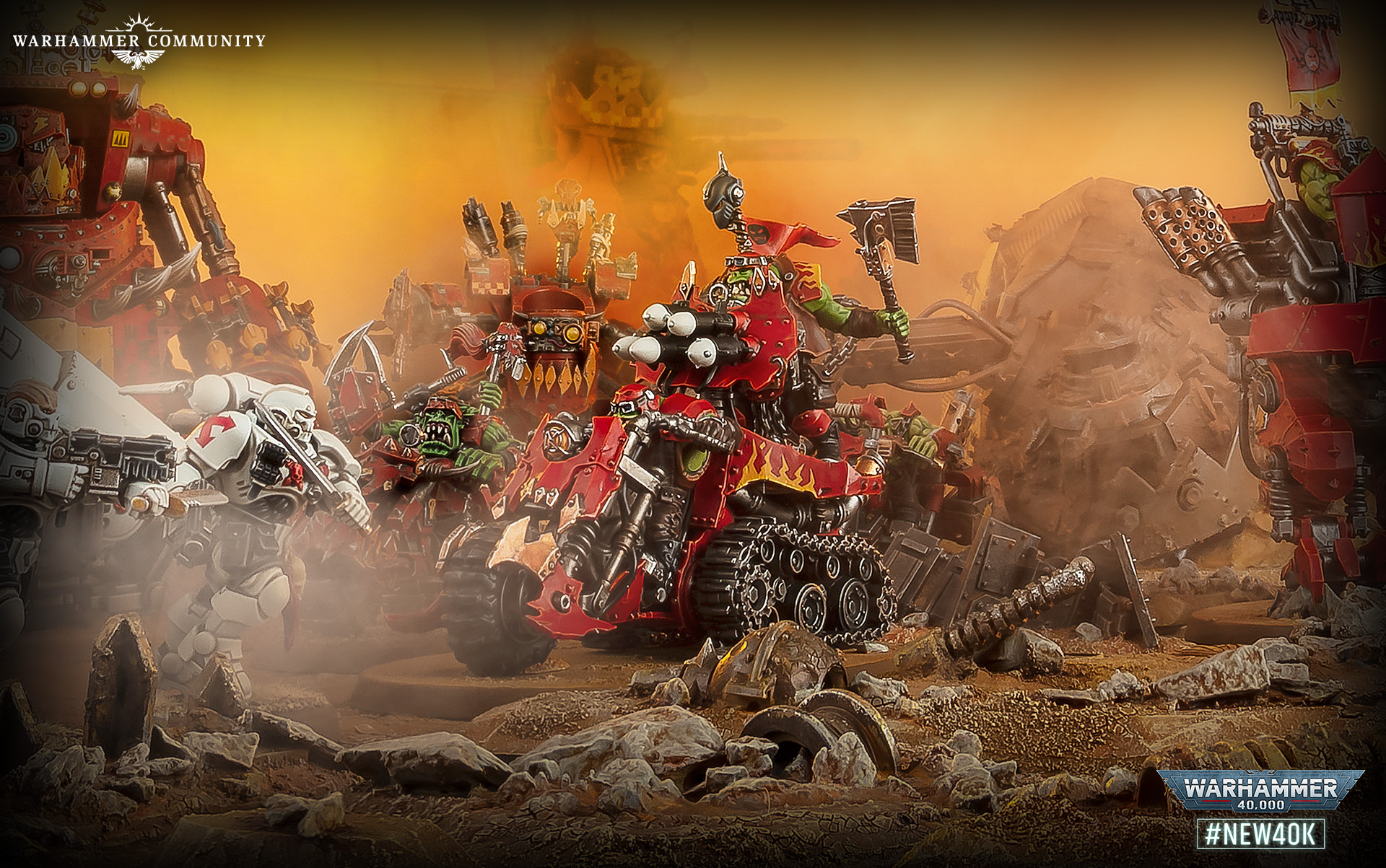
The Wartrakk rules reveal is much shorter, but it absolutely knows what point it wants to make. This old Armageddon favorite returns in the new Warhammer 40,000: Armageddon box, and Warhammer Community presents it as a mobile fire support piece in much the same lane as the updated Land Speeder.
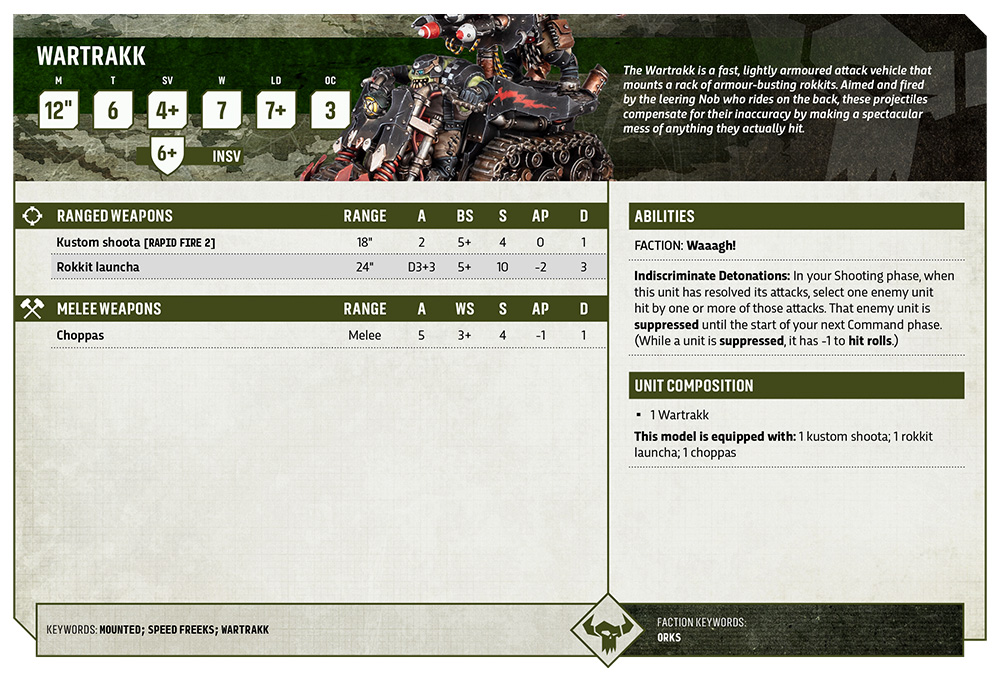
However, the Ork version is obviously louder, rougher, and more likely to solve problems by launching a stupid number of rockets in the general direction of danger. The key weapon here is the rokkit launcha, which the article highlights as Strength 10, Damage 3, and punchy enough on AP to force Terminators onto their 4+ invulnerable saves. So, if the shots land, the damage is very real. Meanwhile, the Wartrakk’s Indiscriminate Detonations rule adds a suppression angle, because all those rockets and shoota rounds exploding around the target can keep enemy heads down.
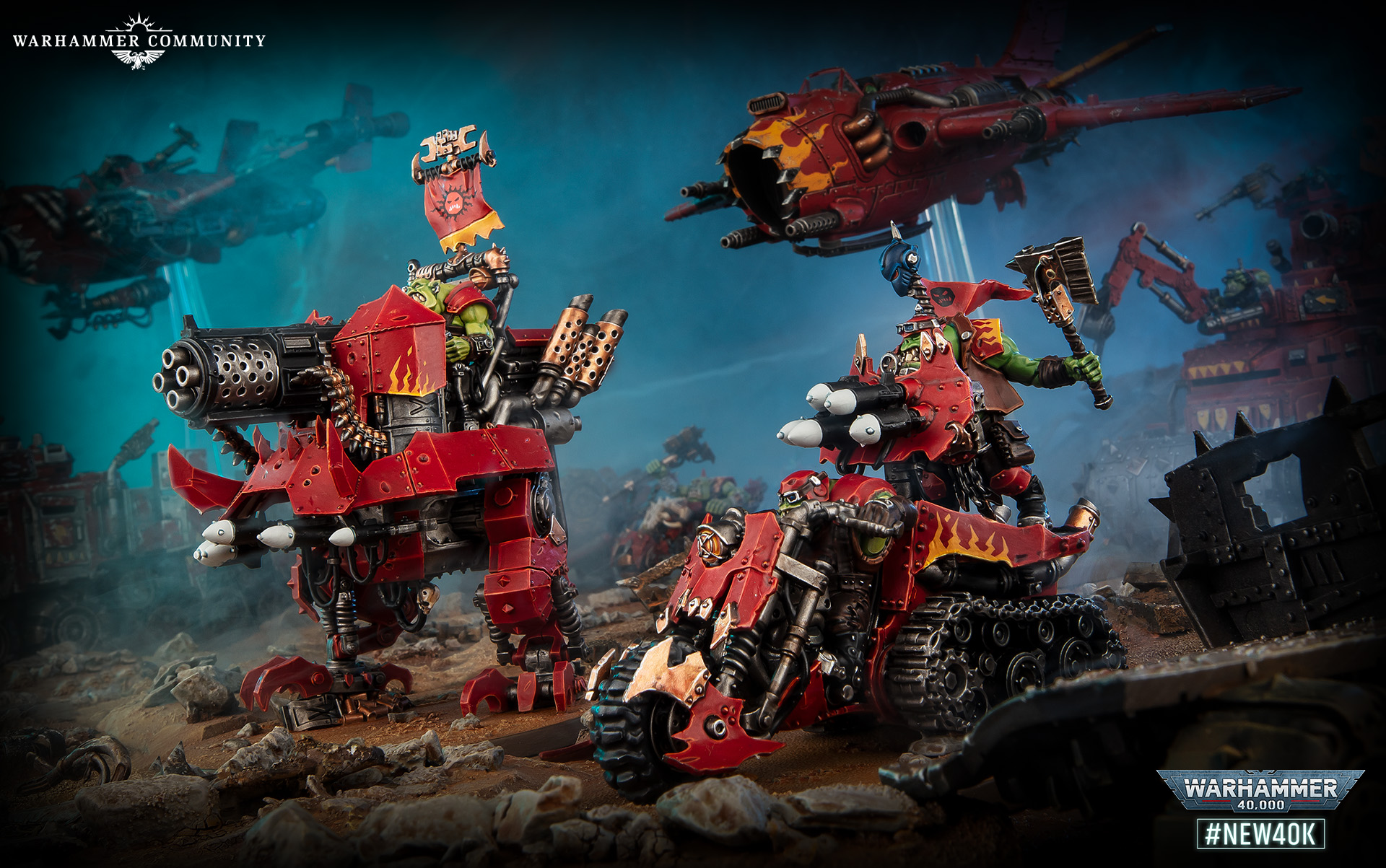
The article even jokes that, combined with cover, a Space Marine winds up hitting about as often as an Ork Boy. Then it closes by framing the vehicle as a tougher, better-armed harassment unit that can either support nearby Warbikers or roam independently throwing rockets with reckless enthusiasm. In other words, it sounds exactly right.
Warhammer TV turns four Cogforts into both a battle report spectacle and a practical painting lesson
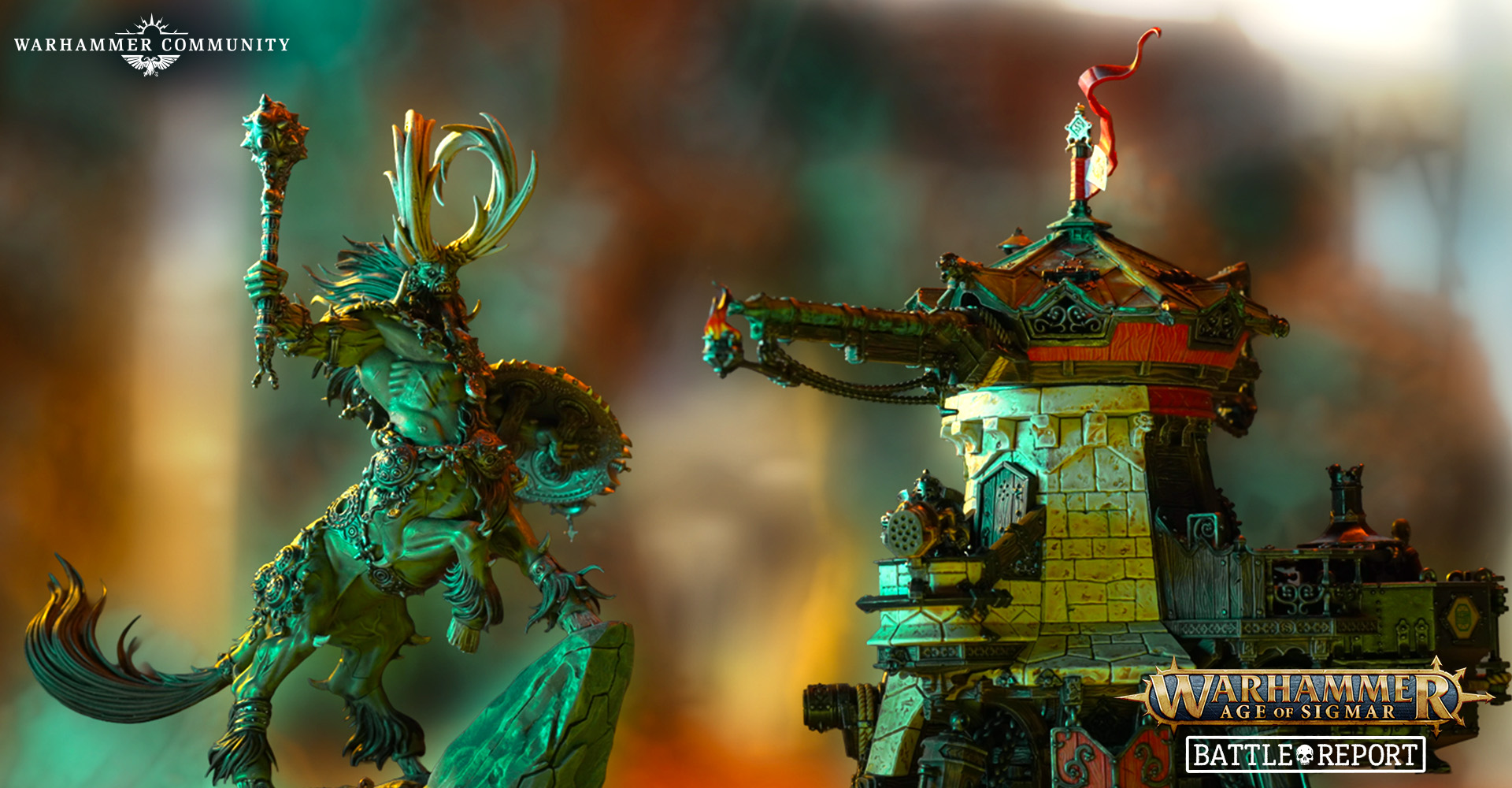
The Warhammer TV article is the hobby counterweight to the rules pieces, and it is honestly a good one. First, the new Battle Report pits the Cities of Sigmar against the Sons of Behemat, with no fewer than four Cogforts on the God-King’s side.
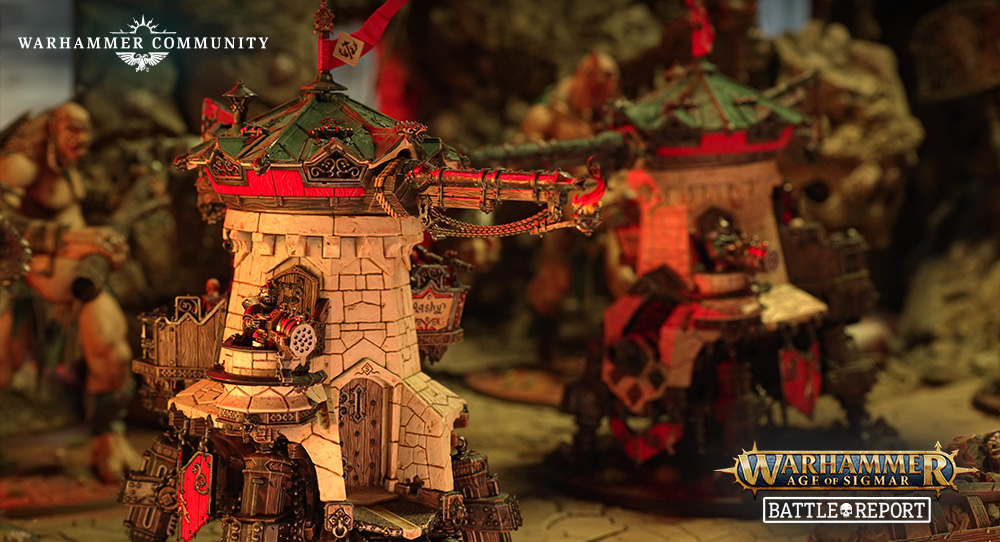
That alone is enough to sell the episode. However, the article becomes much more useful once Ed from the Warhammer TV team starts talking through how he actually built and painted them. Because he had only a month to get all four ready, he broke each model into sub-assemblies consisting of the turret top, main body, four legs, and rear engineering bay, and he says that approach let him dry-fit everything safely and keep the process manageable.
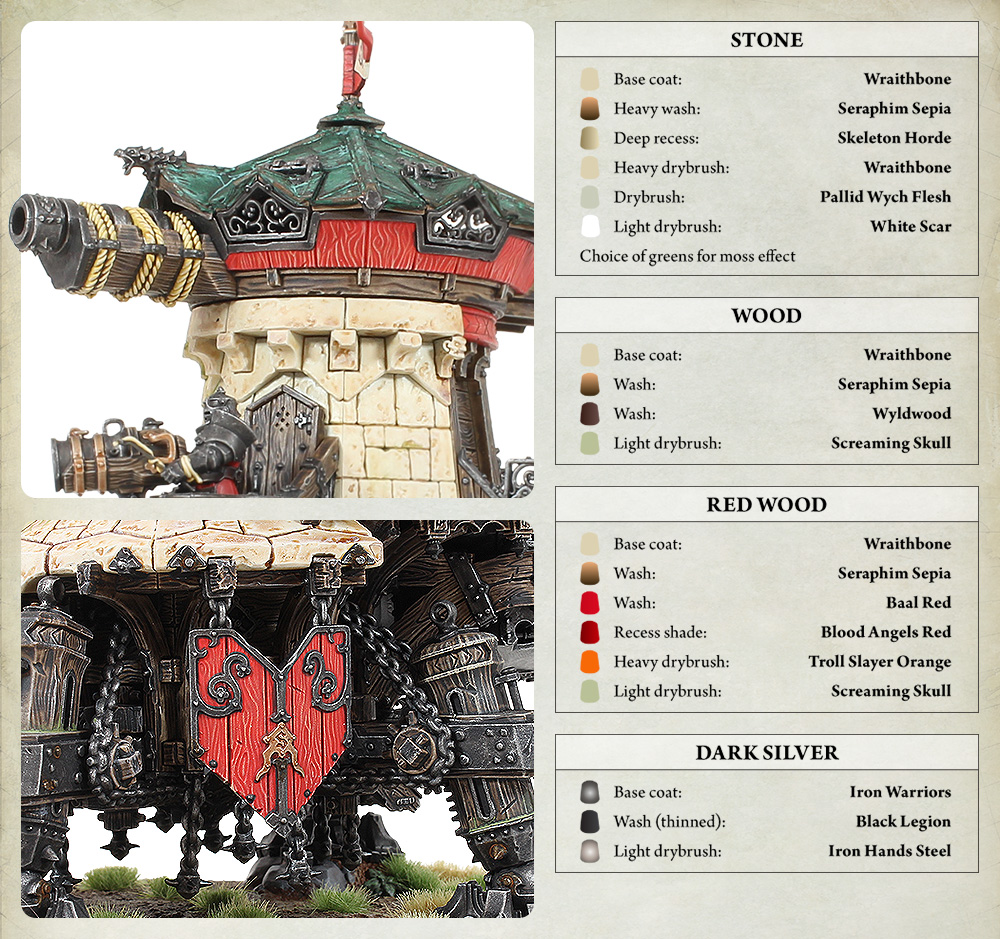
He also got the build time down to about four hours per model, which is genuinely impressive for kits this size. Meanwhile, one of the smartest tips is pure practicality: mark the undersides of the feet in the same colors used in the instructions so you do not mix up leg pieces when batch-building multiple walkers. On the painting side, Ed leans into a warm Hammerhal Aqsha scheme, relies heavily on dark recess shading and drybrushing, and uses Wraithbone spray as the base for almost every non-metallic finish to save time.
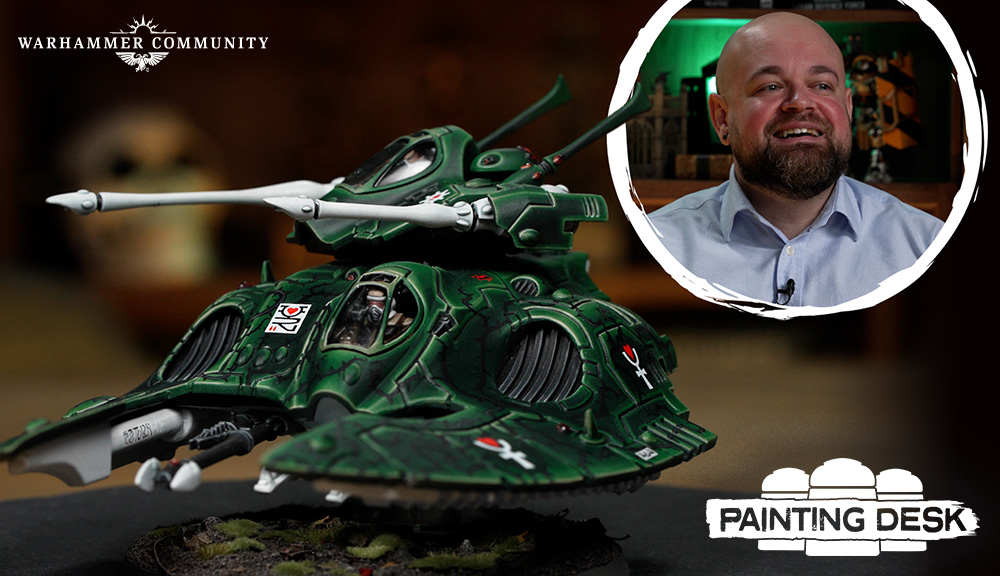
He also reuses paints across multiple materials so the workflow stays efficient, then varies the crew slightly so they do not all look identical. After that, the article rounds out the week’s programming by noting that Weapons and Wargear focuses on realmstone, Painting Desk features Golden Demon winner and former ’Eavy Metal painter Drew Paliès, and White Dwarf 517 has joined the Warhammer Vault with a scenery-heavy issue full of inspirational content, including a T’au Empire army showcase.
Taken together, these three updates make for a very clean little snapshot of modern Warhammer: elite faction depth, cheeky launch-box unit reveals, and practical hobby content that still remembers to be entertaining.

#image_title