
Italy has always felt like one of the most characterful fronts in Flames of War. So, a proper Late War book for the campaign always mattered.
For a long time, though, v4 treated the theater more like a side note than a full destination. That left players borrowing from Fortress Europe, patching gaps themselves, and waiting for the peninsula to get the treatment it deserved.
According to Breakthrough Assault’s review, Liberation of Italy finally delivers that missing depth, and it does so with a strong mix of history, themed force design, and enough oddball support to make the whole book feel distinct from Northwest Europe. This is a sumamry of Breakthrough Assaults review which you can see here.
Liberation of Italy is packed with national flavor, quirky formations, and exactly the right kind of Italian weirdness
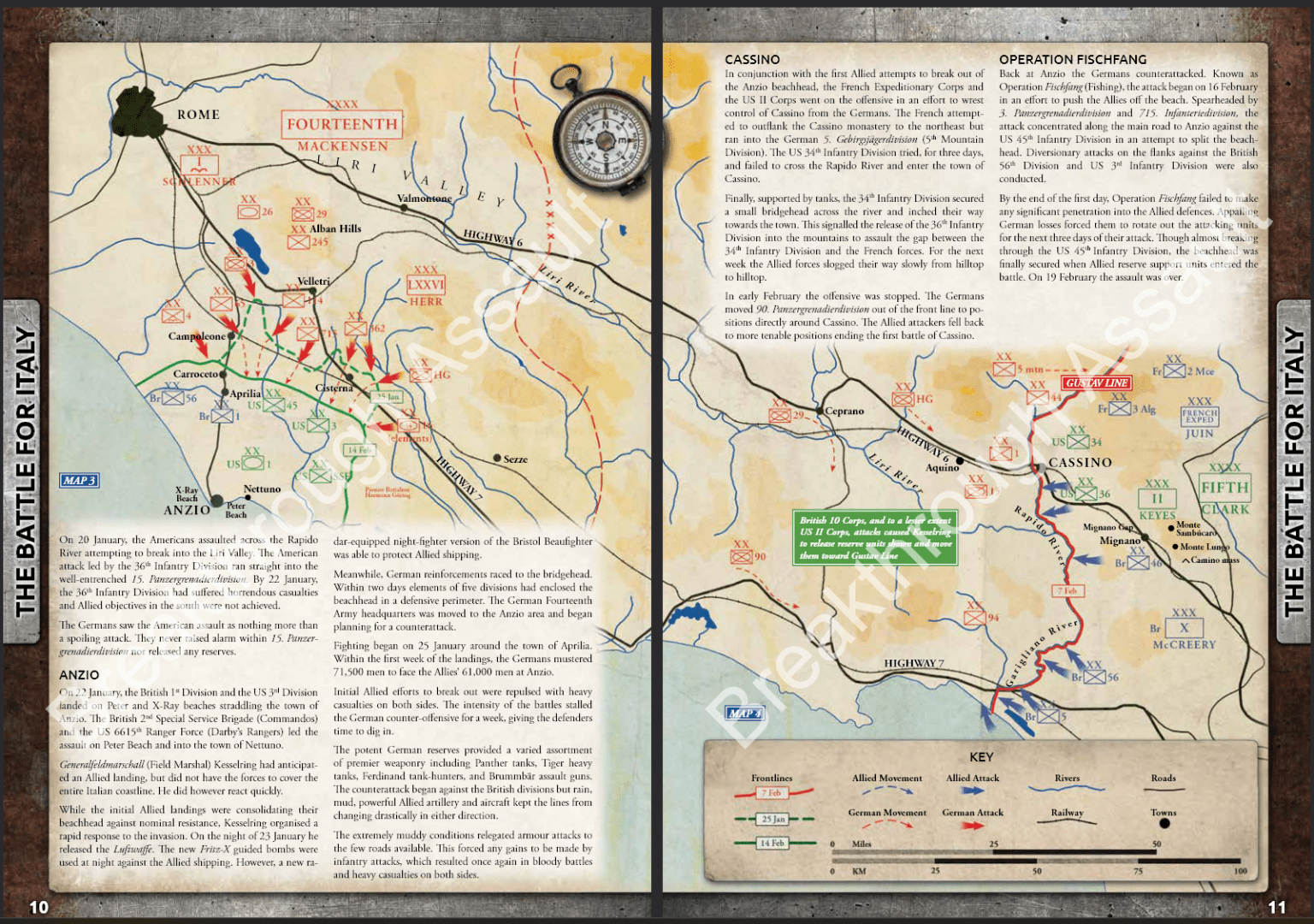
The review opens by praising the historical presentation, and that sounds deserved. The book reportedly starts with a campaign overview of Italy in 1944, using two-page maps, US map symbology, and coverage of the main battles and defensive lines, which already gives it a stronger identity than a bare rules dump.
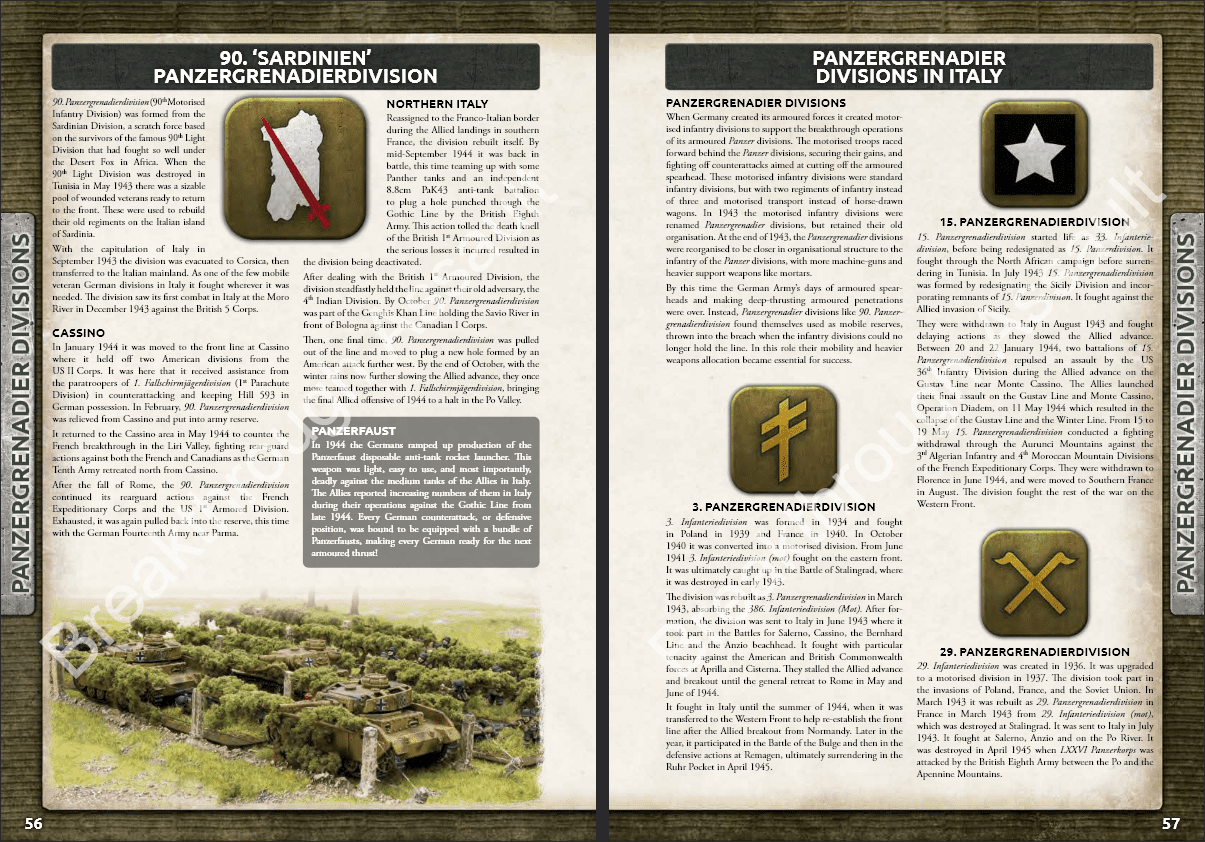
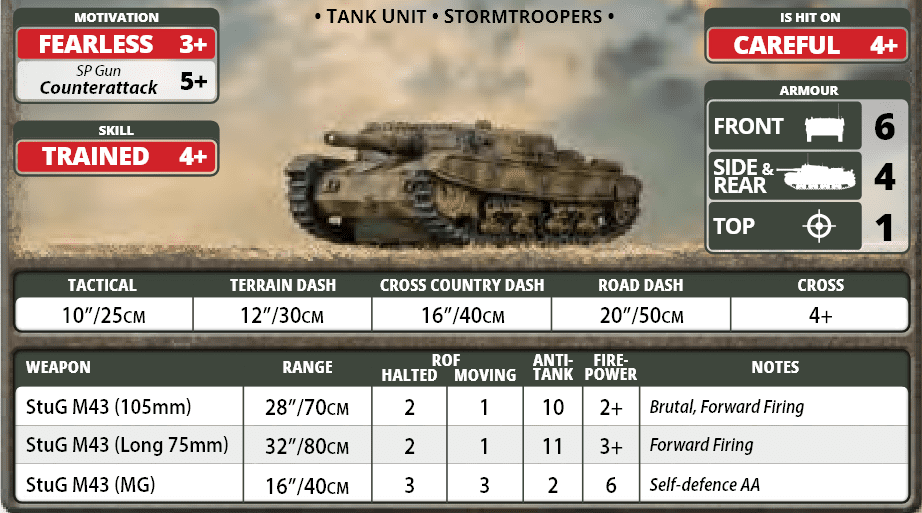
From there, the German section is described as broad and thematic rather than radically new, with seven armoured formations, one mechanised formation, and four infantry formations, including familiar companies like Panthers, Panzer IVs, StuGs, Panzergrenadiers, Grenadiers, and Fallschirmjäger, plus the more unusual Looted StuG company built around repurposed Italian Semoventi and M43 self-propelled guns.
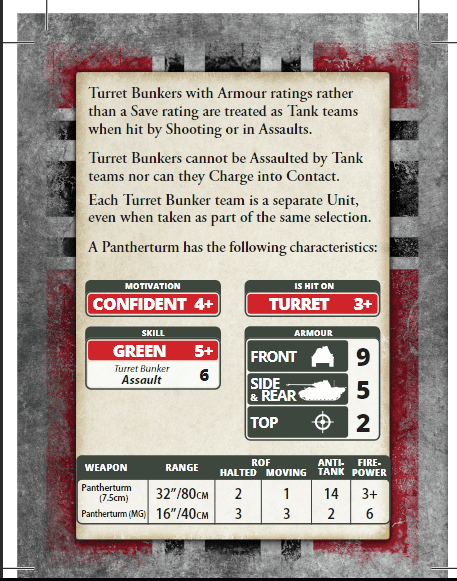
Breakthrough Assault’s main point is that the German lists may not dethrone Berlin in hard tournament play, but they do a great job capturing the campaign’s feel through command cards like pack mules, Borgward demolition carriers, Pantherturm defenses, and themed title cards such as Reichgrenadiers, Green Devils, and Gebirgsjäger.
The review then highlights one of the book’s strongest selling points, which is how many different national forces it folds into a single campaign package.
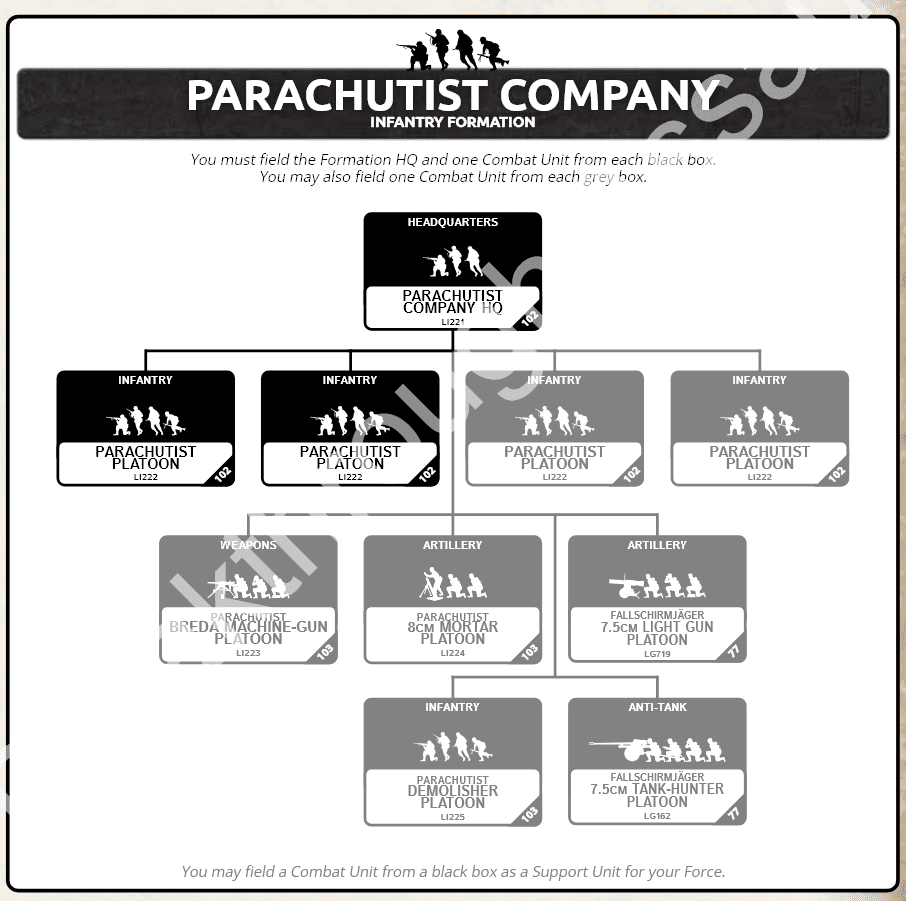
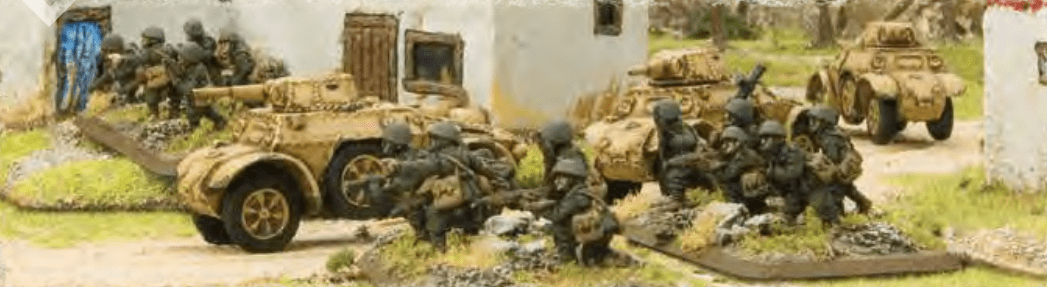
The RSI Italians get three compact formations, Infantry, Parachutists, and Reconnaissance, with the Parachutists called out as especially dangerous thanks to Fearless Trained Careful stats, strong Follow Me and Assault ratings, and a vicious Demolisher platoon full of Panzerfausts and flamethrowers.
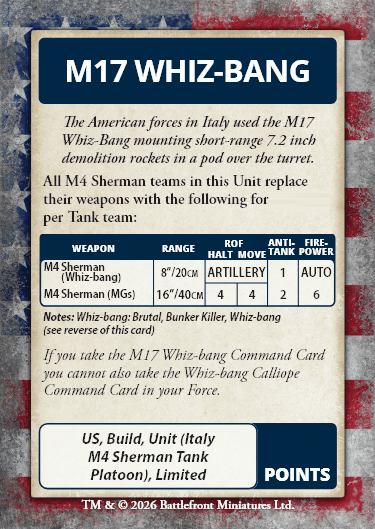
Meanwhile, the Americans are described as familiar but improved, with Sherman, Stuart, Chaffee, Armoured Rifle, Veteran Rifle, Ranger or FSSF, and Parachute Rifle formations, plus some standout command cards such as Assault Platoons, M17 Whiz-Bangs, and Improvised Artillery for tank destroyers.
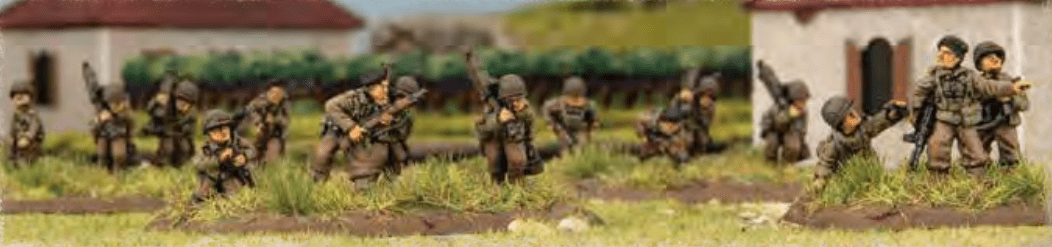
The FSSF or Ranger formation in particular gets praised as a major glow-up over its D-Day counterpart because it adds more internal support, artillery choices, and staying power.
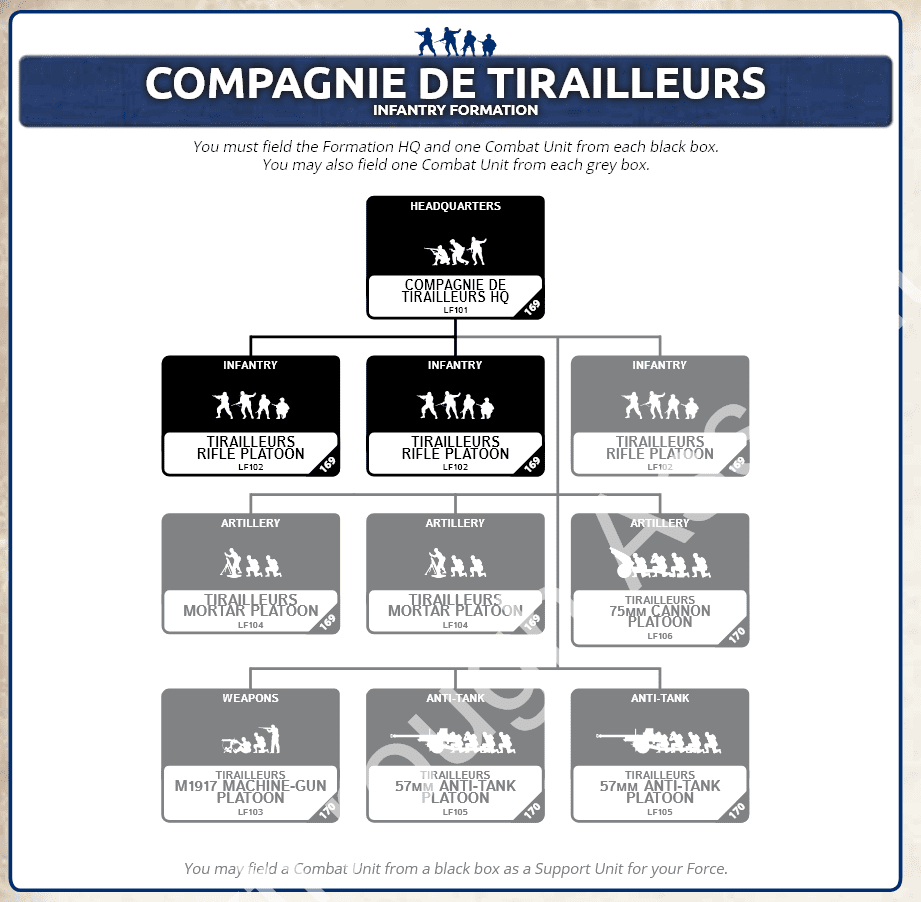
France is more compact, but it still sounds flavorful, with Fearless Trained Careful Tirailleurs built to assault and Goum formations trading Careful for Aggressive while gaining Mountaineers and Scout. In other words, the review suggests the Allied side is not just a wall of copy-pasted US lists with different flags attached.
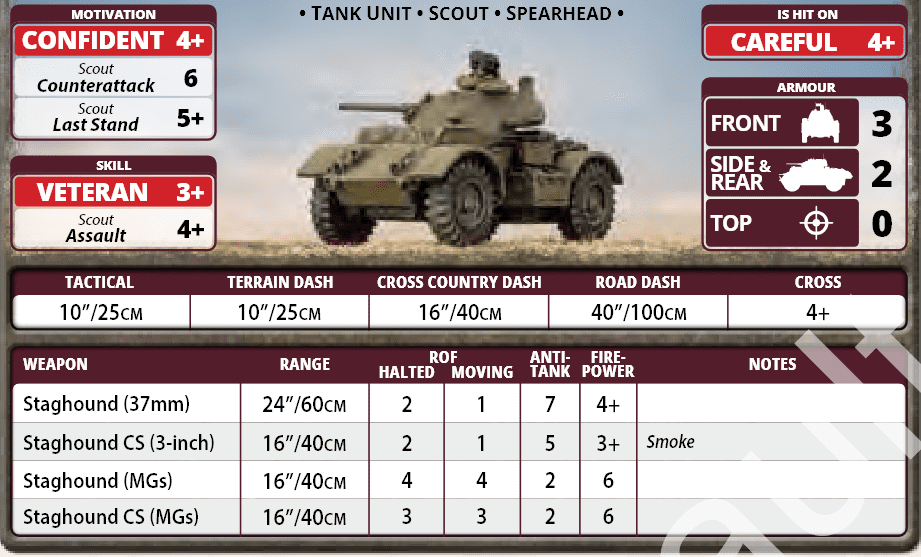
The British and pro-Allied Italian sections seem to be where the book really leans into campaign-specific texture. Breakthrough Assault notes that the British roster is relatively compact, yet still includes interesting Italy-specific twists like Sherman squadrons with M4(105) options, 76mm Sherman variants, Firefly troops tied historically to New Zealand practice, refreshed Churchill options, Staghound recce, and Popski’s Private Army.
Likewise, the command card spread is described as extensive, with Commonwealth, Free Polish, and Free Greek representation, plus supporting oddities like Canadian Armoured Trucks and Sherman Kangaroos.
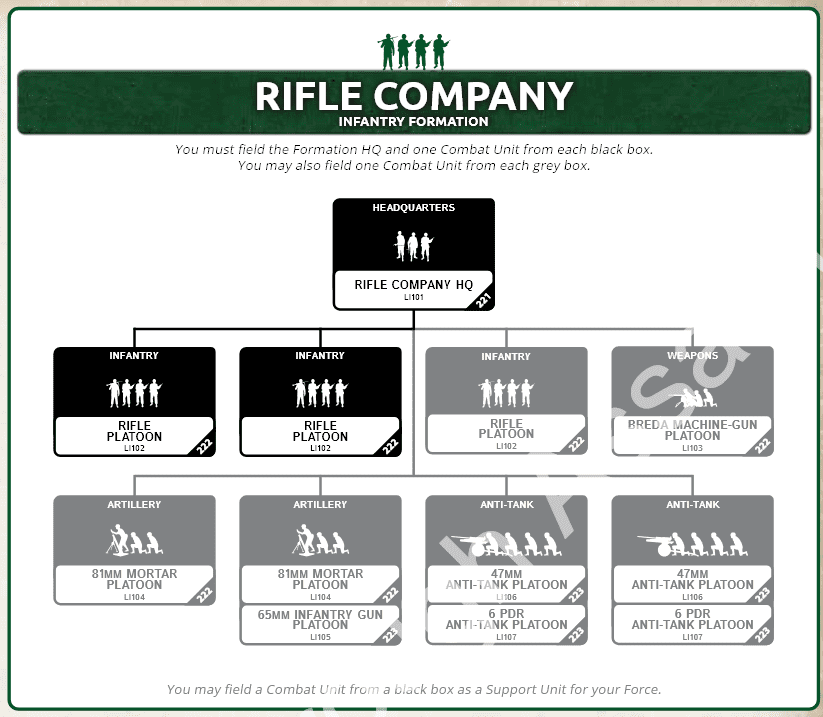
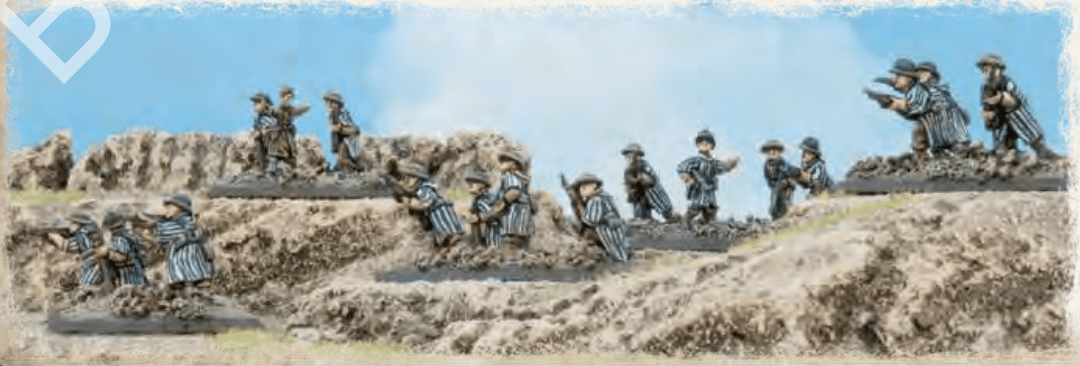
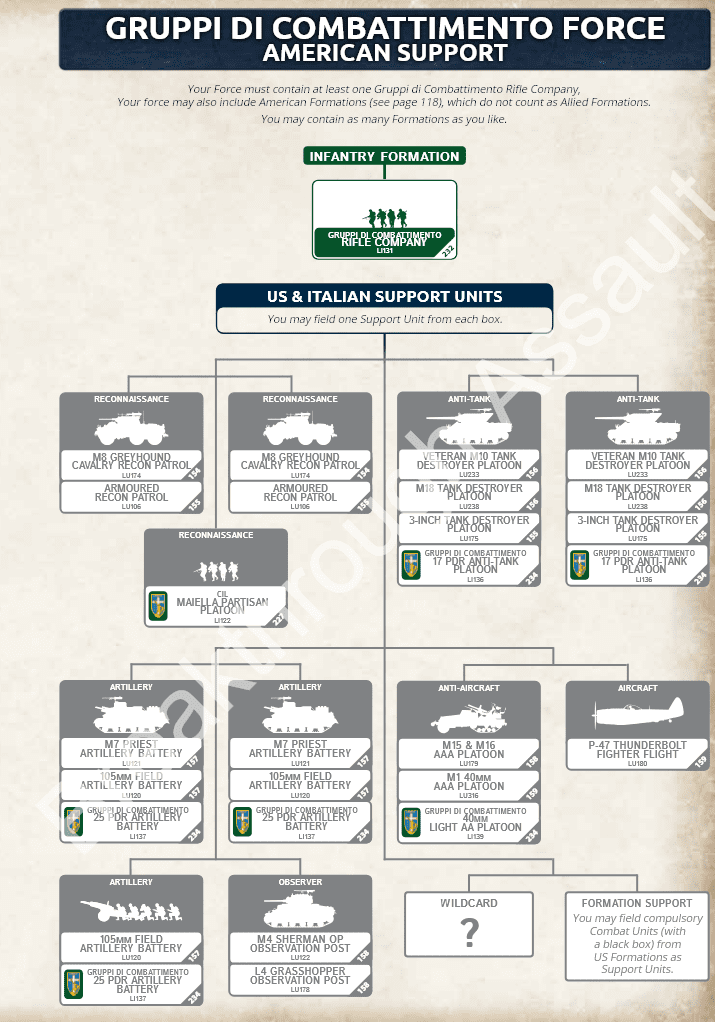
Then the Corpo Italiano di Liberazione adds another layer, with Rifle and Parachutist companies, mobile 47mm anti-tank guns, 6-pounders, multiple artillery options, British and Italian observers, scout platoons, partisan platoons, and even extra force diagrams for later Combat Groups equipped along British or American lines.
The review also points out that the book closes with a linked campaign called The Lines and a new Defensive Line mission where defenders buy fortifications such as pillboxes and Panther turrets. Overall, the verdict is very clear: a few omissions remain, but Liberation of Italy is presented as a well-built, historically rich, and highly thematic Late War book that finally gives the Italian campaign the depth it long lacked.