Games Workshop’s latest batch of updates covers several very different corners of the hobby. So, this is not one of those days with a single giant reveal.
Instead, it is a spread of practical rules, campaign support, Age of Sigmar reinforcements, and video game hype. Meanwhile, all four pieces feel connected by one idea: making it easier to jump into something fun fast, whether that means a new detachment, a weekend event, a fresh unit wave, or a festival full of trailers and discounts.
T’au detachments push stealth tricks, auxiliary teamwork, and prototype battlesuit firepower
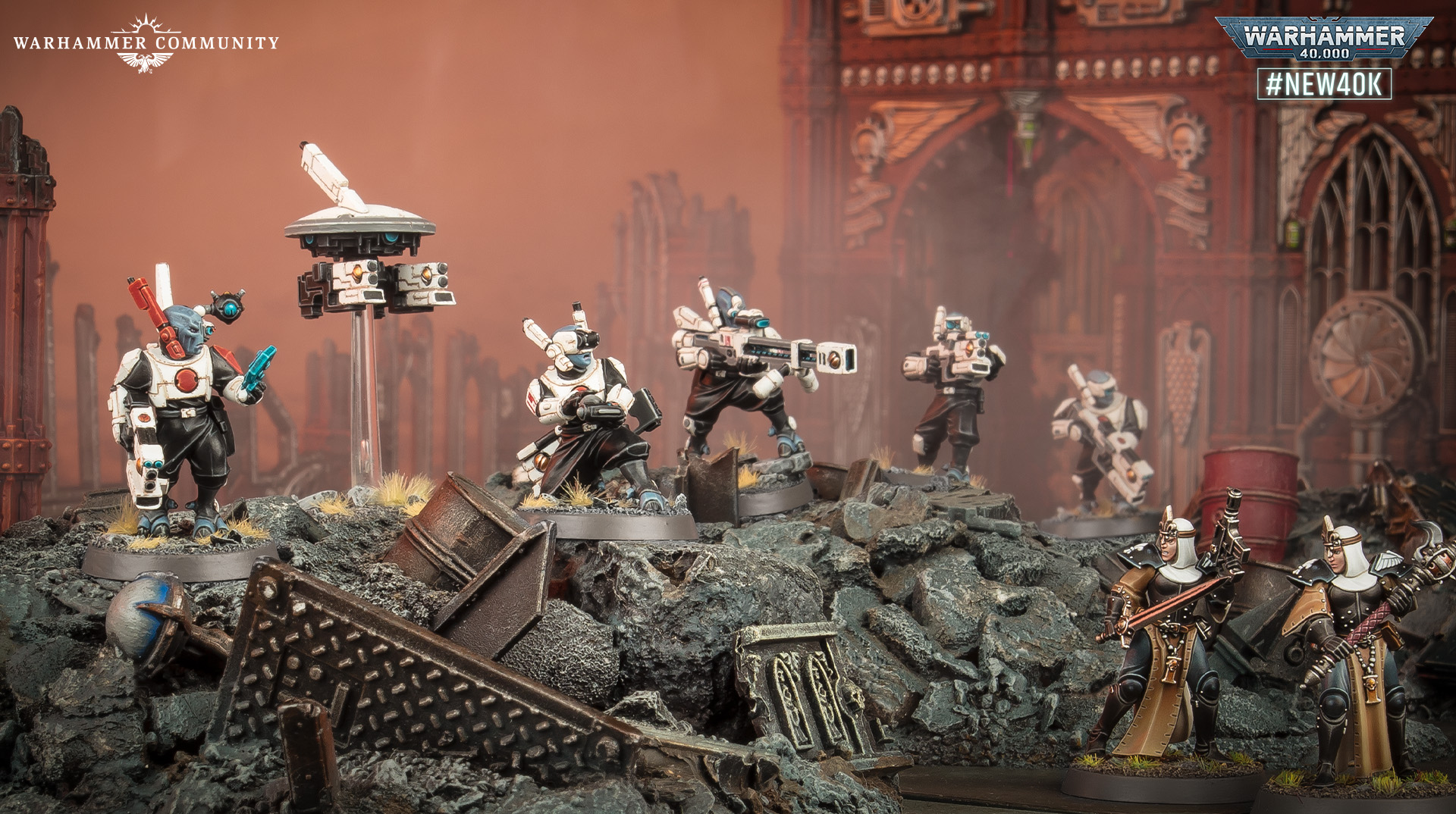
The T’au faction focus is the heavyweight here, because it shows three distinct ways the army can play in the new edition. First, the Advanced Acquisition Cadre leans hard into hidden rules and battlefield misdirection.
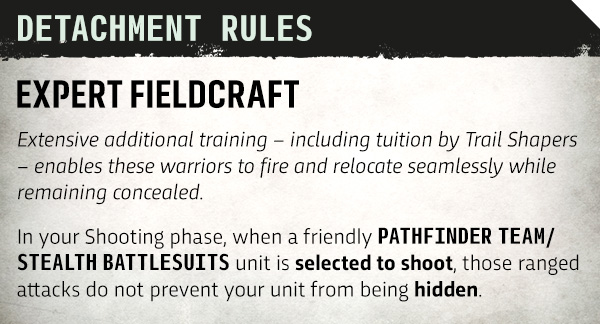
Pathfinder Teams and Stealth Battlesuits can shoot without giving up being hidden, which is exactly the kind of obnoxious ranged play T’au players dream about.
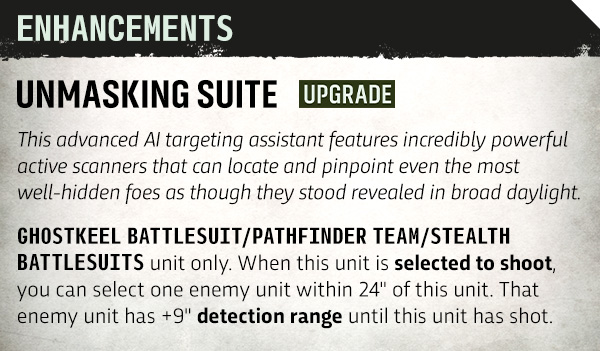
Meanwhile, the Unmasking Suite lets Ghostkeels, Pathfinders, and Stealth teams increase an enemy unit’s detection range, making hidden targets much easier to punish.
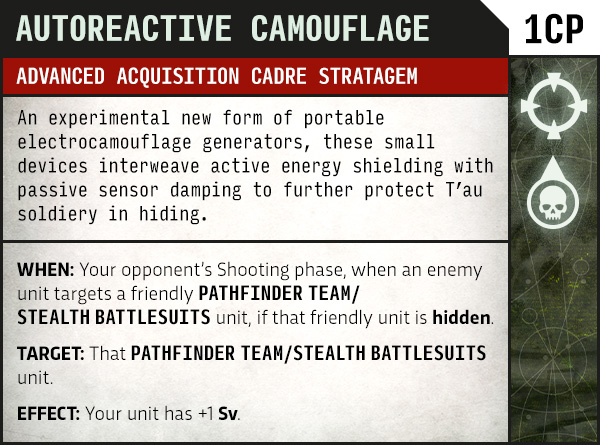
Then Autoreactive Camouflage adds +1 Save to hidden Pathfinders or Stealth Battlesuits in the opponent’s Shooting phase, which means the detachment is not just cute, it is genuinely slippery.
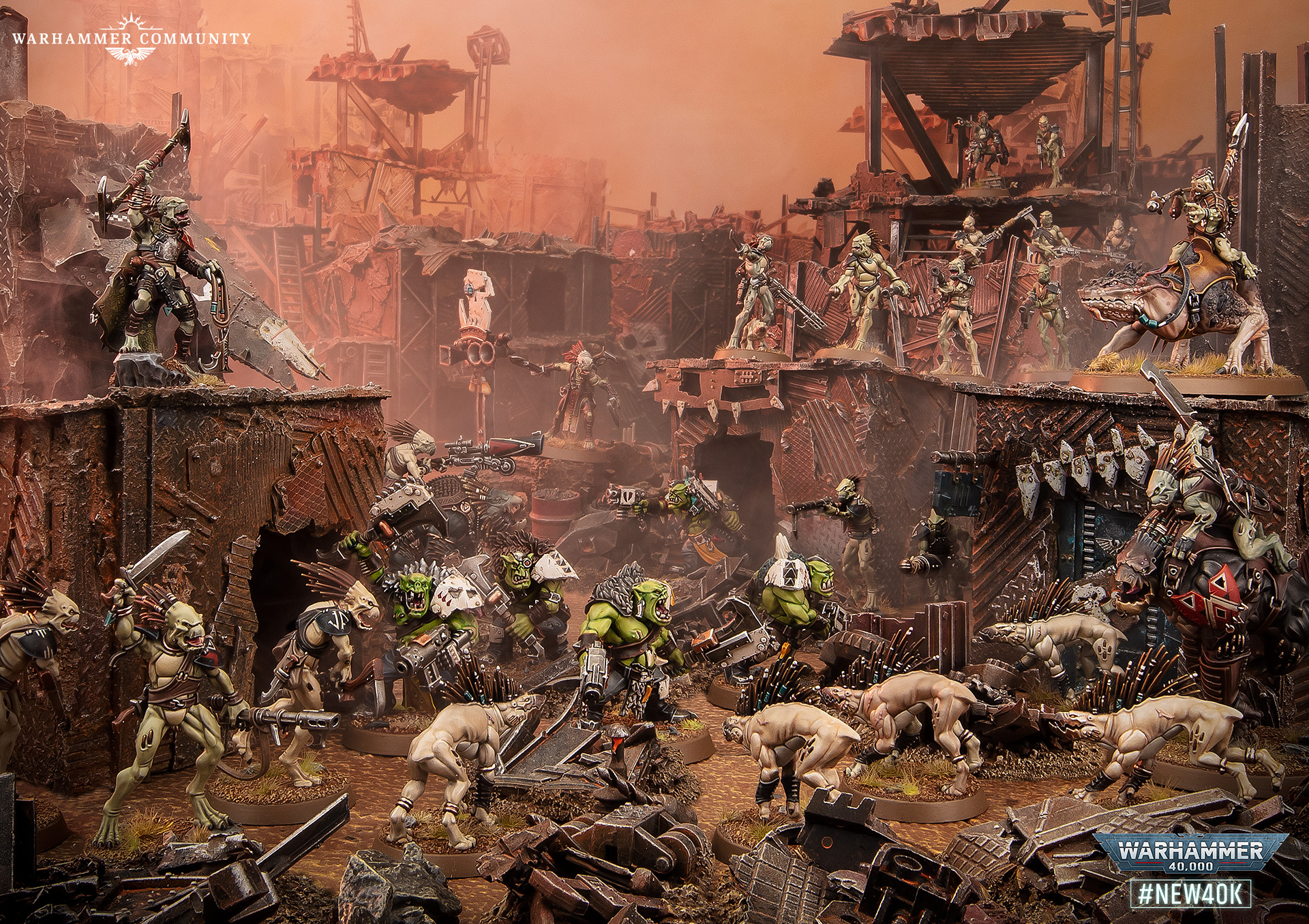
However, the Auxiliary Cadre is the one with the most character.
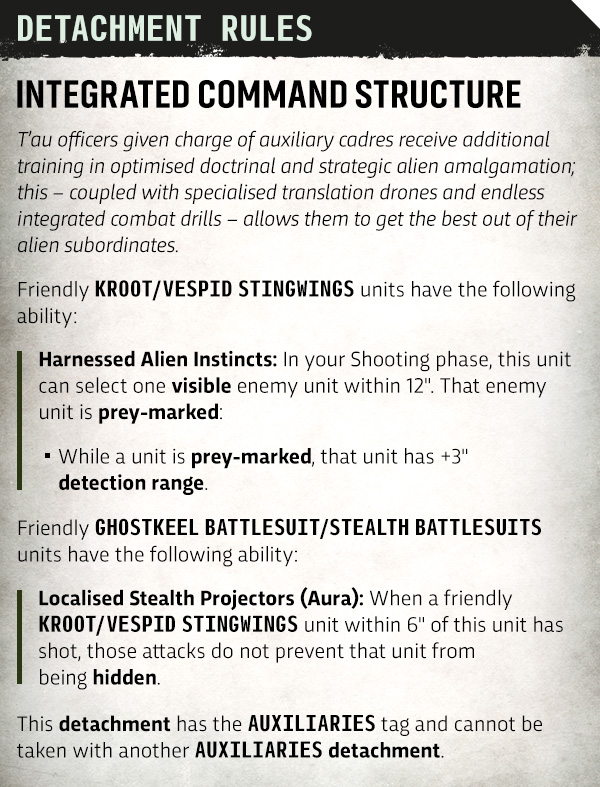
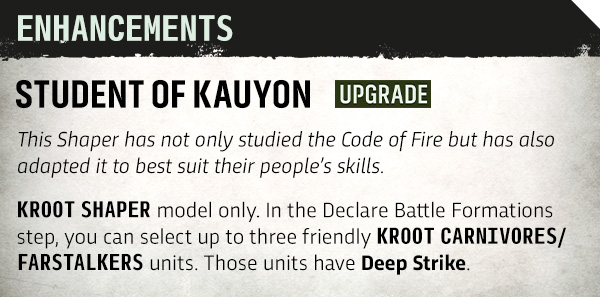
Kroot and Vespid can prey-mark enemies to increase their detection range, Stealth suits can help nearby auxiliaries stay hidden after they shoot, and a Kroot Shaper with Student of Kauyon can Deep Strike up to three Kroot Carnivore or Farstalker units.
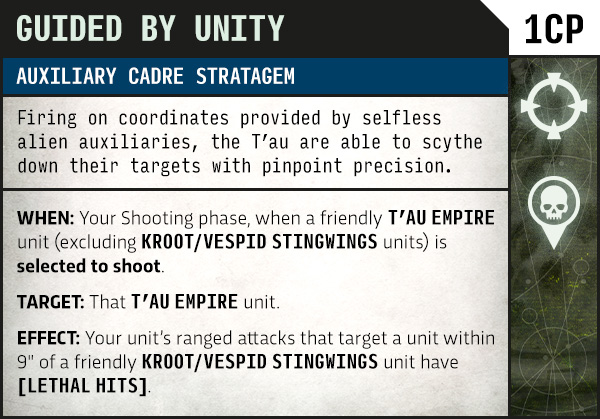
After that setup, Guided by Unity gives non-auxiliary T’au units Lethal Hits when shooting targets close to Kroot or Vespid. So, the detachment reads like a proper combined-arms hunting pack instead of a side gimmick.
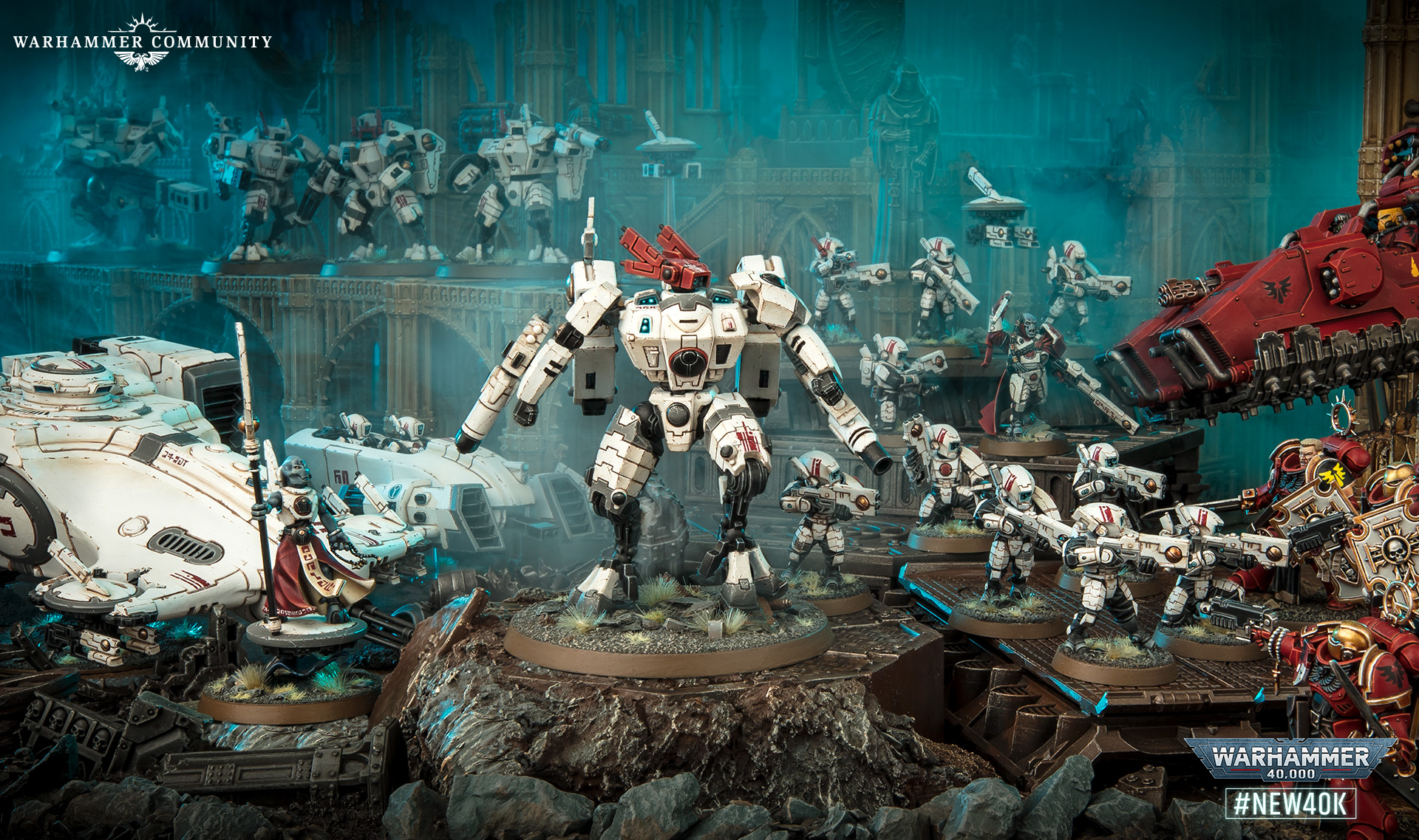
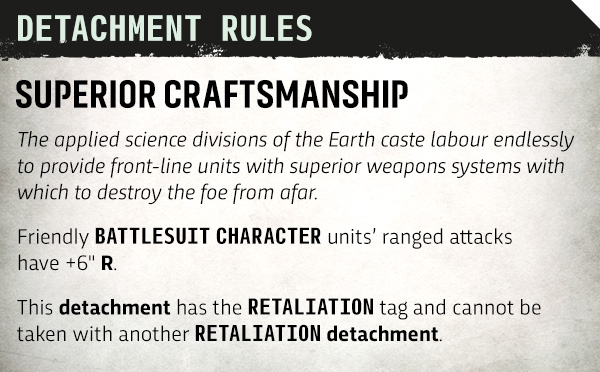
Finally, the Experimental Prototype Cadre goes straight for suit commanders, adding 6 inches of range to Battlesuit Character ranged attacks and offering weapons upgrades like the Supernova Launcher, which boosts an airbursting fragmentation projector with more Strength, AP, and Damage.
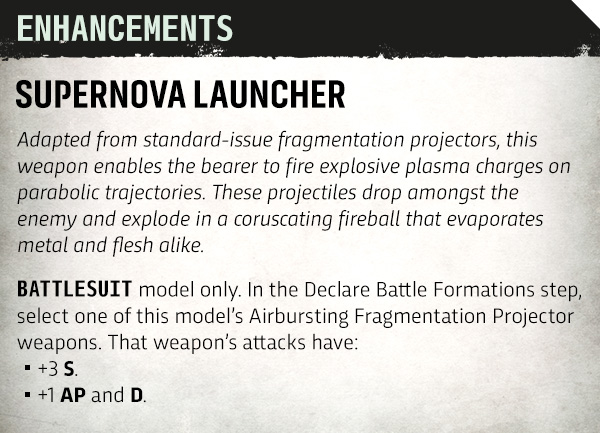
Experimental Ammunition then lets a Battlesuit Character unit add Strength, or add Strength and AP with Hazardous. Altogether, the article sells a T’au range game that now has real stealth play, real alien synergy, and proper mad-scientist suit nonsense.
The Dominatus deck looks like a campaign system built for people who actually want to finish one
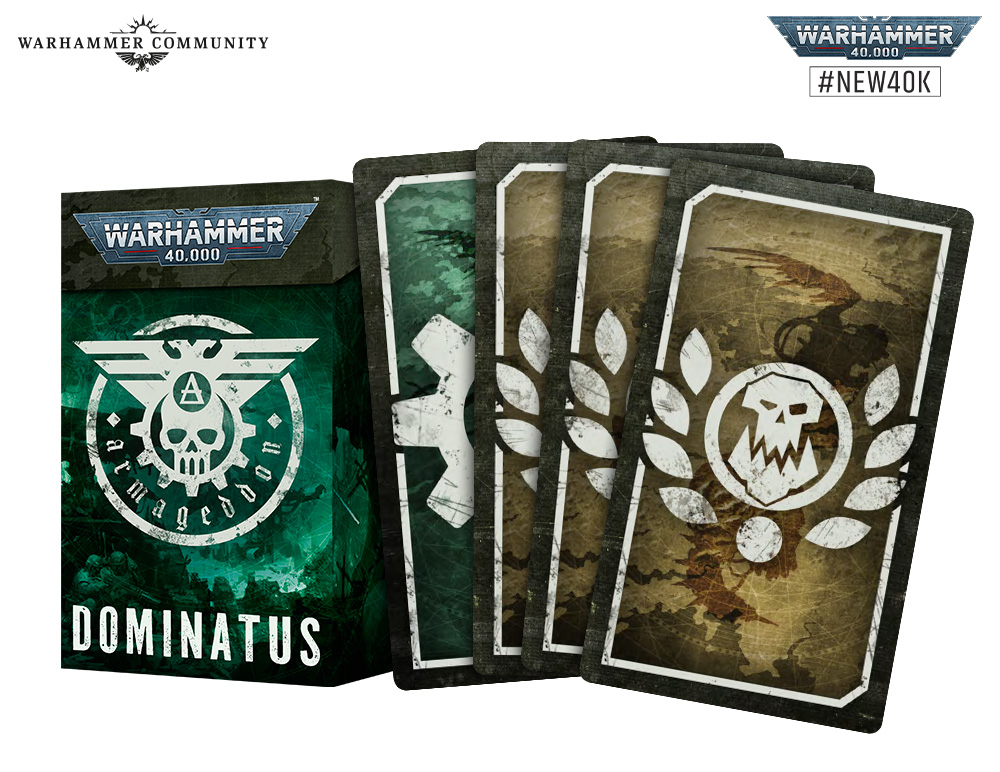
The Dominatus deck article is short, but it might be one of the most useful new-edition pieces so far. At its core, the deck is themed around Armageddon, but it can be used for any factions, which is a smart move.
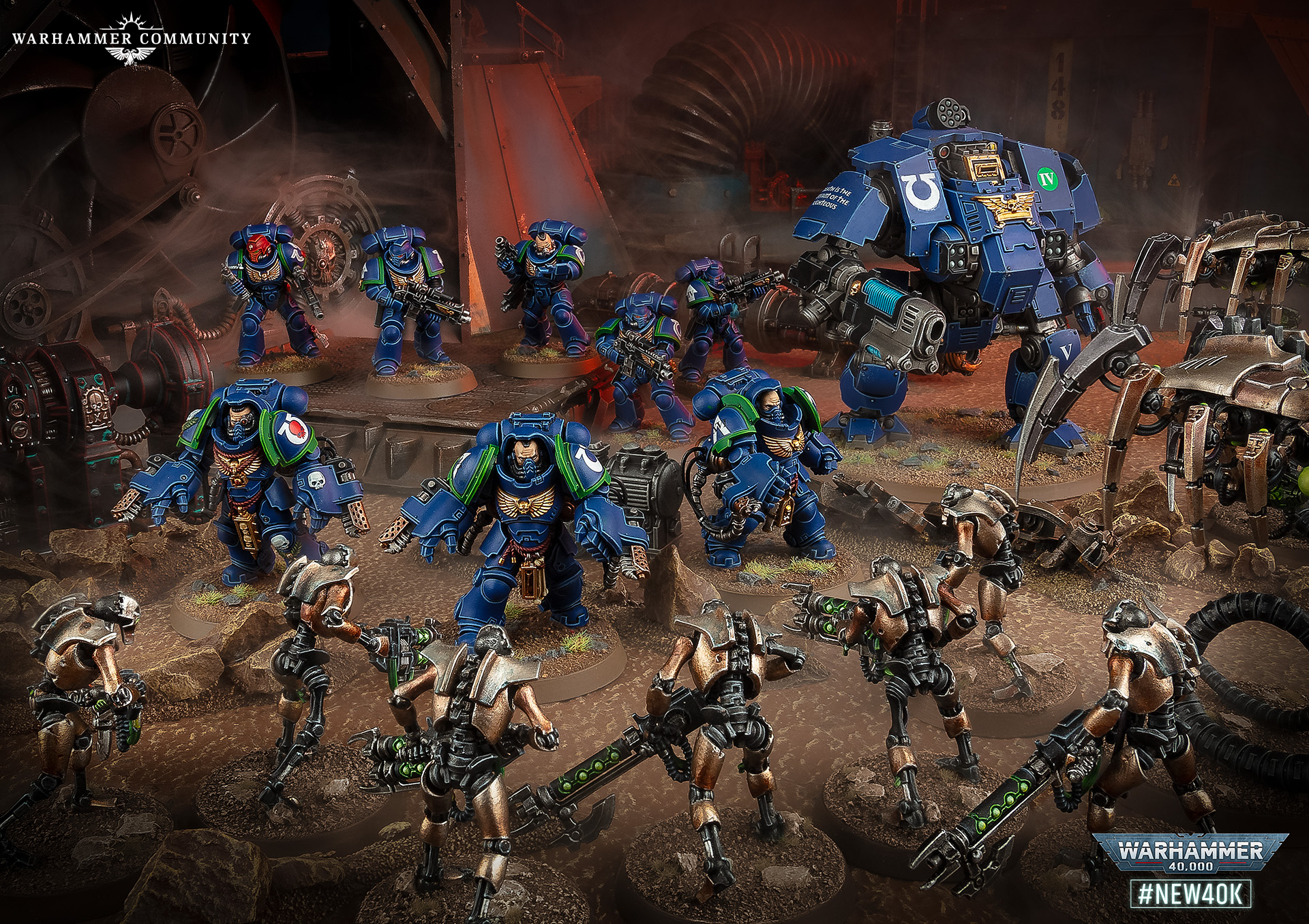
Players split into two or three alliances called Liberators, Oppressors, and optionally Raiders, then fight through three campaign phases before a final climactic battle.
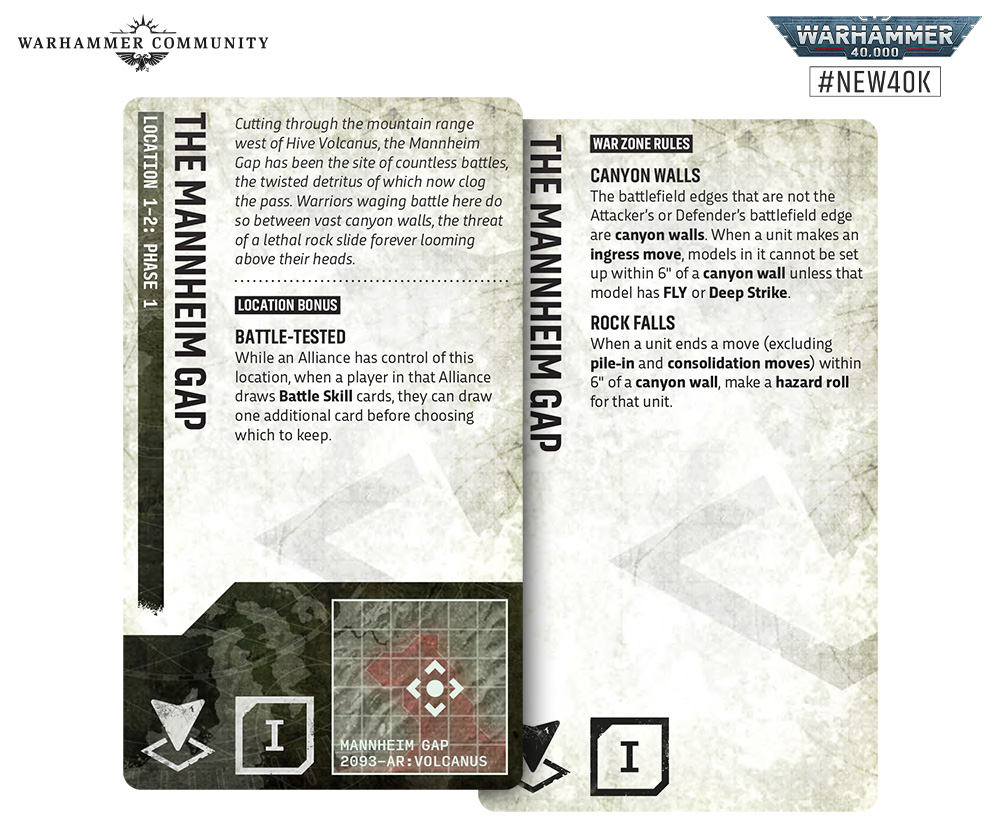
Meanwhile, each phase starts by rolling for one of three locations, each with its own bonus and war zone rules, and then each alliance reads a Briefing card that sets the phase’s narrative and determines which Agendas players will pursue. Then the actual games use 2,000-point Strike Force armies and the Chapter Approved Mission deck, but with a twist: players can choose a thematic Agenda instead of a normal Primary Mission.
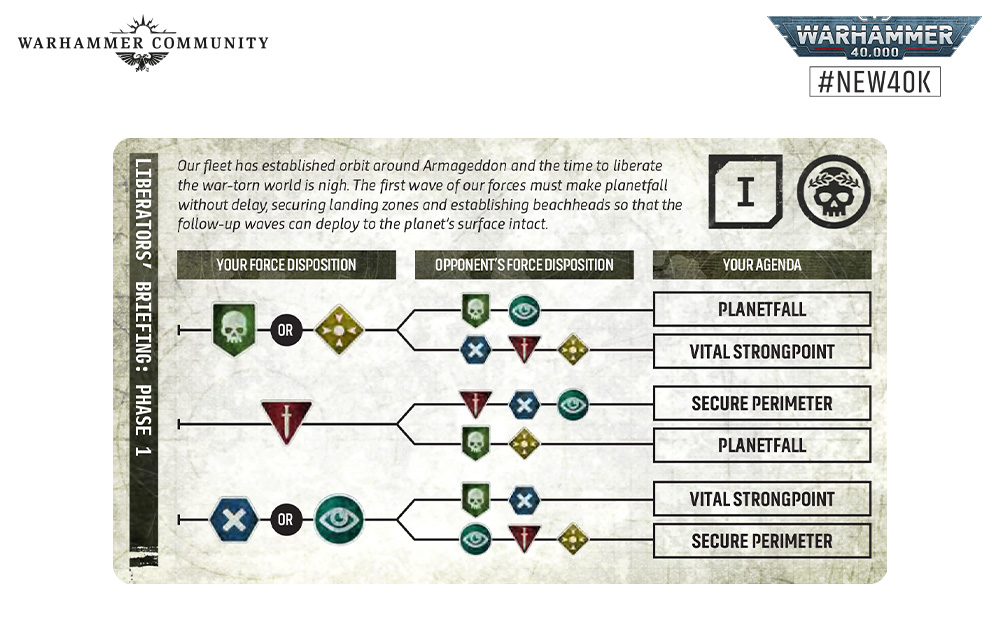
Succeeding earns Agenda Achieved cards, while battle winners draw Battle Honour cards and losers take Battle Skill cards, so everyone still gains some kind of long-term bonus. That is a big deal, because it stops one bad loss from wrecking the whole weekend.
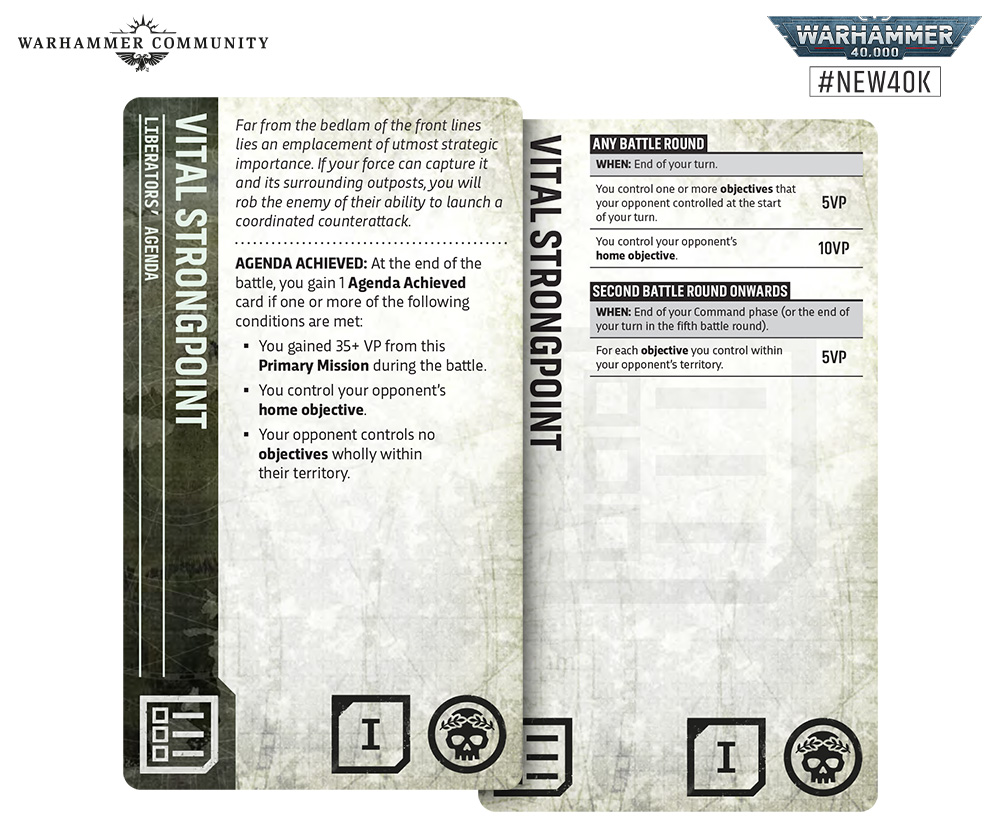
The system also sounds genuinely manageable. A typical campaign has two battles in Phases 1 and 2, then one decisive Phase 3 game, which means it can fit into two days without becoming a spreadsheet nightmare.
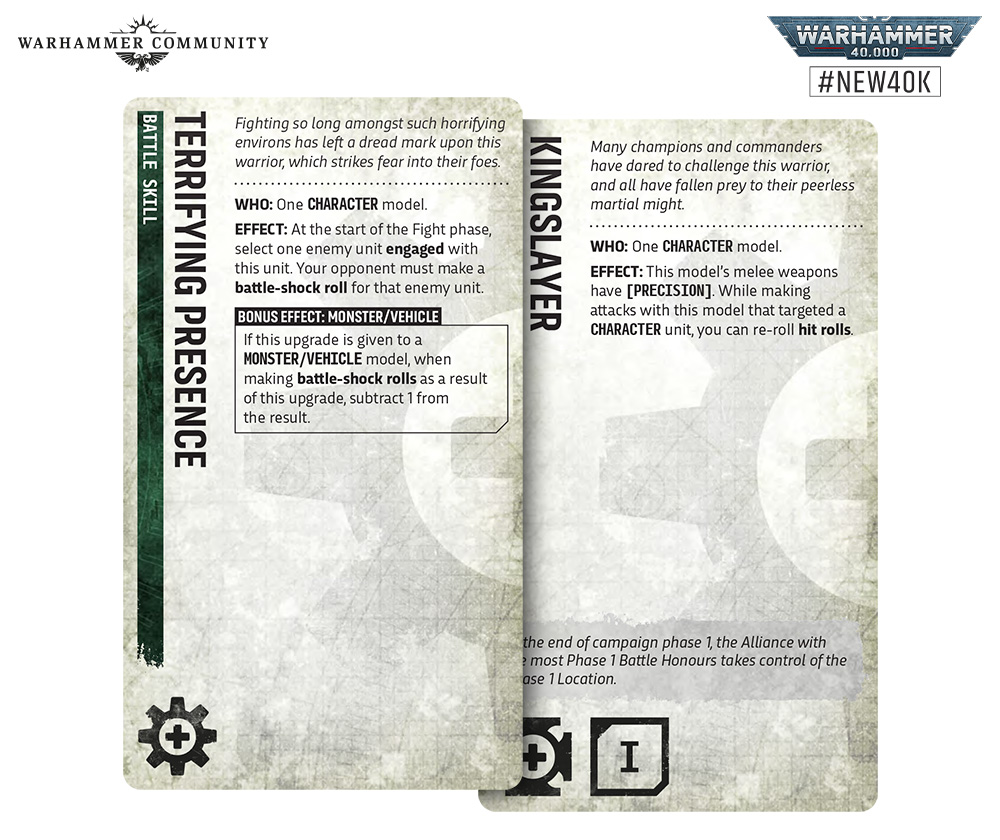
When a phase ends, the alliance with the most Battle Honour cards controls the location and gets its bonus, while the alliance with the most Agenda Achieved cards gains ascendancy and a Relic card. Then the Briefing card flips to reveal the narrative consequences. By the end, you have a proper little war story without needing an app or a campaign binder. Frankly, that is exactly the kind of low-friction narrative support 40K has needed.
The new Cities of Sigmar units deepen the army’s combined-arms game in all the right ways
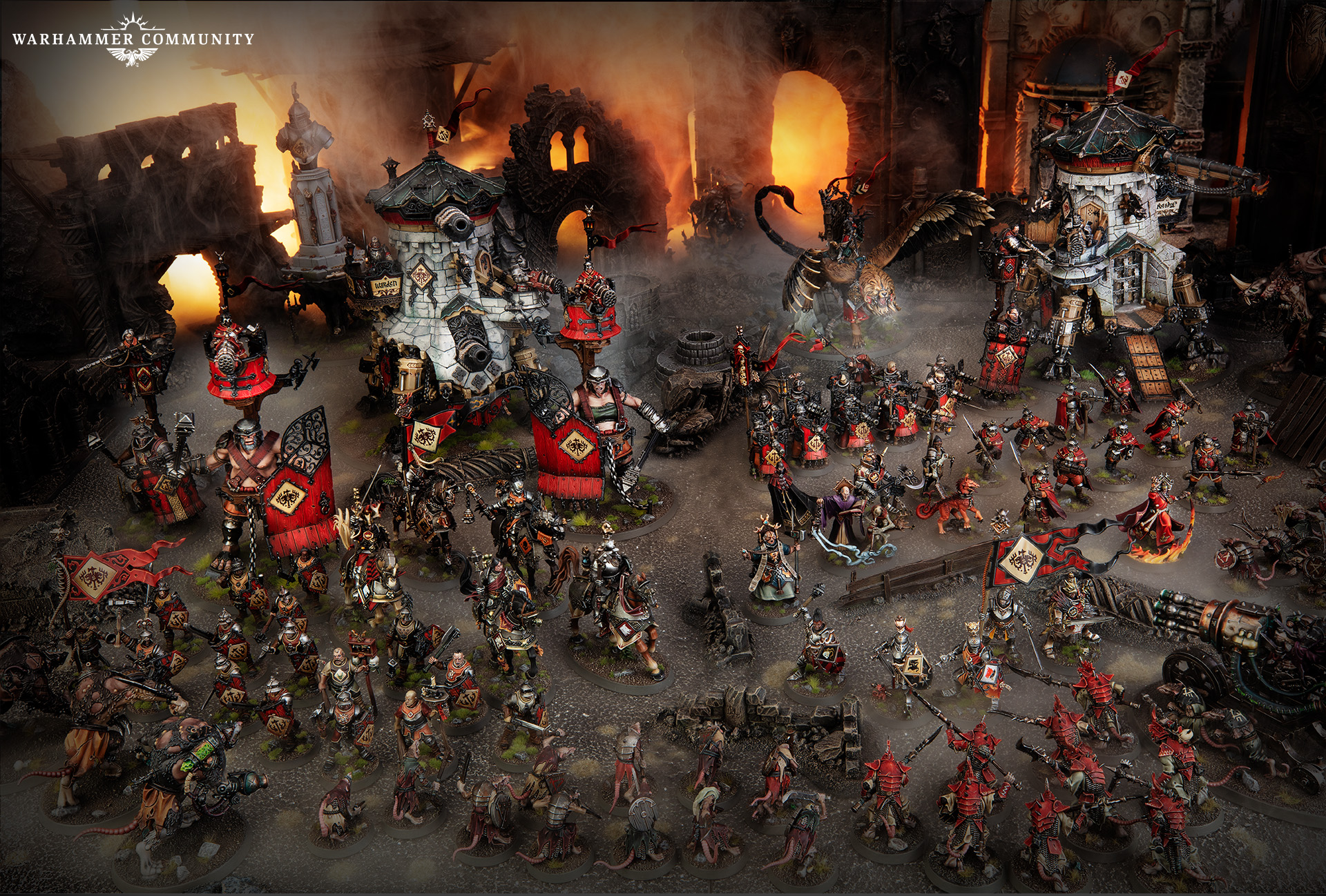
The Cities of Sigmar article is packed, and it does a good job showing how the new wave fills real battlefield roles.
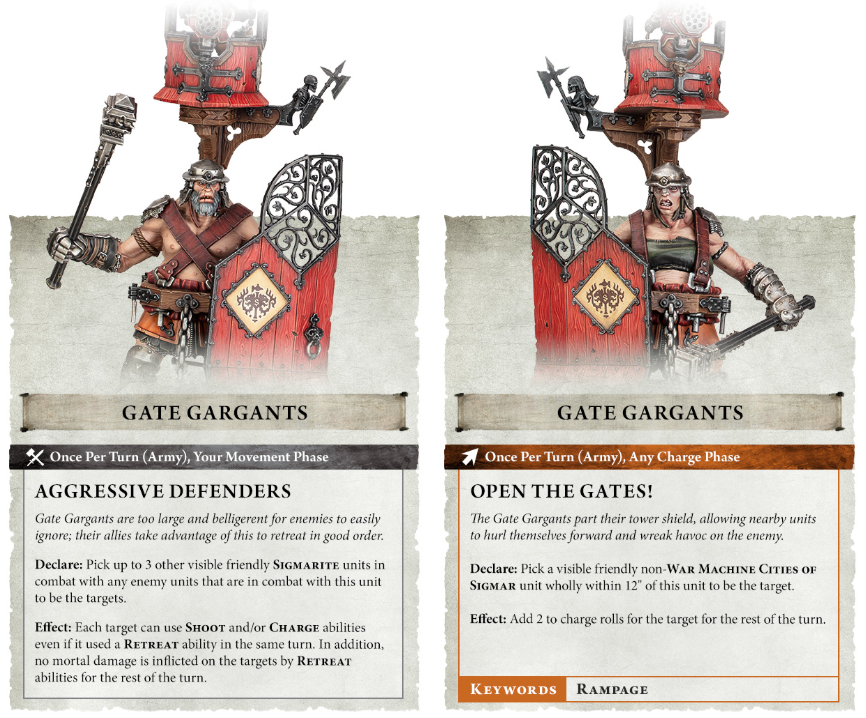
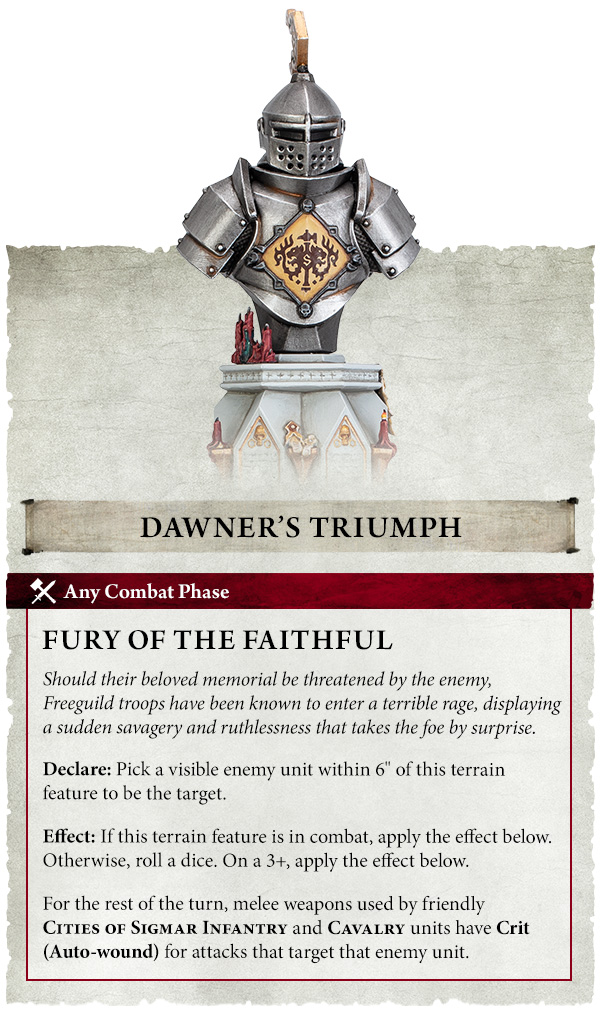
First, the Gate Gargants act as mobile shield walls for the Castelite formation, and their Aggressive Defenders rule lets nearby Sigmarite units Retreat and still Shoot or Charge. That is already strong, but it gets even nastier because Cogforts can then Retreat and Shoot without risking overheating. Sound the Attack also combines with Open the Gates! for more reliable long charges, which gives the whole formation a very satisfying anvil-then-hammer rhythm. Meanwhile, the infantry additions look sharply divided by purpose.
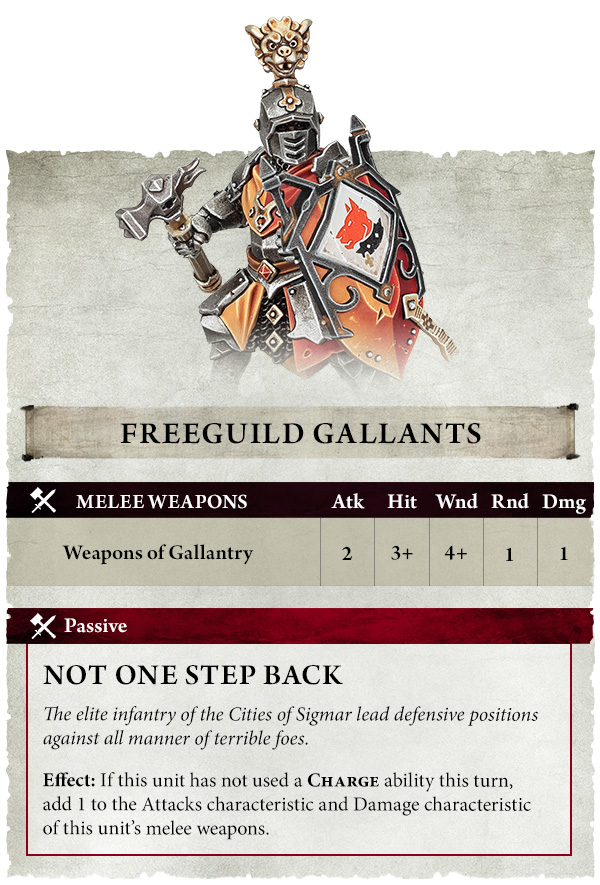
Freeguild Gallants are elite defenders, and if they did not charge that turn, they gain extra Attacks and Damage through Not One Step Back.
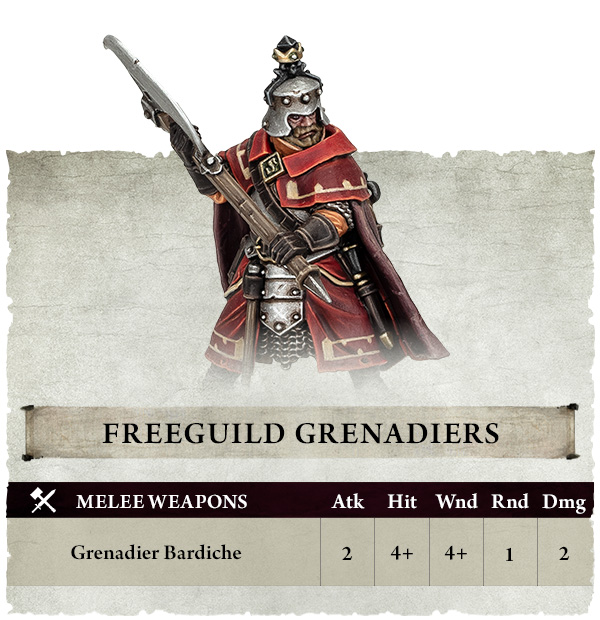
Freeguild Grenadiers go the opposite way, bringing blackpowder weapons, polearms, and a flat 2 Damage bardiche that can rise to 3 Damage when charging out of a Conqueror Cogfort. Then the support characters start layering on real toolbox value.
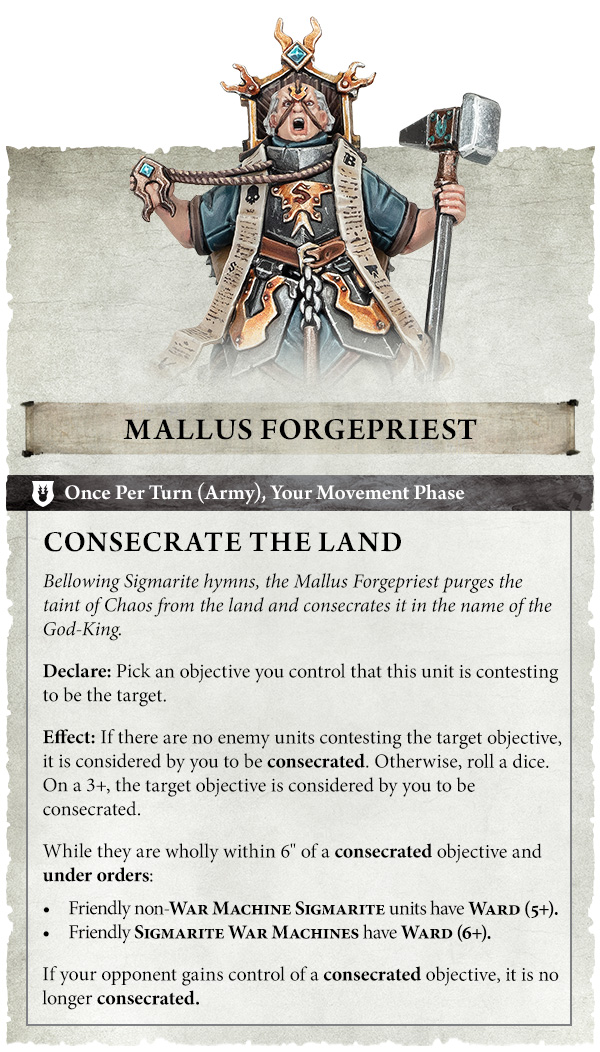
Mallus Forgepriests can consecrate objectives, granting Ward 5+ to nearby non-war-machine Sigmarite units and Ward 6+ to war machines, including Cogforts.
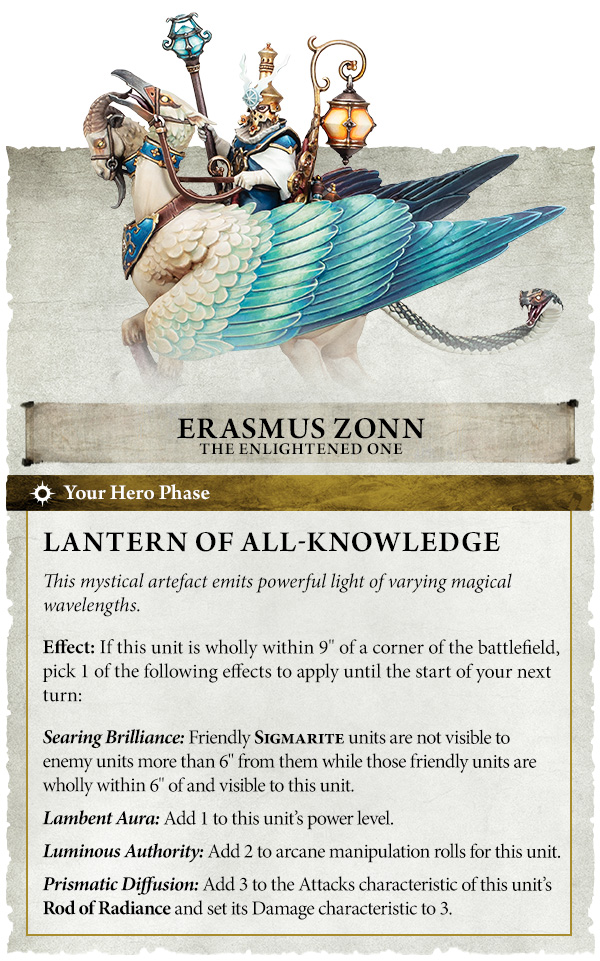
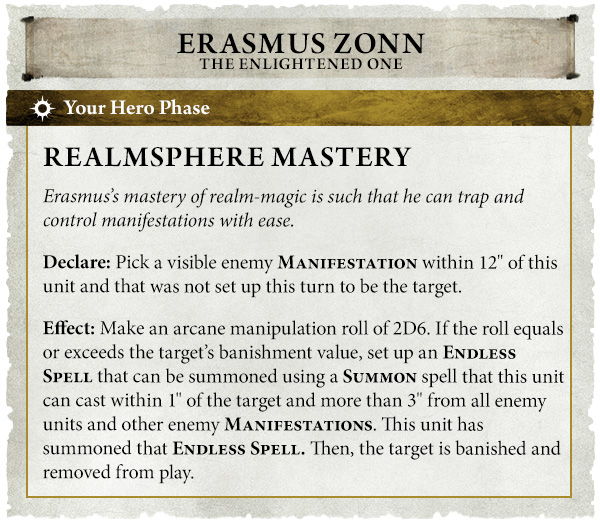
Erasmus Zonn brings Hyshian magic, a Lantern of All-Knowledge with multiple modes, and Realmsphere Mastery, which can banish an enemy Manifestation and replace it with one of your own Endless Spells.
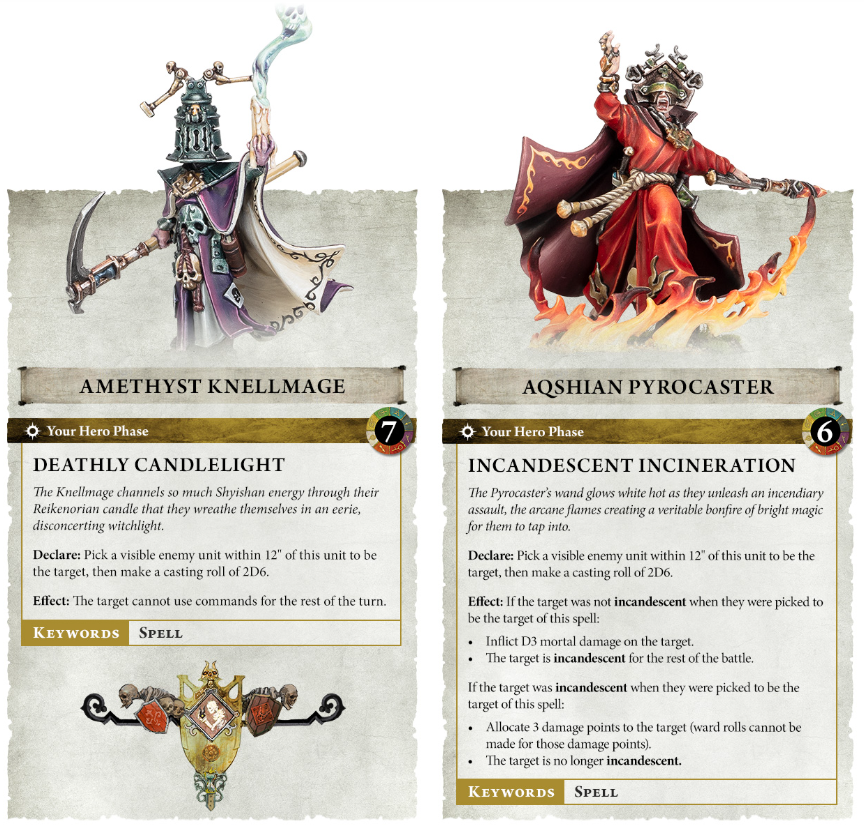
After that, the article adds the Amethyst Knellmage, whose Deathly Candlelight stops a target from using commands, and the Aqshian Pyrocaster, whose Incandescent Incineration first marks enemies as incandescent and later allocates damage that bypasses ward rolls.
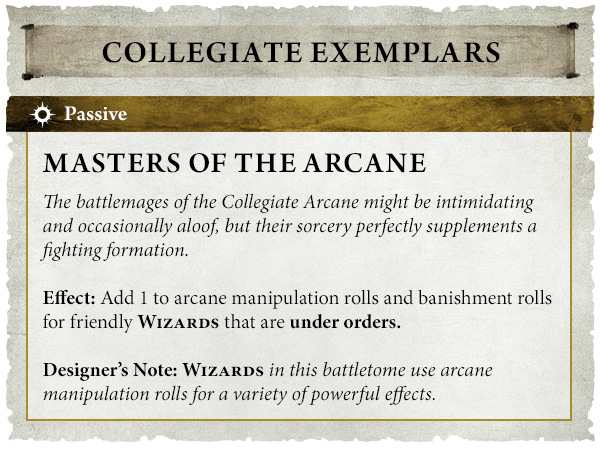
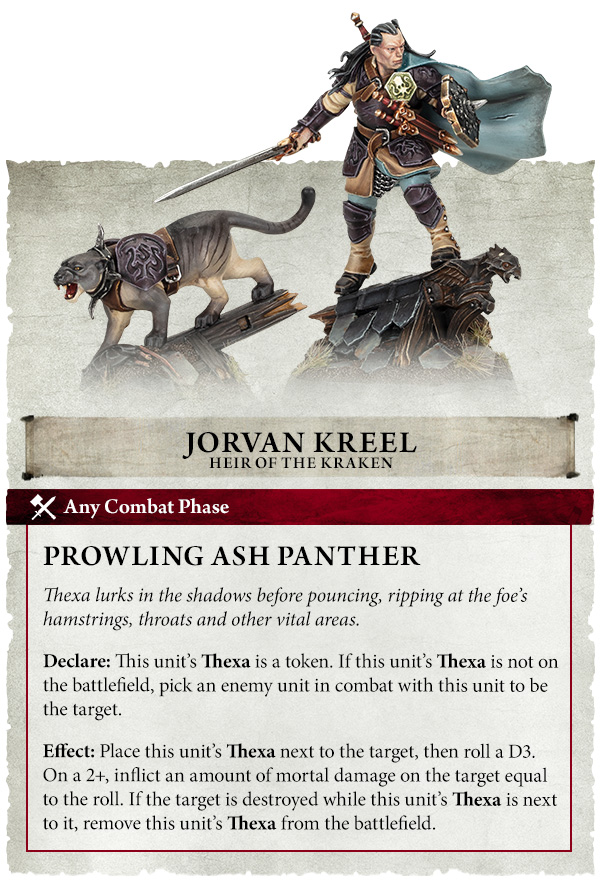
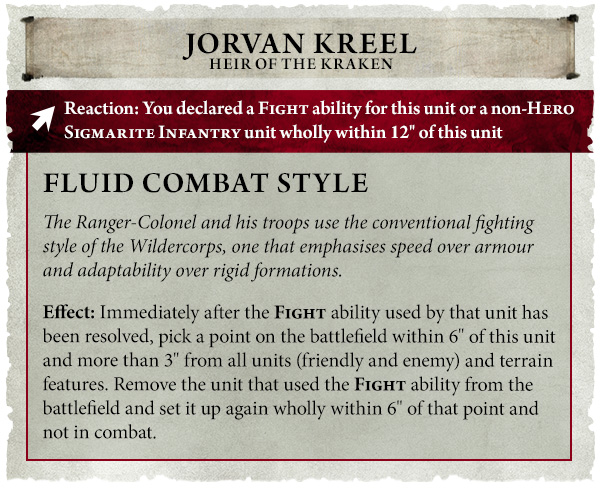
Finally, Jorvan Kreel and his ash panther Thexa bring a more roaming assassin feel, with mortal wounds from Prowling Ash Panther and a Fluid Combat Style that helps units disengage cleanly for later counterattacks.
Altogether, this feels like a wave that makes the Cities smarter, nastier, and much more flexible.
Warhammer Skulls returns as a tenth-anniversary festival built for reveals, discounts, and loud nostalgia
The Warhammer Skulls piece is the shortest of the four, but it still does its job. The festival returns on 21 May, with the showcase starting at 5pm BST, 6pm CEST, and 9am PST. Games Workshop frames this as the tenth edition of its annual video game celebration, and promises new reveals, announcements, plus a full week of sales and discounts across Warhammer games.
Meanwhile, Alanah Pearce is hosting the anniversary showcase, which feels like a good fit given her connection to Warhammer 40,000: Boltgun 2. So, this article is really less about deep detail and more about setting the alarm. Still, that works. After the heavier rules pieces above, it is nice to end on something broader and a bit more celebratory.