The moment your Autarch becomes unreasonably hard to remove is the moment your friends start reading your Crusade card twice.
This is Part 3 of the three-part series, and it covers the Crusade Rules sections on Battle Traits and Crusade Relics. Since Part 2, and by now you’ve probably got at least one unit that feels “different” on the table. This is the layer that turns small advantages into a campaign identity. I like Aeldari here because the upgrades lean into mobility, precision, and tempo, rather than raw stat bloat.
I also like that Harlequins and Asuryani both get toys that feel true to their play patterns. If you build around these upgrades early, your force starts playing like a curated toolkit instead of a pile of units. And if you combine them with the right detachment rule, you can build some extremely annoying, extremely fun centerpieces.
Battle Traits: faction-flavored tools, not generic buffs
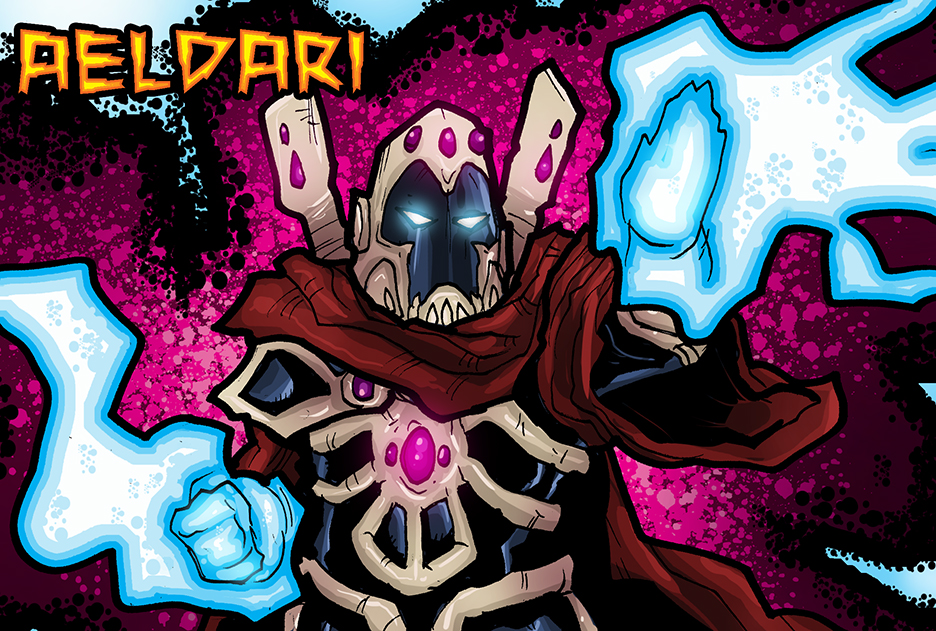
Psyker traits are all about reliability and payoff. You can get traits that grant ignores cover and let you ignore hit and ballistic modifiers, traits that turn psychic weapons into sustained hits engines, and even a trait that lets destroyed models fire back before being removed. That last one is sneaky good in Seer Council builds, because it turns “you killed my unit” into “you still ate the spell.”
Vehicle traits are straight quality-of-life power. Assault on ranged weapons is a huge tempo bump for skimmer play, “counts as Smoke and can use Smokescreen for free” is one of those upgrades you feel every game, and “shoot after falling back” is perfect for Armoured Warhost and Serpent’s Brood style play. These traits also make your opponent’s target priority worse, which is a real Crusade advantage.
Guardian traits are surprisingly spicy. Improved Fire Overwatch hit rolls can turn a midfield objective into a trap, higher objective control helps you actually hold ground, and Heavy on ranged weapons supports the classic “citizen soldiers with big guns” vibe. Guardian Battlehost loves these, because that detachment already rewards standing your ground and making the opponent come to you.
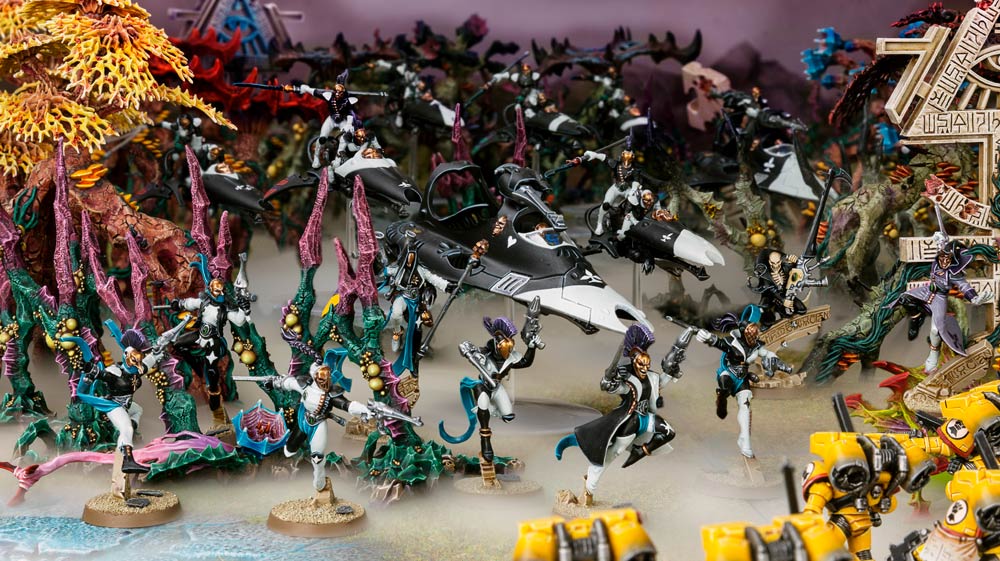
Harlequin infantry traits push aggression and tempo. Scouts movement, charging after advancing, and extra damage into monsters and vehicles all line up perfectly with Ghosts of the Webway play. These are the traits that turn a “cute” unit into a real plan.
Aspect Warrior traits are split by type, and that’s smart. Shooting Aspects can gain range, gain extra armor penetration at half range, or become harder to wound by heavier weapons. Melee Aspects get things like better survival in melee, charge reliability, and even a “can’t be targeted beyond 18 inches” style defensive trick. If you’re running Aspect Host, these traits compound fast, because your whole detachment plan is already built around clean trades and precise timing.
Crusade Relics: a small list with real personality
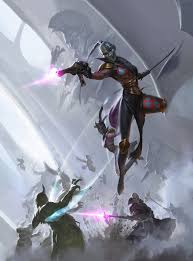
The Rune of Faolchú is a classic “mark a target, everyone hits harder” tool by improving armor penetration against a visible enemy unit. The Banner of Asuryan is pure momentum, giving you an extra Battle Focus token each battle round if the Autarch is present. Serpent’s Tail is a Harlequin fight-phase pressure piece that forces nearby enemies into battle-shock tests with a penalty. The Shimmerplume of Achillrial is the defensive Autarch relic, stacking hit and wound penalties against the bearer’s unit.
The Mask of Secrets is the mean one, because it can increase the CP cost of stratagems used on nearby enemy units. Kaela Mensha Shelwe is a legendary Asuryani blade that layers multiple anti keywords with devastating wounds and can heal the bearer after kills. And the Raiment of the Laughing God is the Harlequin dream, letting the unit charge after advancing or falling back and adding extra distance to those moves.
Summary
If you want your Aeldari Crusade force to feel unfair in the best way, build around tempo upgrades first. I love Banner of Asuryan in campaigns, because resource generation is what wins long seasons, not one big spike turn. I also love Rune of Faolchú paired with a shooting plan, because it turns “focus fire” into a reliable delete. Mask of Secrets is the relic that makes opponents play awkward, and that is a huge compliment in Crusade.
Kaela Mensha Shelwe is hilarious on a character who already wants to bully infantry and mounted units, because it turns “chip damage” into “please remove that model now.” Raiment of the Laughing God is pure Harlequin joy, especially when your detachment already supports relentless movement. On the battle trait side, free Smokescreen on vehicles is one of those upgrades that feels like cheating, because it saves CP while still blanking damage. And Guardians with better Overwatch become a real “don’t you dare” zone, which changes how opponents approach objectives.
The big lesson across all three parts is simple: Aeldari Crusade rewards planning more than brute force. If you align Guiding Fate, your agenda plan, and your upgrade path, your campaign will feel like a story you’re steering on purpose.