
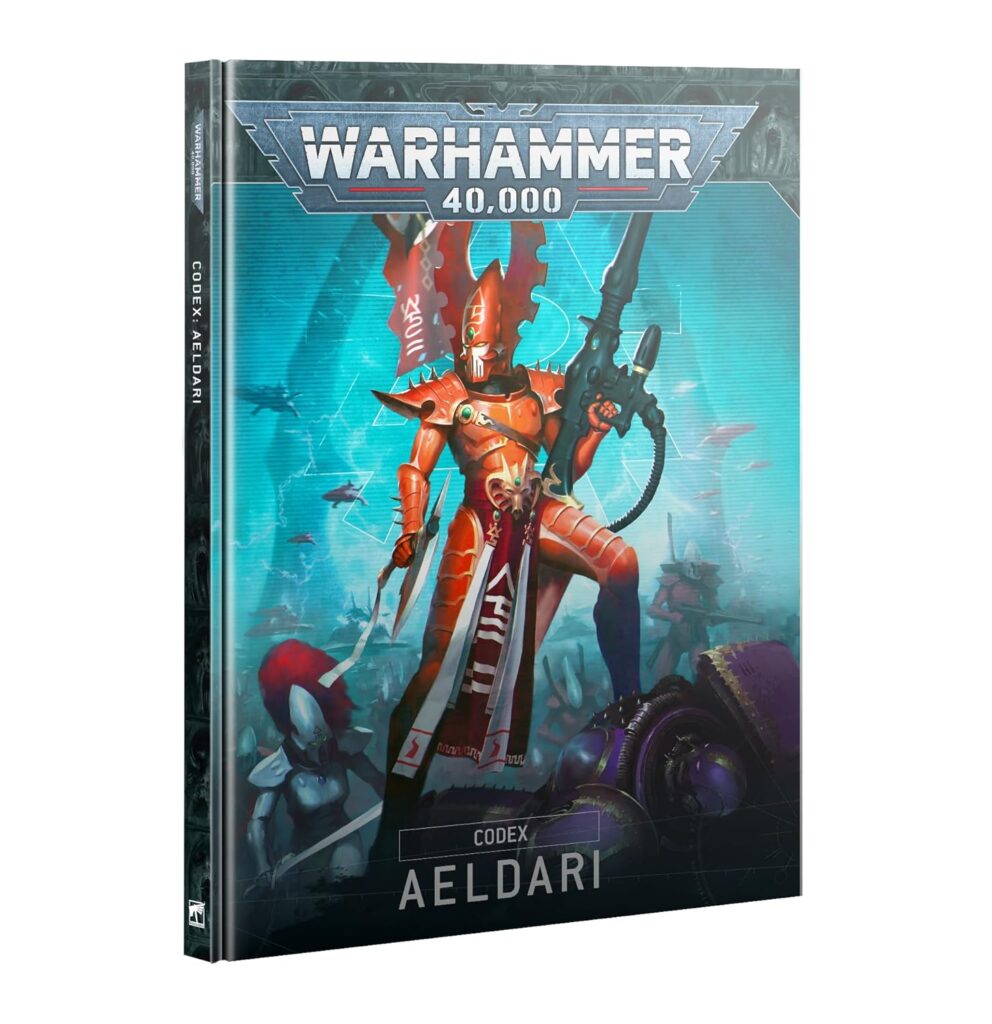
Aeldari don’t win Crusade by grinding XP, they win by choosing which future matters. This is Part 2 of the three-part series, and it covers the Crusade Agendas and Requisitions.
Since Part 1, and by now your group has probably learned that Threat rises faster than you think. This section is where you stop being reactive and start being deliberate. The agendas tell you how to score experience while nudging your campaign plan forward.
The requisitions are your steering wheel, because they let you swap Threads, pause disaster, and even “evolve” units in a very Aeldari way. I also like that these rules reward both careful play and bold play, depending on what you buy. And yes, this is the part where you start doing slightly unfair, very Eldar things on purpose.
Agendas: four clean playstyles that actually feel like Eldar
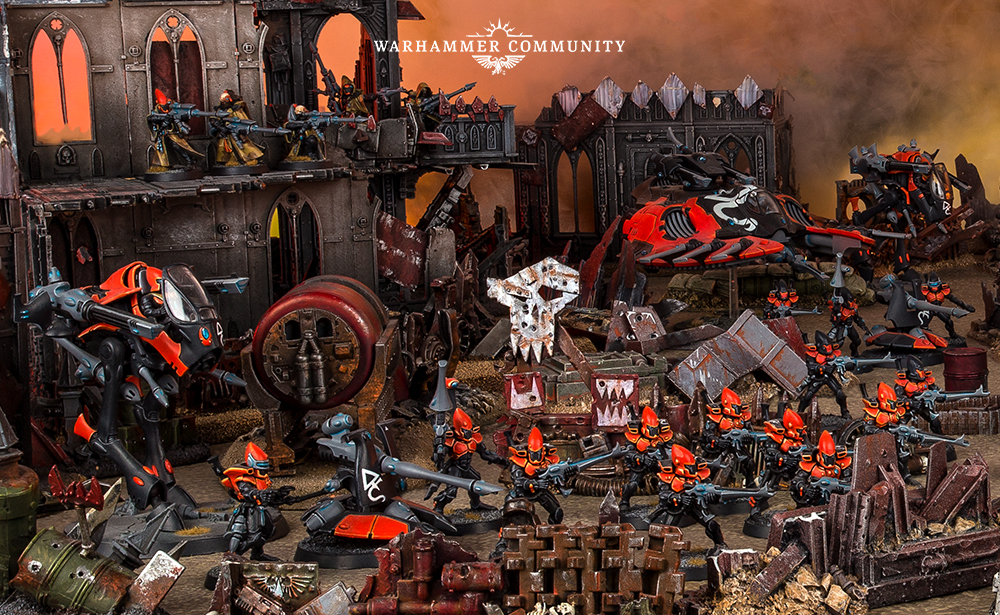
Fulcrum of Fate is the most important agenda in the packet, because it is how you attempt to end a Thread during a battle. You pick a Thread that hasn’t ended, its current stage applies, and if you complete it you end the Thread successfully and a surviving unit gains a chunk of XP. If you fail, the Thread advances, and that can be brutal if it was already Frayed. This agenda is easier to execute if your detachment has strong reposition tools, so Ghosts of the Webway and Windrider Host feel great here.
Eldritch Supremacy is the Psyker leveling engine. Psyker units track a tally for kills with psychic attacks, then gain XP based on how high the tally goes. This slots naturally into Seer Council and Spirit Conclave builds, and it also rewards you for focusing psychic fire to finish units rather than sprinkling damage.
Few in Number is the “protect what matters” agenda. You pick up to three Aeldari units, and they gain XP if they survive and actually contribute by killing something, with a bigger reward if they are also not below half-strength. This is great for elite Aspect units you want to keep alive, and it pairs well with detachments that defend key pieces, like Guardian Battlehost holding ground while your specialists do the work.
Evasive Warfare is the board-control agenda. It cares about battlefield corners being “encircled,” and it rewards units positioned to lock that down. Windrider Host makes this feel trivial in some missions, and Ghosts of the Webway can cheat positioning in the late game when opponents think the corners are safe.
Requisitions: the tools that make Guiding Fate survivable
Consult the Runes is your draft fix. When you begin Guiding Fate and generate Threads, this lets you swap one Thread for a different random one that wasn’t selected. It’s a great buy if you rolled a Thread you know your current roster cannot execute.
Burned Futures is the emergency brake. After a battle while Guiding Fate is active, your Threat does not increase, and any Threads that would advance or fail simply do not. I buy this after a messy game where the mission or matchup made Thread play unrealistic.
Spiritual Necromancy is the most Aeldari thing possible. If an Asuryani infantry unit would gain its second or later battle scar, you can remove it and replace it with a Wraith Construct unit that keeps the XP and honours pace. If you’re running Wraiths of the Void, this is a dream, because it turns campaign attrition into a theme.
Paths of the Aeldari lets you swap one non-character, non-wraith Asuryani infantry unit into a different infantry unit, keeping XP and honours, and potentially keeping Path of the Warrior momentum. This is your “Storm Guardians became something else” story button, and it pairs brilliantly with Aspect Host.
Court of the Young King lets you bring in the Avatar of Khaine during Guiding Fate by giving an Aspect Warriors unit a battle scar, and the Avatar does not count toward your supply used. This is a wild narrative lever, and it’s also a very real gameplay spike.
Manifest the Yncarne lets you add the Yncarne after a loss if you have Yvraine and you are Guiding Fate, again without it counting toward supply used, but only while Guiding Fate lasts. This is Devoted of Ynnead’s favorite kind of drama.
Closing:

This section is where Aeldari Crusade stops being a timer and becomes a toolkit. I like that you can build “safe” plans around Few in Number, or “high skill” plans around Fulcrum of Fate and Evasive Warfare. I also like that Eldritch Supremacy actually rewards finishing with psychic attacks, which feels right for Seer-led warhosts. Burned Futures is the Requisition I call “buy yourself a week,” and it saves campaigns that would otherwise spiral. Consult the Runes is what you buy when you know your group’s terrain and missions will make one Thread miserable. Spiritual Necromancy is one of the best narrative-to-mechanics conversions in 10th, because it turns tragedy into a Wraithblade problem.
Paths of the Aeldari is also quietly powerful, because it lets your roster evolve with your detachment choices as the campaign meta shifts. And Court of the Young King is the kind of rule that creates stories even when the dice hate you. In Part 3, we’ll talk about the long-term upgrades that make opponents groan before deployment: battle traits and Crusade relics.