
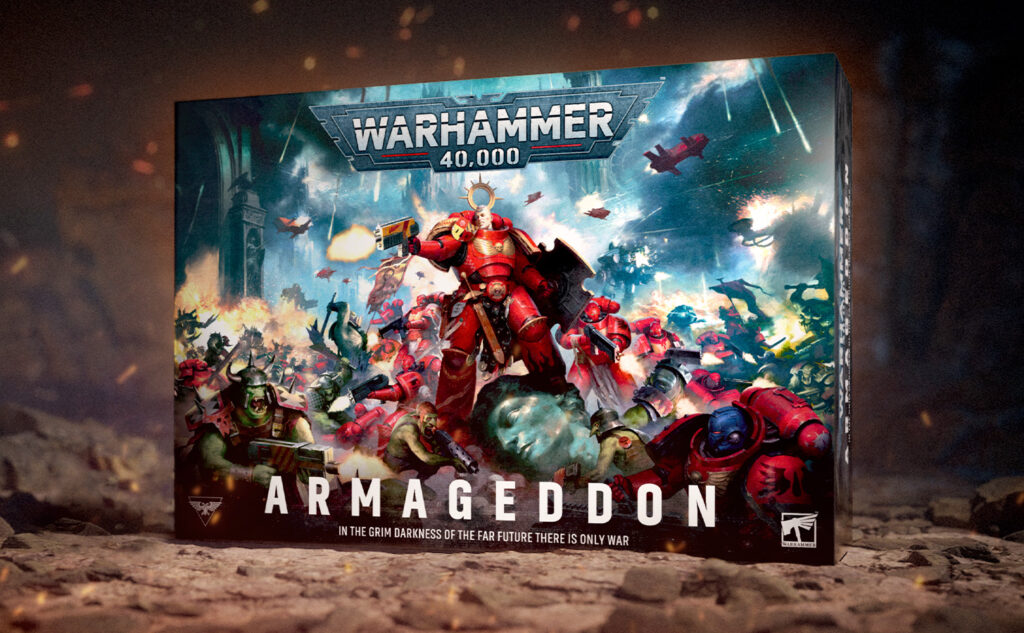
Today’s set of Warhammer Community news articles explains how the New 40K edition should actually play, while another revisits the Death Guard at their bitter, pre-plague roots.
Meanwhile, the Sylvaneth piece shows a force built to squat on sacred ground and dare you forward. So, together, these reads hit rules, lore, and army fantasy all at once.
#New40k – Your Queries Answered
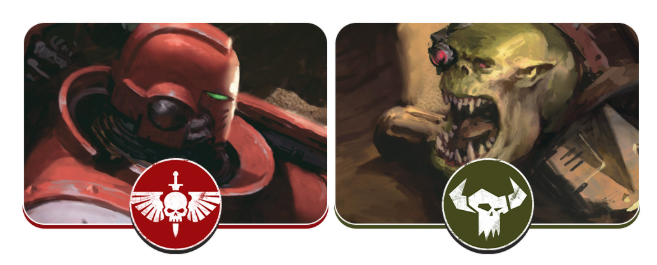
The biggest article here is easily the new 40K FAQ, because it is doing real cleanup after the edition reveal. Right away, it confirms the launch box, Warhammer 40,000: Armageddon, brings Space Marines and Orks, while also stressing that the Space Marine models are chapter-neutral. So, Blood Angels on the preview art do not lock anyone into red armour.
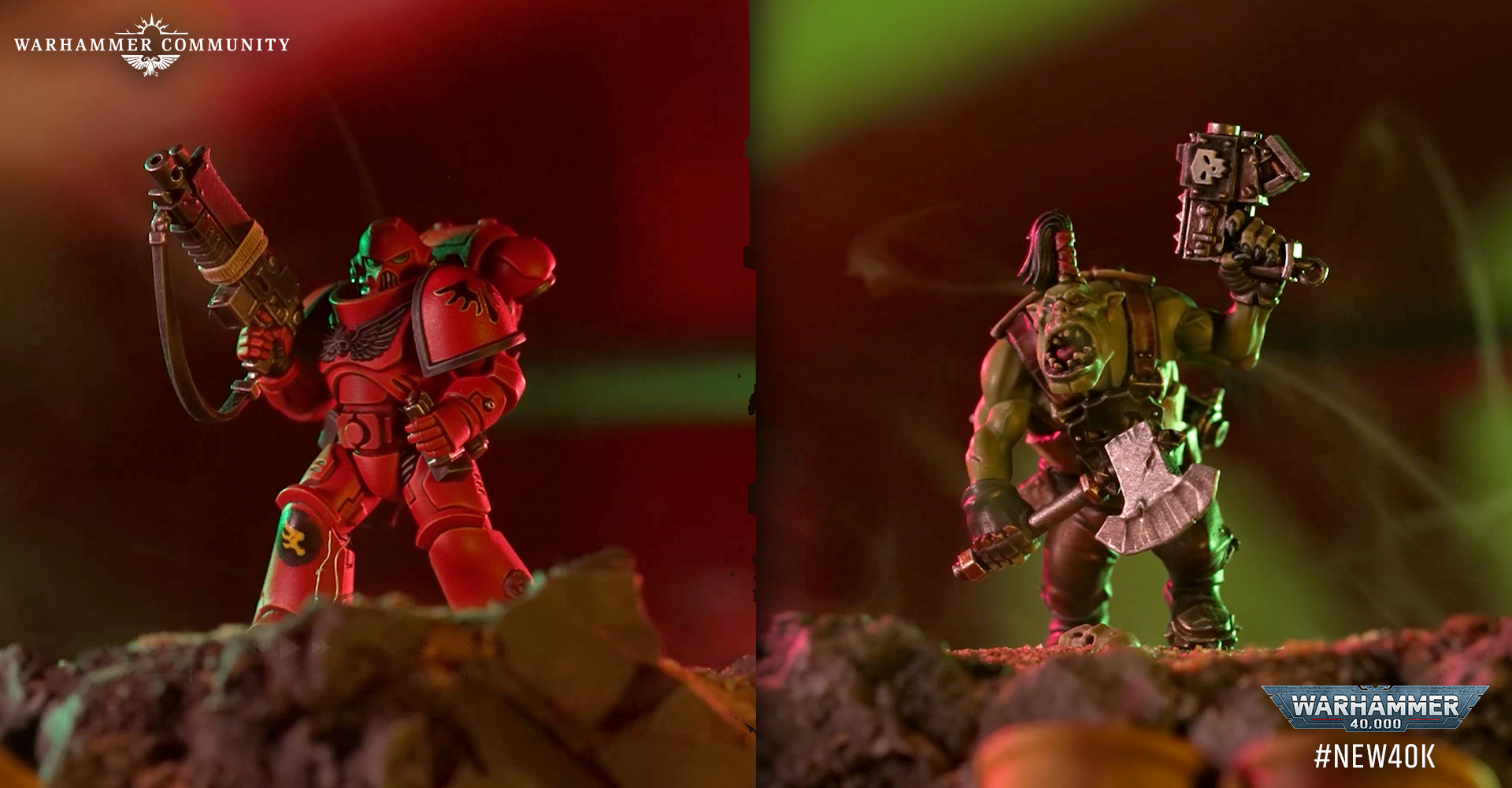
Likewise, Orks stay green, though clan identity still remains wide open. However, the more important material is the rules framing. Games Workshop says the new edition aims for a unified experience, which means open, matched, and narrative play should feel less like separate games. Instead, every battle is supposed to feel cinematic, balanced, and driven by a proper mission story.
Your current codex still works, and most datasheets stay broadly familiar, which is a huge relief for anyone staring at a shelf full of books. Meanwhile, detachments are getting a major shake-up, with more than 70 available at launch. Larger armies can combine several smaller specialist detachments, or lean into one bigger umbrella choice.
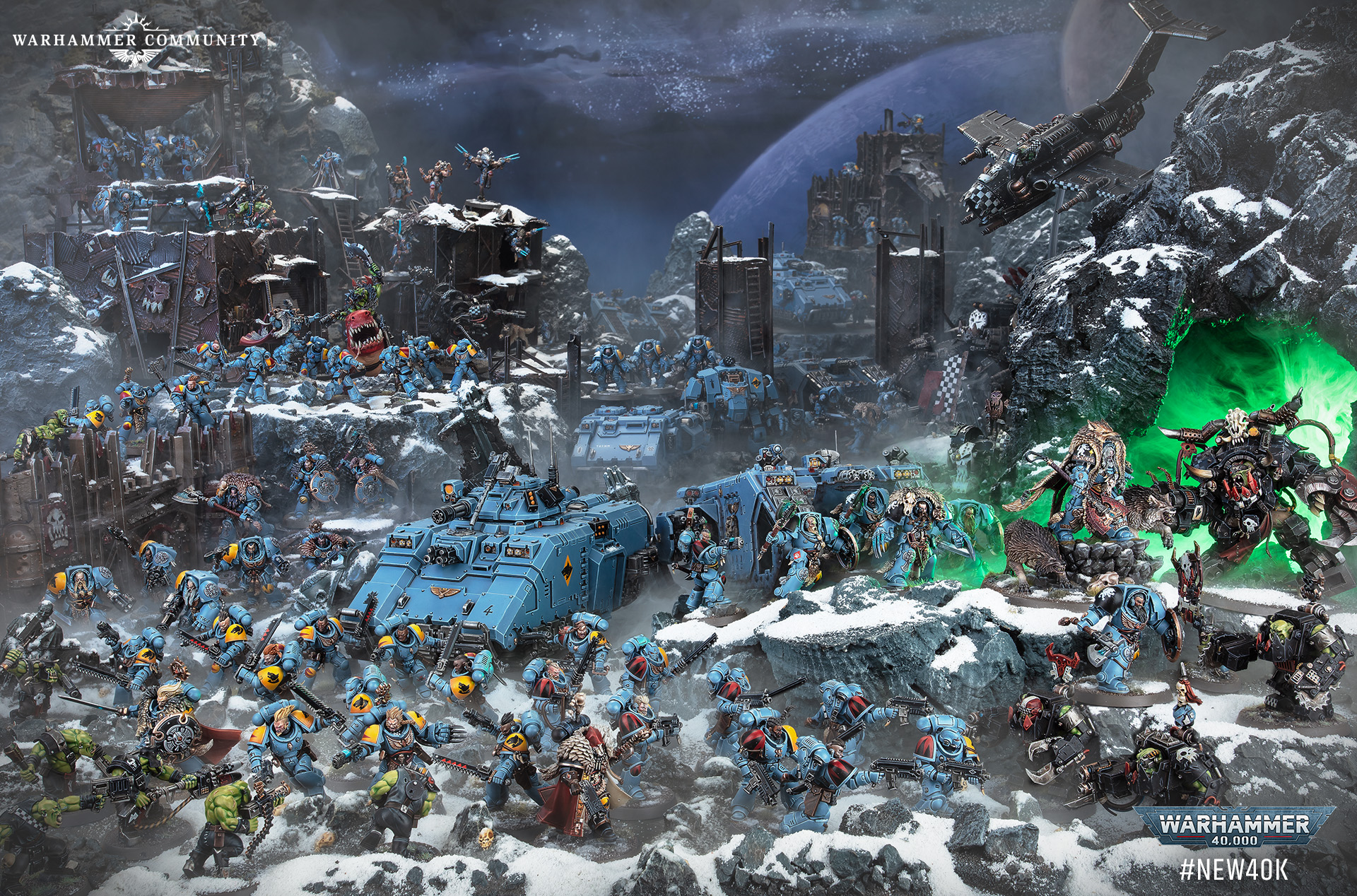
That is a smart move, because it sounds like list design is opening up without ripping up your collection. Missions also tie harder into army selection, so armies score by doing what they are actually built to do. Hold-ground forces get rewarded for holding ground. Kill-focused armies score through sheer carnage. Characters also keep their best abilities after a bodyguard unit dies, which should stop too many heroes from turning into expensive passengers. Then there is the battlefield itself. Circular objective markers are gone, and terrain pieces now matter far more directly.
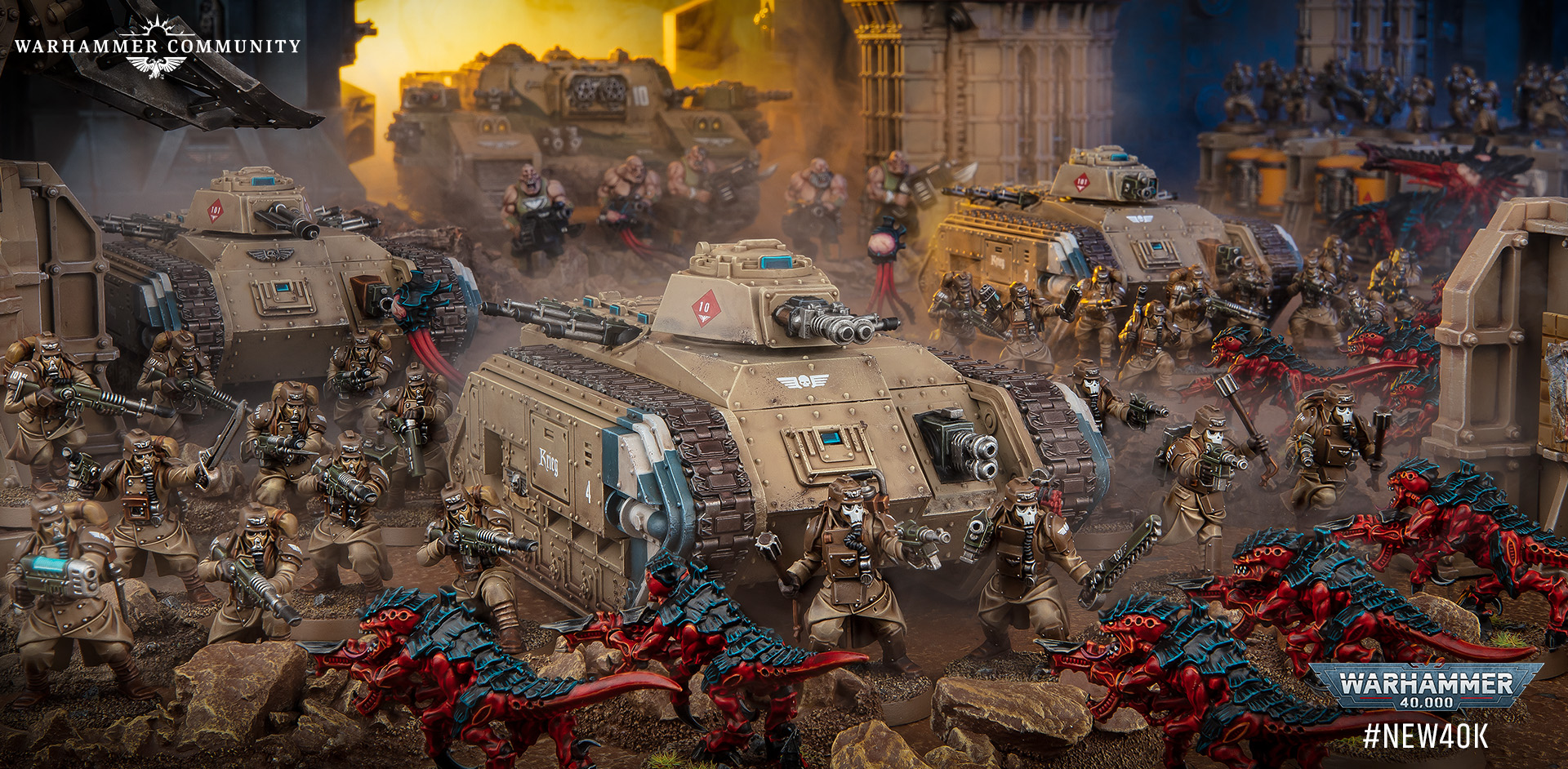
Moreover, hiding units is easier, which should help reduce first-turn blowouts. Stratagem stacking on one unit is also gone, which feels like a healthy brake on nonsense.
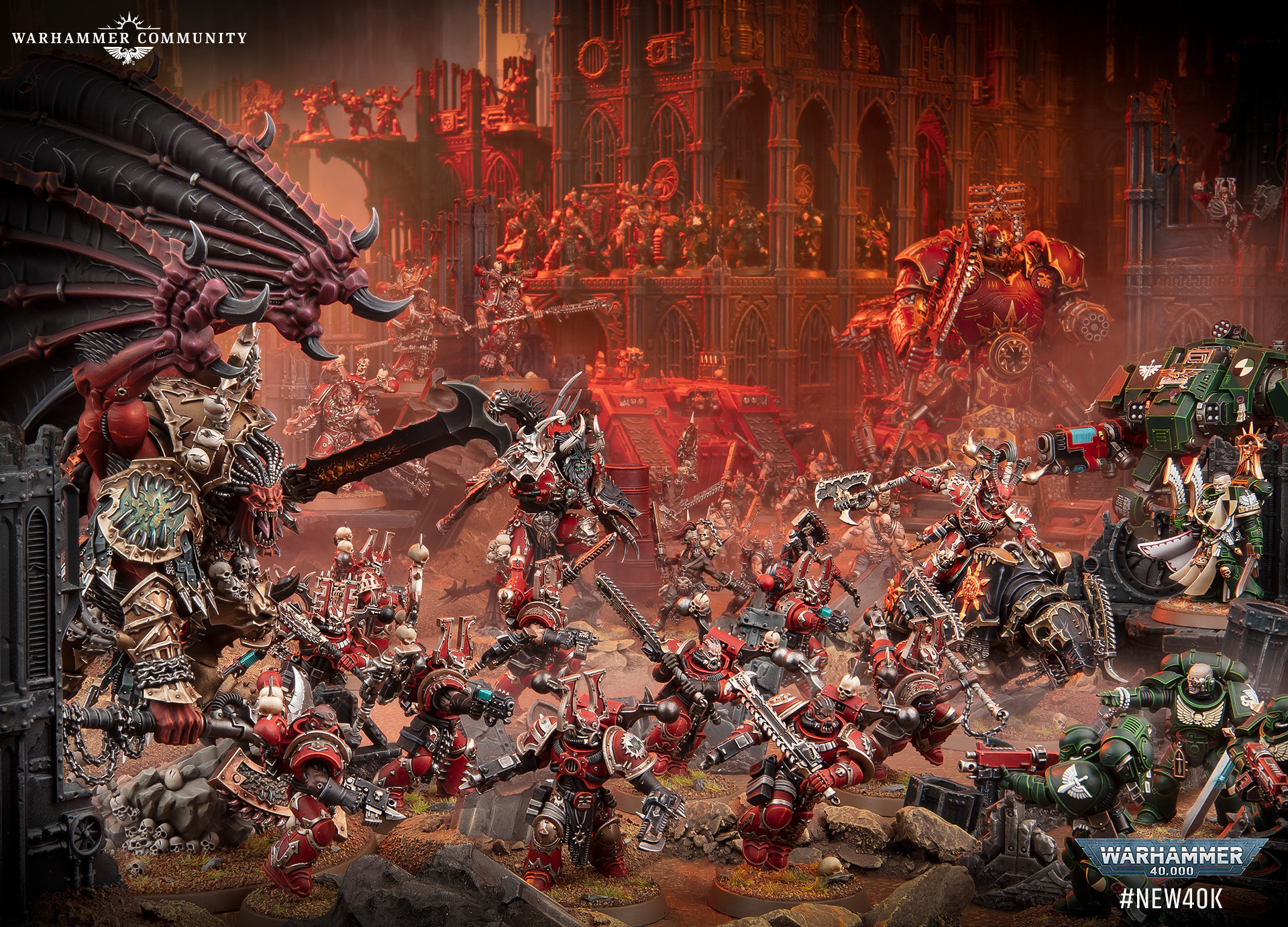
Combat gets several tune-ups too, including changed activation, faster wound assignment, altered pile-in and consolidation timing, and charge targeting after the roll. In some cases, units can even disembark straight into combat. That is the sort of rule that melee players will love instantly.
The app also gets in-game scoring, opponent datasheet access, and wider language support. So, this article does exactly what it needs to do. It calms nerves, clarifies direction, and starts selling the new edition as refinement rather than demolition.
Pages from the Black Books – The Death Guard
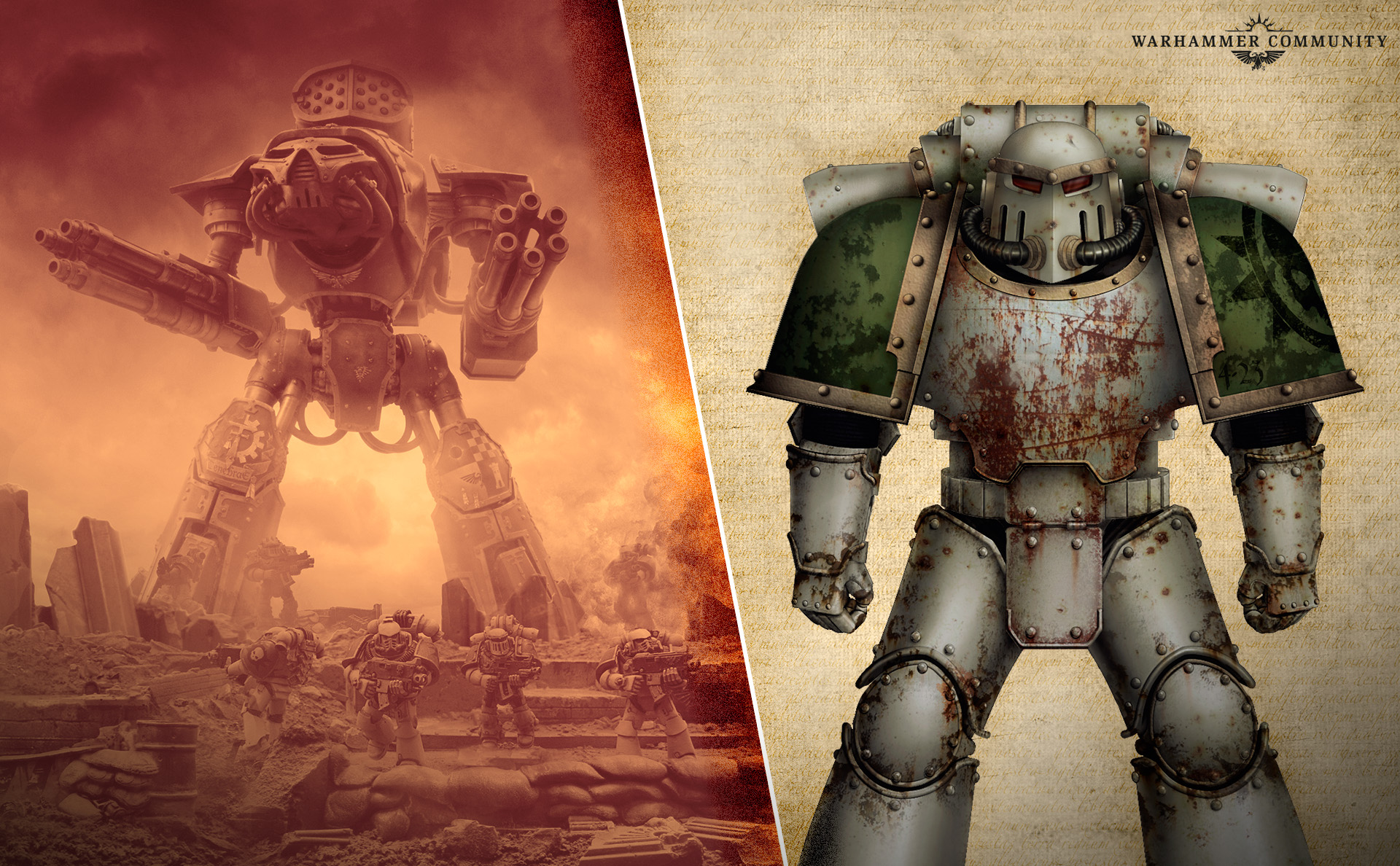
The Death Guard article is much shorter, though it still lands because the source material is doing the heavy lifting. It frames this week’s extract as a return to Book One: Betrayal, which is still one of the foundational Horus Heresy texts. Moreover, it gives the clean, brutal outline of the legion’s early identity.
The Death Guard began on Terra as the Dusk Raiders, before being remade under Mortarion after his discovery on Barbarus. From there, the article leans into what made them distinct long before Nurgle got his claws in. These were relentless, durable legionaries who were repeatedly handed the worst jobs. Consequently, bitterness and resentment built up over time, which made Horus’ rebellion easier to sell. That is a very Death Guard tragedy. They were not seduced by glamour. Instead, they were worn down by thankless duty and weaponised grievance. The article then jumps straight to Isstvan III, where they were ready to purge their own loyalists.
It also points out that one Death Guard captain in orbit would go on to matter enormously to the wider war, which is a neat nod toward The Flight of the Eisenstein. Finally, it pivots back to hobby encouragement by recommending MkIII armour as a natural starting point for a Death Guard force, which fits perfectly with the legion’s fondness for so-called Iron armour. So, even as a small article, it does a solid job of reminding you why the XIV Legion always felt grim, stubborn, and ominous before they ever became bloated plague monsters.
Sylvaneth Rules – Guarding Groves with a New Army of Renown
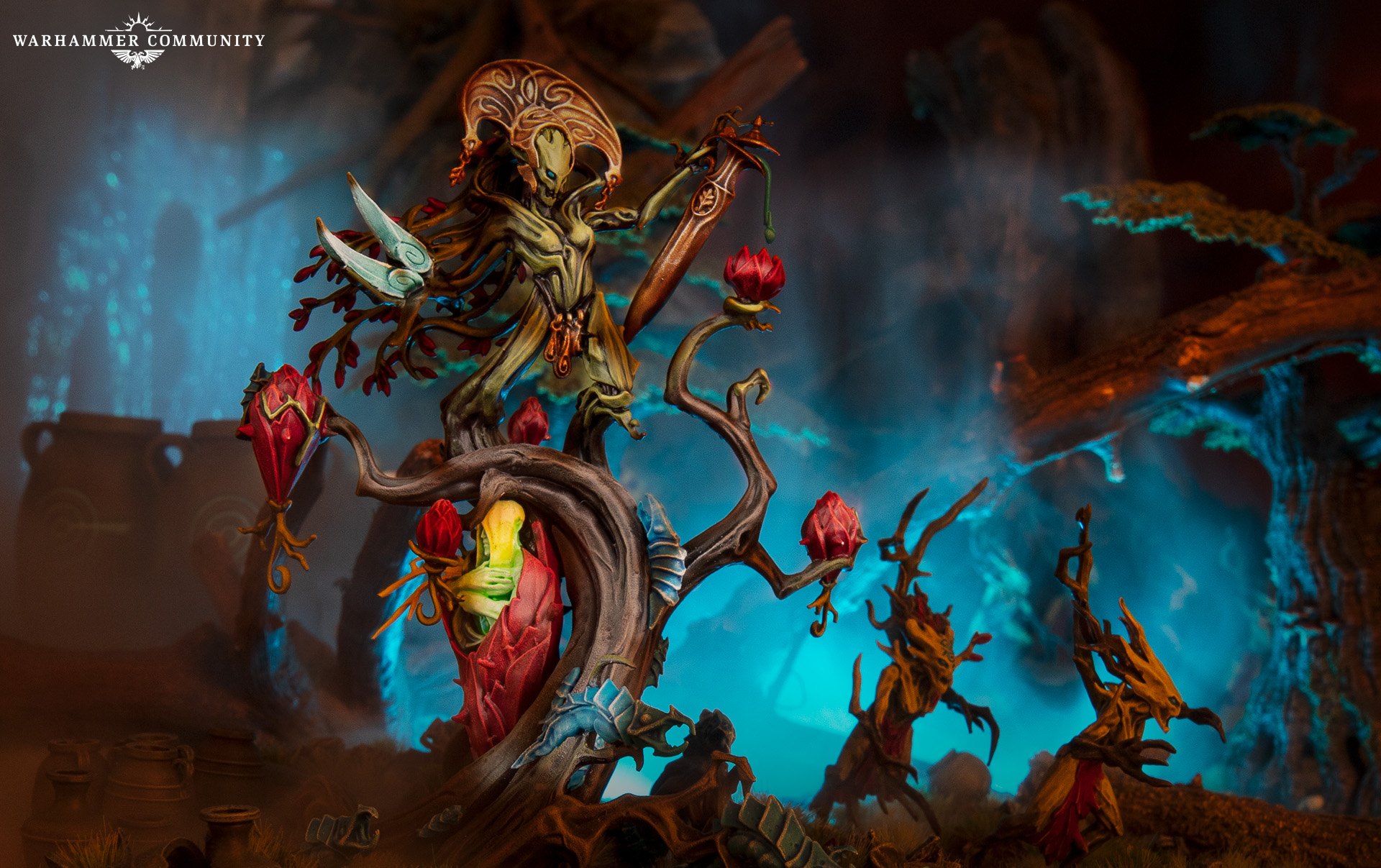
The Sylvaneth article is short too, though it is much denser on actual tabletop payoff. The focus is the Grove Guardian and the Soulpod Guardians Army of Renown, and both lean hard into the idea of sacred woodland defense. First, the Grove Guardian is framed as best alongside Revenants and tree-spirits, which already pushes the army toward a narrow, thematic core.
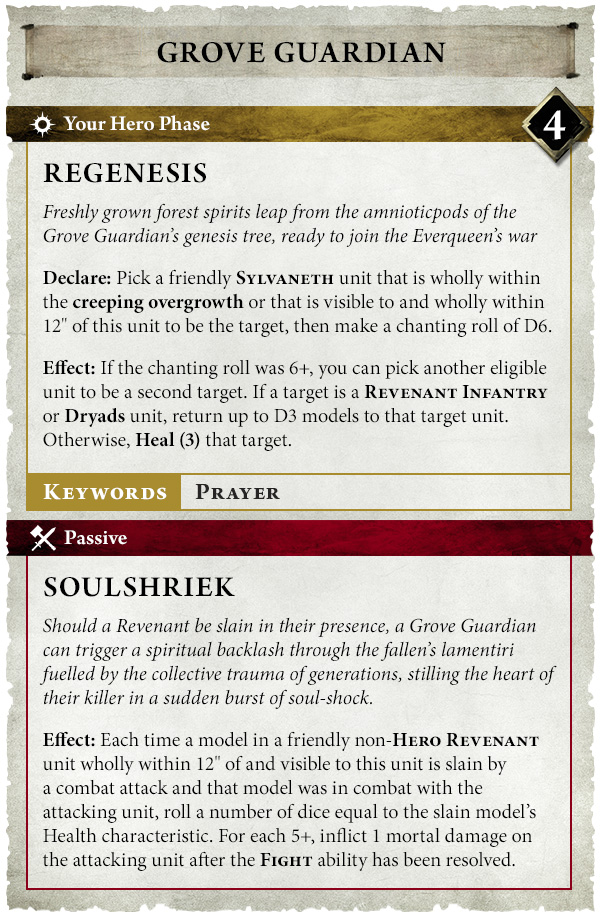
Moreover, as a Priest, she can chant Regenesis to heal allies or return D3 models to Revenant Infantry and Dryads. On a strong chanting roll, she can affect a second target too. That alone gives the army a sticky, restorative feel. However, the flashier hook is Soulshriek.
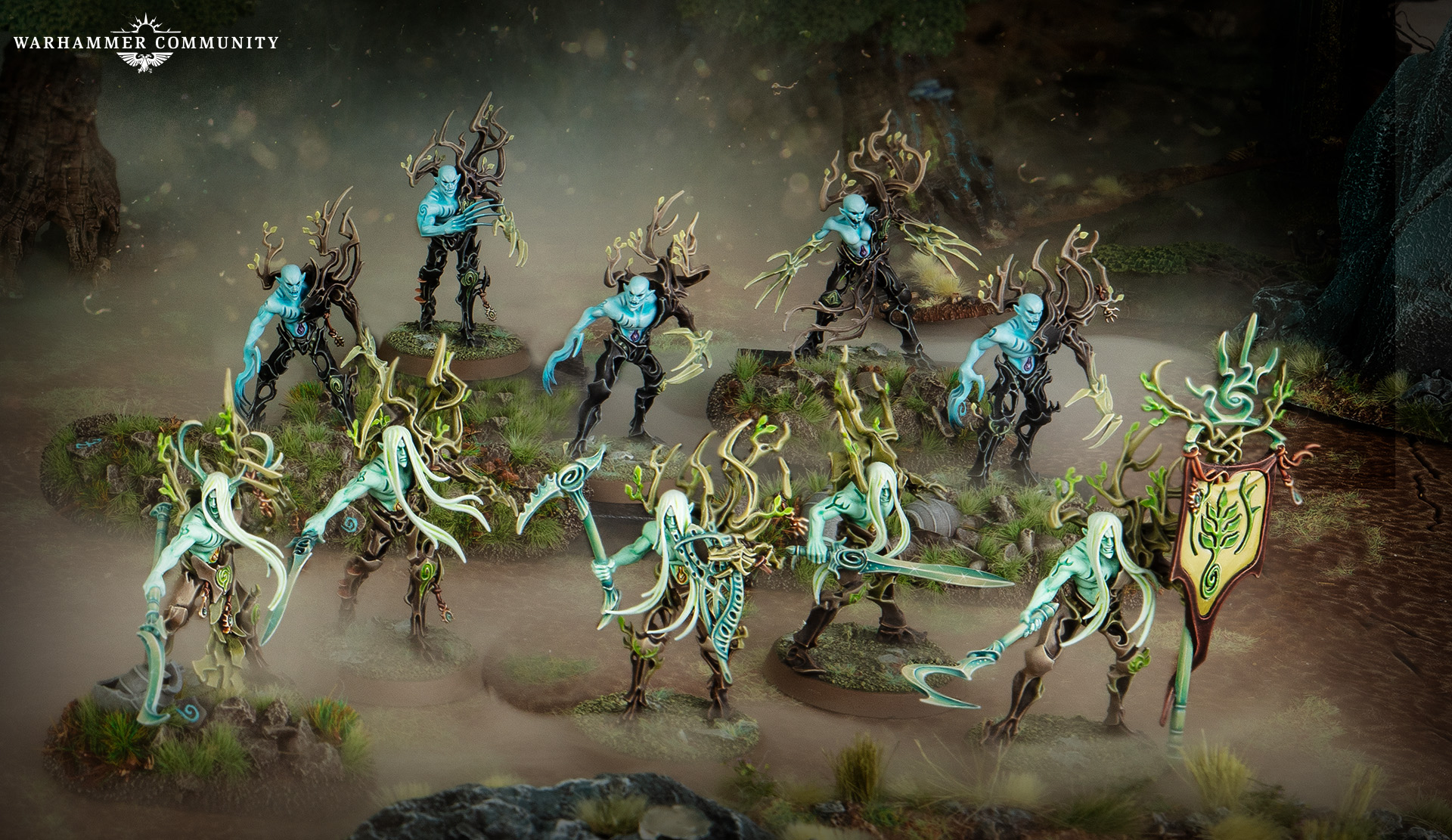
When nearby allies die, she can lash back, and the article notes that the effect scales with the slain warrior’s Health. So, basic Revenants can fuel it, but Spiterider Lancers really supercharge the scream. The Army of Renown then narrows the roster further to Grove Guardians, Branchwyches, and Revenant units, while asking you to build and defend a Soulpod Grove from Awakened Wyldwoods. Once that grove is active,
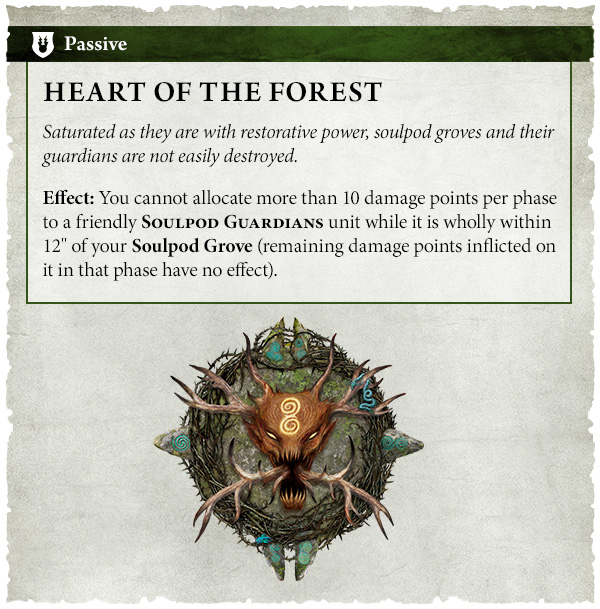
Heart of the Forest makes your force extremely hard to burst down, because units wholly within 12 inches of it cannot take more than 10 damage in a phase. That is a huge rule, especially into high-damage armies like Sons of Behemat.
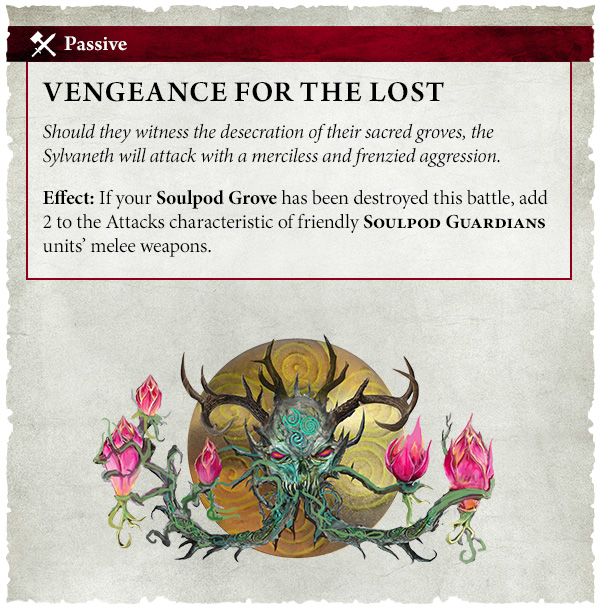
Then the army gets a nasty backup plan. If the grove is destroyed, Vengeance for the Lost kicks in and adds two attacks to every Soulpod Guardians melee weapon. So, either your opponent fails to break the grove, or they break it and get mobbed by furious murder-trees. That is excellent army writing. It creates a clear objective, a clear weakness, and a very nasty punishment.
Final Thoughts
Taken together, these articles hit three very different Warhammer pleasures. The 40K FAQ is practical and reassuring. The Death Guard piece is compact, though rich with old Heresy atmosphere. Meanwhile, the Sylvaneth rules preview is a tight slice of pure army identity. Consequently, this whole set works well because nothing here feels generic. Each article knows exactly what fantasy it is trying to sell.