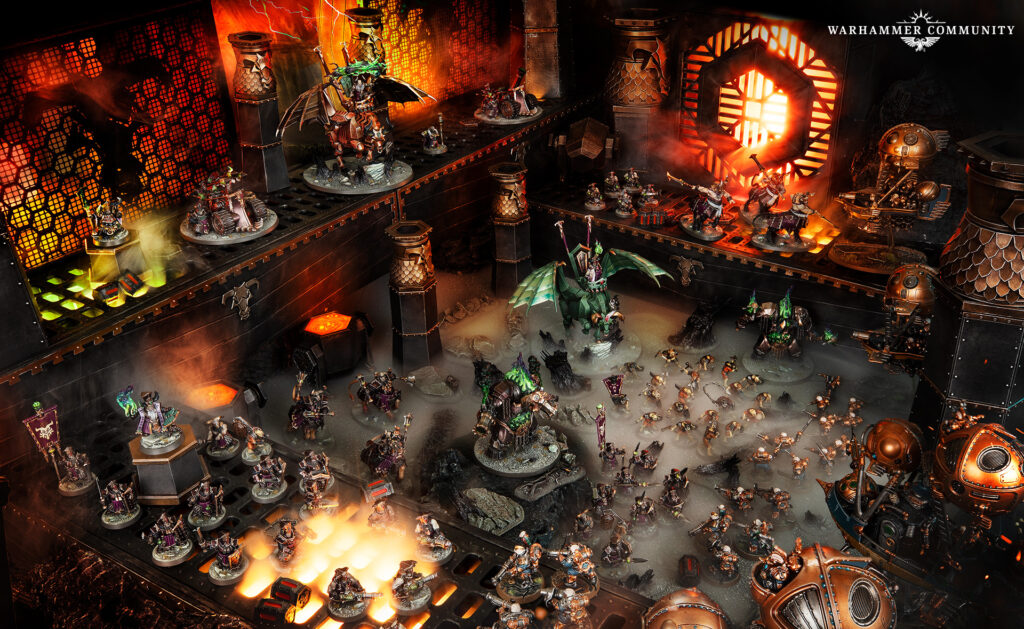
If you are a fan of Age of Sigmar, the Helsmiths of Hashut are a range you absolutely need to see.
These duardin aren’t your typical hammer-swinging dwarves; they embody a dark fusion of craftsmanship, cruelty, and Chaos devotion. From the Infernal Cohorts to the towering Dominator Engines, every miniature is dripping with narrative potential and tactical menace. Today we dive into the thought process behind their design, the symbolic choices in weaponry, and how the ’Eavy Metal team brought their infernal ambition to life. This is a closer look at what makes these models both horrifying and visually arresting for players and collectors alike.
Blades, Hammers, and the Philosophy of Pain
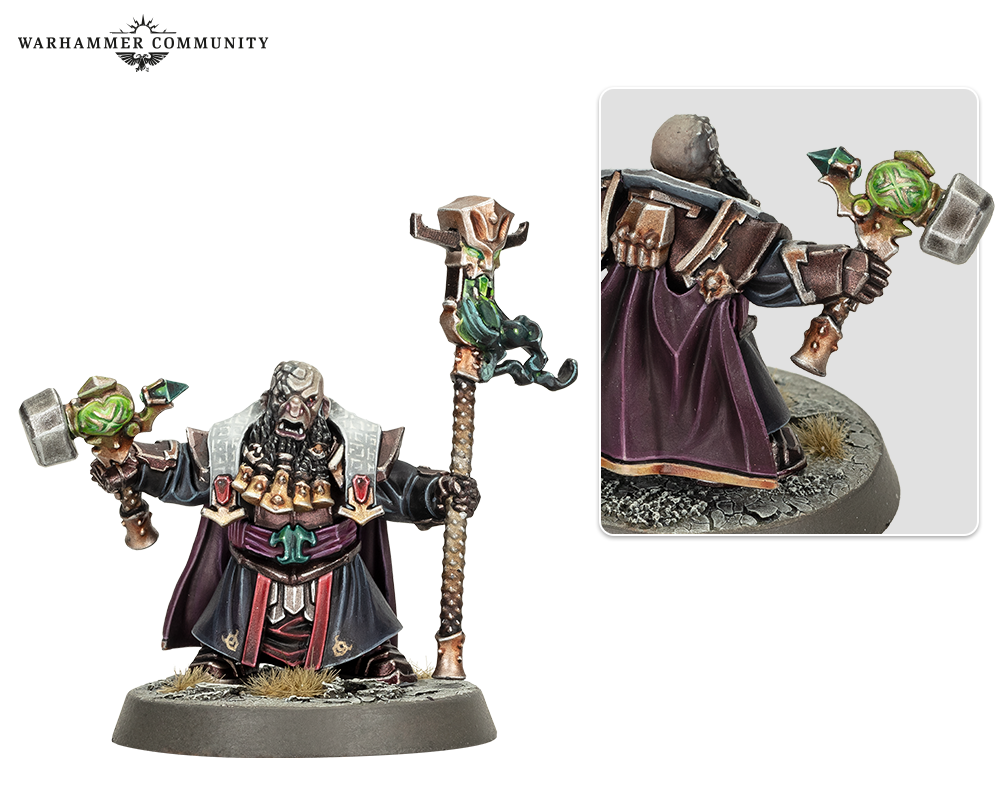
The Infernal Cohorts go to war with blades instead of hammers, a deliberate choice by the creative team. As Martin, Miniatures Creative Lead, explains, the Helsmiths want to cause suffering when they fight, not just crush their enemies. Jordan, the background writer, clarifies that the Ashen Elder is the only Helsmith who wields a hammer, reflecting Hashut’s dual nature. Hammers are crude tools of labor, while swords and spears embody precision and controlled cruelty. This mirrors their philosophy: inflict misery, prolong agony, and dominate the battlefield not through brute force alone, but through psychological torment.
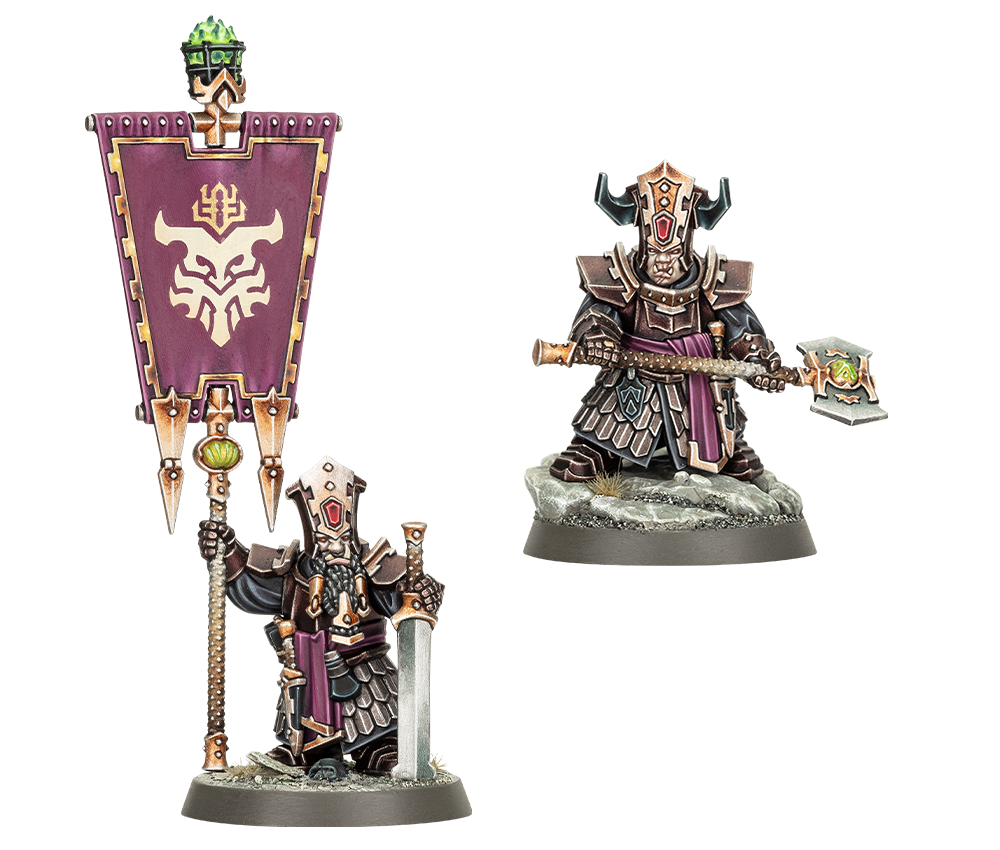
Matt, the rules writer, points out that their campaigns are wasteful yet ruthlessly effective. The Helsmiths extract vast resources and lay waste to the land to achieve precise, often minor objectives. Pain is a tool as much as a weapon, and their battle plans emphasize misery alongside conquest. Even the hobgrots, their subservient minions, are merely resources to be exploited for greater ends. The models and sculpting reflect this philosophy in every detail, from weapon choice to unit composition.
Infernal Taurus and the Art of Living Statues
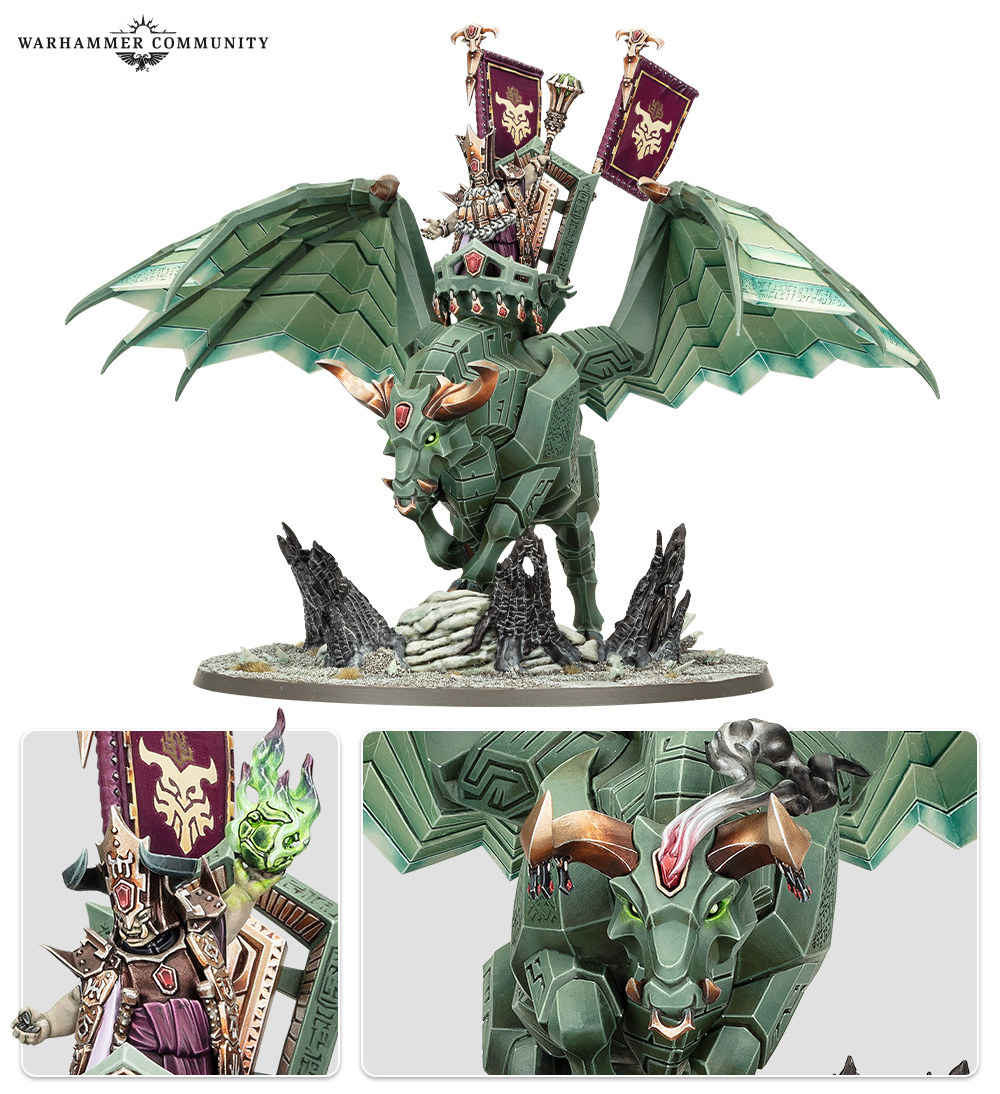
The Infernal Taurus stands out as the ultimate expression of a Helsmith’s craftsmanship. This animated effigy functions as both a war machine and a monster, a rare combination in Age of Sigmar. Martin and Max highlight that these constructs are works of art imbued with magic, adorned with carvings and runes, and capable of being painted in various materials.
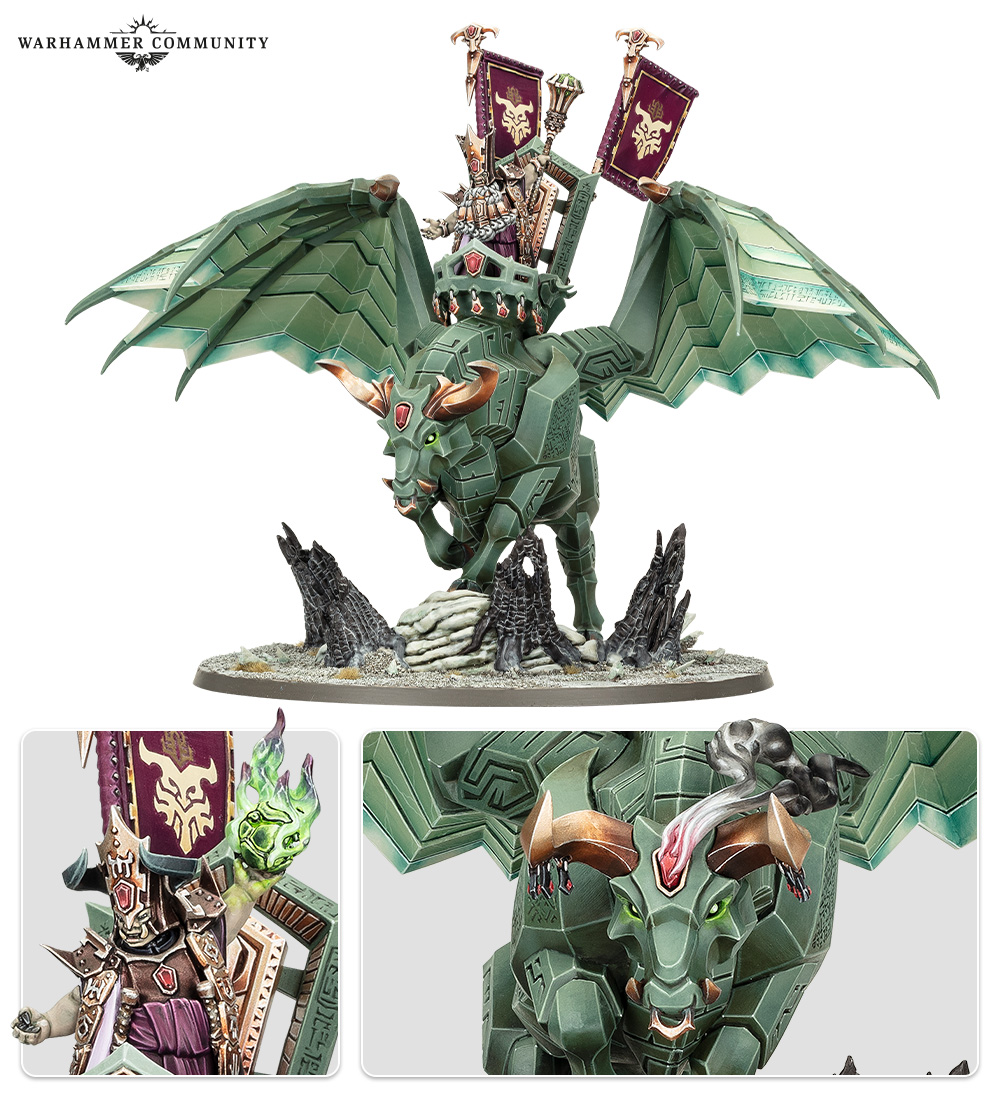
Brassy metals, jade stone, or other finishes give each ziggurat or battlefield setting a unique identity. Jordan adds that the Taurus is less about acknowledging external strength and more about expressing the Helsmiths’ dominion over creation itself. The statue becomes alive, yet it is still under their absolute control, showcasing the twisted genius of these Chaos-aligned duardin.
Dominator Engines and Industrial Majesty
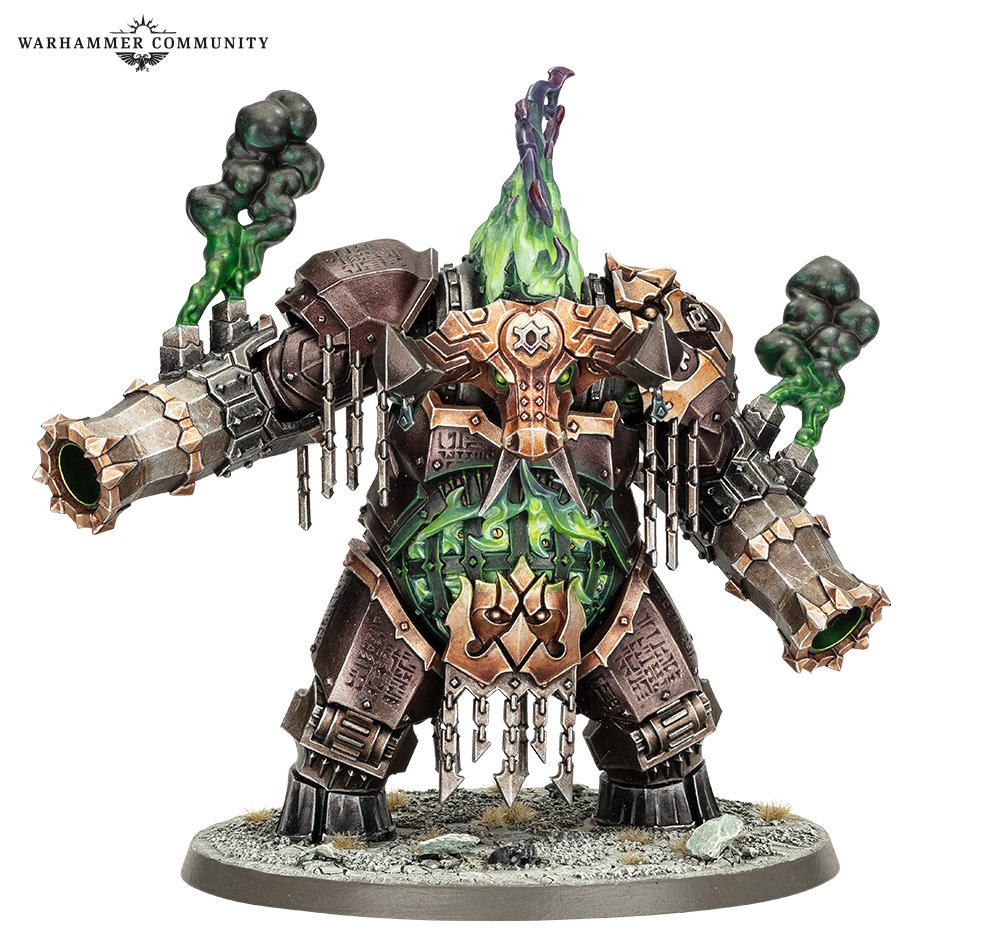
The Dominator Engines take the industrial aesthetic to a terrifying new level. Martin and Sam explain that these bipedal effigies of Hashut allow the team to embody the infernal forges described in the battletome. Daemons bound to furnaces literally animate these machines, letting players visualize a walking factory across the battlefield.

Rigid geometric shapes, plumes of chaotic flame, and furnace motifs reinforce the sense of controlled power. Jordan notes that these machines cannot fully contain the energies they harness, hinting at a dangerous volatility that mirrors the Helsmiths’ obsessive approach to power.
Bull Imagery and Shape Language
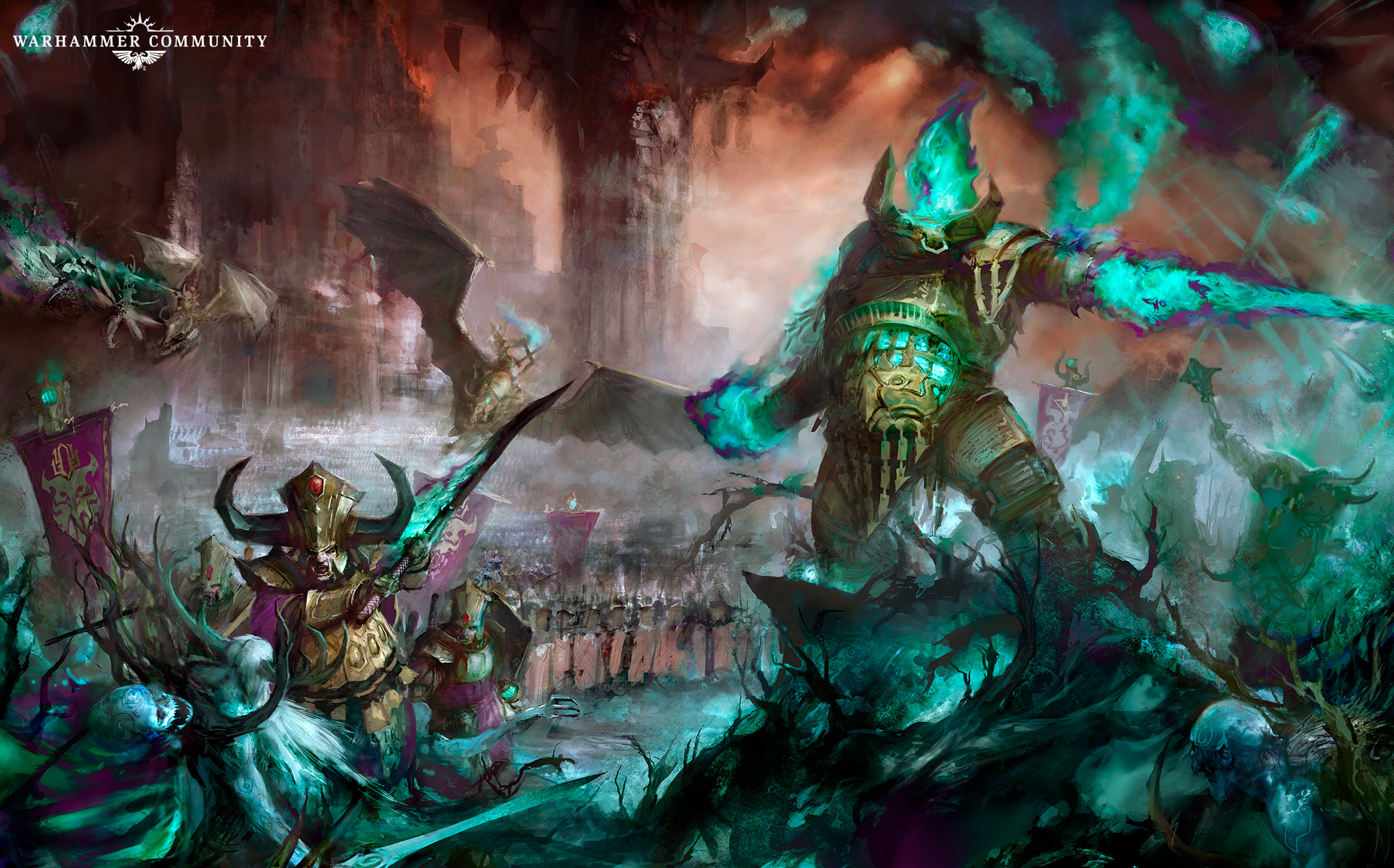
Bulls and ancestors dominate the visual language of the Helsmiths. The Taurus, Bull Centaurs, and Anointed Sentinels all showcase horns, rigid forms, and ancestral motifs to reinforce divine and martial authority. Max explains that the banners, angular forms, and mechanical shapes create a sense of discipline and inevitability. Even the Anointed Sentinels’ shaved chests and tattooed bodies reflect ceremonial practices aligned with Hashut’s aesthetic.
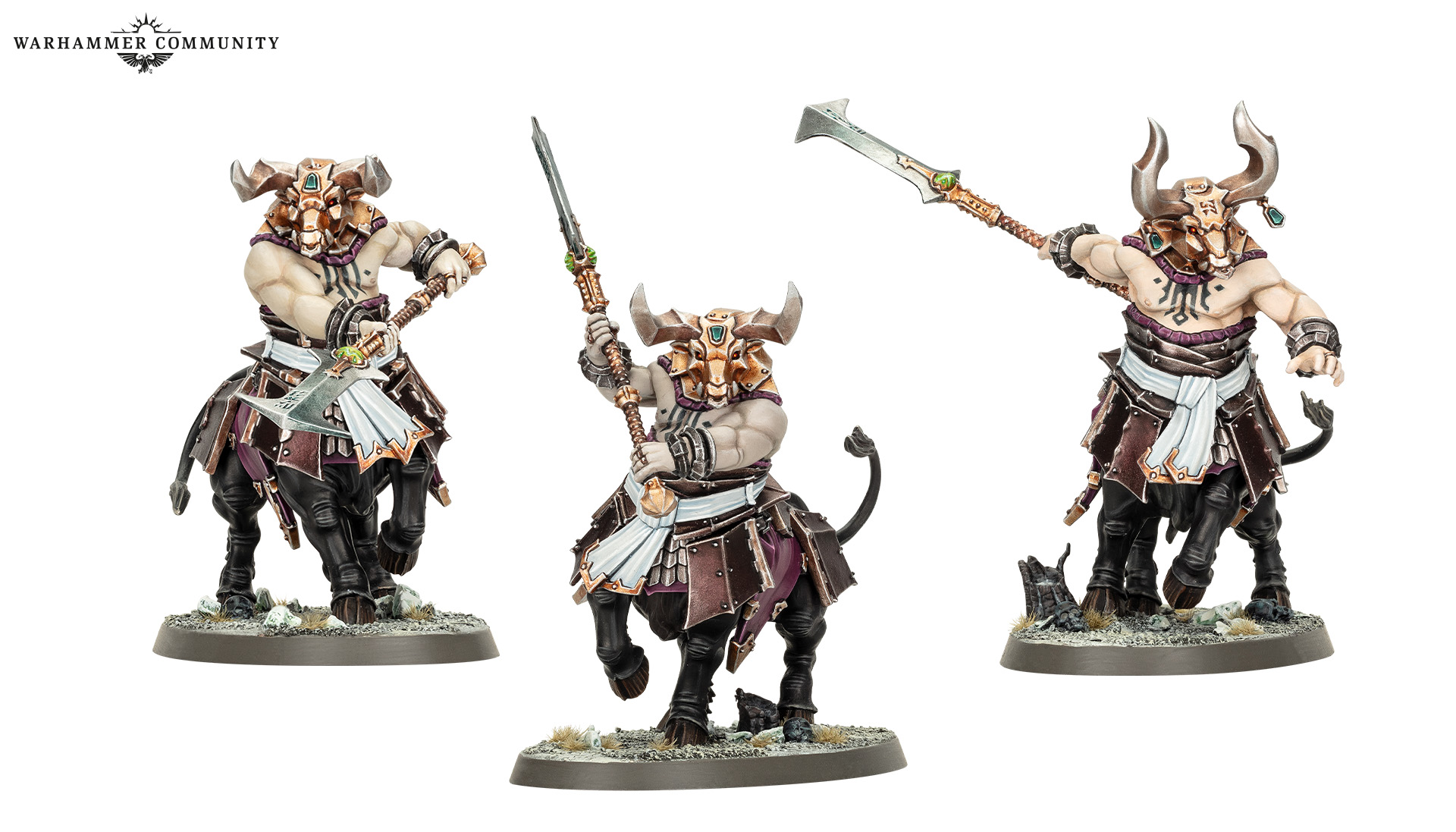
Martin emphasizes that while horns were tempting to overuse, they reserved them for the most sacred, divine-associated units to maintain narrative weight.
Hobgrots: Subservience and Subtlety
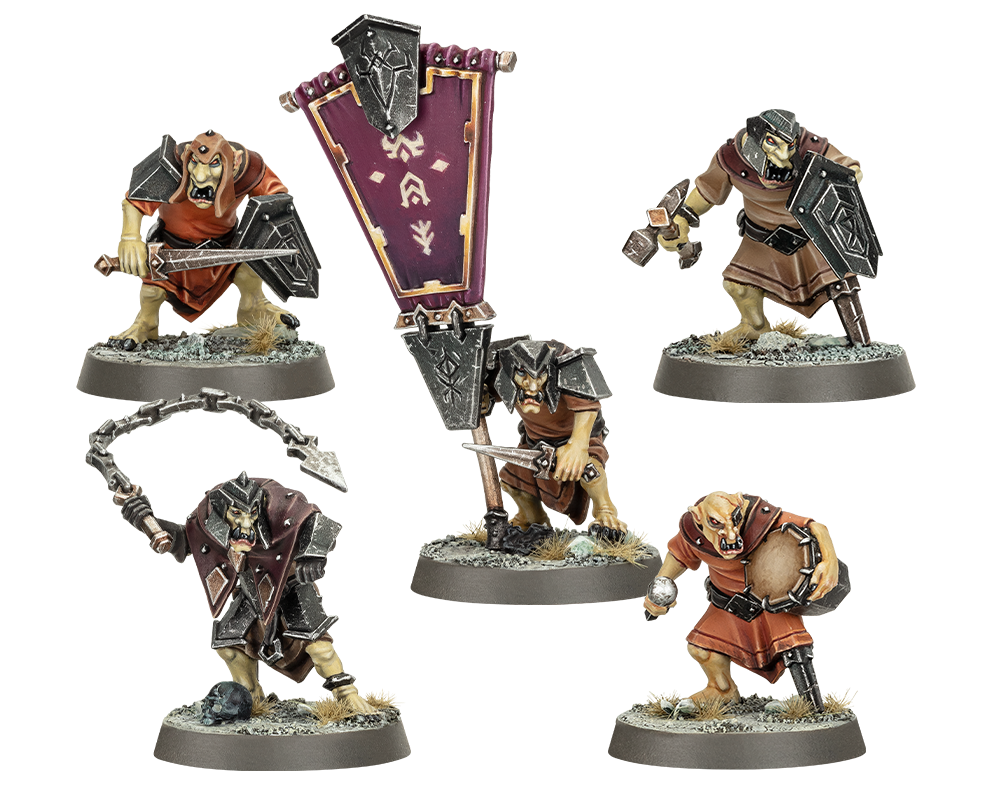
Not every model is a hulking statue or blazing war machine. The hobgrots are cunning and resourceful, borrowing elements from Hobgoblins, Slittaz, and Helsmith visual language. Their weapons serve dual purposes: tools for labor when not fighting and instruments of cruelty when in battle. Jordan notes that the Vandalz hobgrots are fully subservient, experiencing the benefits of their masters’ protection alongside harsh discipline. Even their runes and gear bear the marks of their own ingenuity, though always in service to Hashut and the Helsmiths’ grand designs.
Final Thoughts: A Dark, Cohesive Vision
Every Helsmith model embodies the duality of creation and destruction. From their blades and torturous combat philosophy to the infernal Taurus and Dominator Engines, the range captures the twisted genius of Hashut’s followers. Max and Jordan highlight the obsession with perfection, whether it’s razing a forest to power a forge or animating a statue with magic. This obsessive attention to detail, combined with the visual language of bulls, ancestors, and geometric precision, makes the Helsmiths of Hashut a standout range for players who love both strategy and lore depth. They are cruel, cunning, and visually captivating, perfect for anyone who wants their duardin dark, dangerous, and unforgettable.
And remember, Frontline Gaming sells gaming products at a discount, every day in their webcart!