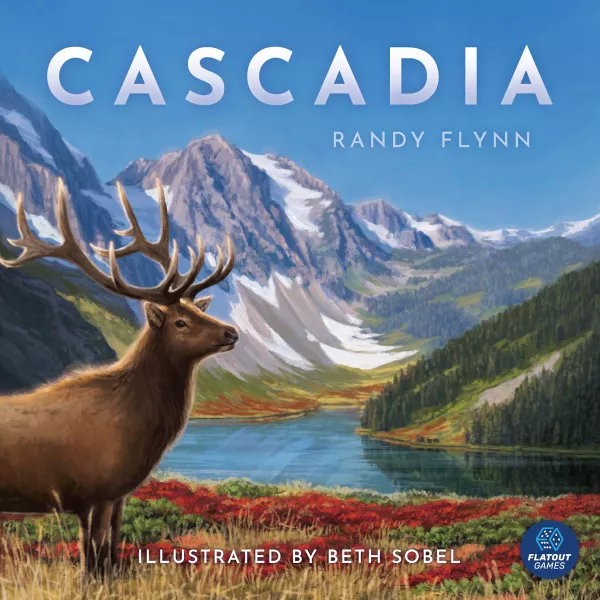
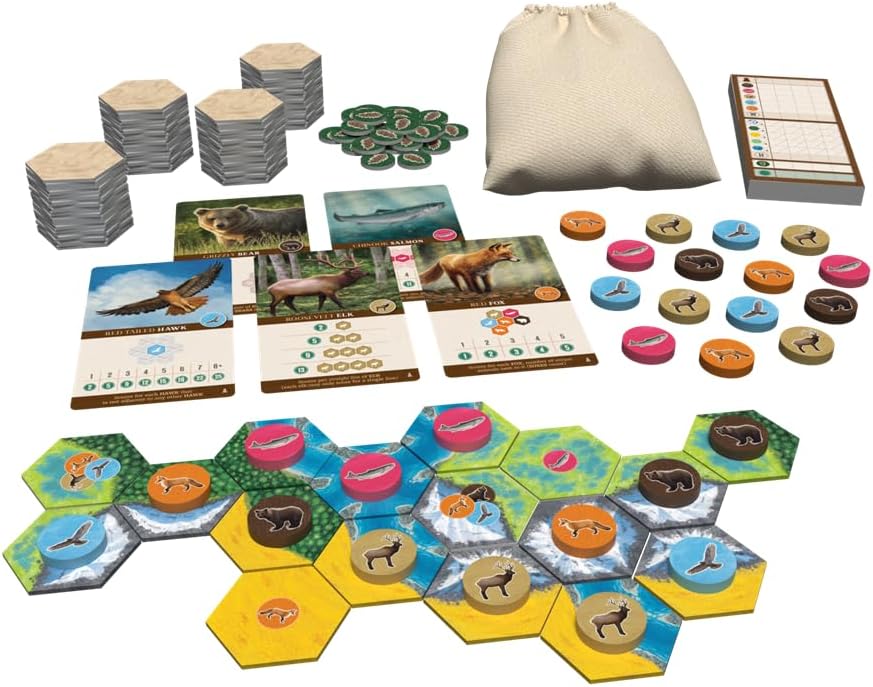
Cascadia is a tile-laying and token-drafting game set in the Pacific Northwest.
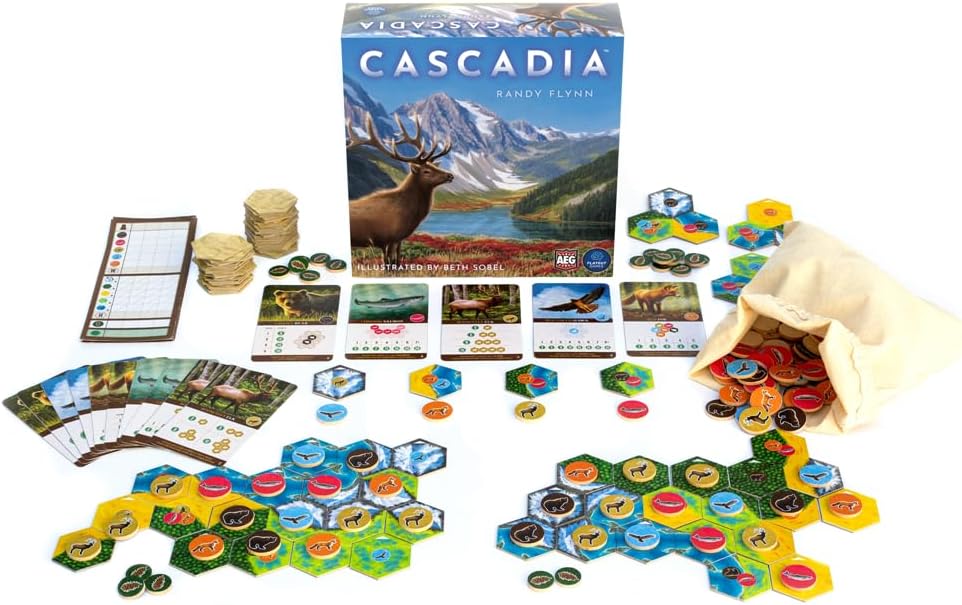
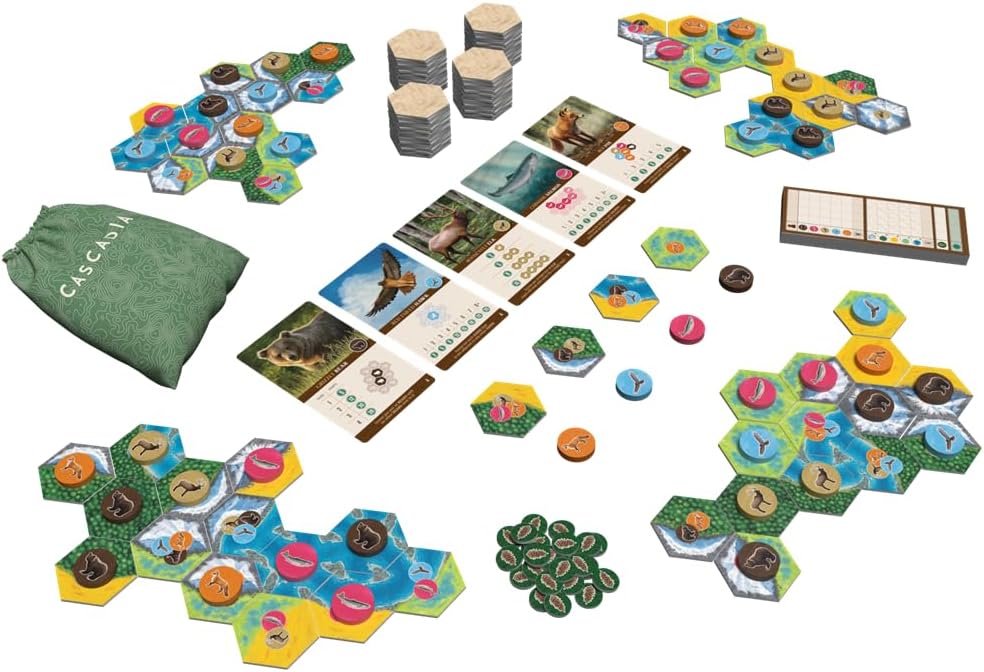
Players build their own wilderness tableau by placing habitat tiles and populating them with wildlife tokens. The core of the game is spatial and pattern optimization—players aim to create large contiguous habitats while satisfying specific animal scoring conditions. It’s a calm, nature-themed game with minimal conflict and a strong focus on personal puzzle solving.
Despite the relaxed atmosphere, Cascadia offers meaningful decisions. Each turn, players choose a pair—one habitat tile and one wildlife token—from a shared market, placing both in their tableau to fulfill as many scoring objectives as possible. The tension lies in limited drafting options and ever-tightening spatial arrangements.
Pros
Elegant Simplicity
The rules are easy to teach and learn. Turns are quick and intuitive, making Cascadia ideal for new players, families, or as a gateway game.
Replayability Through Variable Objectives
The wildlife scoring cards are modular. Each animal (bear, elk, salmon, hawk, fox) has multiple scoring variants. Mixing them keeps the puzzle fresh even after many plays.
Satisfying Puzzle
The interplay between growing habitat types and matching wildlife placement creates a satisfying layer of optimization. It’s a relaxing yet thinky experience.
Quick Setup and Fast Playtime
Games generally last 30–45 minutes. It scales well from solo to four players with minimal downtime.
Solo and Family-Friendly
The solo mode is strong, and the game’s lack of direct conflict makes it a good fit for all ages. The nature theme and visuals are inviting and peaceful.
Cons
Limited Player Interaction
Other than competing for shared tiles and tokens, players don’t interact. For some, this can make the game feel solitary.
Middling Thematic Immersion
While the theme is pleasant, the mechanics are fairly abstract. Wildlife behavior is more about math than nature realism.
Drafting Can Feel Restrictive
You’re limited to the four pairs available each round. Sometimes none fit your plan, and the lack of mitigation early on can be frustrating.
Visual Clutter in Endgame
As your tableau grows, it can become hard to track which animal patterns or terrain areas are scoring, especially with similar tile colors.
Comparison to Similar Games
- Calico: Also designed by Flatout Games, Calico has a similar tile-laying core but with more spatial restriction and tension. Cascadia is more forgiving and breezier in feel.
- Kingdomino: Both games involve building out a landscape with tiles and optimizing for point patterns. Cascadia is more nuanced, with layered goals and wildlife scoring offering more strategic depth.
- Planet: Like Cascadia, Planet offers a nature-themed puzzle, but its 3D planet gimmick feels less refined mechanically. Cascadia stays grounded with stronger core gameplay.
Final Thoughts
Cascadia is a serene and rewarding puzzle game that balances accessibility with strategic decision-making. Its variable scoring objectives and calming nature theme make it a hit at all player counts and skill levels. While it may not satisfy players looking for heavy interaction or deep narrative immersion, it excels as a thoughtful, low-stress game with elegant design.
Recommended for: fans of tile-laying puzzles, nature-themed games, solo players, families, and anyone seeking a relaxing but strategic experience.
Not ideal for: players who want direct conflict, heavy theme integration, or complex tactical turns.
Rating: 8.5/10 – A beautifully designed, highly replayable puzzle game that rewards planning and provides a satisfying sense of growth with every session.
And remember, Frontline Gaming sells gaming products at a discount, every day in their webcart!