
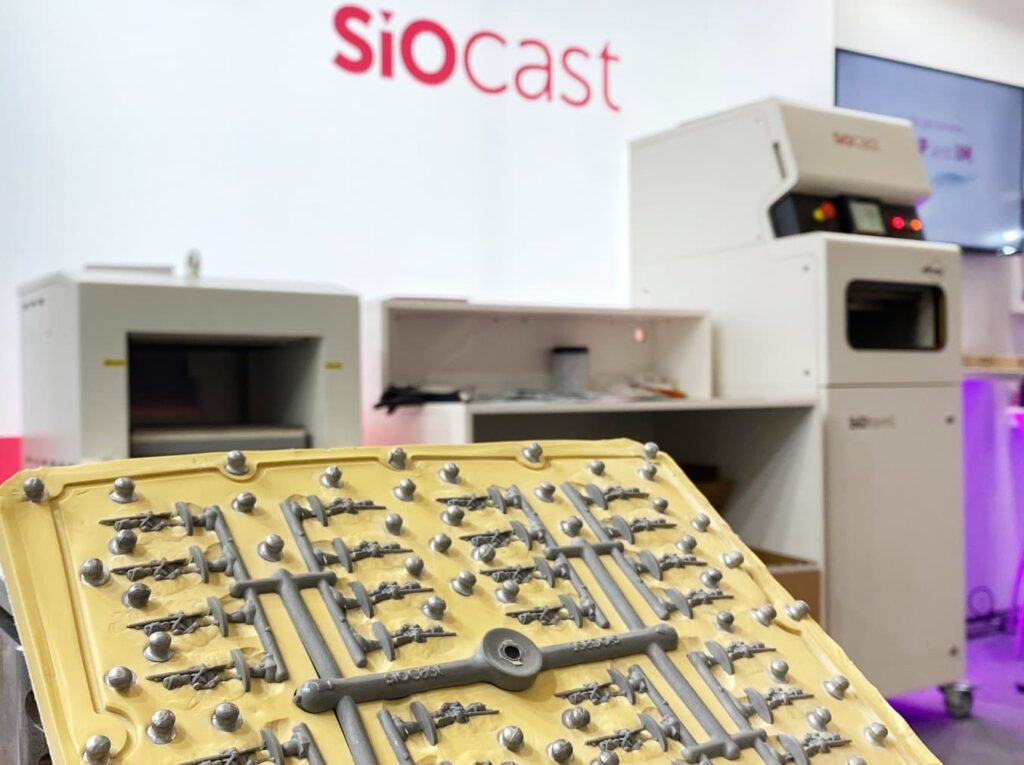
The injection molding technology was being touted as an industry disruptor that would forever change miniature production as recently as 2022. Where did it go?
Siocast is a Spanish company that first came to many people’s attention through a Goobertown Hobbies video in April of 2022, but they had already been around for several years at that time. The company produces a specialized version of injection molding machines, aimed specifically at miniature manufacturers. The video, taken at Adepticon, showcases the ease of use of the Siocast injection system, hypes up the machine’s low cost relative to traditional plastic injection molding, and large production capacity relative to 3D printing, resin casting and metal spin casting. An injection molding system that was easy to use, could out produce traditional small scale systems, and for a fraction of the price of plastic injection molding. It sounded too good to be true. Was it?
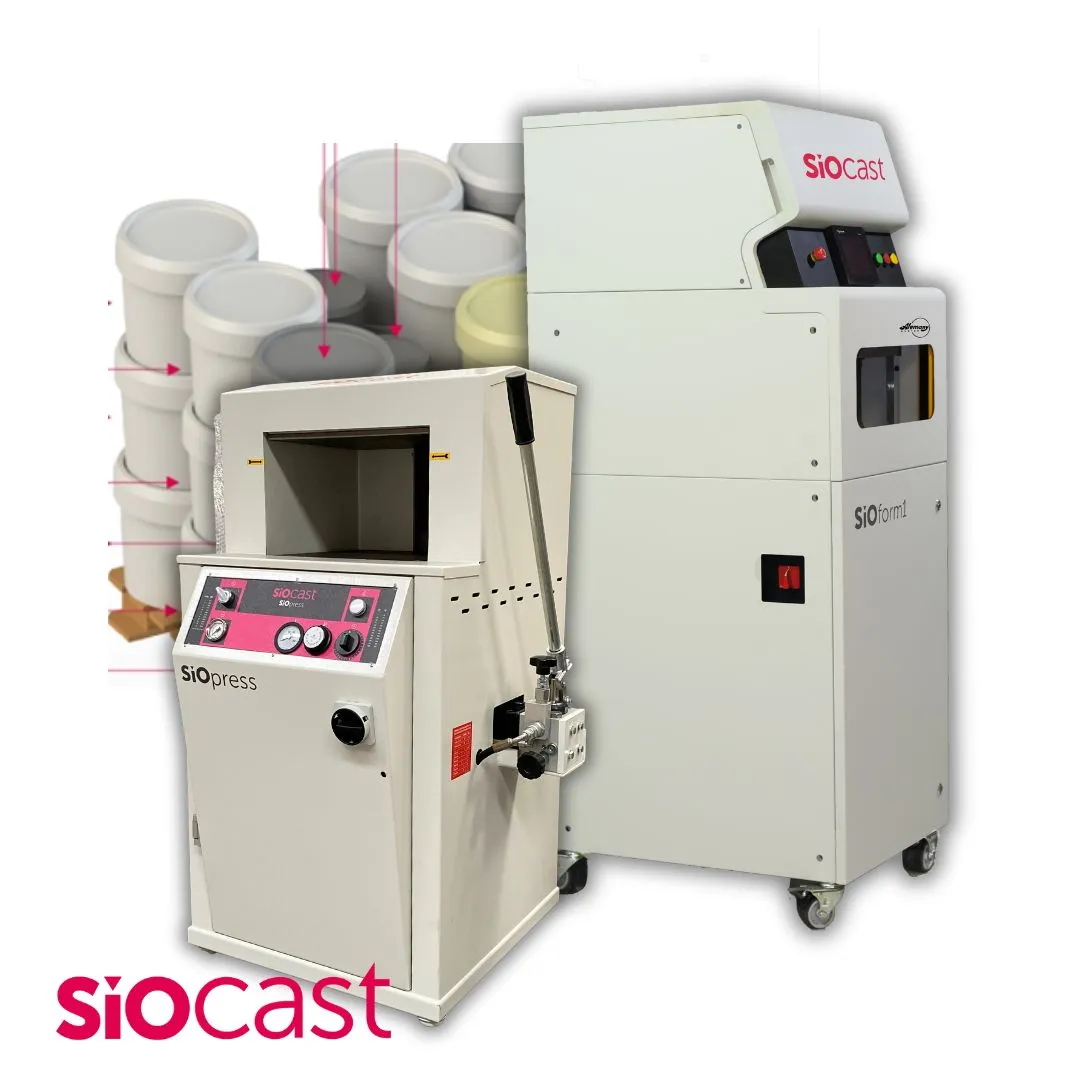
By the time SioCast was showing off their machines at Adepticon they had already been adopted by some big names in the industry. Corvus Belli, another Spanish company and makers of Infinity, Warlord Games in England, and Reaper in the US all had one or more machines. These companies were ideal candidates for the SioCast system. Corvus Belli and Reaper were well known for their extensive lines of metal miniatures, and Warlord had plastic, metal and resin ranges. If it could live up to its value proposition, SioCast would be a significant leg up for these companies to make more miniatures faster and cheaper.
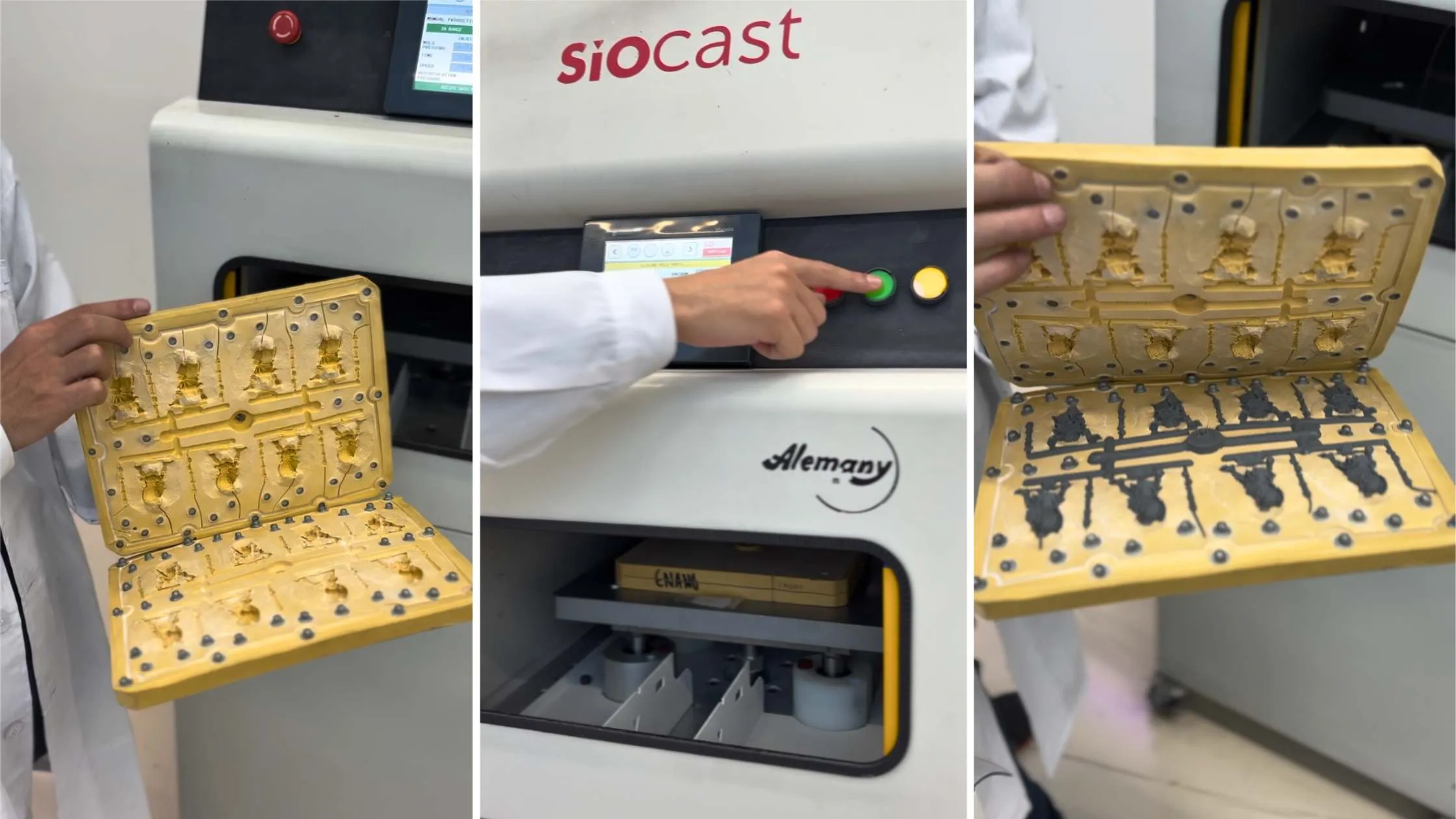
Let’s talk briefly about what SioCast is and how it is different than traditional plastic and metal casting. The reason smaller manufacturers tend to 3D print or cast in metal is because it is relatively cheap and easy to do. A 3D or hand sculpted model can be put into a rubber mold which is then baked to make it hold its shape. These molds break down over time, but they do fine for smaller companies, and they can be remade if need be. This is what GW is doing with a lot of their Made To Order releases. Plastic Injection molding is much more expensive up front but can be a lot more profitable in the long run. Making a plastic injection mold is a very time consuming and involved process that results in a steel mold that will last far longer than a rubber mold and can stand up to the extreme heat and pressure of having liquid plastic shot into it. SioCast is a hybrid system that uses silicone rubber molds and shoots thermoplastic resin.
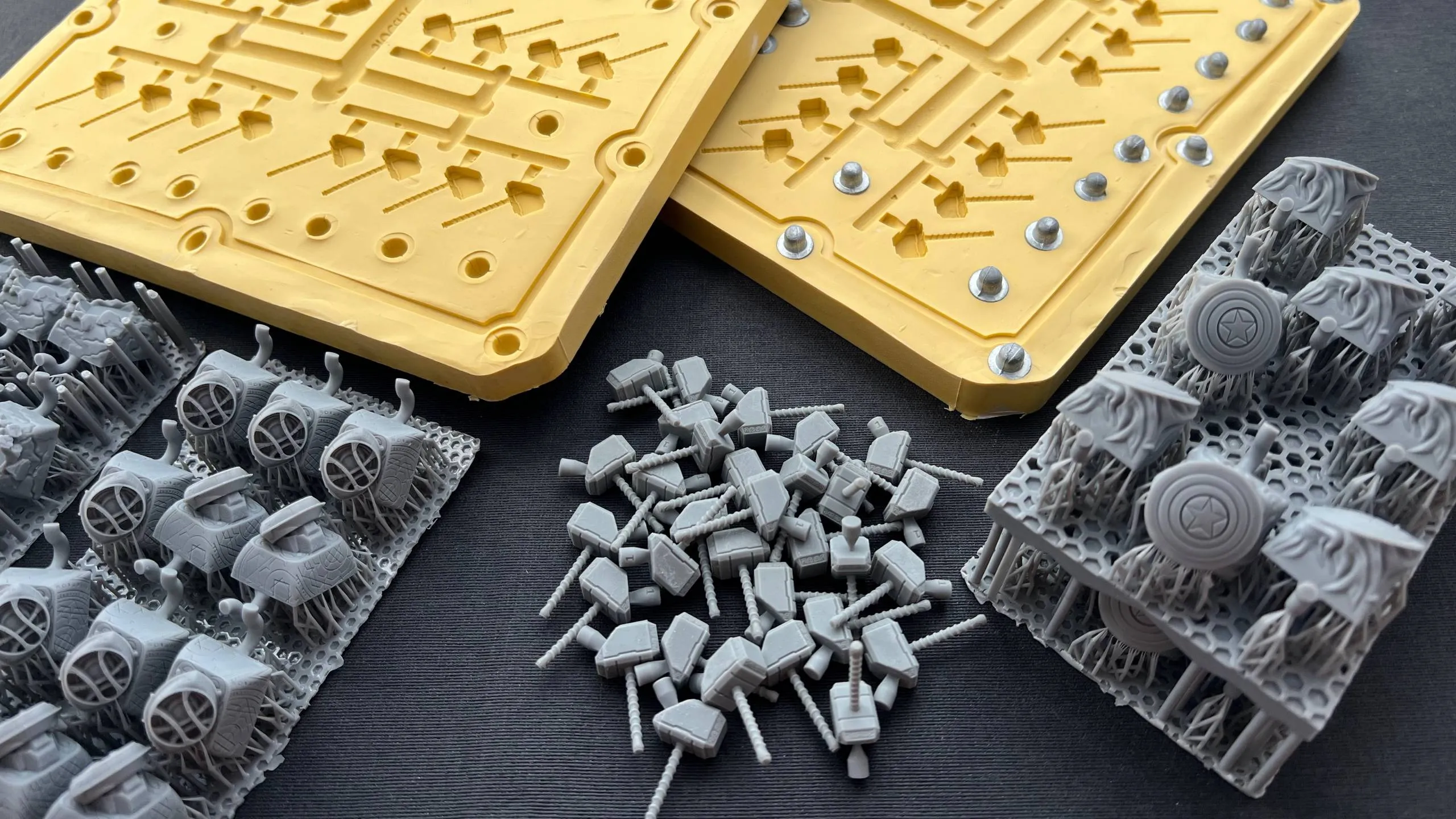
So what is thermoplastic resin and is it different from the plastic GW uses? Well, the short answer is that thermoplastic resin is a subset of plastic, but a pretty big one that includes GW plastic and loads of others, some of which you might associate with the hobby, such as ABS and HIPS (High Impact Polystyrene), and some you likely do not, such as PVC and TPE. The real answer is that SioCast uses a proprietary plastic that is not the same as the plastic you would expect from any other miniature manufacturer. Thermoplastic resin is what you call your product when you don’t want to tell anyone exactly what it is. It’s like when I used to ask my roommates what they were watching and they would say “a movie.” Man, I hated that.
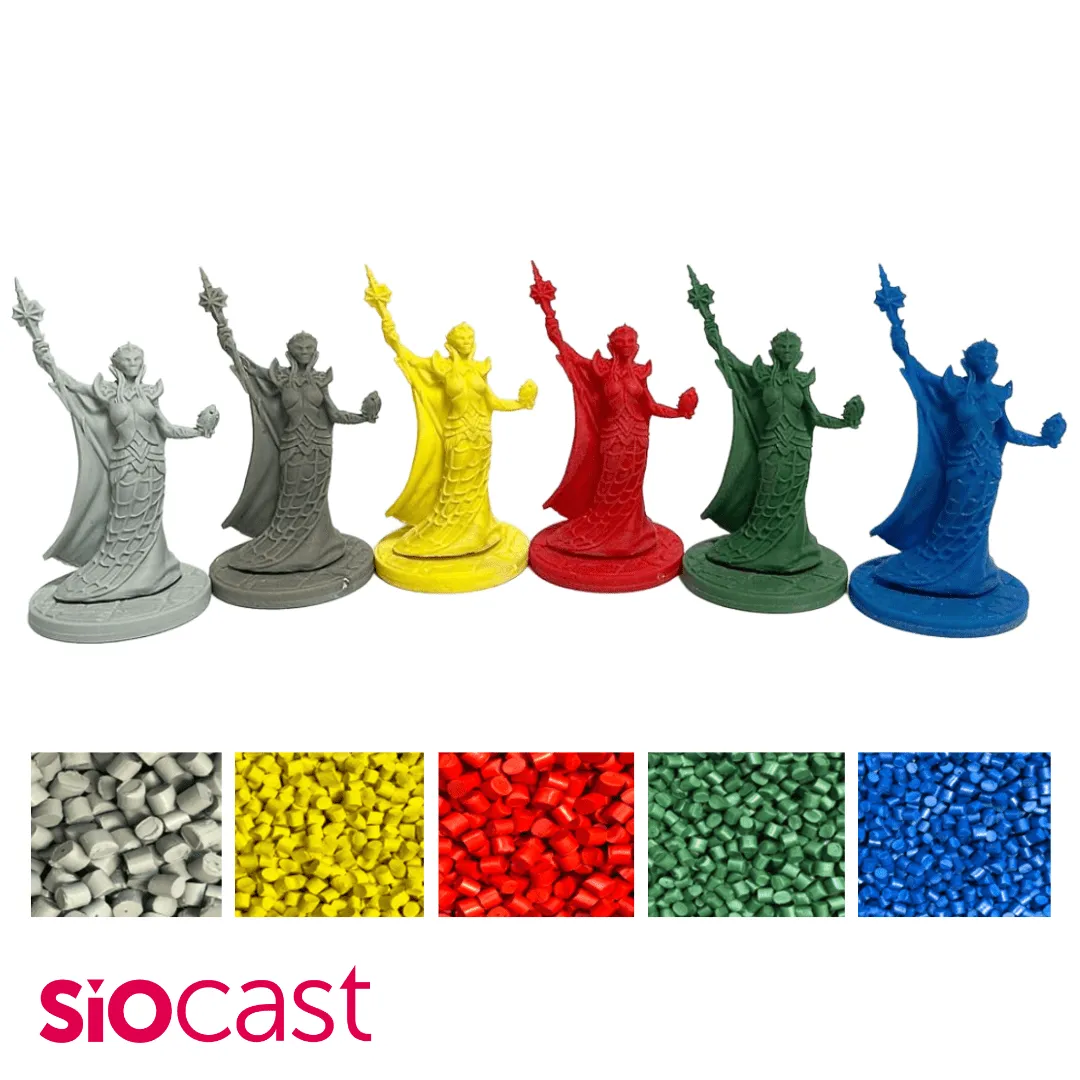
Hobbyists noticed the difference right away. SioCast’s original plastic formulation was a lot more rubbery than the hard plastic used by other companies and required different prep methods. Most importantly, mold line removal required slicing with a sharp blade, not scraping. Scraping at mold lines could create “burs” or just plain wouldn’t work. The 1/72 scale hobbyists are laughing their heads off, but to someone raised on GW plastic, this required re-learning how to do a basic process. And on top of this, many of the early SioCast products fell victim to poor quality assurance and were shipped out with terrible mold lines and flashing. Though flashing and mold lines are the fault of the manufacturer and mold maker, not the material, hobbyists blamed SioCast. The result was a backlash from customers, many of whom became very vocal online about their dislike for the product.
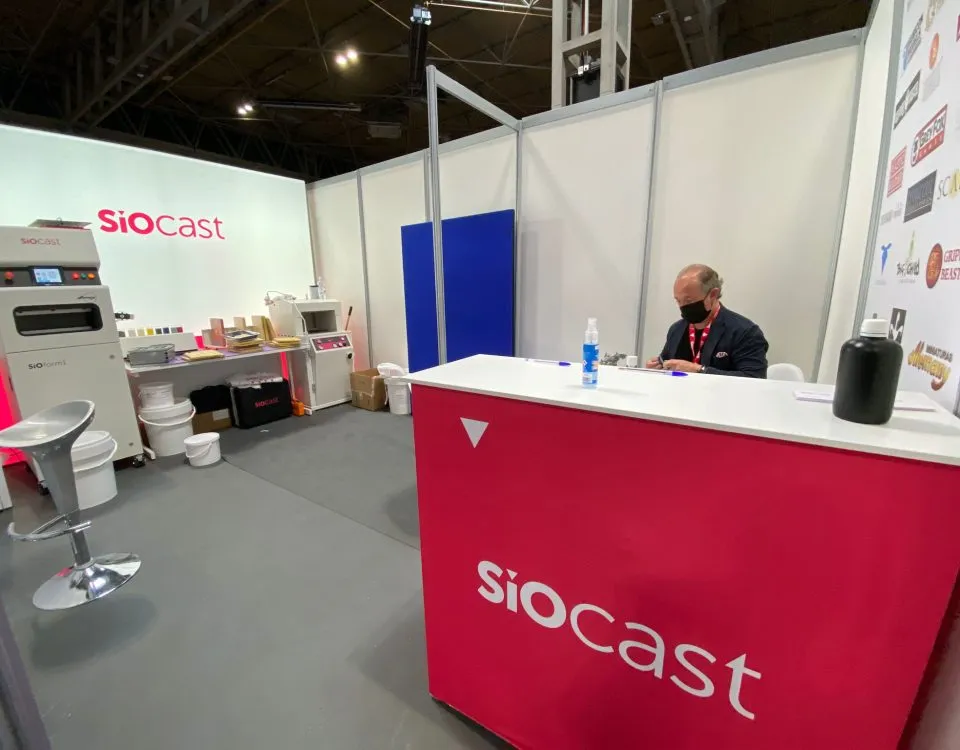
At the same time, things were tough for many of SiOcast’s adopters. The machines were hard to maintain, requiring a knowledgeable and diligent technician. I recently spoke with a manufacturer who told me they had four machines and it was a full time job keeping them running. To make matters worse, the company was not easy to get a hold of. Emails and orders could go weeks or even months without being answered or fulfilled, a serious problem when the consumables are a proprietary material with only one source. There were some outward signs of instability as well. For several months much of SiOcast’s website went offline; nearly all links redirected to the main page. Though the full website seems to have been restored as of the writing of this article, one has to wonder what kind of internal issues might lead to extended downtimes without any noticeable updates to show for it. Rumors of insolvency are not hard to come across in some corners of the internet.
And yet, SiOcast is still around and the machines are still churning out minis. Rather than disrupting the market, SiOcast appears to have become another tool in the arsenal available to manufacturers, with its own benefits and drawbacks. The machines definitely can outproduce metal and 3D printing if they can be kept running and supplied with material, but that material comes with its own quirks, just like resin and metal. The hype seems to have got ahead of the reality, and when expectations are set too high, there is nowhere for them to go but down. Perhaps SiOcast will fold in the near future and one by one their machines will go offline, but other troubled production methods have seen redemption arcs in the past. Just look at GW’s resin offerings clawing their way back from the “Failcast” days. Who knows what could be in store?
Have you bought a SiOcast model? What was your experience with the material? Let us know in the comments!