
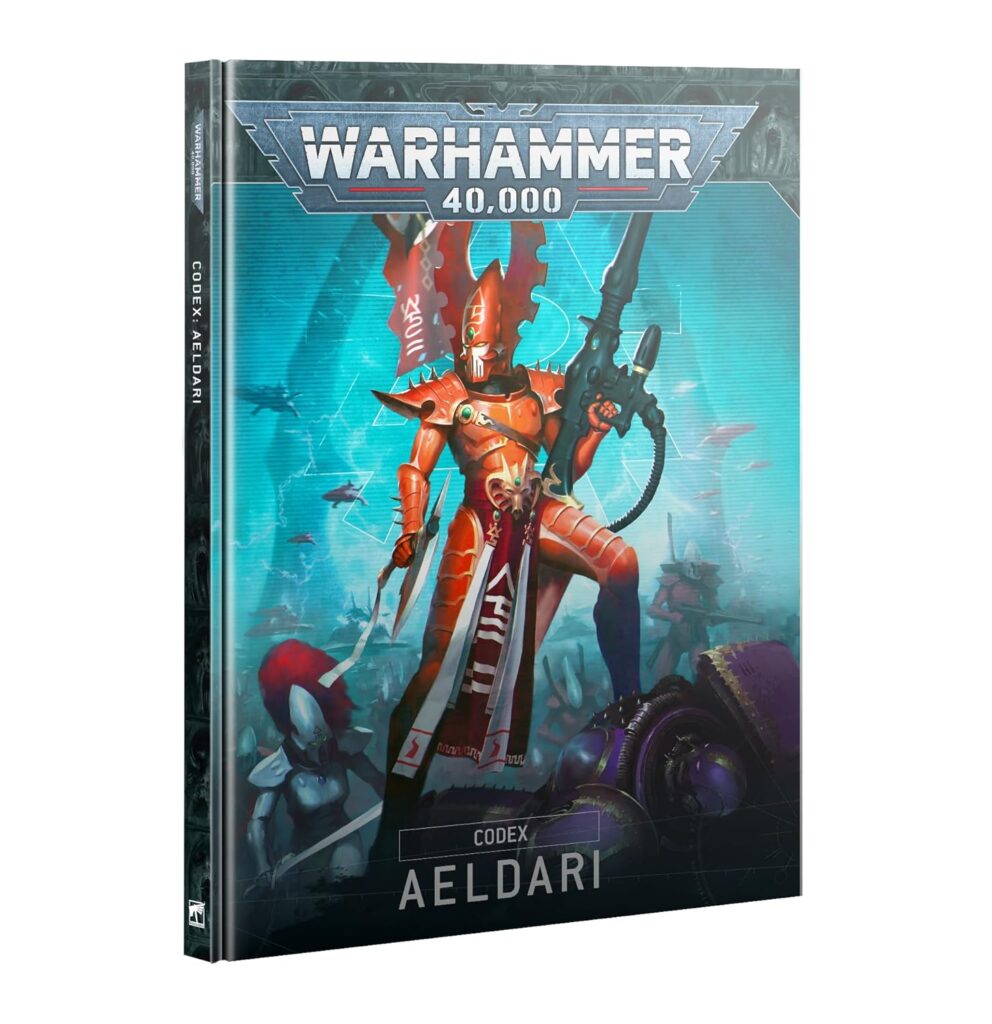
If you want Aeldari Crusade to feel like Aeldari, you start with the doom clock. This is Part 1 of a three-part series, and it covers the Guiding Fate and The Aeldari Paths Crusade Rules.
These rules are the campaign spine, because they decide what your force becomes between battles. They also punish “I’ll just play my list” thinking, which I honestly love. You are constantly choosing between safety and speed, because Threat rises even when you win. You also get rewarded for being a mixed Craftworld force, not a one-note gimmick.
Most importantly, this section turns your units into characters with career arcs, not just datasheets with XP. And once your group gets a taste of a clutch Thread ending, they will chase that high all season.
Aeldari Guiding Fate in practice: Threat, Threads, and timing windows
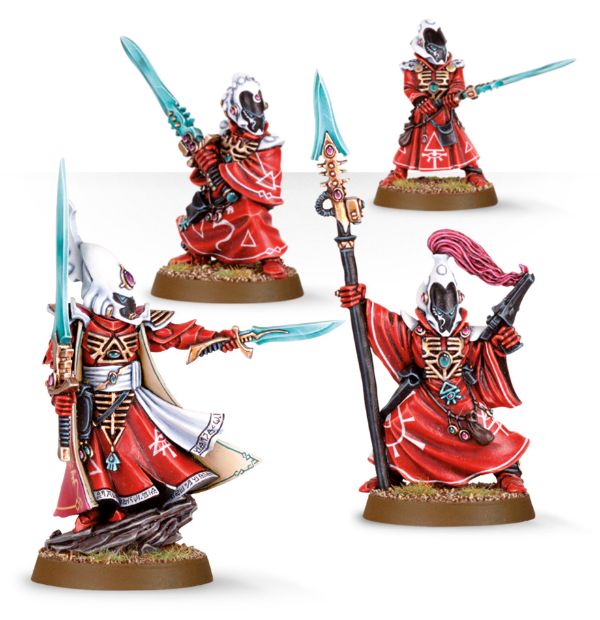
When you begin Guiding Fate, you set Threat to 1 and roll three unique Threads of Fate from six options. Each Thread has three stages: Dawning, Waning, and Frayed.
After every battle, Threat climbs by D3, or by 3 if you lost, so the clock is always ticking. You normally attempt to end a Thread by selecting the Fulcrum of Fate agenda, which makes one current stage “go live” for that battle.
- If you complete that stage’s goal, the Thread ends successfully and drops by 3 (Dawning), 2 (Waning), or 1 (Frayed).
- If you fail, the Thread advances a stage, and if it was already Frayed it fails completely.
- If Threat ever hits 13+, all Threads fail and you go straight to Results Stage.
Results Stage and why it feeds the Aeldari Paths
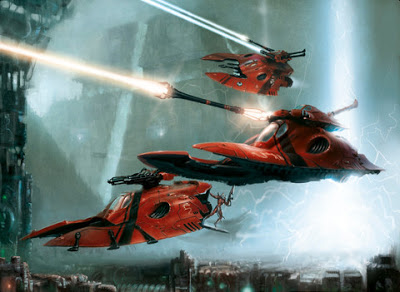
Once all three Threads have ended, you resolve Results Stage based on your final Threat. At 0–4 you get the big payout, including D3+2 Requisition points and the most Path access. At 5–8 you get D3 Requisition points and a smaller Path package. At 9–12 you get 1 Requisition point and limited Path access. At 13+ you eat scars, plain and simple.
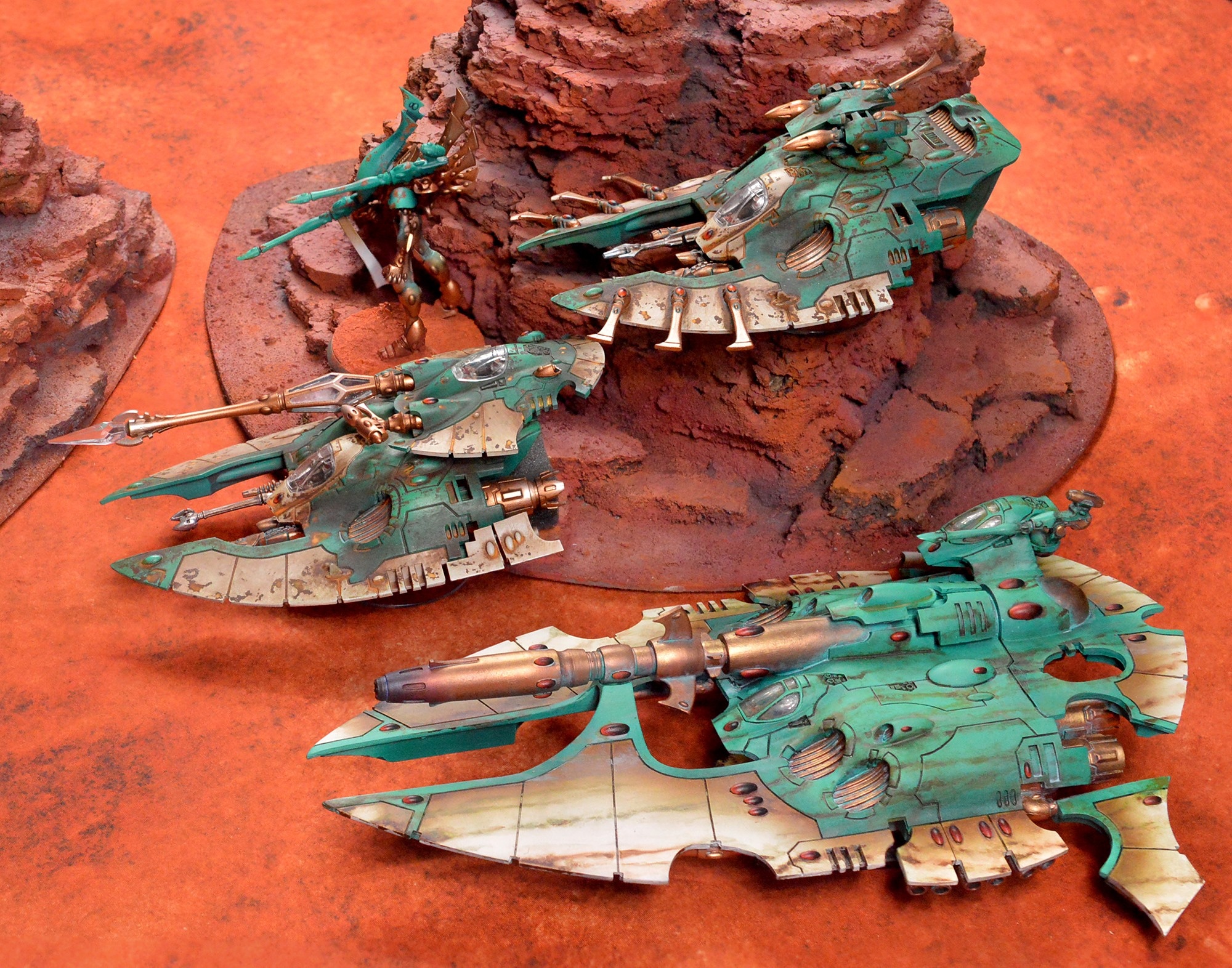
Then comes the Aeldari Paths, which is the real long campaign payoff. Results can grant Path of the Seer to a Psyker unit, Path of Command to an Autarch or Autarch Wayleaper, and Path of the Warrior to multiple infantry units. You also get to hand out a number of Aeldari Paths Battle Traits, and that number is directly tied to how well you managed Threat.
The Paths themselves: what they push you toward

Path of the Seer traits feel like “high risk, high finesse.” One lets you gamble on a Webway hop that can hurt you, but can also reposition you hard. Another turns psychic weapons into anti-monster and anti-vehicle tools, which is a nice way to make Seers feel like real battlefield problem-solvers. Path of Command is all about control.
You get options that generate CP near objectives, redeploy units after deployment, or spread Scouts to nearby infantry. Path of the Warrior splits into melee and shooting tables, and it rewards the classic Aeldari pattern of hit, fade, and punish mistakes. You see things like post-shooting repositioning, battle-shock pressure from fire patterns, precision shooting, and melee tricks that punish fall backs.

Detachment synergy is where this gets fun. Seer Council and Spirit Conclave help you cash in Path of the Seer traits and keep your psykers relevant. Aspect Host makes Path of the Warrior feel inevitable, because your plan already revolves around clean trades. Ghosts of the Webway and Windrider Host make the “be everywhere” threads and Path traits feel much easier, because you can actually reach the weird corners and mid-board spots these objectives demand.
Closing:
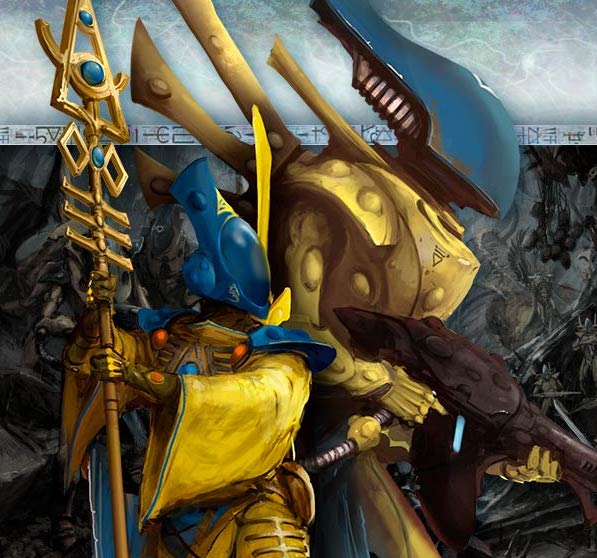
Guiding Fate is the rare Crusade system that stays tense even when you’re winning. I like that it forces you to plan a whole mini-season, not just the next match. It also makes losses matter without making them feel pointless, because sometimes you lose a battle and still advance the story. My best advice is to treat Threads like objectives you draft, not surprises you endure.
I also think you should build your roster with at least one Psyker and an Autarch early, because Results Stage wants those hooks. If you enjoy cinematic moments, Path of Command redeploy plus a mobility detachment is pure “the seer saw this coming.” If you enjoy cruelty, forcing battle-shock with fire patterns while you dance around corners feels very on brand.
And if you enjoy narrative, the whole system screams “this unit earned its legend” when it finally gets a Path trait. In Part 2, we’ll talk about the agendas and requisitions that let you actually steer the clock instead of praying to it.