These two Battlefront-adjacent reads do different jobs, though they complement each other really well. Moreover, one is about how a specific West German formation plays on the table.
The other explains why Battlefront chose to revisit an earlier, less settled period of warfare at all. So, taken together, they feel like a neat snapshot of how Battlefront builds excitement, first through army identity and then through design philosophy.
Team Yankee West German M48 Panzerkompanie
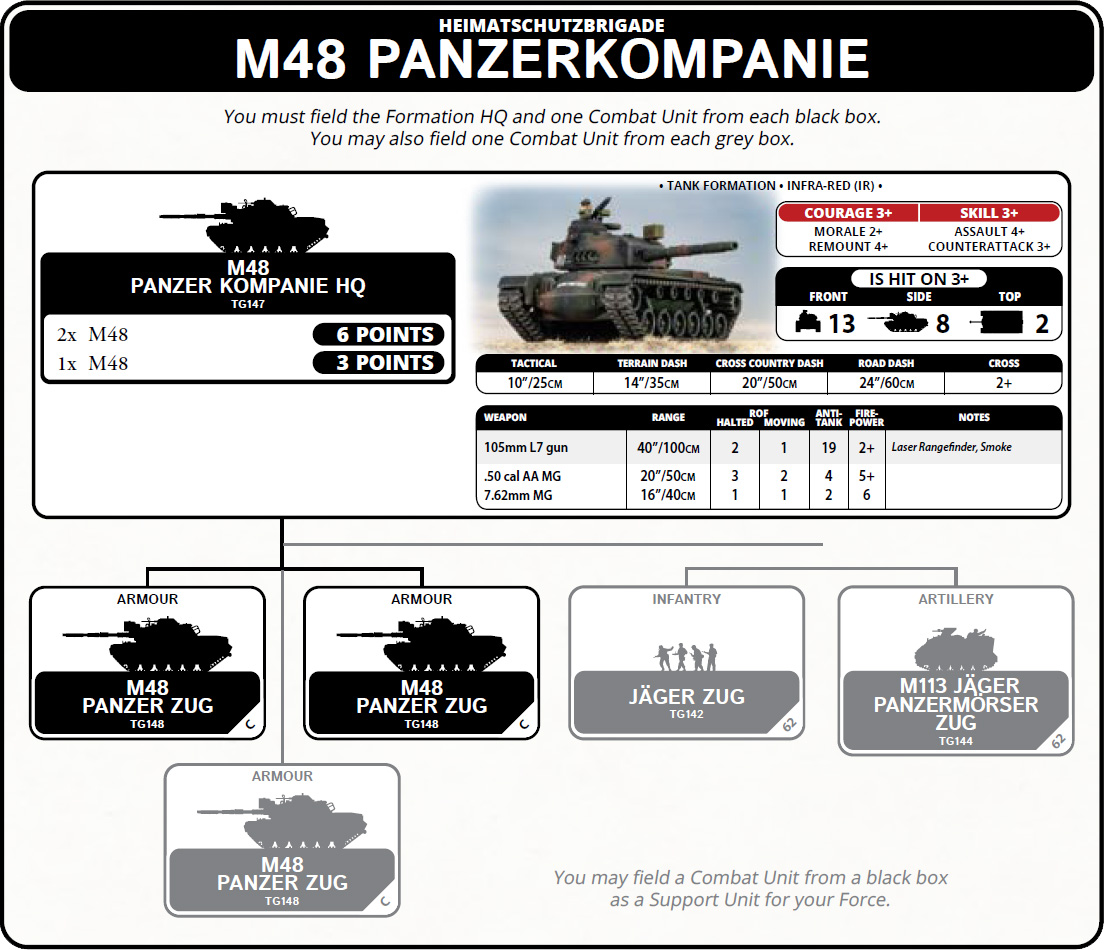
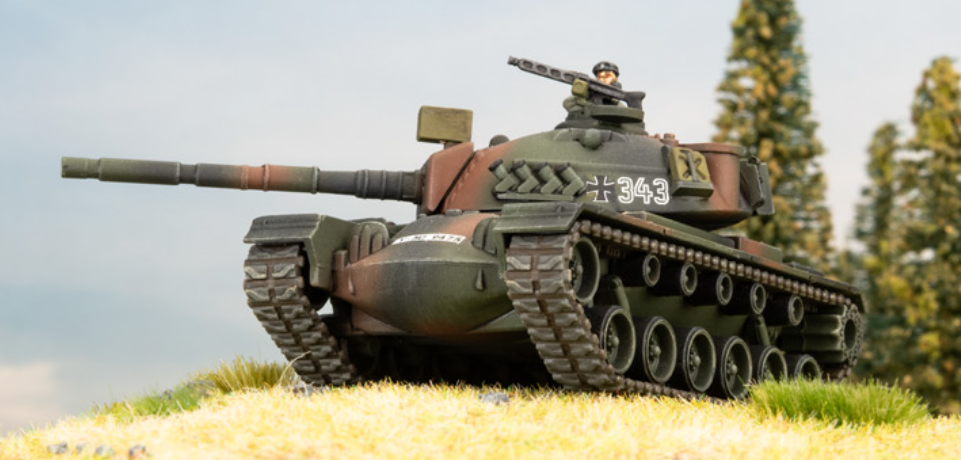
The M48 piece is clearly the more practical article, and its likely focus is the appeal of the West German M48A2 Panzerkompanie in World War III: Checkpoint Charlie. Accessible West German coverage on the same release shows the formation built around an HQ and two or three M48 platoons, with options to fold in Panzergrenadiers, Raketenjagdpanzers, Spz 11-2 Kurz scouts, and M109G artillery, which gives the company a very self-contained feel.
Moreover, the M48A2CGA1 is framed as a dependable brawler rather than a flashy wonder weapon. Its 90mm gun is older, though it still handles straightforward gunfights well, while the attached missile carriers give the formation the long-range punch needed to threaten heavier enemy armor. That is what makes the list feel useful rather than cute. It is not trying to out-Leopard the Leopard. Instead, it gives West German players a sturdier, more grounded armored option that can absorb pressure, trade shots, and let the supporting tools do the clever work.
Consequently, the whole formation reads like a proper combined-arms Bundeswehr list, with M48s holding the line while missiles, scouts, and artillery solve the bigger problems.
Wargames Illustrated Designer Interview
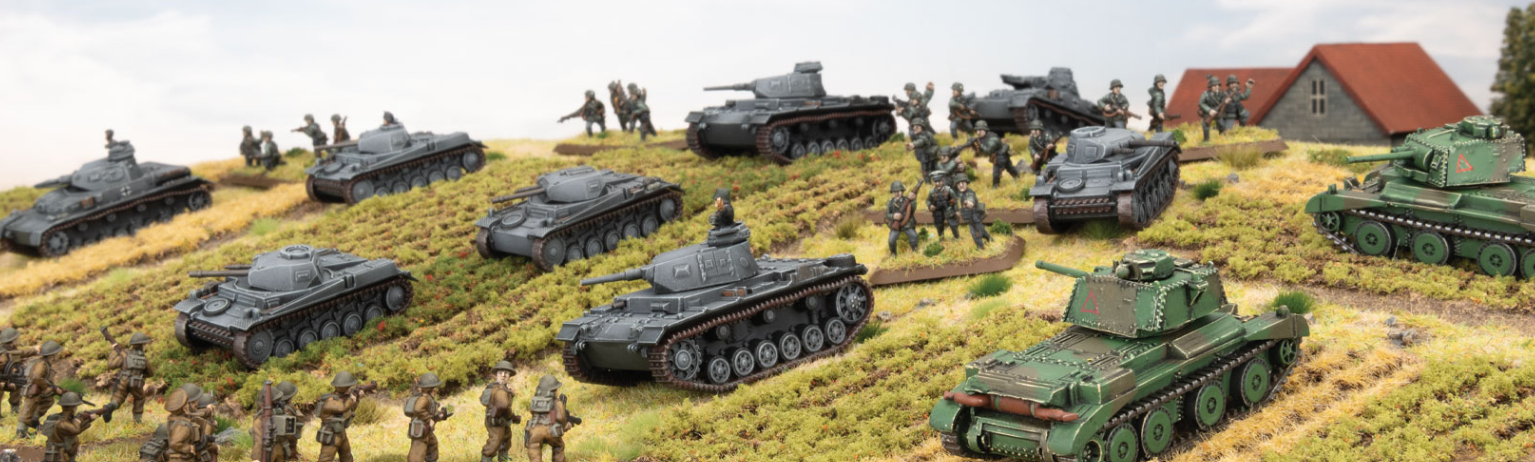
The designer interview is the more reflective article, and honestly, it gives the surrounding release strategy its heart. Peter Simunovich says the long delay in returning to Early War came down largely to plastics, because Battlefront wanted the period to be easier to access than it was in the resin-and-metal days.
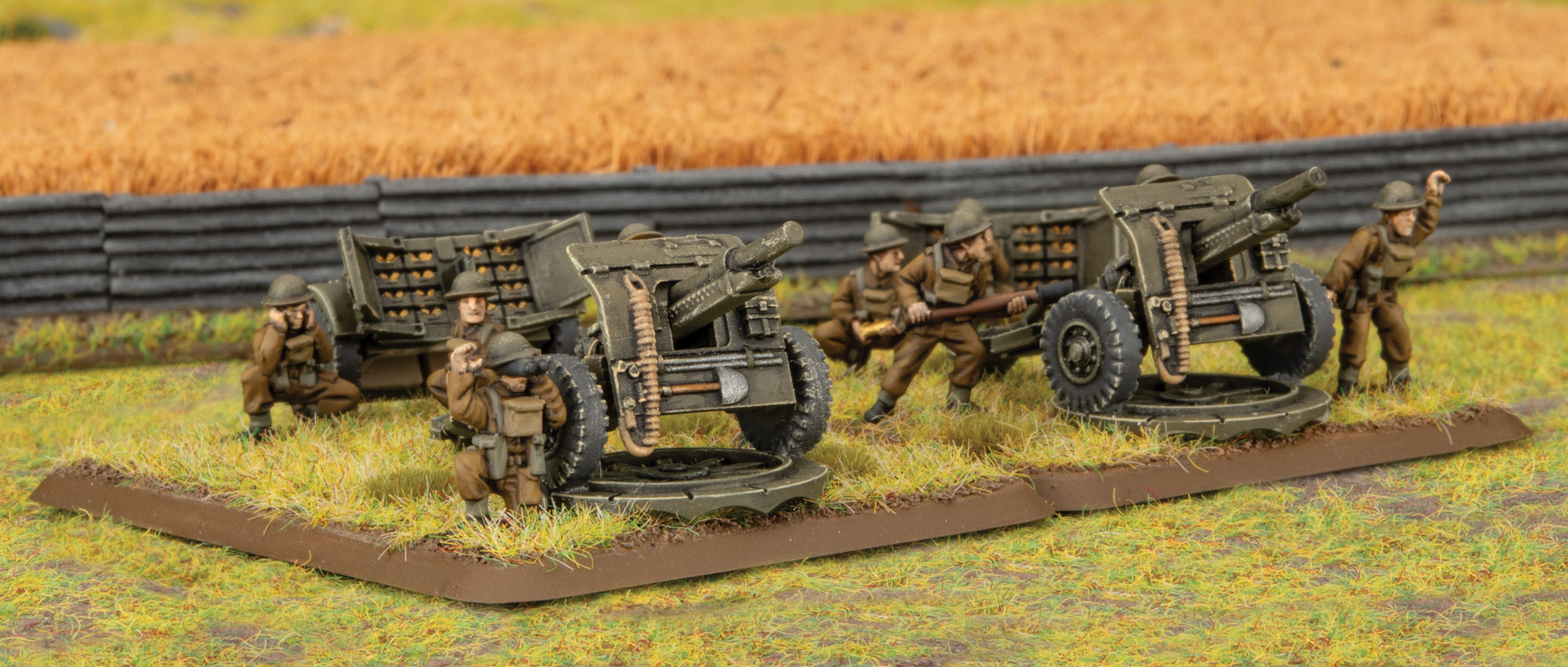
Moreover, he calls France 1940 his absolute favorite because it was so chaotic, uncertain, and wide open. Wayne Turner then reinforces that by saying Early War has a broader variety of troops and special abilities than other WWII periods, which makes everything feel a bit more unruly on the tabletop.
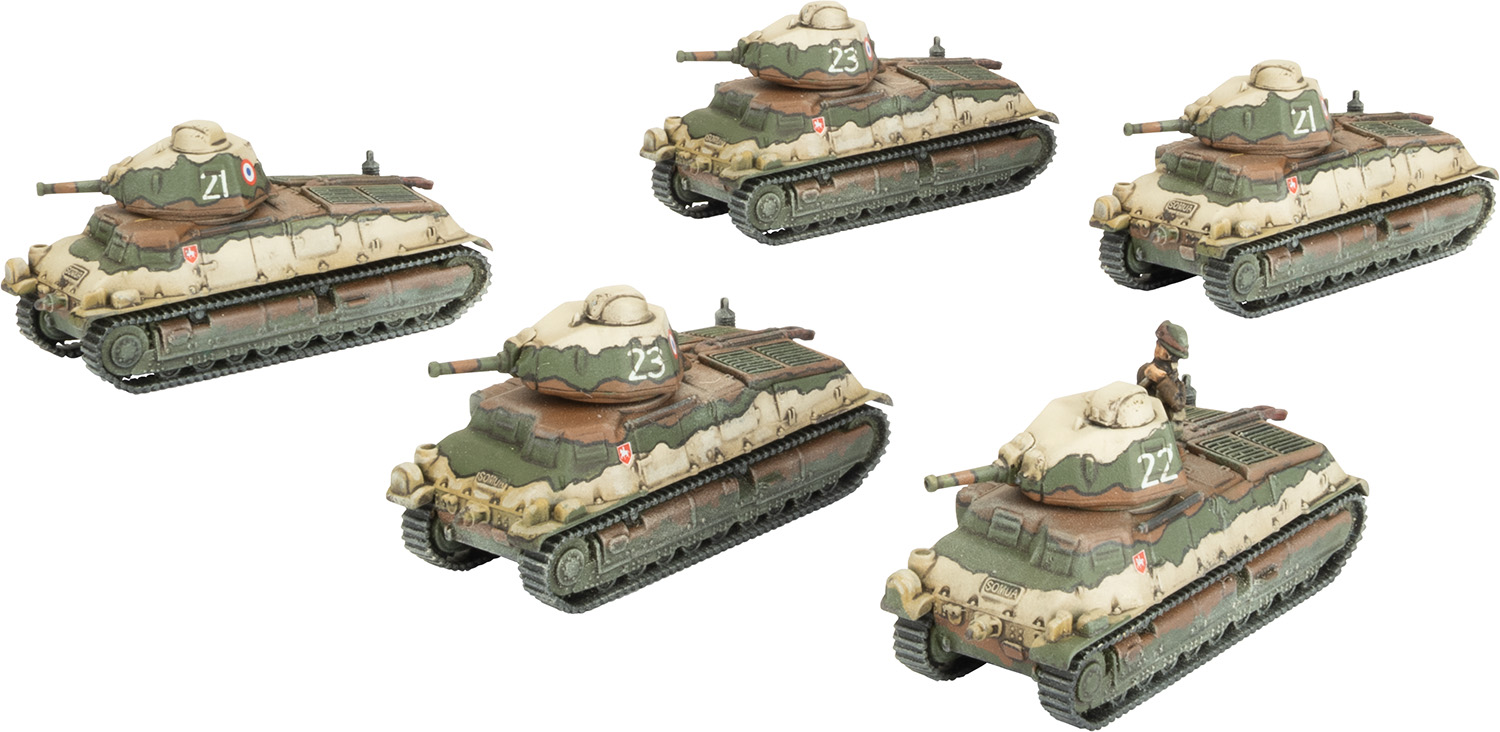
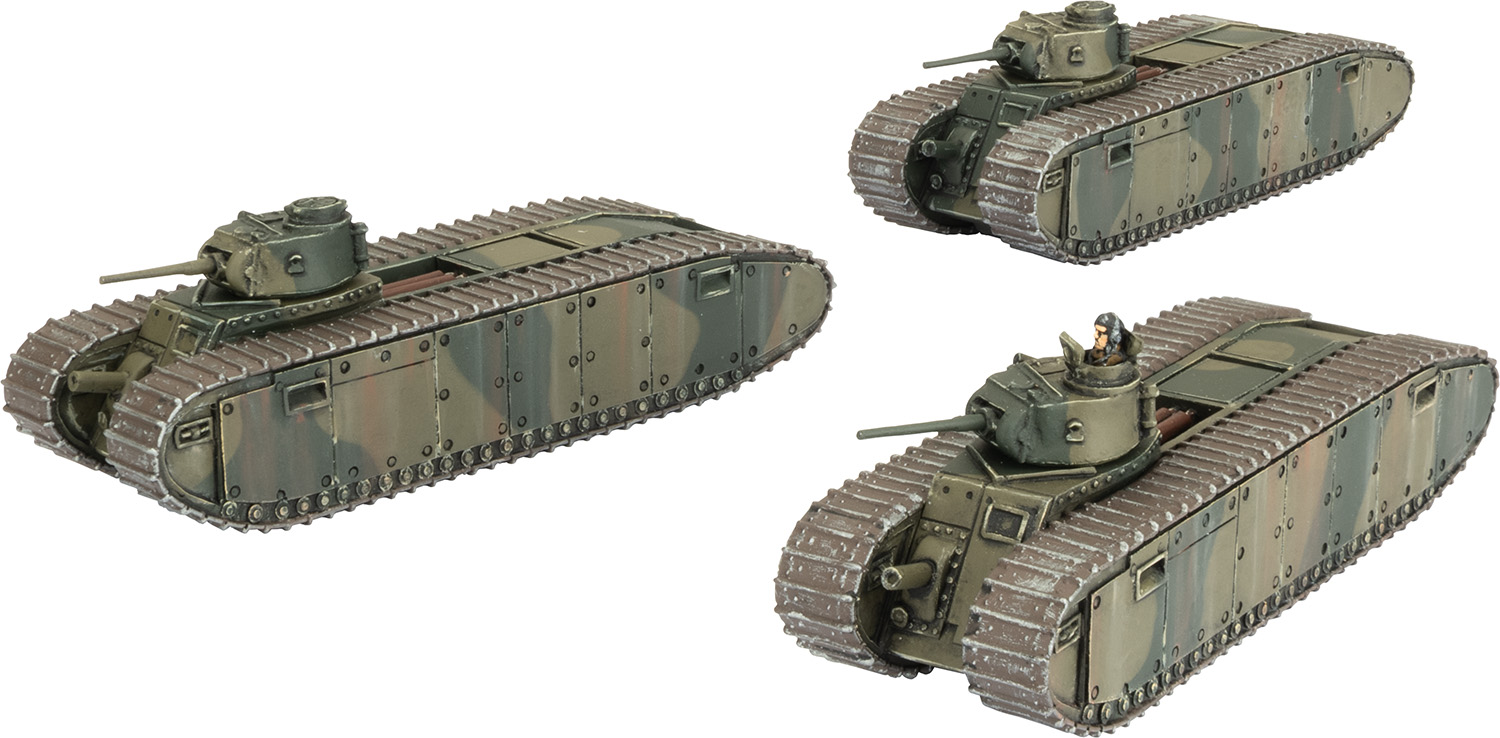
That is a great description, because Early War should feel slightly unstable. You want fast German panzers, awkward French heavies, strange matchups, and battles where doctrine still feels half-proven. So, this interview does more than promote a product line.
It explains why this era has its own rhythm and why Battlefront thinks it is worth revisiting now.
Final Thoughts
Overall, these articles work best when read together. The M48 piece gives players a grounded example of how Battlefront wants a force to feel on the table. Meanwhile, the interview explains why the company keeps chasing periods with uncertainty, asymmetry, and tactical texture. Because of that, both articles end up selling more than miniatures. They sell a style of game, and that is usually when Battlefront is at its best.