
By the end of week one, your Crusade group starts recognizing the same names on the roster sheets, and a few days after Part 2 that’s exactly where we are.
This is Part 3 of a three-part series, and it covers the Crusade Battle Traits and Crusade Relics for Imperial Agents.
This is the section that turns “that unit did well” into “that unit is now a recurring character.” Agents especially love this, because their upgrades aren’t just raw stat creep; they reinforce roles like infiltration, target hunting, and operational control. It also ties your moral identity together, because Puritan and Radical choices show up in meaningful, mechanical ways. I’ve watched entire campaigns pivot because one player rolled the right trait and suddenly had a new win condition. I’ve also watched players build their own legends by choosing relics that fit the story they were already telling. If you want the faction to feel coherent across dozens of games, this is where it happens.
Battle Traits: five tables, five playstyles
Imperial Agents split battle traits by sub-group, and each table pushes a different style of campaign play.
Deathwatch units get some of the sharpest long-term tools. Brotherhood of Veterans is basically a campaign respec, letting you remove and replace battle honours after a game. Unwavering Enmity grants Lethal Hits into targets that aren’t Imperium or Chaos, which is hilariously relevant in mixed Crusade groups. Tenacious Hunters grants Infiltrators and can drip Influence if you end games near the enemy board edge. If you’re running Ordo Xenos, the synergy is obvious, because stratagems like Kraken Rounds, Dragonfire Rounds, and Rapid Tactical Relocation let you flex target selection and reposition for end-state scoring.
Inquisitorial Agents units get traits that directly feed your Shadow Operation engine. Ruthless Interrogators improves melee reliability and can generate Investigation points if enemy Characters die in melee while your unit survives. Artful Operatives lets you pick Infiltrators, Scouts, or Deep Strike each game, which is incredible for Crusade mission variety. Devotion to the Throne accelerates experience when marked for greatness and can randomly generate Influence or Intrigue at the end of games. These traits love any detachment that helps you choose where fights happen, which is why Imperialis Fleet movement tools and Ordo Hereticus pressure pieces feel so clean with them.

Adeptus Arbites units lean into mission control. Scouts gets you where you need to be, fallback utility keeps you active, and their melee suppression trait makes enemy infantry swing worse while locked with them. Pair that with Ordo Hereticus defensive tech like Feel No Pain on objectives, and Arbites become the annoying “you cannot clear me efficiently” unit that wins campaigns.
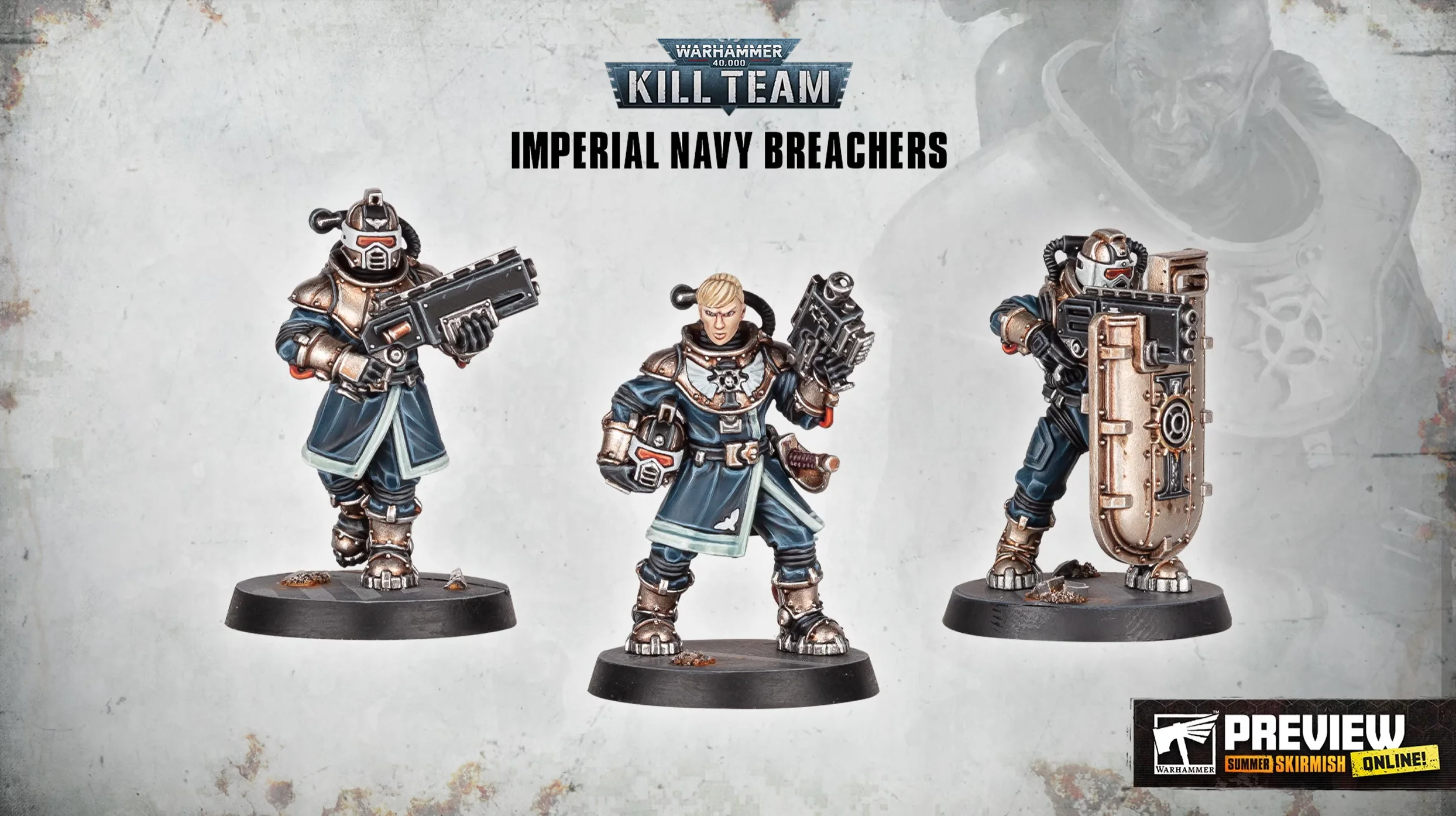
Voidfarers units get a mix of objective play and firepower. Bridgehead Specialists increases objective control and can generate Requisition points if you’re holding the right places. Deck Gunners adds Sustained Hits to ranged weapons, which is exactly what you want on units that already want to shoot at close range. Repulse Boarders is the sneaky one, letting you use Fire Overwatch or Heroic Intervention for free once per turn. If you’re in Imperialis Fleet, this stacks beautifully with close-range boosting tools like Close-Quarters Barrage.
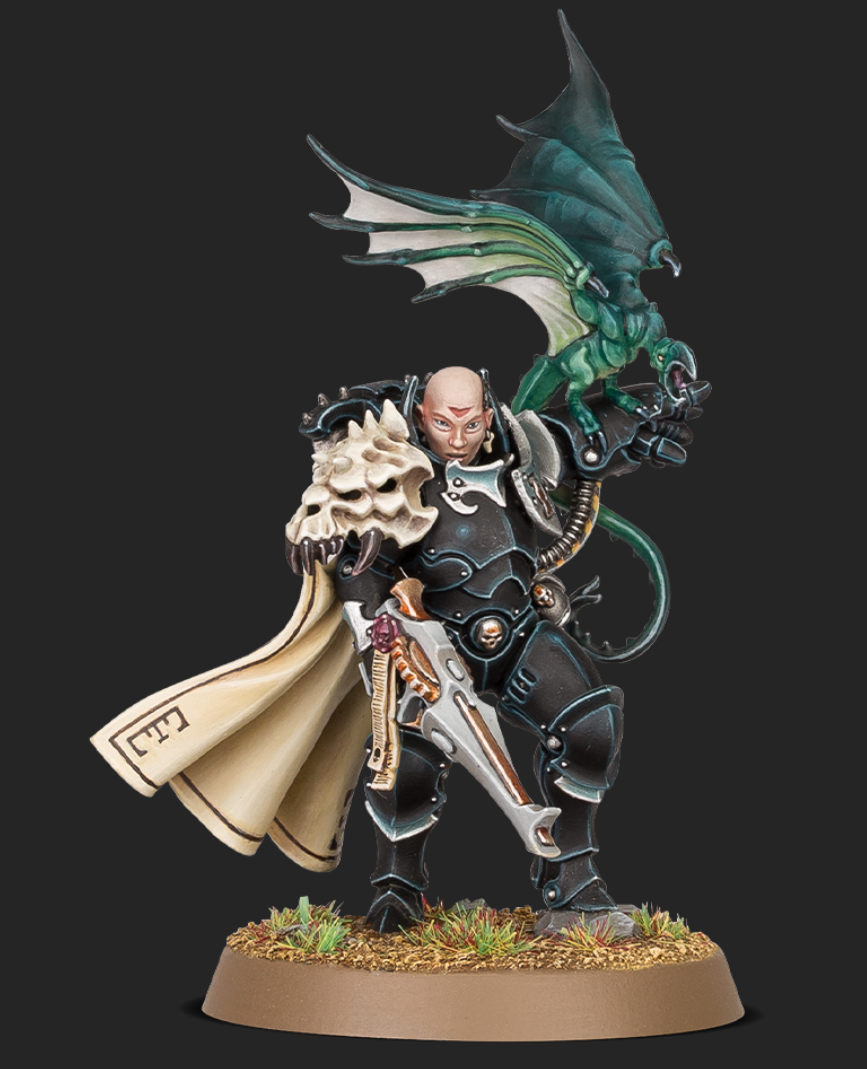
Character units get the “main character” table, and it’s excellent. Esoteric Lore lets your Warlord use a Crusade blessing even if you aren’t the underdog, Quarry Seeker gives hit re-rolls into a chosen enemy unit, and Duellist boosts melee output while adding Precision. Clandestine Investigator adds Stealth to their unit and can generate Investigation points if they end deep in enemy territory. Then you hit the real fork: Intolerant Zeal is the Puritan track (Feel No Pain and extra Influence when Warlord), and Extreme Methods is the Radical track (Devastating Wounds and extra Intrigue when Warlord). These aren’t just labels; they change how you play your whole campaign.
Crusade Relics: control, survivability, and identity
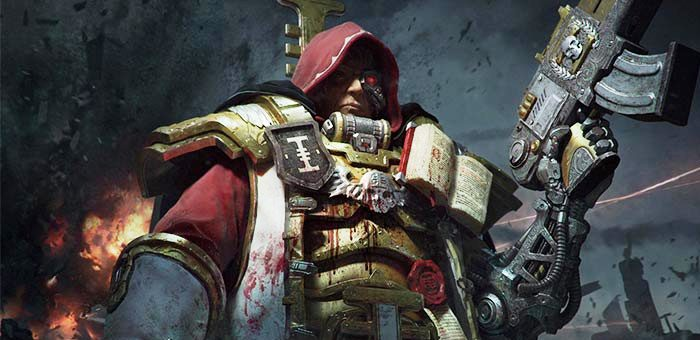
The relic suite is compact but punchy.
- Blade of the Ordo lets you pick a melee keyword each time you fight, so it’s never dead and always relevant.
- Digital Arsenal is a ranged assassination trick that throws mortal wounds and allocates them like Precision, which is perfect for Agents who love removing a key model rather than wiping a unit.
- Truesilver Weave is brutally practical, flattening incoming damage to 1 per hit, and it turns some Characters into absolute time-wasters.
- Tainted Blade is Radical-only and stacks offensive power with a risky “unleash it” mode that adds Hazardous and Devastating Wounds.
- Icon of Intolerance is Puritan-only and is one of the most dramatic relics in Crusade, basically giving you a resurrection moment plus an area battle-shock punch.
- Archeotech Curiosity is the campaign casino chip: roll three different effects at the start of battle, and it can range from stealth protection to psychic defense, movement freedom, stat boosts, or even random weapon modifications.
Closing:
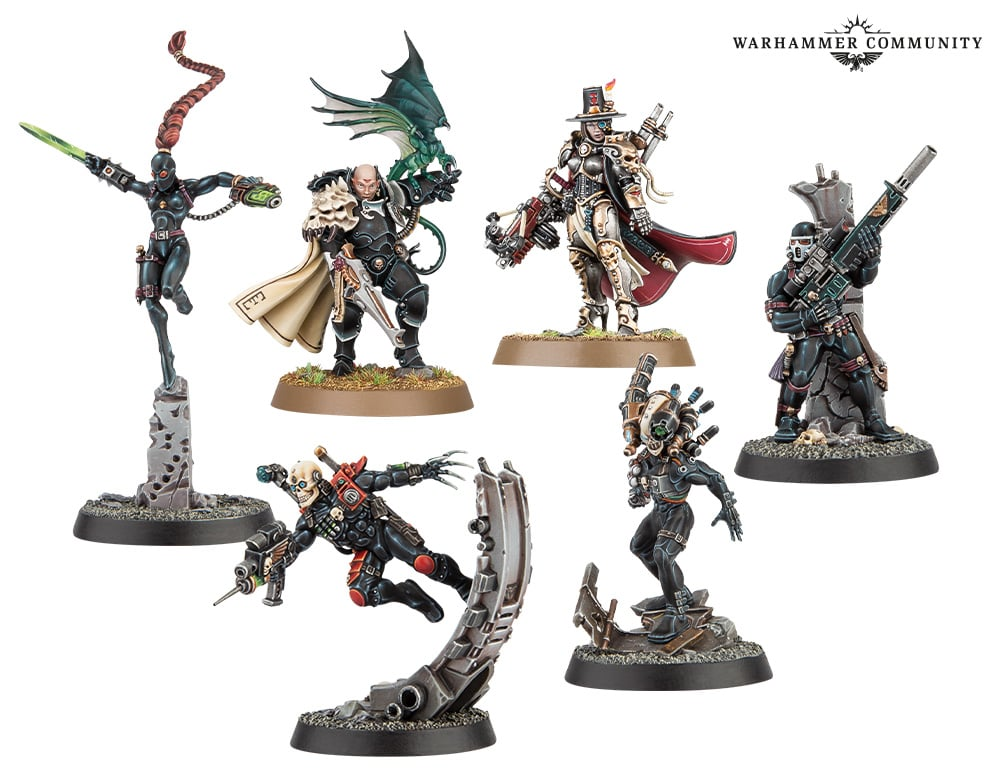
Battle traits and relics are where Agents stop feeling like a toolbelt and start feeling like a cast. The faction’s best upgrades don’t just make you hit harder; they make your operation economy smoother and your positioning more inevitable. My favorite “fun” build is a stealth-forward Character with Clandestine Investigator plus an infiltration-heavy plan, because it turns Investigation points into something you generate by playing the story. My favorite “mean” build is a Warlord who commits fully to Puritan or Radical identity, because the extra Influence or Intrigue at the end of games adds up faster than people expect.
If you want to get cute, pair a Voidfarers unit with Repulse Boarders and an Imperialis Fleet playstyle, then use free reactive plays to keep your agenda scoring alive under pressure. If you want to get efficient, Deathwatch with Brotherhood of Veterans lets you correct bad honour rolls mid-campaign, which is one of the strongest forms of consistency Crusade can offer. And if you want a table moment everyone remembers, Icon of Intolerance is the kind of relic that creates stories on demand.
The big takeaway across all three posts is that Agents reward planning more than raw list power. When you align your Shadow Operation goals, your agenda outputs, and your upgrade path, the campaign starts feeling less random and more like you’re running a machine. That’s exactly what Imperial Agents should feel like.