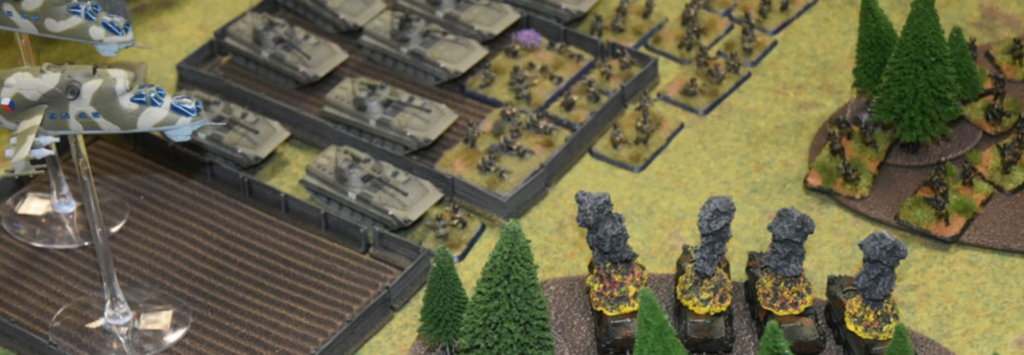
t is turn five, the clock is running down, and the objective is still occupied. Meanwhile, your opponent is dug in and feeling confident.
Across Flames of War, Team Yankee, and similar systems, this moment decides games more often than any dice spike. Yet, many newer players hesitate and keep shooting instead of committing to an assault. However, dug-in units are not invincible, and learning how to crack them wins games.
Although assaults can feel risky, they are also one of the most powerful tools available. More importantly, success is rarely random. With planning and timing, assaults become reliable rather than desperate. The key is understanding a simple framework that experienced players lean on when it matters most.
Why Assaults Fail or Succeed
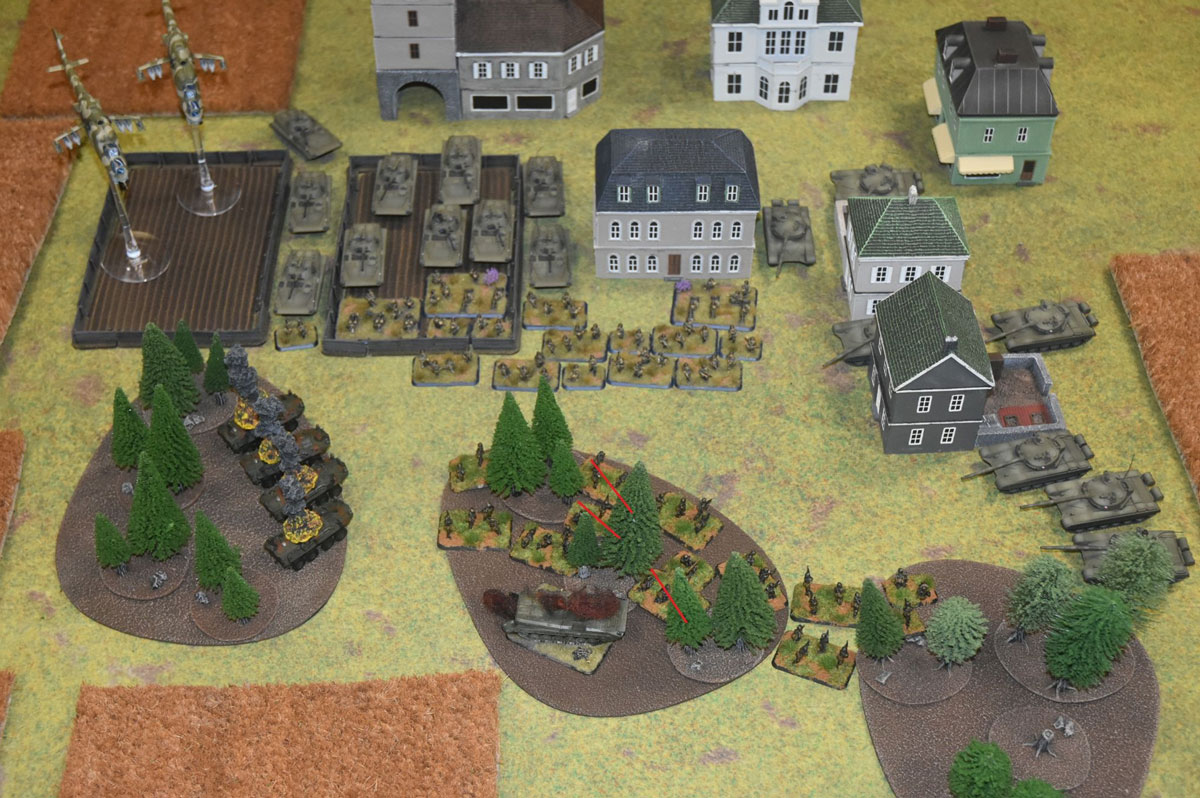
At a glance, assaults seem to live or die by the dice. However, most failed assaults are lost before dice ever roll. When defenders have support nearby, full rates of fire, and maximum team strength, even elite attackers bounce off. Conversely, when defenders are isolated and weakened, assaults suddenly feel inevitable.
This is where the I.S.R.S. method comes in. Isolate, Suppress, Reduce, and Swarm. Each step builds toward the next, and skipping one usually leads to disaster. When done correctly, even veteran infantry can be pushed off an objective in a single turn.
Isolate and Suppress the Objective
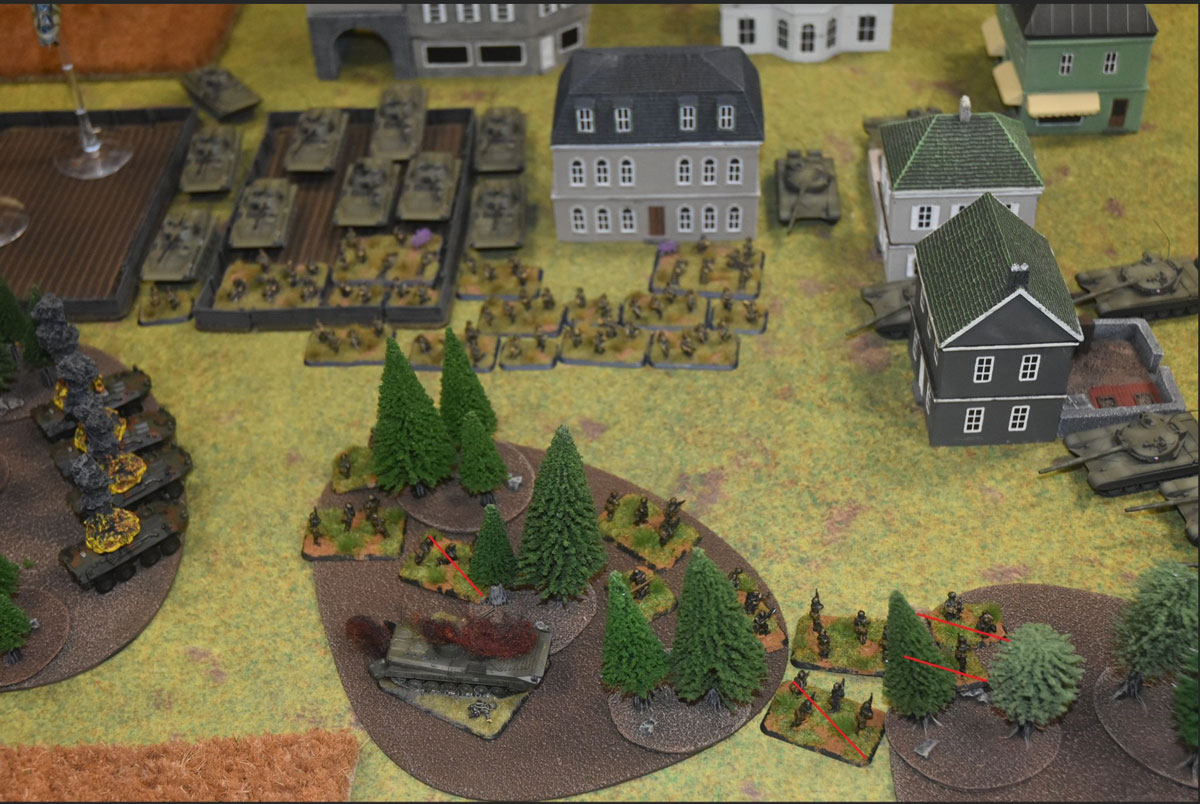
Isolation starts in the movement phase. You want to position units so the defending platoon has no friendly teams within eight inches. This cuts off defensive fire support and prevents other units from joining the assault. If outright destruction of support units is not possible, smoke artillery can block line of sight and achieve the same effect.
Once isolated, suppression becomes the priority. Pinning the defending platoon dramatically reduces defensive fire. Because pinned infantry lose much of their rate of fire, attackers suddenly survive long enough to close the distance. At this stage, you are not chasing kills. Instead, you are setting conditions for the assault.
Reduce the Defenders Before You Charge
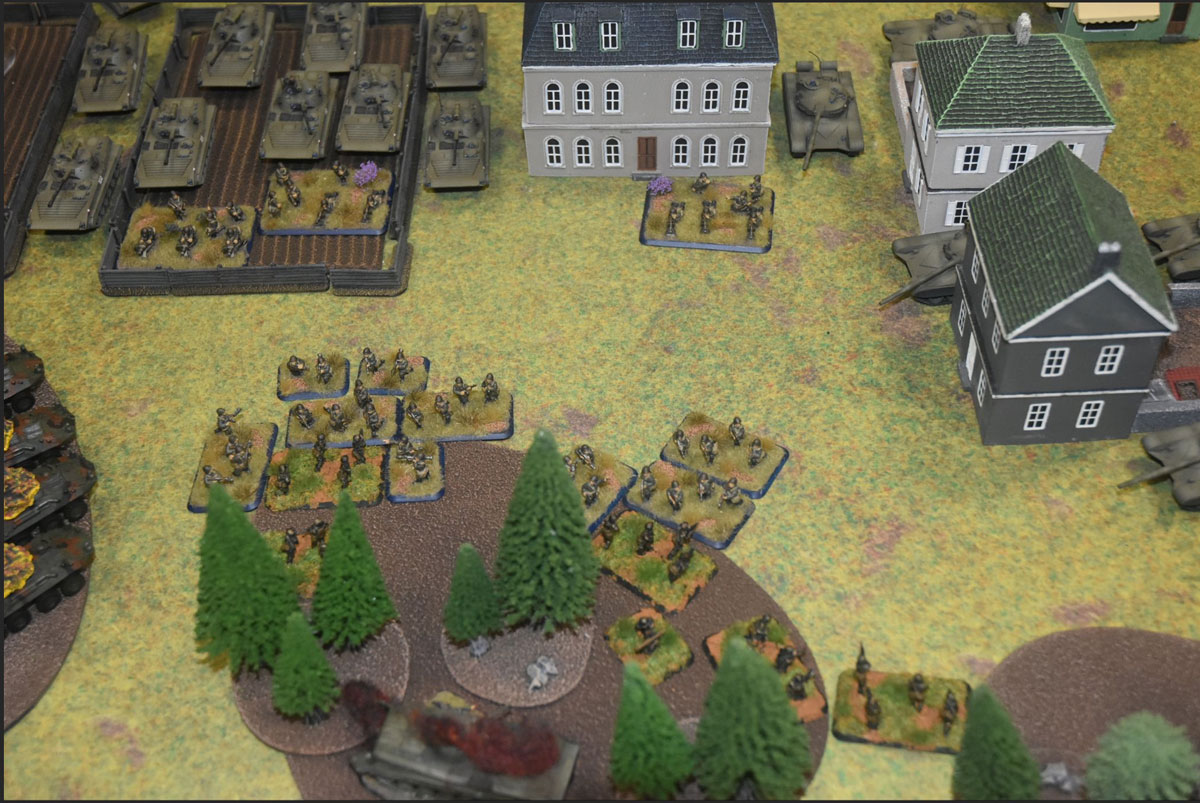
With the target isolated and pinned, every remaining gun should focus on reducing their numbers. Tanks, infantry weapons, and supporting fire all contribute here. Each removed team lowers defensive fire and makes assault resolution easier. Even a few casualties can tip the balance.
Importantly, this is where patience pays off. Rushing an assault before reducing the enemy often wastes the entire turn. However, committing after thinning the defenders turns a risky move into a calculated strike.
Swarm and Finish the Job
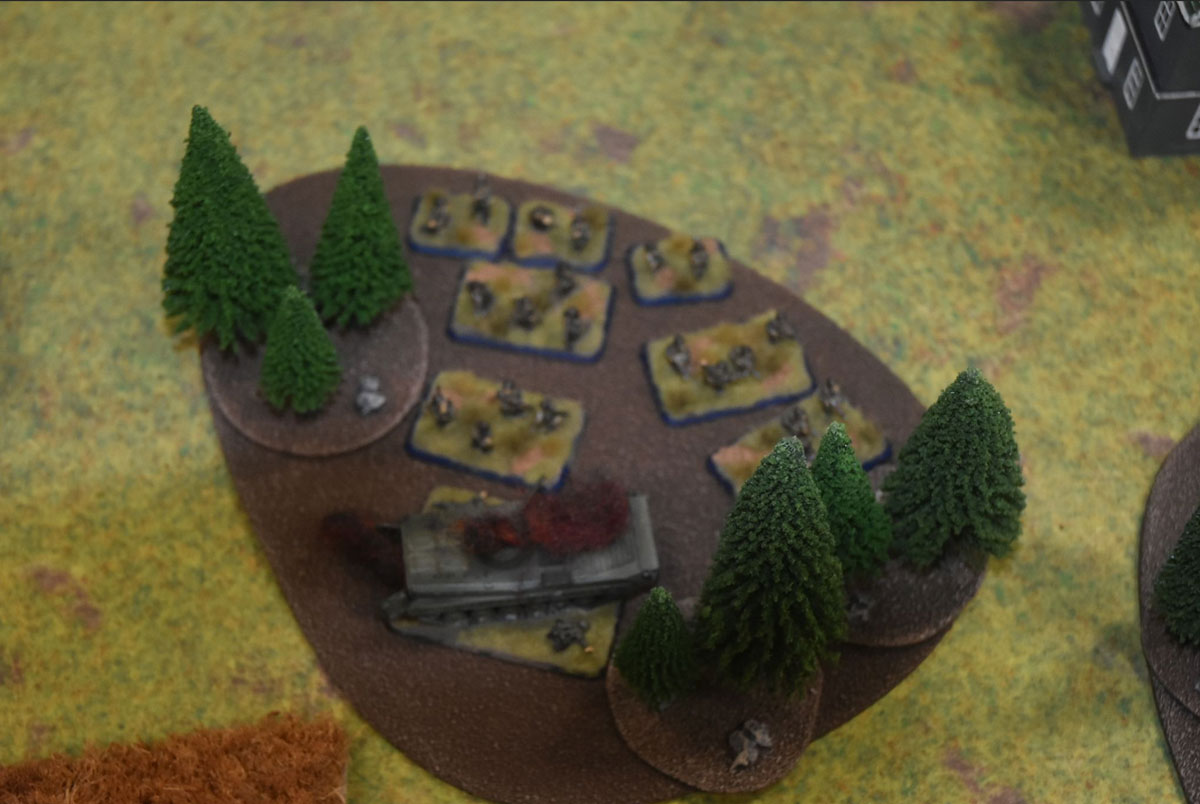
The final step is the assault itself, and this is where many players misplay. You should never rely on a single unit. Instead, swarm the objective with multiple assault-capable units positioned to attack in sequence. While only one platoon assaults at a time, each failed attempt still weakens the defenders.
Eventually, one assault breaks through. When the defenders have nowhere to retreat, the entire platoon is destroyed, and the objective is secured. With proper planning, this can all happen in one decisive turn.
Summary
In the end, assaults are not reckless gambles. They are structured, deliberate plays built on isolation, suppression, reduction, and swarming pressure. When executed correctly, even heavily dug-in units collapse quickly. So next time the clock is running out, trust your planning, commit to the assault, and take the objective instead of hoping shooting alone saves the day.
And remember, Frontline Gaming sells gaming products at a discount, every day in their webcart!