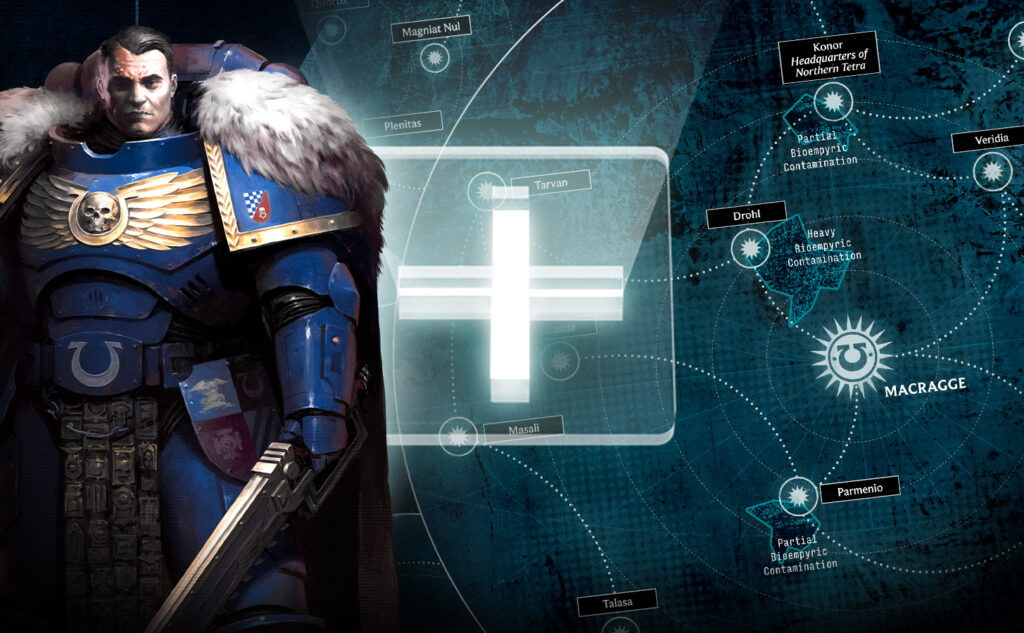
I finally cracked open the new 500 Worlds: Titus books this week, and they immediately got my hobby brain buzzing.
Meanwhile, Warhammer+ Loremasters dropped an episode all about Ultramar, so the timing could not be better. Alex steps in as presenter, and he walks through the setting with the kind of enthusiasm you expect from someone who has painted more blue armor than is healthy. And if you have ever pushed Ultramarines across a tabletop, the episode feels like free narrative fuel. Plus, it reminds you why this region is such a core part of the 40k identity.
The “500 Worlds” is an intent, not a literal headcount
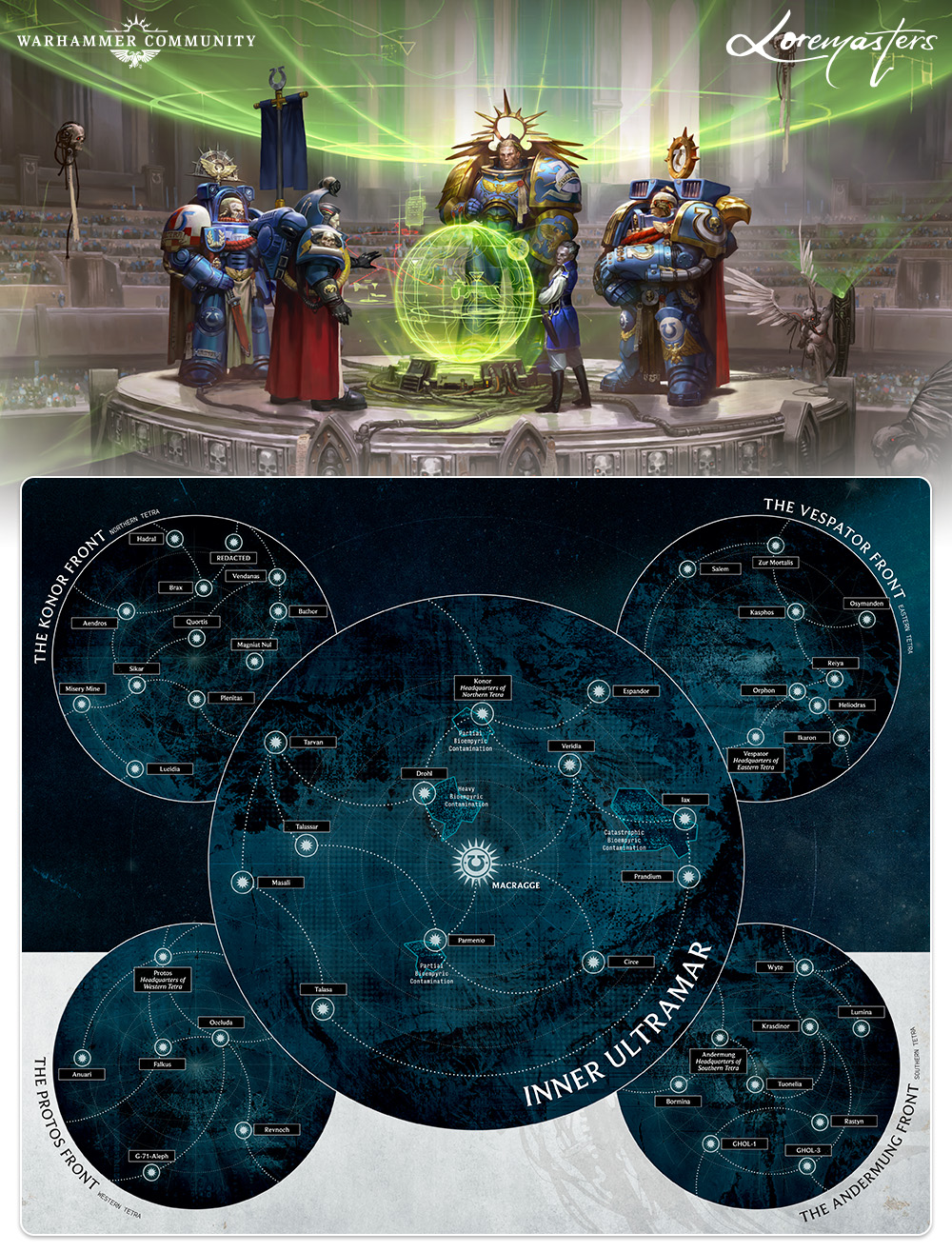
Alex explains that the title “500 Worlds” is more of a promise than a spreadsheet. However, during the height of the Great Crusade, Ultramar really did contain more than five hundred planets. Therefore, Guilliman’s order to reclaim the domain is both inspiring and almost impossible. For every world brought back into the fold, another starts whispering about rebellion or gets chewed on by xenos. So the Ultramarines live in a loop of conquest, rebuilding, and conquest again. Also, it makes sense that characters like Titus never seem to run out of trouble.
Five planets that define the vibe of Ultramar
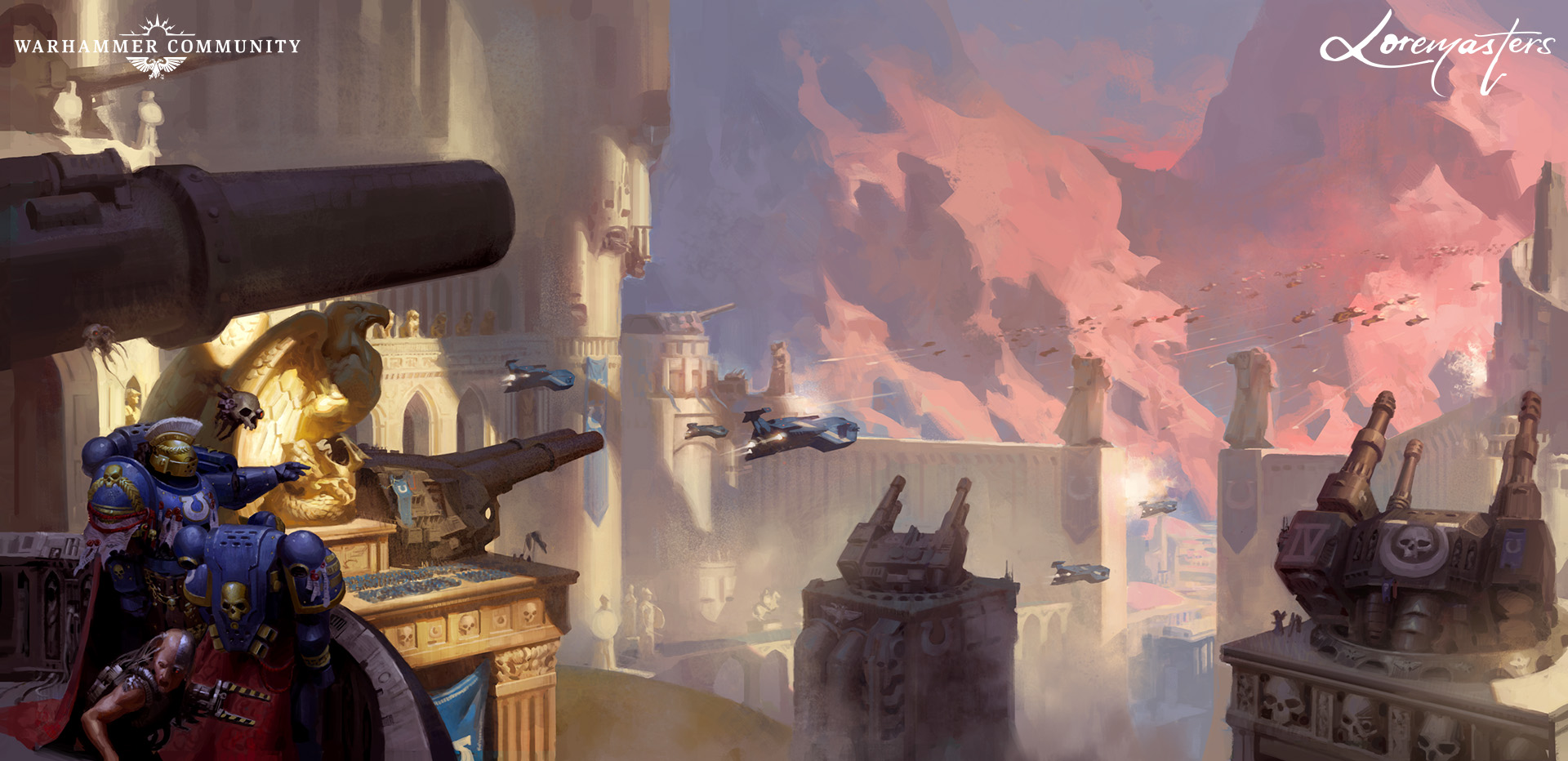
Macragge is the shining centerpiece, and it works as the cultural heart of the region. Moreover, it joined the Imperium willingly and became the home of Guilliman himself. You have the famous landmarks too, from Macragge Civitas to the Fortress of Hera. However, even this model world nearly fell when Hive Fleet Behemoth arrived. The defenses crumbled step by step, and the First Company died to the last man before help finally pushed the Tyranids back.
Calth still carries the scar of the Word Bearers betrayal. Consequently, the traitors poisoned the system star and stripped the atmosphere away. The population now survives underground in a maze of caverns packed with industry and soldiers. Meanwhile, those legendary shipyards keep the Ultramarines fleets supplied, which keeps the whole realm breathing.
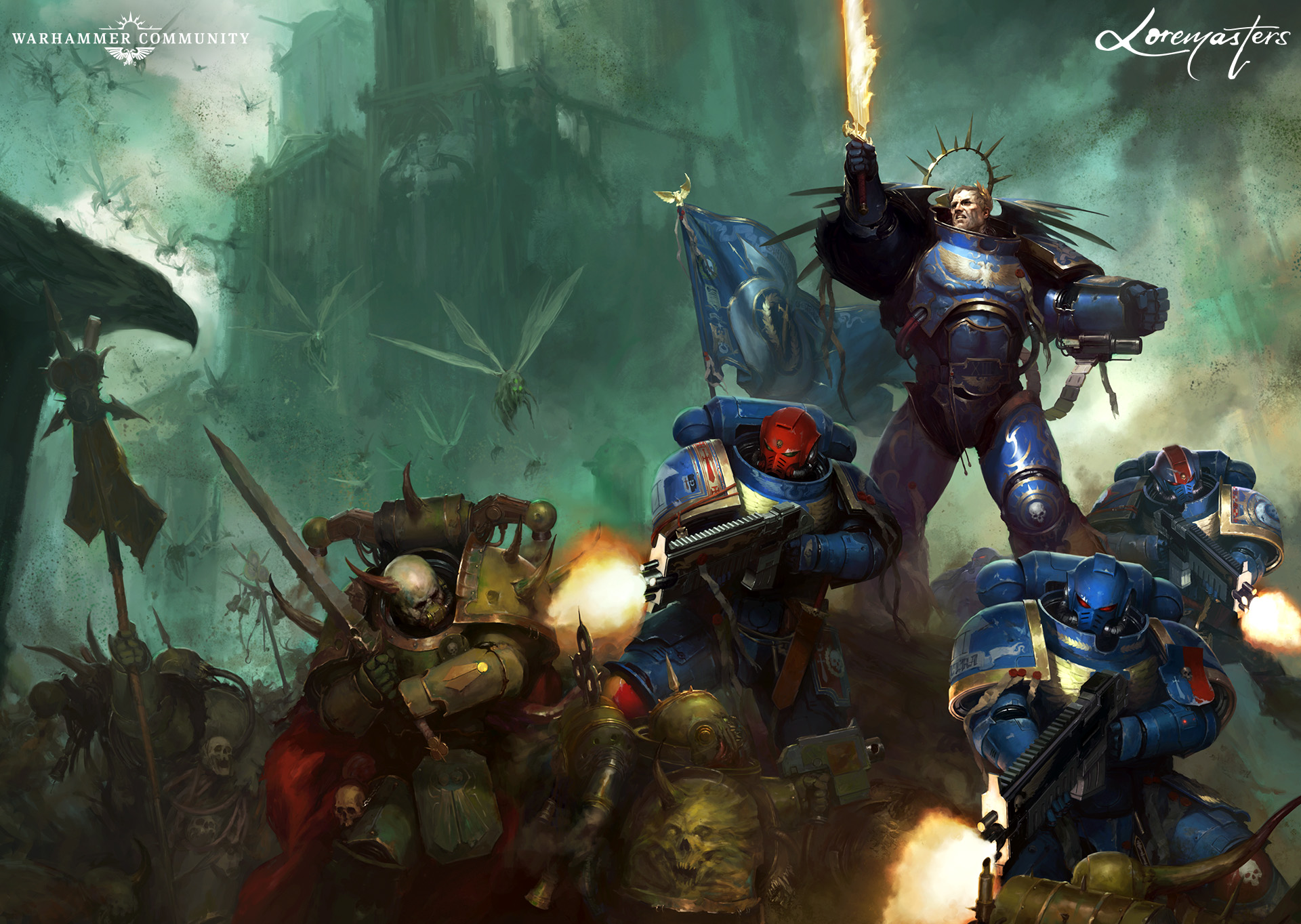
Masali used to be a dependable agri-world, yet the Great Rift nudged it off its axis. Then grav-waves and storms ground the surface into fertile plains, so the Administratum restarted production. However, crops began to fail and one harvest exploded into a cloud of flies. Madness spread, a gateway opened, and the Death Guard poured through with daemonic allies. Only Captain Acheran breaking the Cadropolis siege saved the planet.
Tarentus feels like old Masali, rocky and dry, and it relies on wind traps and vast domes. Moreover, it has faced Orks and the heretic M’kar the Reborn. Calgar had to intervene personally to stop him. Also, this is where Metaurus recruited a young Demetrian Titus, which is a neat bit of character history.
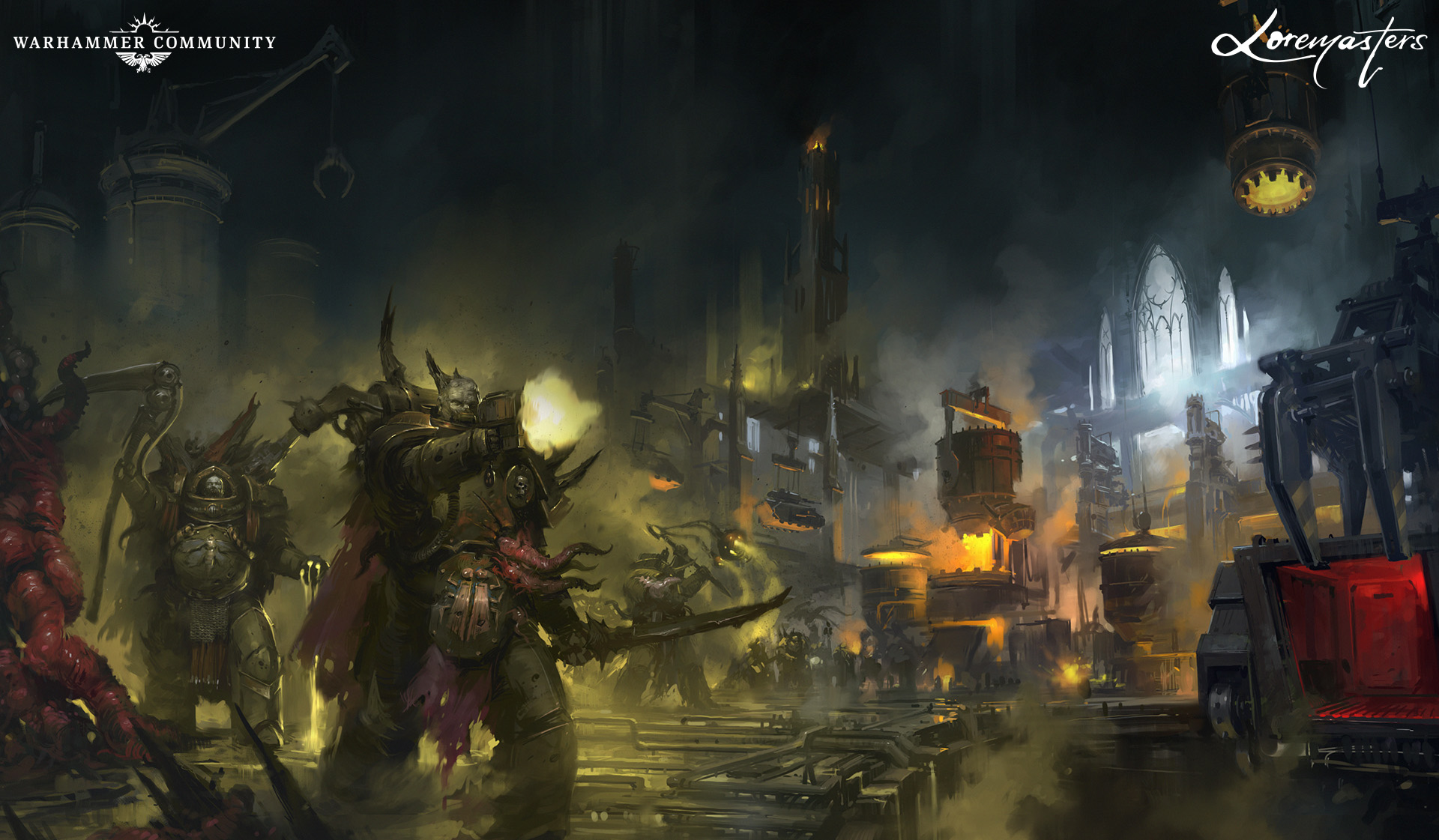
Iax, called the Garden of Ultramar, became a hospital world during the Plague Wars. Therefore, patients were sorted to medicine, servitor care, or sanctioned exorcism. Quarantine stations watched every shuttle, yet a parasite slipped through. It spread like wildfire and seven hosts opened a rift for Nurgle daemons. Guilliman fought Mortarion there, and despite victory, Exterminatus wiped the surface clean.
Summary

Ultramar feels less like a paradise and more like a battlefield with nice architecture. Moreover, each planet shows a different flavor of disaster, which is perfect for campaign ideas. So the Loremasters episode is worth a watch if you want story hooks for Crusade games.
Meanwhile, Warhammer+ is lining up Victory Pointers on the Movement phase and a Scrap Demon challenge with Skaven monstrosities. Looking ahead, the spring slate includes Trazyn’s Tesseract Trials, Ultimate Paint-Off, and Adepta Sororitas: Penitence. And the subscription still bundles the diorama miniature, full app army building, and access to the massive Vault through your My Warhammer account.
And remember, Frontline Gaming sells gaming products at a discount, every day in their webcart!