This is a summary of an existing article. However, it reads like a love letter to narrative play. Also, it sells the fantasy of your Saturday games mattering. So, if you’ve never run a campaign, this is your sign.
Why Narrative Campaigns Hit Different
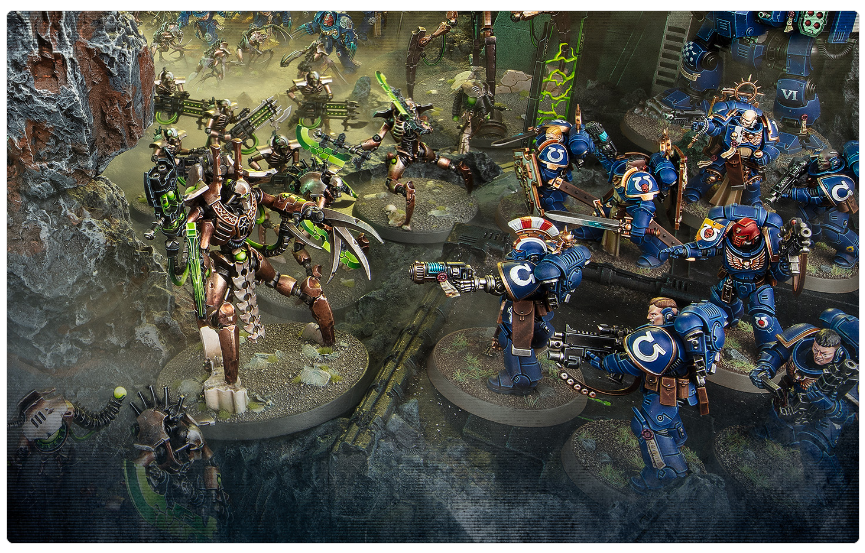
Regular Warhammer 40,000 games already rule. However, tying them into a long campaign changes everything. Suddenly, each battle is a chapter in a bigger story. Meanwhile, momentum swings as territory changes hands. Additionally, your heroes can rise up and lead veteran forces over time.
The pitch here is that it sounds complex, but it is not. Instead, the War on the Vespator Front book is built to hand you the structure. Therefore, you get the drama without needing a spreadsheet. Also, you get emergent moments that feel like real lore.
The Campaign Map, Alliances, and Stickers That Track It All
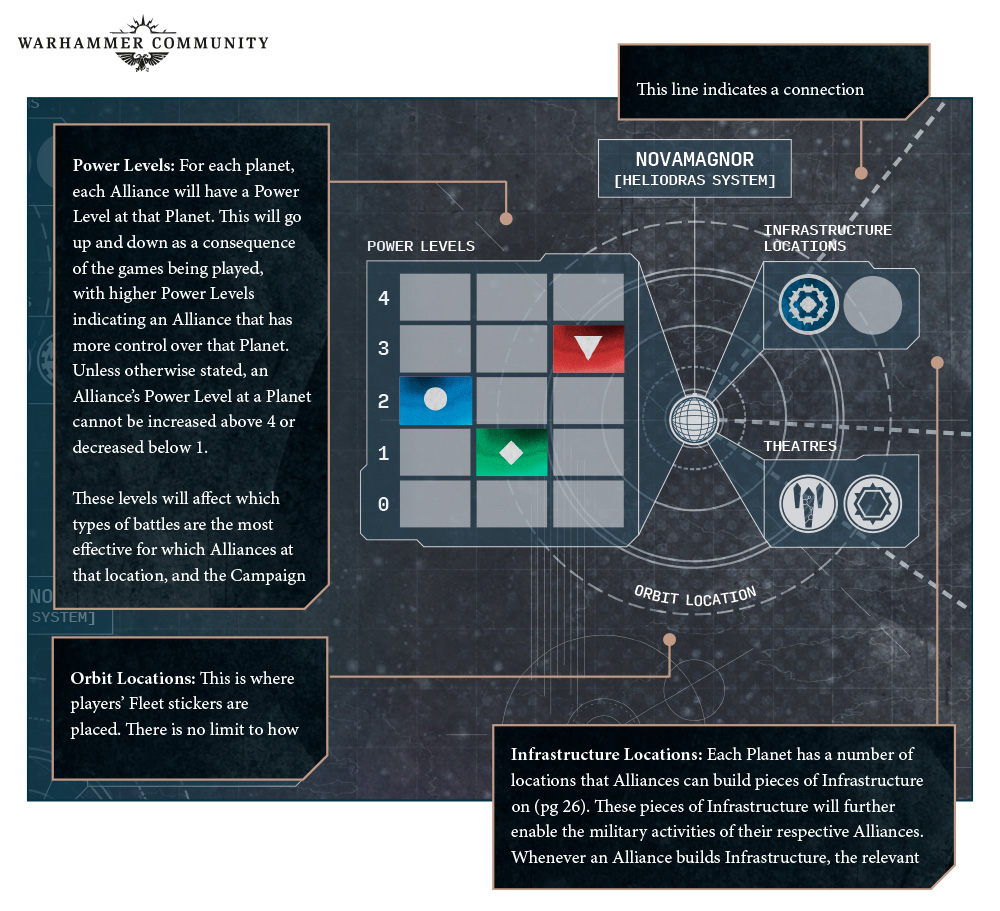
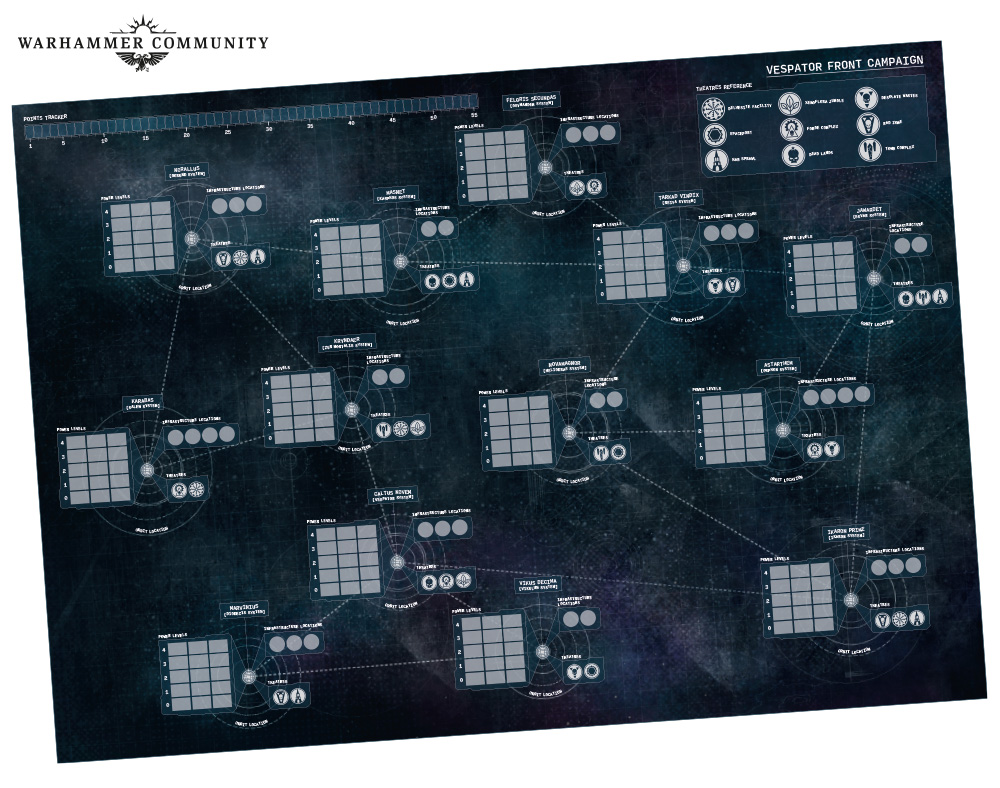
The campaign begins with a proper map, because of course it does. The set includes a large fold out campaign map for the Vespator Front. So, you can hang it up or spread it out as your rally point. Additionally, it has boxes for tracking progress as the story develops.
Three Alliances compete to control the most systems by the end. However, you get to decide why those teams exist. For example, they can be Imperial, Chaos, and xenos. Alternatively, they can be strange coalitions steered by different Inquisition ordos. Also, if your group only supports two Alliances, it still works. Similarly, small teams are supported too.
Importantly, Alliances do more than just fight. Planets need infrastructure, and battles need assigning. Therefore, the map tracks all those moves. Also, there’s a full sticker sheet, so you can mark everything cleanly.
Operations, Battle Theatres, and the Xenoflora Jungle Chaos
Each campaign phase, your fleet picks Operations. So, you might attack a neighbouring planet. Additionally, you might reposition, build infrastructure, or sabotage enemy control. That means players with no game that phase still contribute. However, fighting battles is still the fastest way forward.
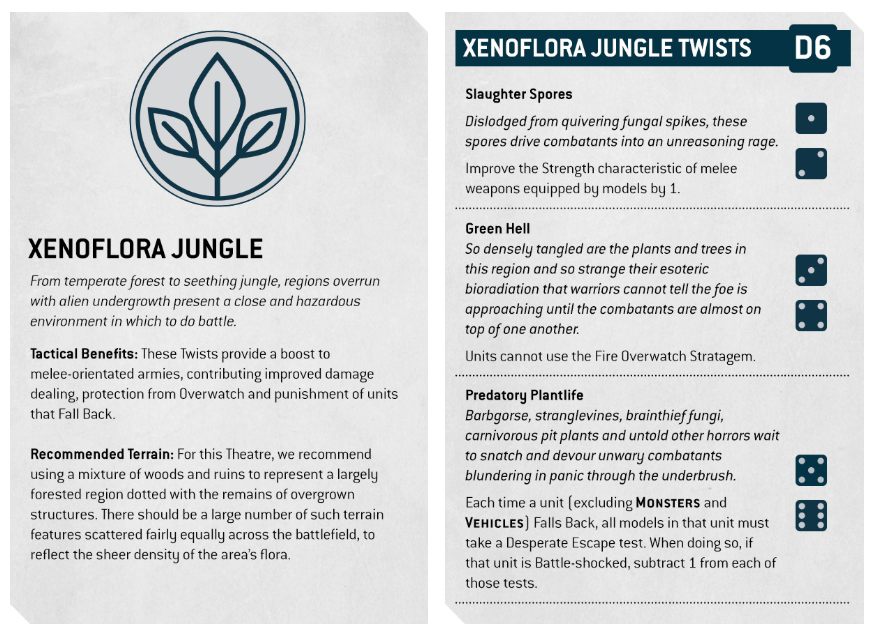
When you do fight, you pick a Theatre on the target planet. Therefore, your battle gets a thematic twist and terrain guidance. The Xenoflora Jungle is a standout. First, Slaughter Spores boost melee by improving Strength by 1. Next, Green Hell shuts off Fire Overwatch entirely. Finally, Predatory Plantlife punishes Fall Back with Desperate Escape tests, and it gets nastier if Battle shocked. So yes, melee armies will feel very smug here.
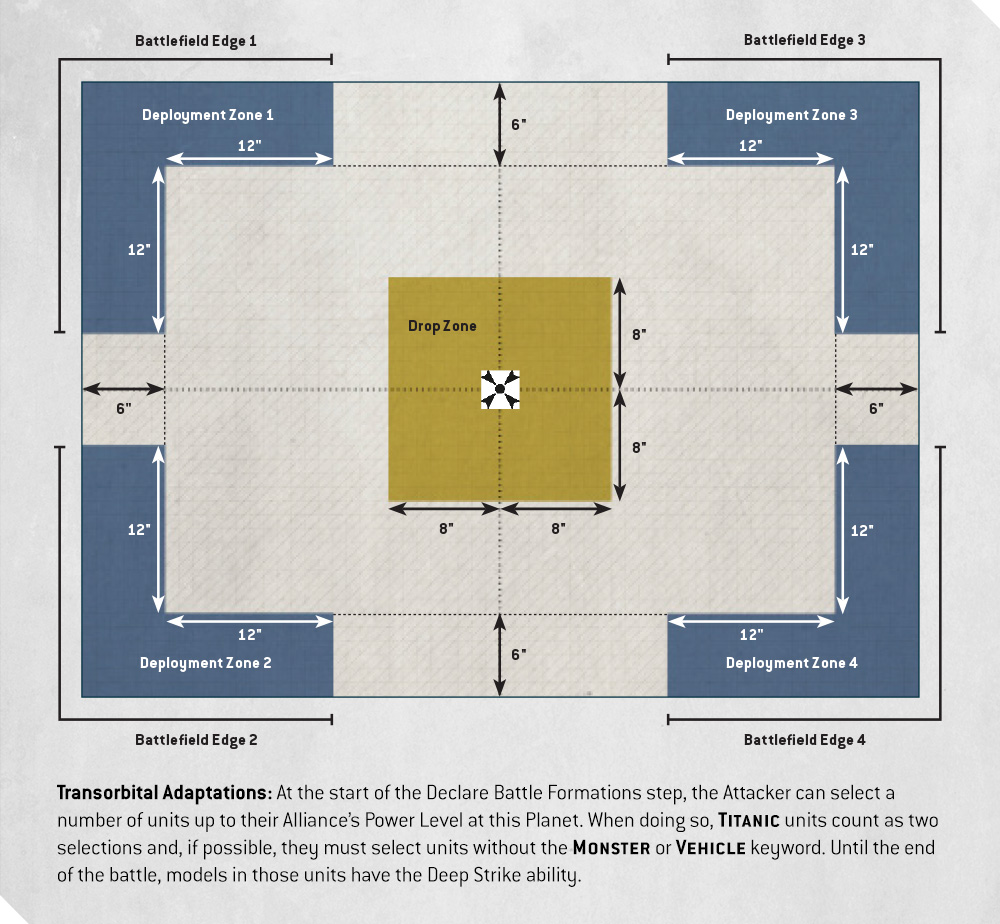
Also, missions work differently than Matched Play. The attacker chooses the objectives via the campaign’s attack types. For instance, an Orbital Invasion drops you into the board’s centre holding objectives immediately. Meanwhile, the defenders have to claw territory back around your landing zone. Additionally, better planetary control lets more of your units Deep Strike, which matters when you’re surrounded.
Summary:
In summary, War on the Vespator Front is basically a plug and play framework for turning casual games into a swinging map war, complete with team politics, off board decisions, and battlefields that fight back. Also, with pre orders for the 500 Worlds: Titus set landing this Saturday alongside Captain Titus and Nekrosor Ammentar, it’s a perfect excuse to start a campaign and let your group write some new scars into the galaxy.
And remember, Frontline Gaming sells gaming products at a discount, every day in their webcart!