The Commonwealth is not about flashy dominance. Instead, it is about control, teamwork, and steady pressure.
So, the vehicles and walkers are built to feel dependable. And because of that, they reward players who plan two turns ahead.
Clear summary of the Commonwealth game plan
The core idea is simple, even if the toys are not. Commonwealth automation exists to smooth out risk, not replace crews. Therefore, the roster aims for reliability, tempo control, and sustained pressure. Some platforms can act as centrepieces, however they shine brightest in a network. In that network, units cover each other’s weaknesses and keep the advance moving. Consequently, the faction feels measured rather than explosive.
Early walker doctrine: get close, throw hands, and bully space
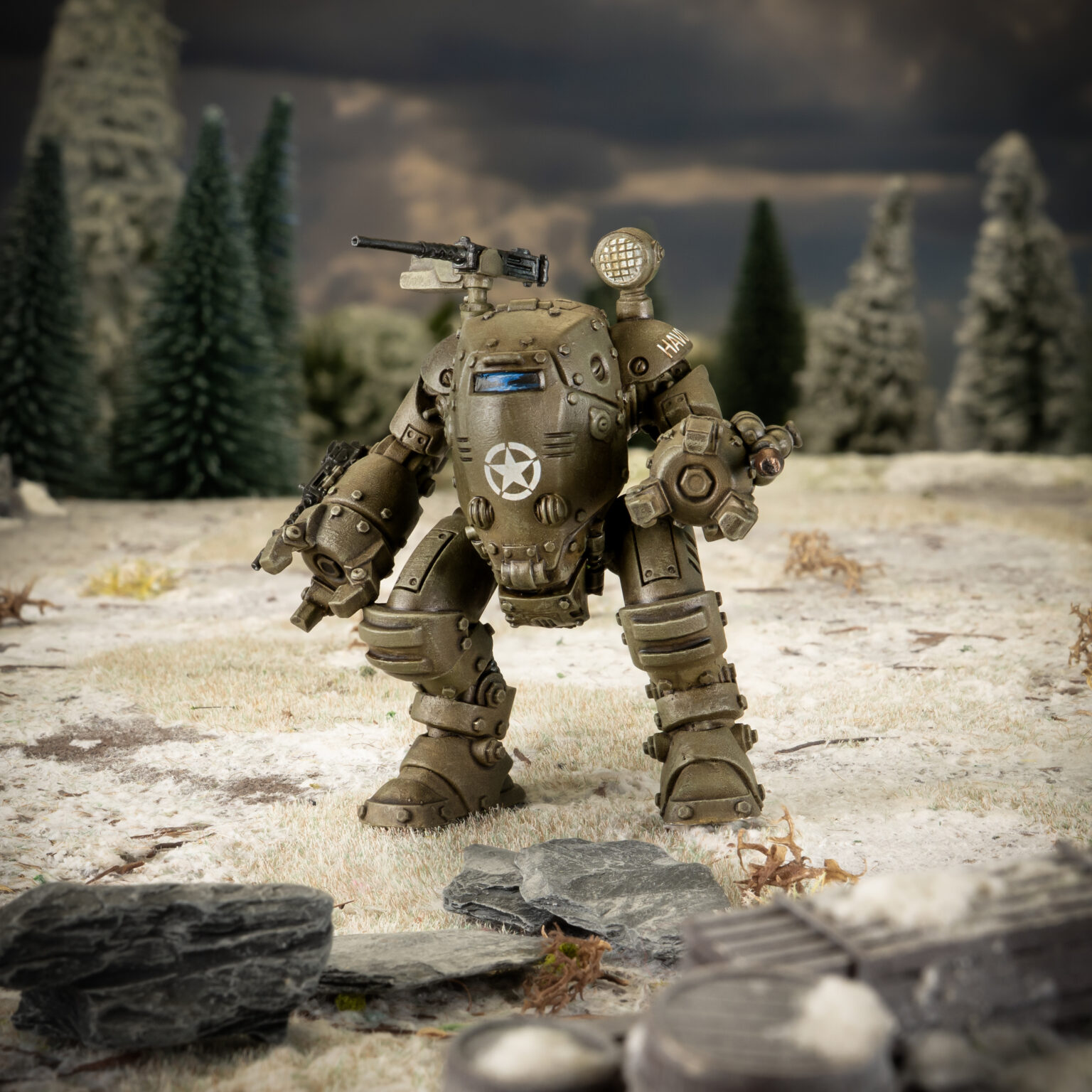
Before the fancier systems took over, the Guardian and Hornet were built for immediate battlefield problems. They are “hands on” walkers with functional combat arms. So, they matter in a game that rewards close range violence. They also sit at low to mid points, which keeps them practical.
The Guardian is the purest version of that early doctrine. It does not want a ranged duel. Instead, it wants to get within six inches and start causing problems. Point blank bonuses help its accuracy, while its HMG and flamethrower hit hard up close. Since it is a single crew walker, it usually bullies one target at a time. That limitation is actually the point, because it forces commitment.
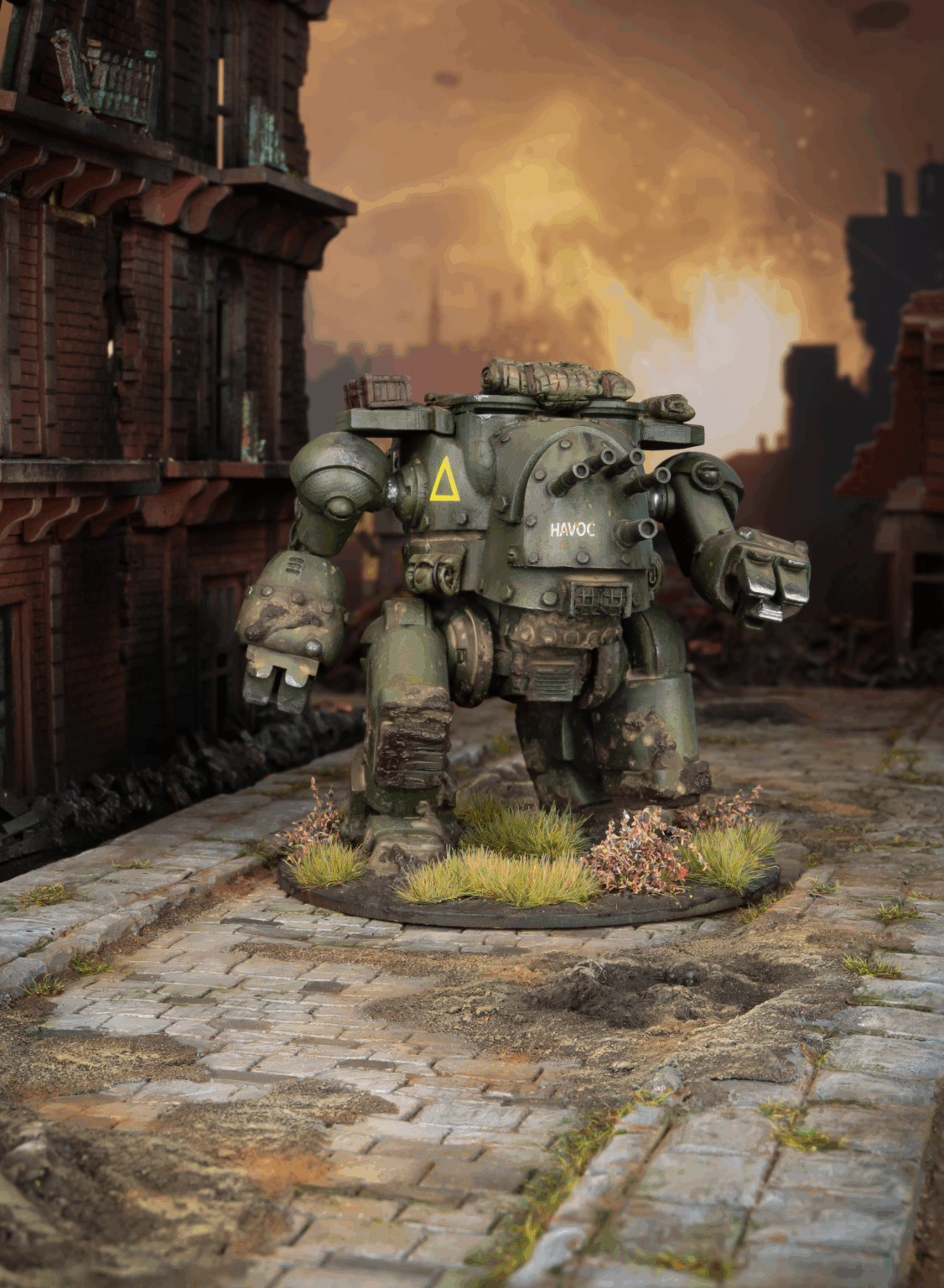
Meanwhile, the Hornet is the same idea scaled up. It advances, suppresses infantry, and makes forward positions painful to hold. It also loves that same six inch danger zone for bonuses and pass through attacks. However, it can change personality at Veteran with Computational Systems. Without automation, you often commit early and seize ground fast. With automation, you can advance more carefully while still applying pressure.
Reactive control: fast armour that punishes mistakes
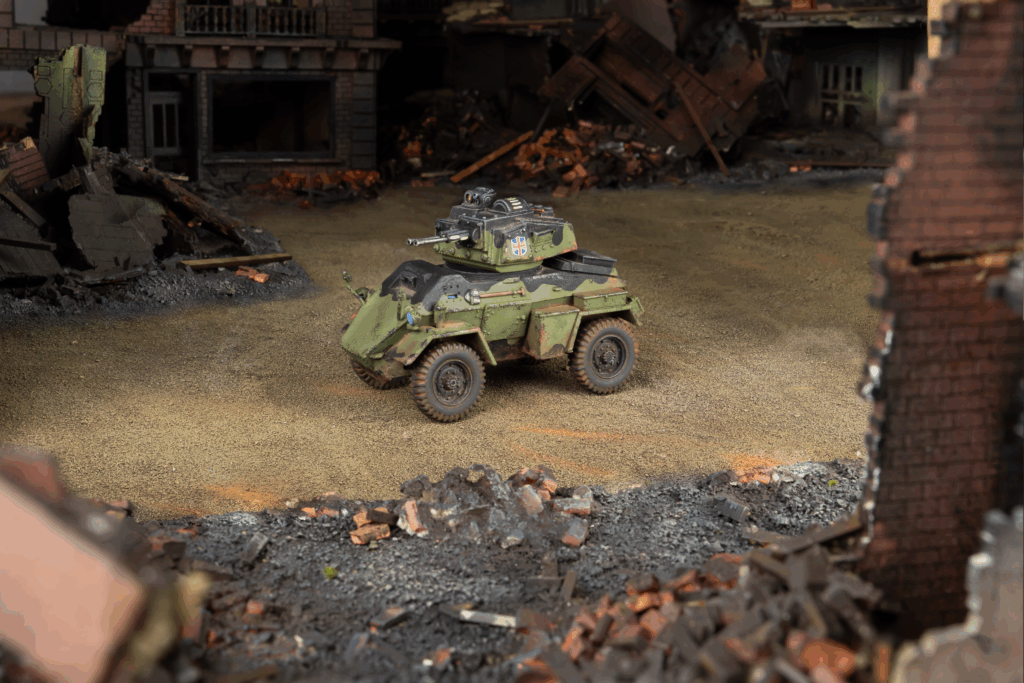
As automation spreads, the faction gains a different kind of control. The Humber Armoured Car Mk VII is the clearest example. It is fast and light, and it brings accurate autocannon fire. So, it plays like a patient predator, waiting for openings. Computational Systems let it reposition without losing accuracy. It also pressures by existing, because it influences enemy movement and punishes overextension.
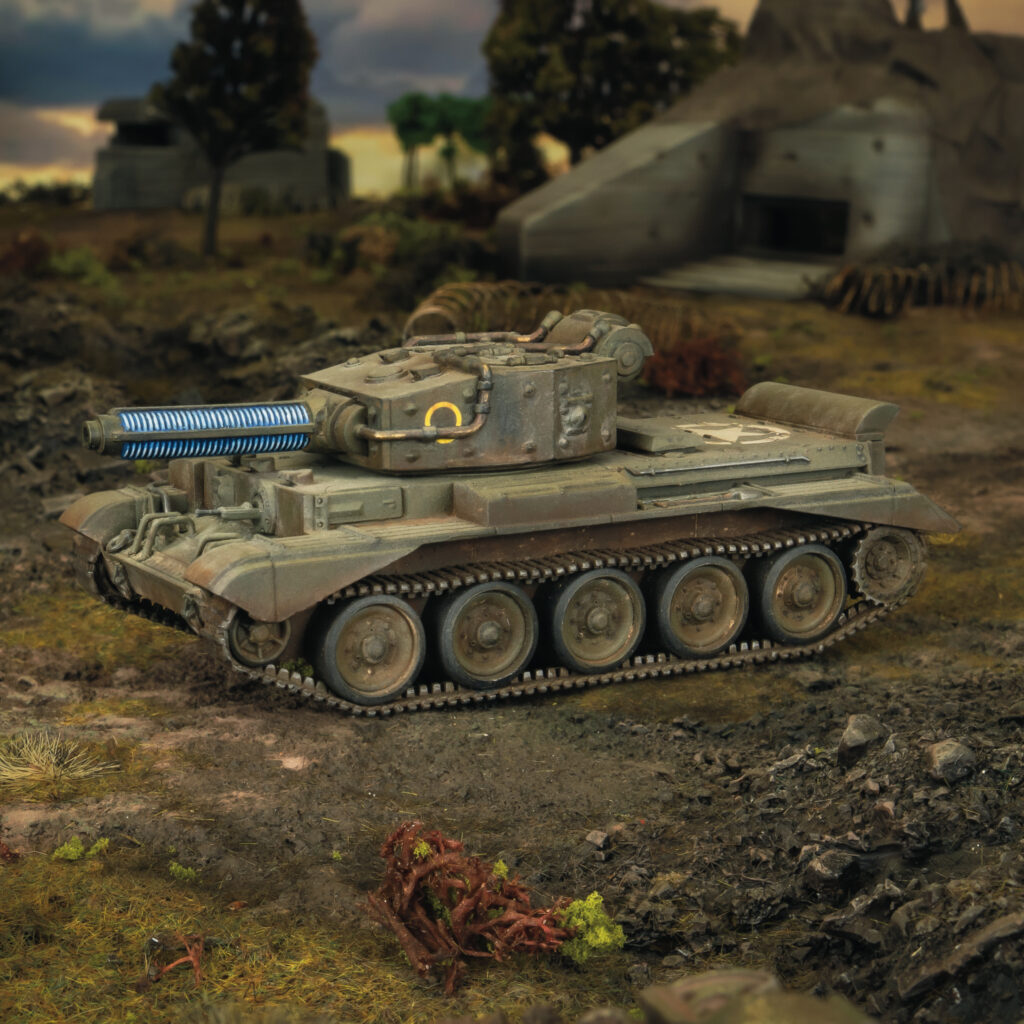
The Cromwell-T builds on that reactive style, but it adds Rift Unit reliability. Automated Recovery helps it shrug off Crew Stunned moments that would normally stall you. Therefore, it keeps tempo even under fire. It also has the Fast rule, so it can shift flanks aggressively. And with an M17 Tesla Cannon reaching out to 48 inches, it can influence lanes without rushing into point blank danger. In practice, it is about multi turn agency, not one big heroic shove.
Percival vs Merlin: two ways to create inevitability
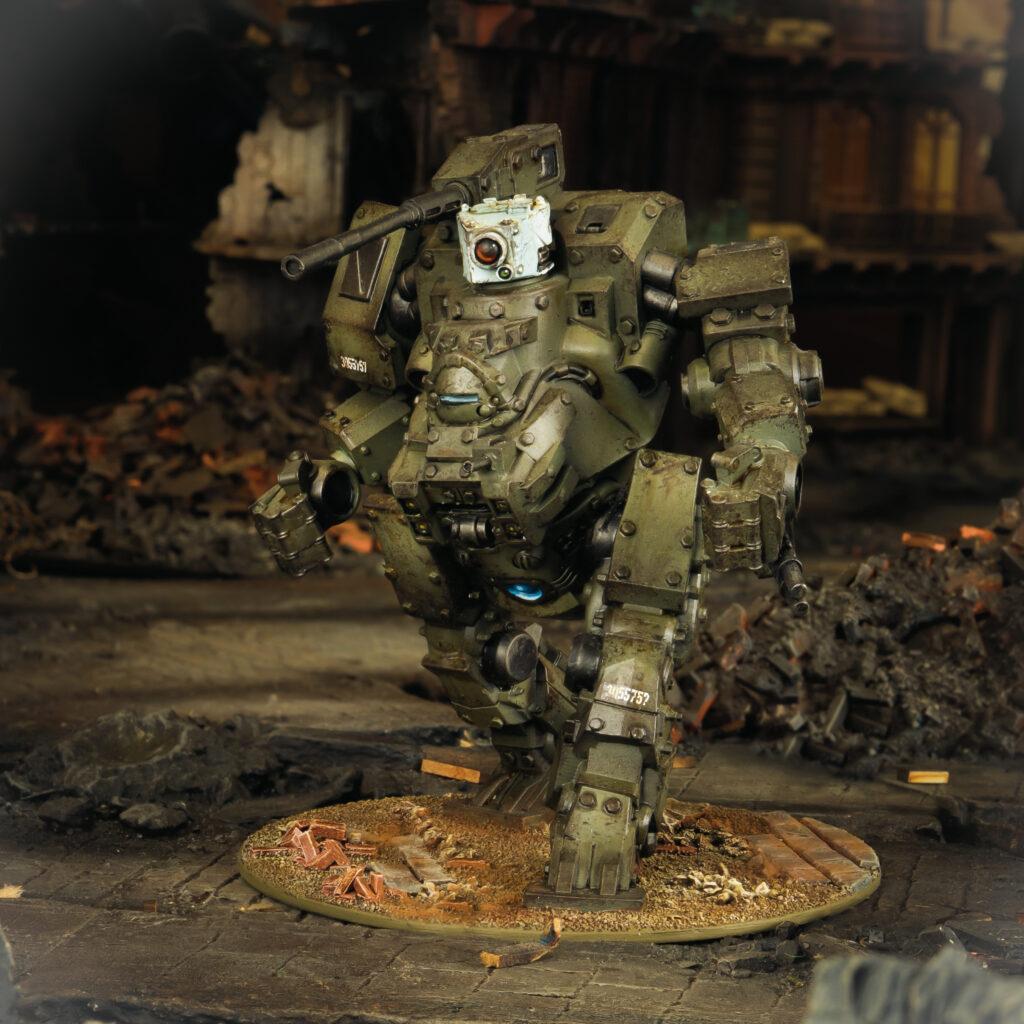
At the top end, the article frames the Percival and Merlin as parallel answers. Both chase sustained pressure with reduced variance. However, they do it differently.
The Percival is inevitability through control. It fights at range and does not use its arms in melee by design. Computational Systems let it move without losing accuracy, while Reinforced Frontal Armour and Automated Assistance reduce risk. Its Tesla cannon and Medium Rocket System keep threat consistent. So, it controls lanes, denies space, and supports advances without overextending. Once it is established, it is hard to shift without paying a price.
The Merlin is inevitability through commitment. It is a Rift Unit, so Automated Recovery helps it stay functional while exposed. It also has the Guinevere enhancement, which adds adaptability and outcome control. Unlike the Percival, it keeps combat arms, so it can scrap up close. With a natural DV of 10+, it stays dangerous in mech fights. Meanwhile, its heavy anti tank gun, improved HE, and big HMG output keep it relevant into many targets. Therefore, it works best as a spearhead that absorbs attention and keeps swinging.
Controlling the moment: why Commonwealth wins without “spike turns”
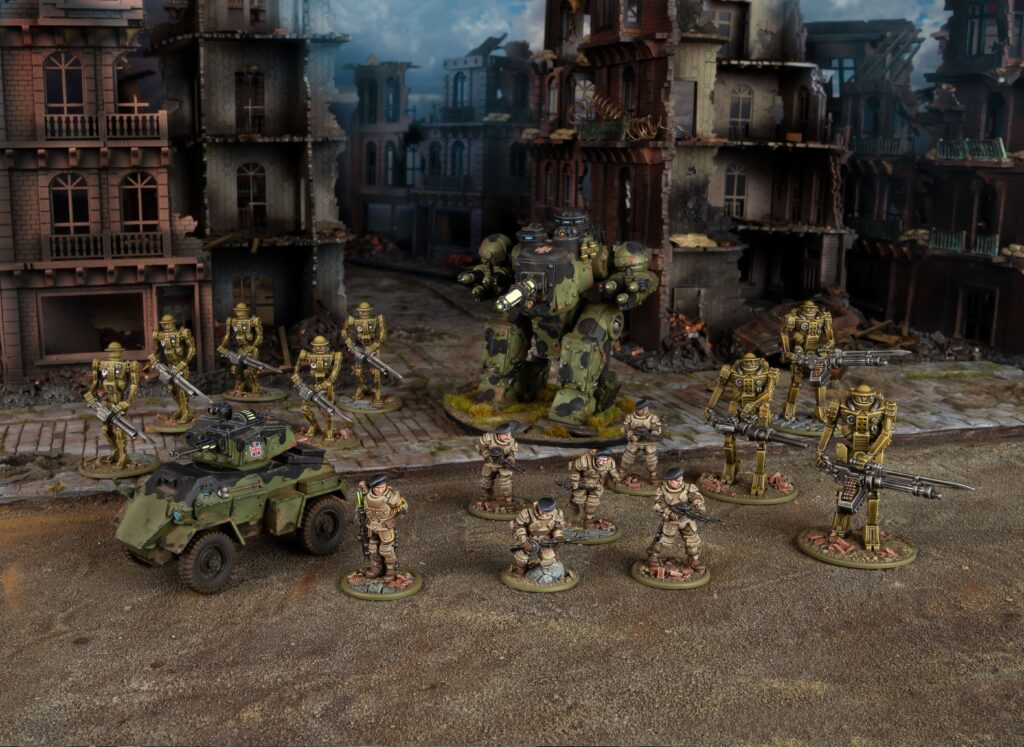
The final theme is tempo. Tools like Superior Codebreaking and Rift enabled command structures help guarantee first activation when it matters. So, a close range bully can strike before an enemy slips away. Or, a reactive unit can stabilise before pressure shifts elsewhere. This is not about one explosive turn. Instead, it is about preserving agency across the game.
In the end, the Commonwealth identity is consistent. Early walkers demand proximity and decisiveness. Later platforms use automation to stabilise movement and response. Then, the Percival and Merlin offer control or commitment, depending on your style. So, if you like calm planning and relentless pressure, this roster will feel right at home.
And remember, Frontline Gaming sells gaming products at a discount, every day in their webcart!