
Warhammer games often tilt before the first die is rolled.
Army selection shapes your chances far more than many admit. This White Dwarf tactica breaks list analysis into clear, repeatable steps. Moreover, it shows the process in action with a 1,000 point Adeptus Mechanicus force. Consequently, you get a blueprint for smarter lists and closer games.
How List Analysis Works And Why It Matters
Stephen Box frames analysis around victory points, not vibes. To win, you must score Primaries and Secondaries, or stop your opponent from doing so. Therefore he grades every unit out of five in three areas. Completing Primary Missions, Completing Secondary Missions, and Damage Output. Additionally, he recommends gut level scoring, then validating on the table after games.
The Method: Score, Average, Adjust
You rate each datasheet for mission play and lethality. Then you total each column and divide by the number of units. Therefore you get quick averages that spotlight strengths and gaps. Post game, you revisit the numbers with real results. Moreover, you iterate across factions, missions, and dice luck to refine choices.
Case Study: Dan’s 1,000 Point Adeptus Mechanicus
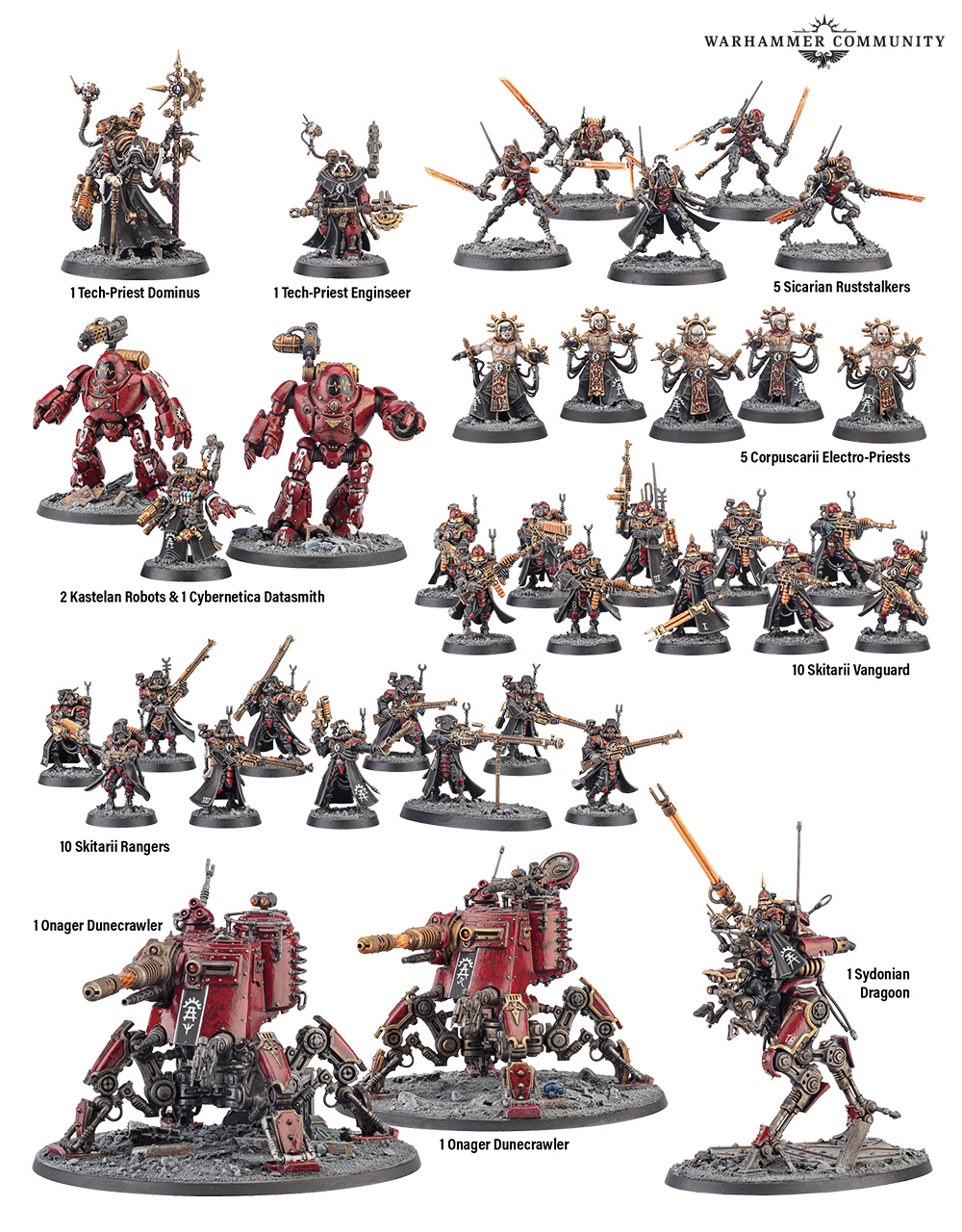
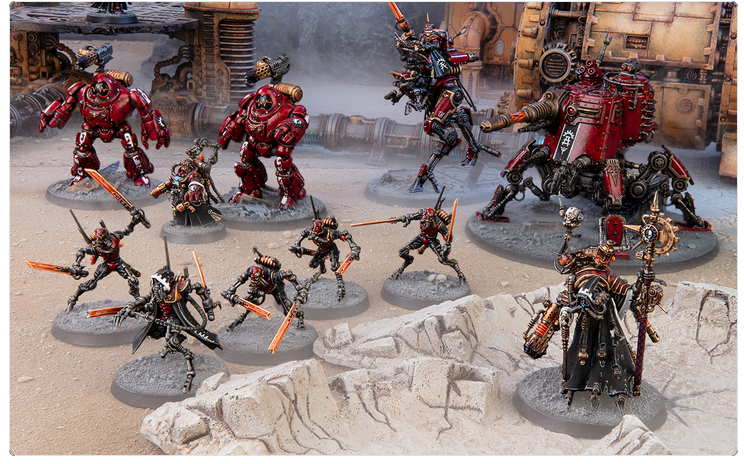
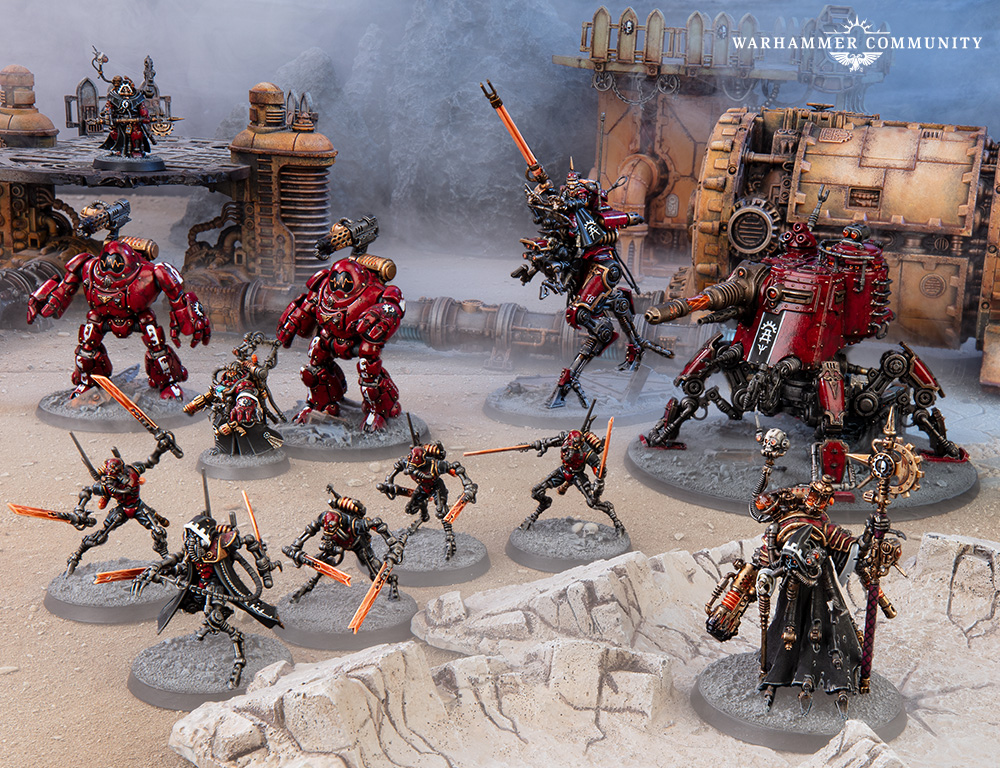
Stephen applies the method to Dan’s casual Crusade list. The army mixes older kits without a strict game plan. However, the scoring reveals hidden shape and obvious holes. Vanguard score five on Primaries with strong OC and OC reduction. Rangers score five on Primaries and four on Secondaries thanks to Scout and sticky objectives. Additionally, the Enginseer shines as a Lone Operative backfield holder. Onagers hit five on Damage with neutron lasers and love Bring It Down. Meanwhile, Electro Priests and a lone Dragoon lag on mission work and durability. Kastelan Robots with Datasmith threaten objectives, overwatch, and melee trading. The Tech-Priest Dominus adds Feel No Pain, yet brings limited OC impact.
What The Numbers Say And How To Play It
The averages land at 2.8 for Primaries, 1.9 for Secondaries, and 2.4 for Damage. Therefore the list leans toward board control over raw lethality. Primary scoring looks better than expected due to unit count and OC tools. Moreover, sticky objectives and OC reduction push that edge further. Secondaries are the pain point, since fast units are fragile and tough units are slow. Consequently, Engage on All Fronts and Behind Enemy Lines prove awkward. Fixed Secondaries like Bring It Down can work, yet become opponent dependent. Damage skews into tanks via two Onagers, while heavy infantry remain troublesome. Additionally, the Protector Imperative boosts Ballistic Skill but taxes movement. You trade shots for VP tempo, which can choke Secondaries and some Primaries.
Summary
Stephen’s system turns list tweaking into a clear loop. You score units, read the averages, and play to your strengths while shoring gaps. Moreover, Dan now sees why Primaries felt fine while Secondaries stalled. Next steps are tactical tweaks with his current collection, then targeted swaps. Consequently, you can copy this flow for any faction and level up fast. Grab a notebook, rate your units, and let results guide your upgrades.
And remember, Frontline Gaming sells gaming products at a discount, every day in their webcart!




Drop The Robots, drop that single lance, get four auto cannon striders, you need more bang, and while robots have much bang robot don’t go far fast. Auto cannon striders x4. The Dunecrawlers… eh… Ptraxxi. Two variants of Ptraxxi. Try both. Two slow robots with two more slow robots that only two have some AP in there… eh… You confine yourself from the start with no way to keep consistent pressure thus you are confined with your back against the wall as you cannot adapt. Ptraxxi do have grenades… do go through armor… and if you have enough Ptraxxi with four mobile autocannon striders… you do not have a lot of hardiness… but… you can cause havoc while four auto cannons are available almost always… If you do not limp wrist your dice rolls with Ptraxxi you might generate a victory out of havoc.