There comes a point in every weird war game where tanks and power armor stop being enough. Konflikt ’47 hits that point hard.
This part of the series, which follows the earlier looks at Heroes and then Mechs, dives straight into the stuff that crawled out of the Rift when scientists stopped asking if they should. These are the things every commander notices first, because they will not stop walking at you. They are the monsters. They are why flamethrowers and brave sergeants exist. They are also why your opponent suddenly spends three turns trying to hold one objective.
Because this article is working alongside the ongoing Konflikt ’47 rules coverage, it keeps that same tone of explaining how and why you would actually use these units on the table. Since the earlier parts covered command resources and walkers, this one shows what happens when you let the Rift rewrite biology. As you will see, every nation has leaned into this in a different way, although the Axis are still the biggest culprits. Yet even the Allies could not resist making perfect soldiers out of concentrated science.
What Counts as a Monster
In Konflikt ’47 these creatures are not just big infantry. They are Specialist Infantry. That single detail is huge because it means they can fill the compulsory Assault Platoon slots that keep your lists legal. So you are not taking them as a weird side dish. You are taking them as your main course. Normally they come tuned for close combat, usually with Deadly, Tough Fighter, or similar rules that turn every swing into more dice and more penetration. They also arrive with Rift tricks. Every monster has access to Active Rift Enhancements and very often to a Surging Rift Die that can push them above their already nasty baseline.
However, the real defining trait is resilience. Most of them are Damage Value 6+ or 7+. Many of them are Fearless or Hard to Kill or both. That means small arms are there to annoy them, not remove them. If they get a Surging Rift Die their durability can even spike to 8+ and now your opponent must commit real guns or risk getting locked in combat. Because your monsters ignore morale and stay fighting, they are perfect for making the table messy. You can throw them in, force a fight to last, then swing Mechs or Heroes in behind that distraction.
How Monsters Move and Hunt
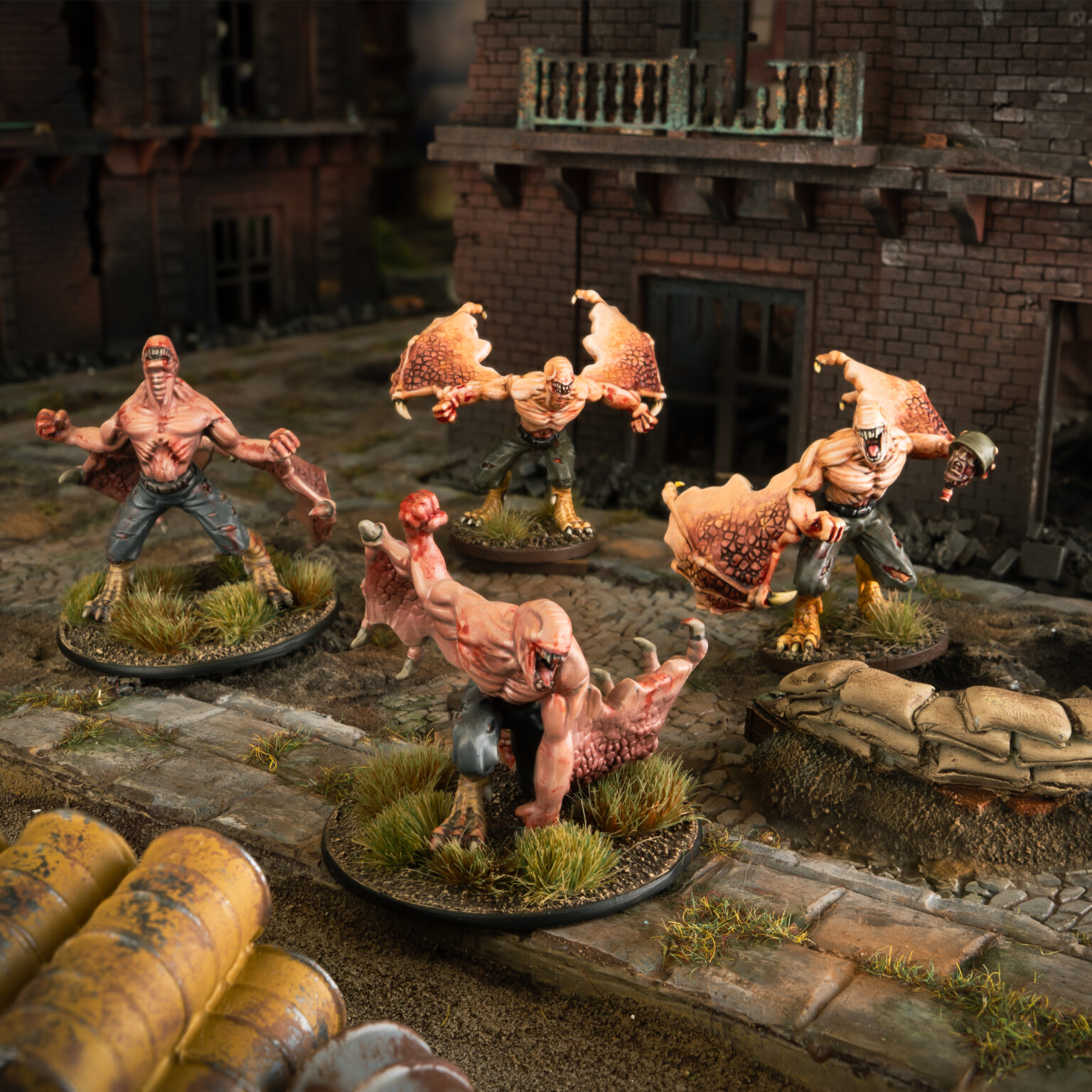
Not all of these Rift things waddle across the board. Some fly, some infiltrate, some just refuse to die while they advance. The article calls out three broad movement styles. First are the fast assassins such as the Nachtjäger that use Flight to hop over cover and tear into backline units. These work best when you time them. If you go too early they get focus fired. If you go late they clean up. Second are the slow horrors like Totenkorps or Shibito. These look harmless at range, yet they just keep coming and their numbers can be replenished. Third are the sneaky ones such as the Nachtalben who use Infiltrator and Fieldcraft to appear, spray, and fade.
Because so many of their abilities are powered by consuming Rift Dice, they are explosive rather than constant. You can trigger Schreckwulfen terror auras or Ursus Infantry fury modes to break a line, but after that you will often lose some of that edge until you can refresh. Therefore the timing mini game matters. You hold the Rift power until the enemy has already committed. Then you make them regret it.
National Menageries
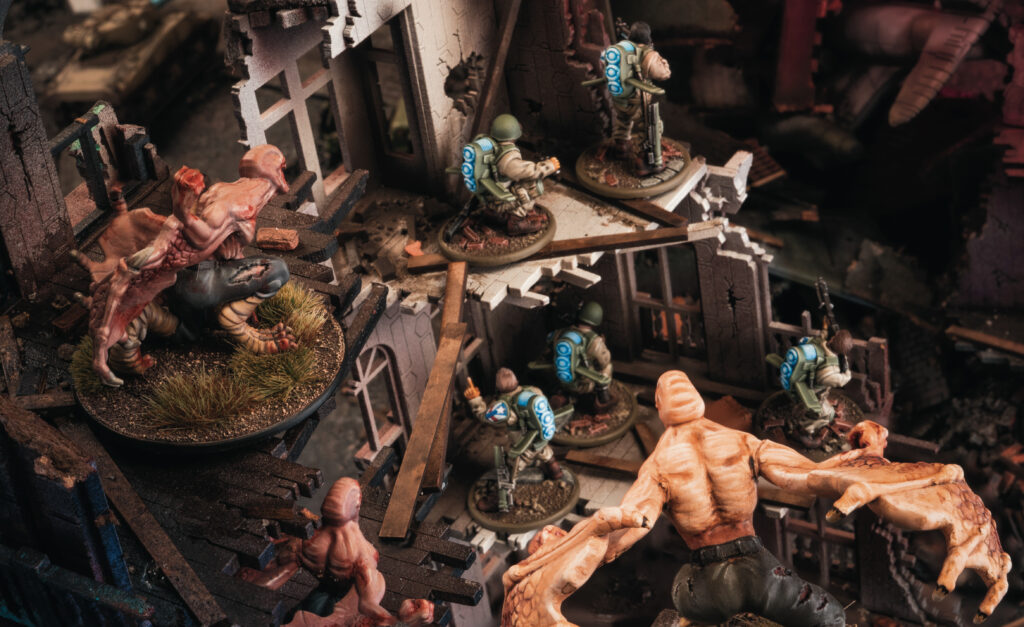
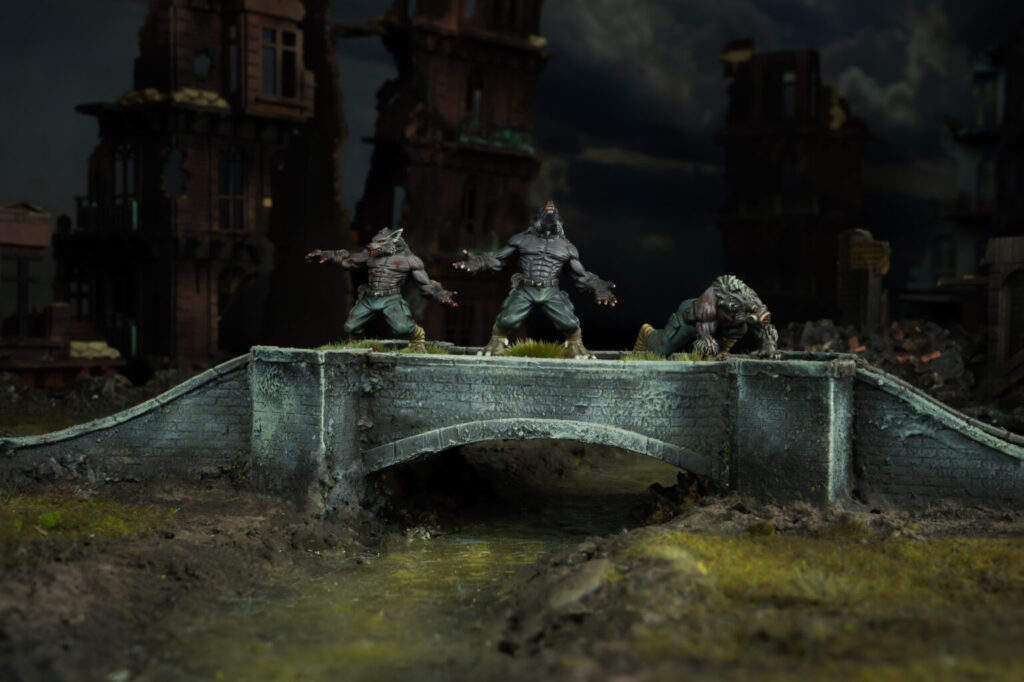
The Axis are the obvious masters of horrible things. Their Totenkorps and Schreckwulfen arrive at Damage Value 7+, can come back with The Dead Rise, and are Fearless so they stay in combat even if they lose. This forces opponents to spend good units on bad positions. Their lighter monsters, the Nachtalben and Nachtjäger, reward precision. With a Surging Rift Die they can hit with Deadly (2), then Shadow Dance back to Ambush, which is extremely annoying for anyone trying to line up a clean counter. Because the winged versions can move 18 inches and strike before infantry, even high value 7+ targets have to respect them.
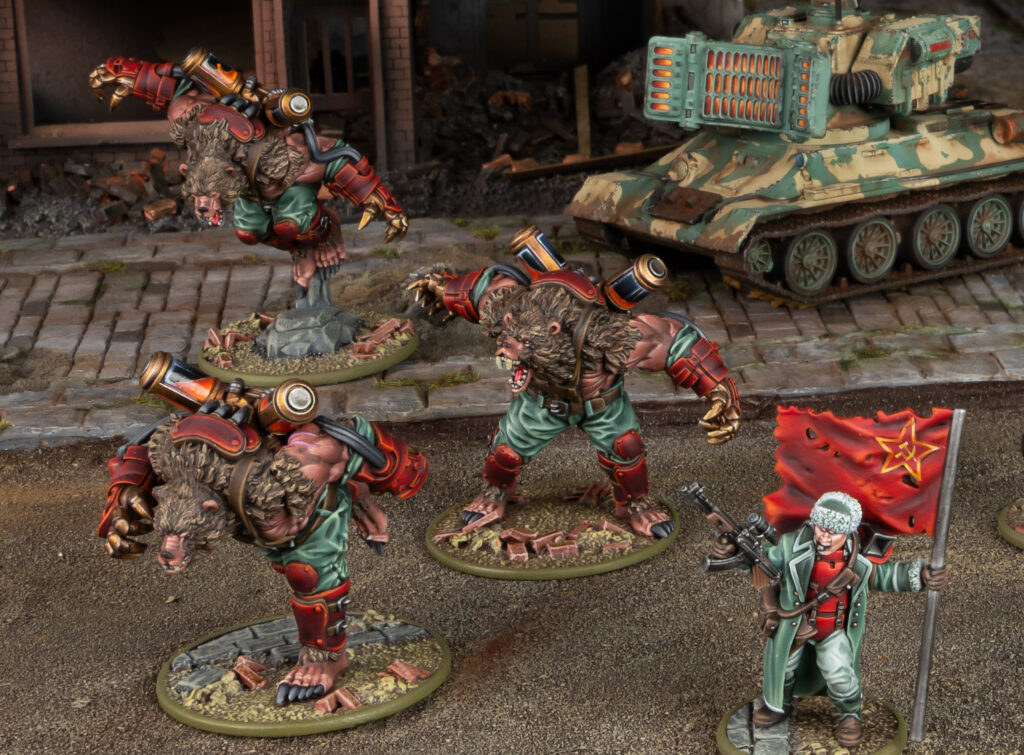
The Soviet Bloc leans into suffering and rage. Ursus Infantry are basically walking battering rams. When they trigger Ursine Fury they get Fast and +3 Pen in close combat, so even armored targets hate them. Since they are Hard to Kill and can sit at 7+ or 8+ Damage Value, they soak fire like champs. Moroz Gul take the opposite approach. They turn on Killing Mist, gain cover, ignore defensive positions and then use Infiltrator to be on the objective before you are ready. Japan’s Shibito are similar to Totenkorps but faster, especially when surging, which makes them perfect roadblocks even if they are not as tough.
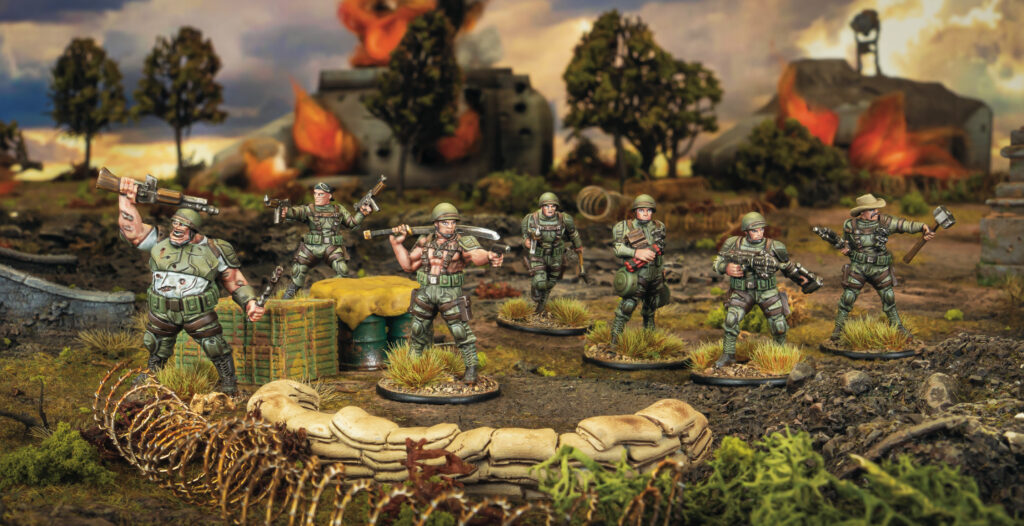
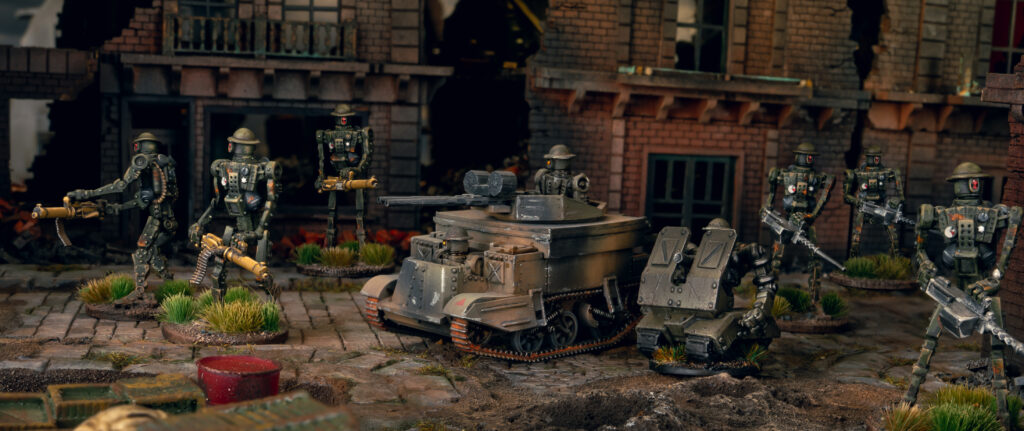
The Western Allies did not go full horror, but they did not stay pure either. The United States made Paragon Squads, which are basically mini heroes. They get Gung Ho so they can spend Guts like officers, and they fight as Heavy and Fast infantry that can pivot from brawling to objective play. The British Commonwealth went full automation instead, bringing in Automated Infantry and mobile platforms that use Computational Systems to ignore the to hit penalty on the move. These things do not scare people because they look like robots, but on the table they create the same feeling. They keep coming, they do not panic, and they strip away the human side of the war.
Monsters on the Table
What this part of the series is really saying is that monsters are control pieces. You do not take them only to kill. You take them to force your opponent to answer the question you just placed in the middle of the board. Since most of them are Fearless they refuse to let combat end on the enemy turn, which lets you dictate when and where the real shooting and charging will happen. Because many of them can either replenish, leap, or slip back into Ambush, they reward players who plan one turn ahead. You do not just throw them in. You throw them in at the moment your mechs have line of sight and your heroes have orders to spare.
It is also very clear that all these rift fueled abominations come with a price. Once the Rift Die is gone, the unit is still good, but it is no longer absurd. So good opponents will shoot just enough to make you trigger the ability early. Smart players will hold the surge, then commit, then consolidate onto the objective. Either way, the game stops being about standard rifle squads the moment one of these things arrives.
Final Whispers from the Rift
Konflikt ’47 keeps telling the same very good weird war story. First it showed us heroes who push their luck. Then it showed us mechs that define the field. Now it shows us what happens when both ideas are taken too far. Every faction has looked into the Rift and decided that winning is worth turning people into weapons. Even the Allies, who pretended to be above it, ended up making paragons and robots. So the monsters are not an accident. They are the honest end point.
So when you put one of these units on the table, play it like a statement. March Totenkorps straight up the middle and dare your opponent to waste turns on them. Drop Nachtjäger on a flank and make them spend orders guarding their artillery. Or walk a Paragon Squad into the open and show that discipline is just a different kind of horror. Because in Konflikt ’47 victory always has a cost. The monsters are just the part of the bill you can actually see.
And remember, Frontline Gaming sells gaming products at a discount, every day in their webcart!