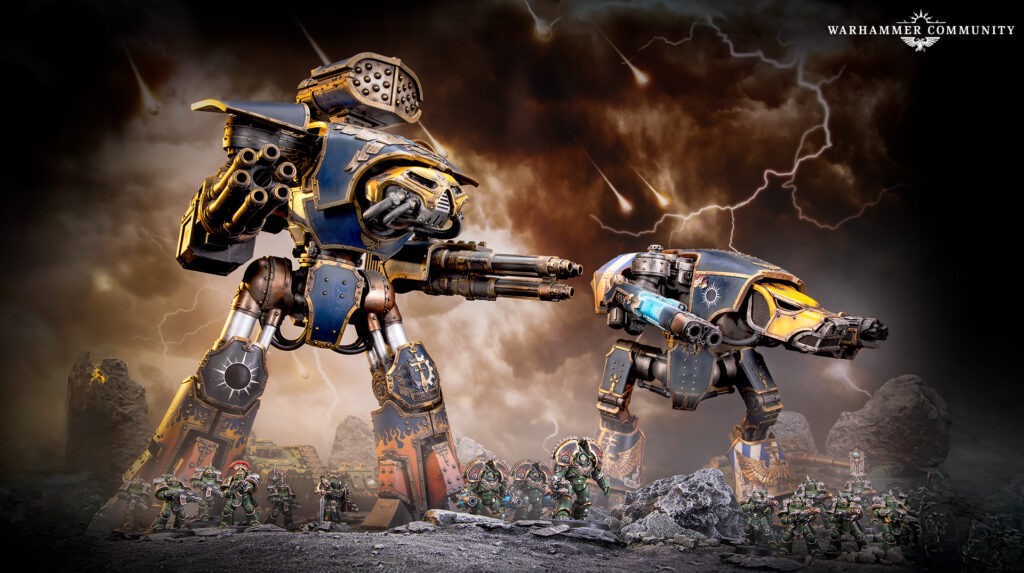
When it comes to war machines, Titans are the crown jewel of the Imperium’s arsenal. These walking cathedrals of death bring enough firepower to erase cities.
Before the Horus Heresy, they were rarely used. But once brother turned on brother, god-engines were deployed across the galaxy to clash in truly apocalyptic battles.
Titans in Warhammer: The Horus Heresy – Age of Darkness are just as terrifying as the lore implies. However, new rules in Liber Questoris ensure they’re not just game-breaking doom cannons. Whether you’re fielding one or fighting against one, Engine Kill missions add new tactical depth and keep things balanced.
Void Shields and Crew Upgrades
Void Shields are your first big headache when facing a Titan. These shields have an Armor Value of 13 and must be cracked with Glancing or Penetrating Hits before your shots can even reach the actual Titan. And they can regenerate. That means unless you’re packing serious anti-tank heat, you might not even scratch the paint.
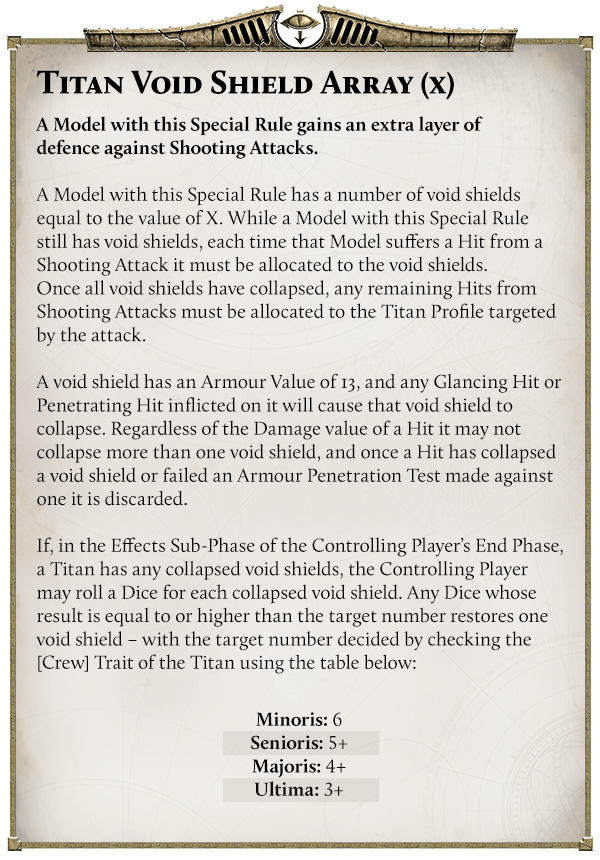
The regeneration chance depends on the Titan’s Crew Trait. A Minoris crew rolls a 6+, while an Ultima crew gets theirs back on a 3+. You can pay to upgrade the crew, which impacts everything from void shield recovery to ballistic skill.
Armor Zones and Critical Hits
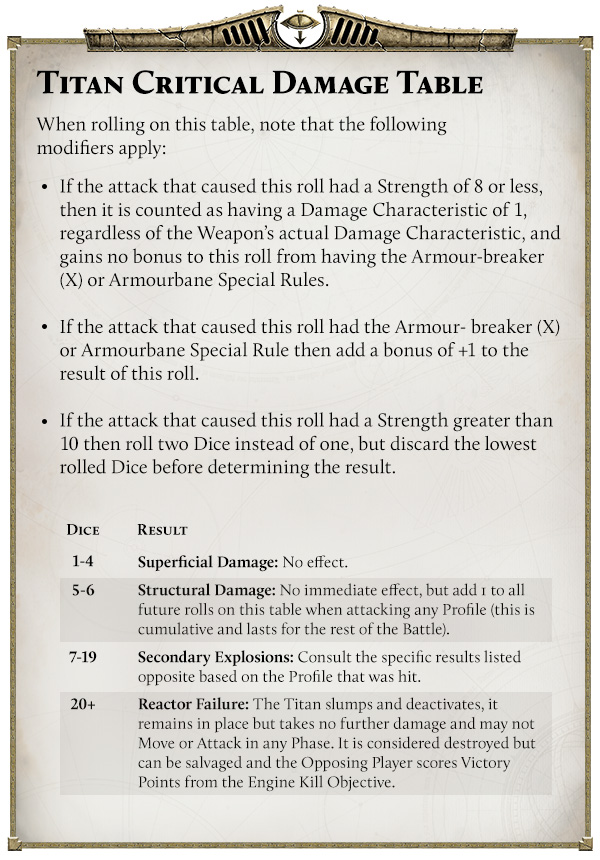
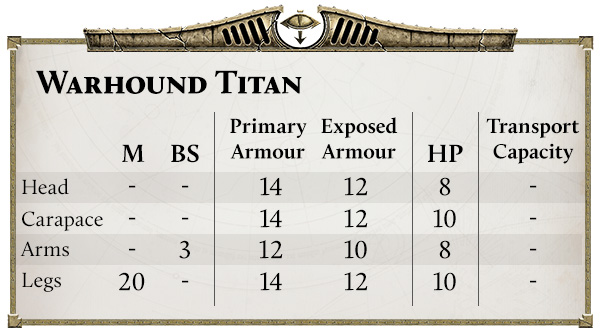
Once void shields are down, attacks get allocated to one of four armor zones. Each zone has Hull Points, and once those drop to zero, that section is Crippled. From there, all attacks use a lower Exposed Armor Value and can trigger the Titan Critical Damage Table.
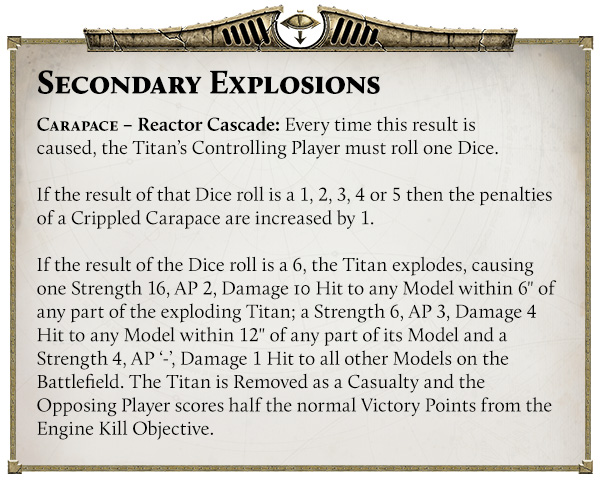
Rolling high on this table leads to explosions, reactor meltdowns, and potentially the total collapse of the Titan. The results range from nothing at all, to structural weaknesses, to a full-on reactor cascade that vaporizes everything nearby. If the Carapace explodes, you’re looking at Strength 6 hits to everything within 12 inches. And yes, that includes your own army if you’re too close.
New Engine Kill Missions
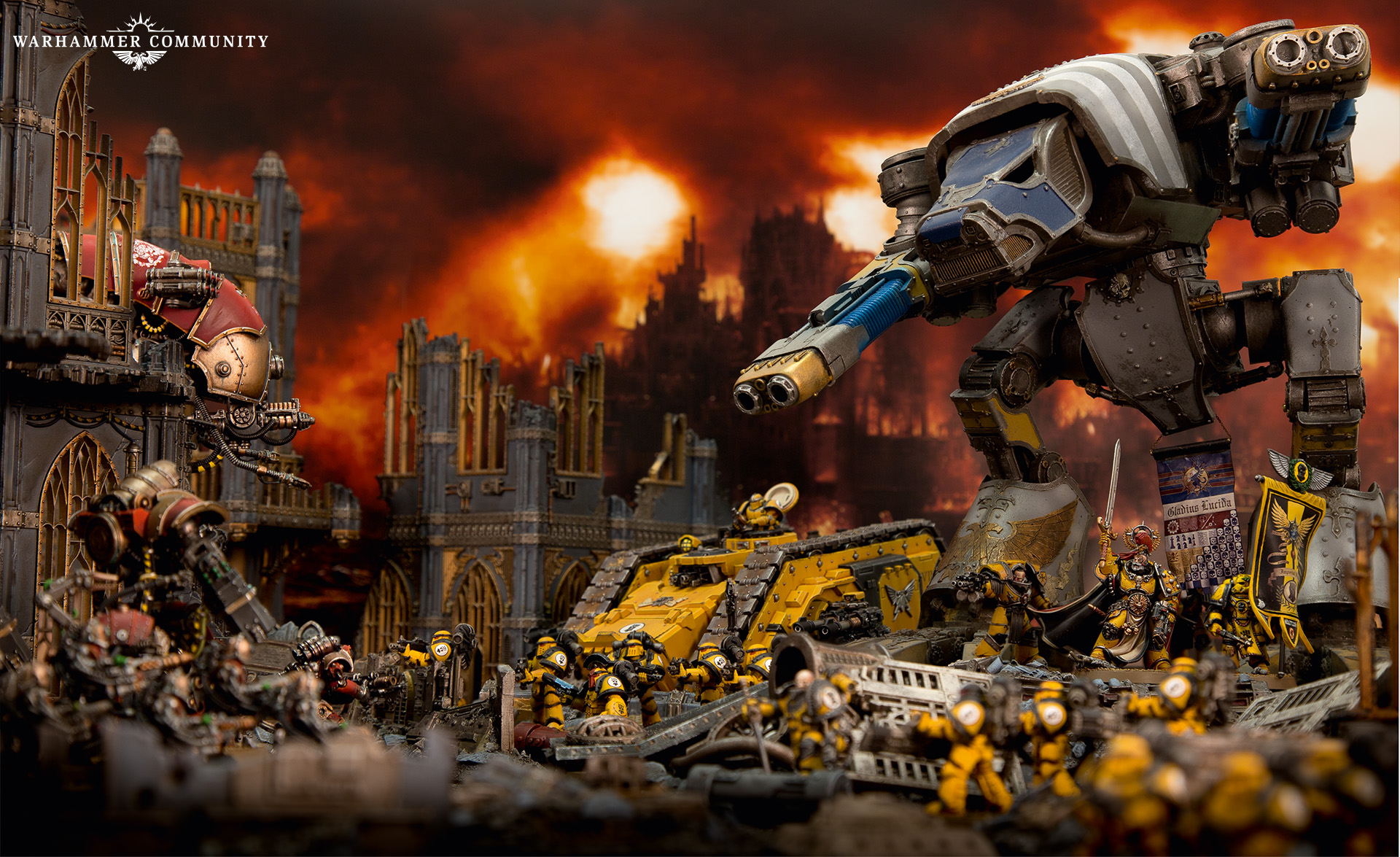
To make sure Titans don’t warp the game too hard, Liber Questoris introduces dedicated Engine Kill missions. These are designed to make Titan battles cinematic and balanced.
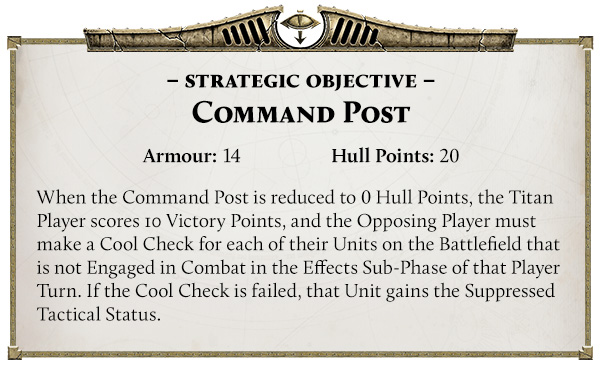
In War of Gods, both players can bring Titans and blast away while earning points by targeting off-board Strategic Objectives like command posts and defense grids. These objectives have their own armor and hull values and give out bonuses or cause debuffs based on what happens to them. For instance, destroying a command post suppresses nearby enemy units.
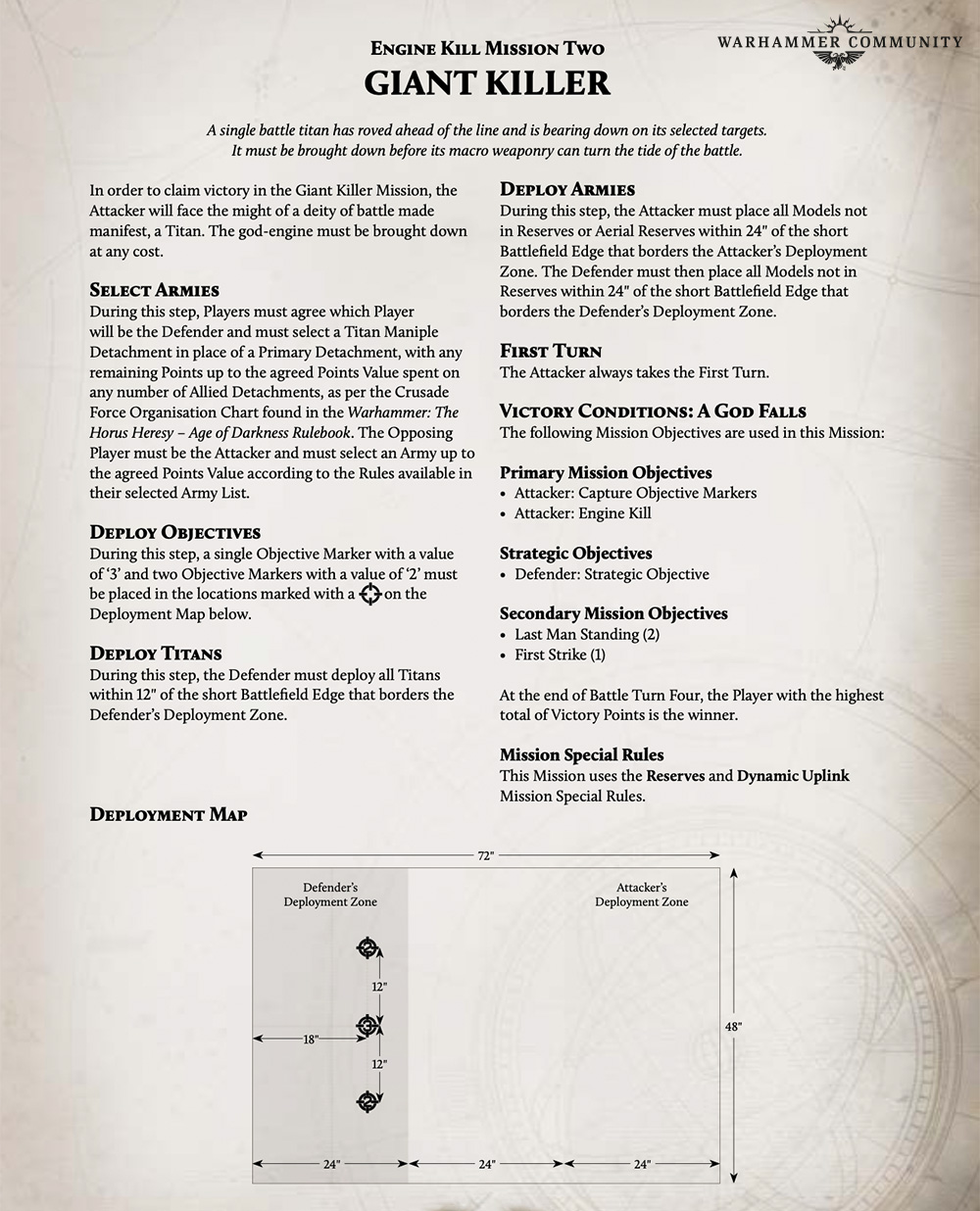
In Giant Killer, one side brings a Titan, and the other throws a normal army at it. This asymmetric scenario turns a Titan into a boss fight. The Titan player must balance between deleting battlefield threats and scoring VPs by destroying objectives beyond the board. The attacker, meanwhile, swarms objectives and tries to wear down the machine one armor plate at a time.
Damage Type and Weapon Tactics
Titans now play into a broader system where weapon types have clearer niches. Critical Hits and the Heavy trait make it easier to design weapons that hurt Titans without turning them into Swiss cheese in two turns. Multi-meltas are no longer the only answer. Instead, weapons like autocannons and lascannons serve a viable role, especially when coordinated.
Final Thoughts
Titans have never been more thematic or interesting to play. Between layered defenses, regenerative shields, armor zones, critical hit tables, and narrative-driven missions, these behemoths feel like true endgame threats. But they’re not unstoppable, and that’s the key. Whether you’re a Princeps ready to stomp across the battlefield or a poor mortal footslogger with a death wish and a melta bomb, Liber Questoris gives you a reason to fight—and maybe even win.
And remember, Frontline Gaming sells gaming products at a discount, every day in their webcart!