
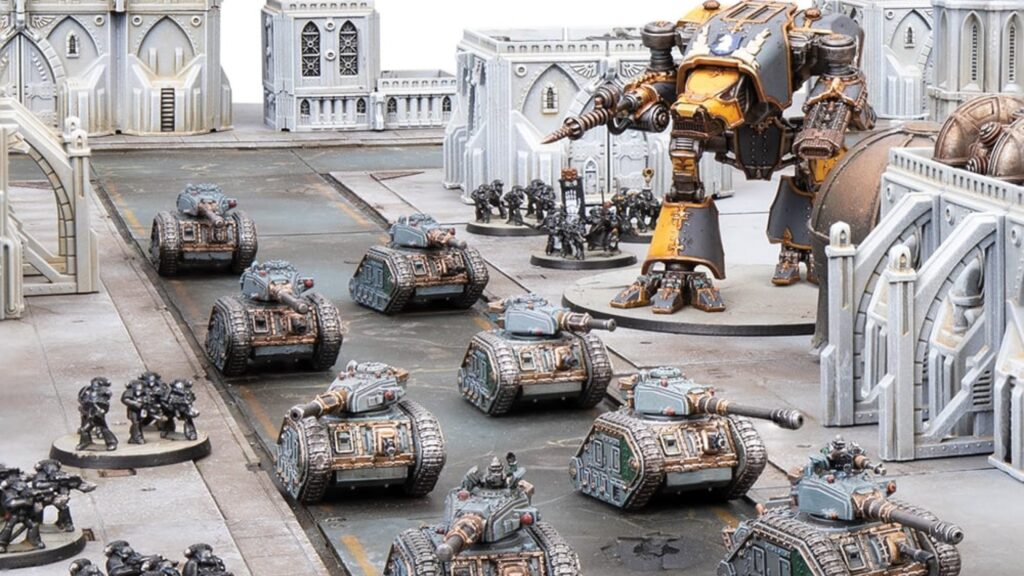
Bases should be as thin as science an make them. Hear me out.
I was chatting with some friends not long ago when one of them mentioned that they were preparing to base some minis but they were at a bit of a unique crossroads. The minis in question did not come with bases and were not for any particular game system, at least not one that proscribed base sizes. My friend asked where they should start, and the other replied that a minis should normally be put on a base that is approximately as wide across as they are tall. This made sense to me at first; after all, nearly all of the 25-28mm minis I have purchased over my long hobby career have been based on 25mm round bases.
But upon further reflection, this guideline is incomplete. It makes no mention of shape, though perhaps this can be inferred by the game type, but it brazenly ignores height! Round, oblong, square and rectangle, all have their uses! It would be a fool’s errand to argue the superiority of one over the other (and I have seen mini wargamers and mountainous miniature gamers make fools of themselves arguing this exact point). However, the height of a base should not require debate. They should be as slim as possible, right?
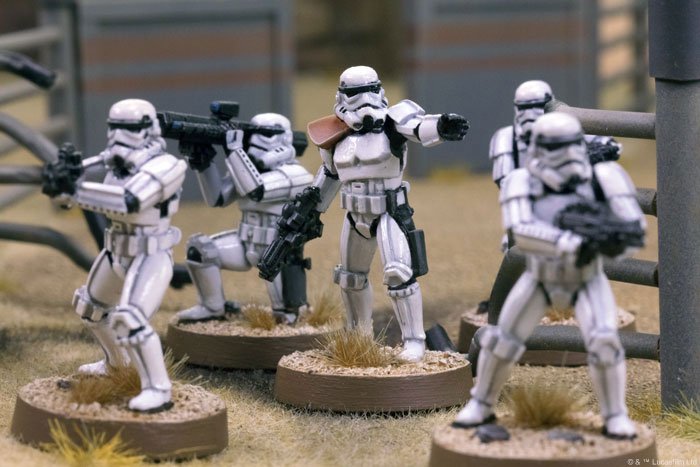
GW and Legion minis come with very high profile bases compared to almost all other manufacturers, and many third party vendors will offer even slimmer options. So why do these two titans of the industry exclusively deal in such outsized bases? I think the primary reason is that they look damn good as display pieces. Put the minis on a box or in a case and they really pop! But what about functionality? I argue this is where high bases (and even wider ones, in some cases) fall flat.
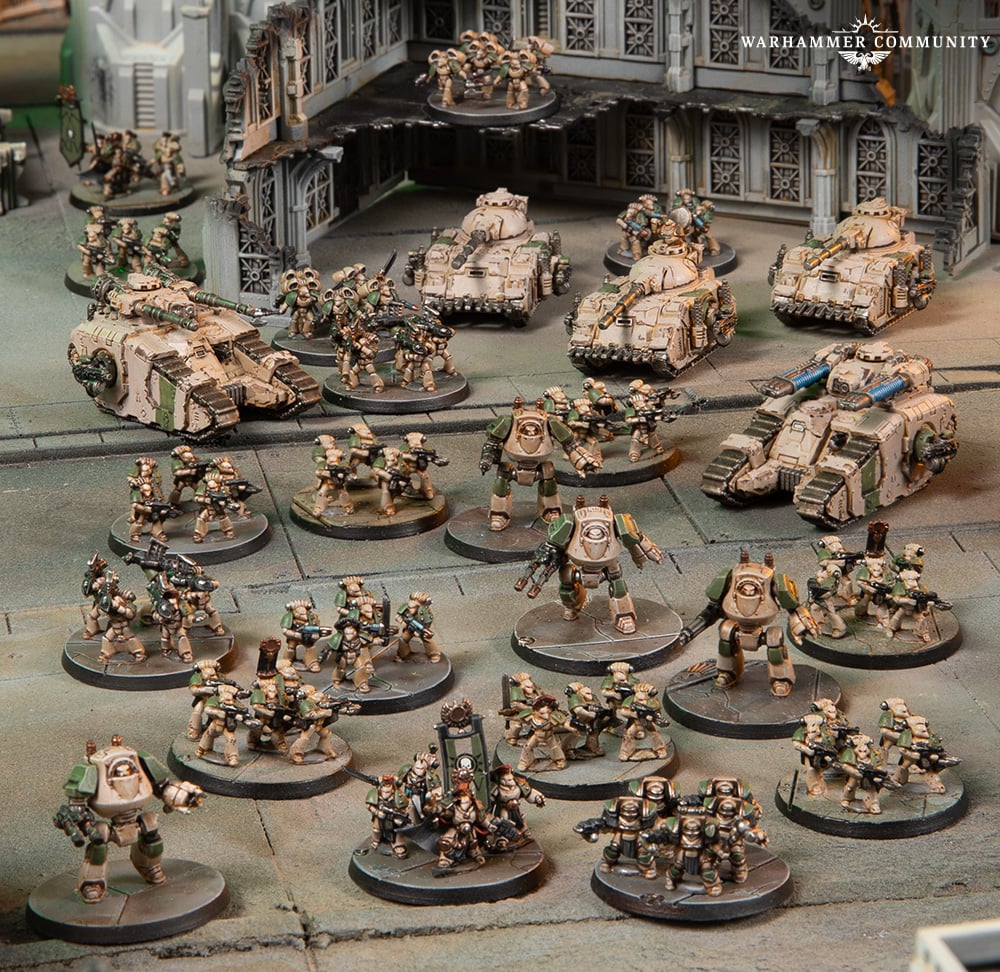
Let’s start by comparing apples to apples: for gameplay terms, the height of the base determines the height of the ground for that miniature. If all minis are on bases of the same height then we are on a level playing field. However, if one model is on a higher base, that effects their overall height and they are that much taller than everything else in that game. Is this a problem, you ask? Well, a common feature of many games is to put infantry on bases but not tanks, enlarging your weaker troopers and shrinking your toucher units. This effect is minor in most games played at the 28mm scale, but is exacerbated at smaller scales. In Legions Imperialis infantry is on tall bases, Titans are on equal or larger bases, and tanks are not based, meaning they stand to gain the most by this effect.
But let’s say every miniature on the table is based the same way. Shouldn’t this solve the issue? Well, sure, but what about your terrain? Buildings in 28mm scale will be too short unless they are on bases, but will again be too short if units are able to share those bases with the terrain itself. Think about it like this: a Star Wars: Legion base is about 4.5mm tall. If a Stormtrooper is standing at a second story window it needs to be modeled that much higher to look appropriate, and the taller the bases used in your games, the weirder your buildings will look for this very reason.
So what’s the solution? Ultra thin bases. Several companies have been way out ahead of this for a long time. Renedra from the UK has been getting their 1mm thick square and round plastic bases into almost every miniature kit that isn’t made by GW on those islands. LITKO Game Accessories in the US makes wooden bases thinner than 1mm in a variety of shapes and sizes, as well as clear, acrylic bases so you can forgo the normal basing methods and see your terrain matts through the bases themselves.
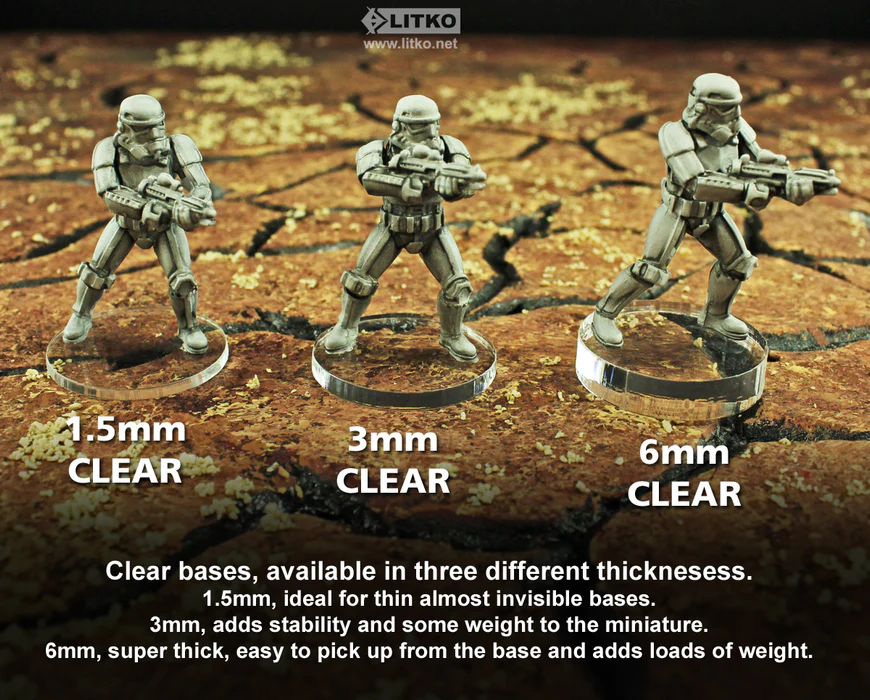
Anyway, I could go on for a while longer, but the real answer to the best base for miniature wargaming is “whatever works best for you.” but I will continue to make the case for lower profile bases and give away all those that come with my 40K and Legion minis. What do you think? Do you even care about base height? Sound off in the comments!
And remember, Frontline Gaming sells gaming products at a discount, every day in their webcart!